

The next education reform should be written by citizens
The legitimacy of a Common Democratic Charter would lie precisely in the fact that no single organisation could claim authorship. It would belong to the people who debated it, criticised it and improved it together
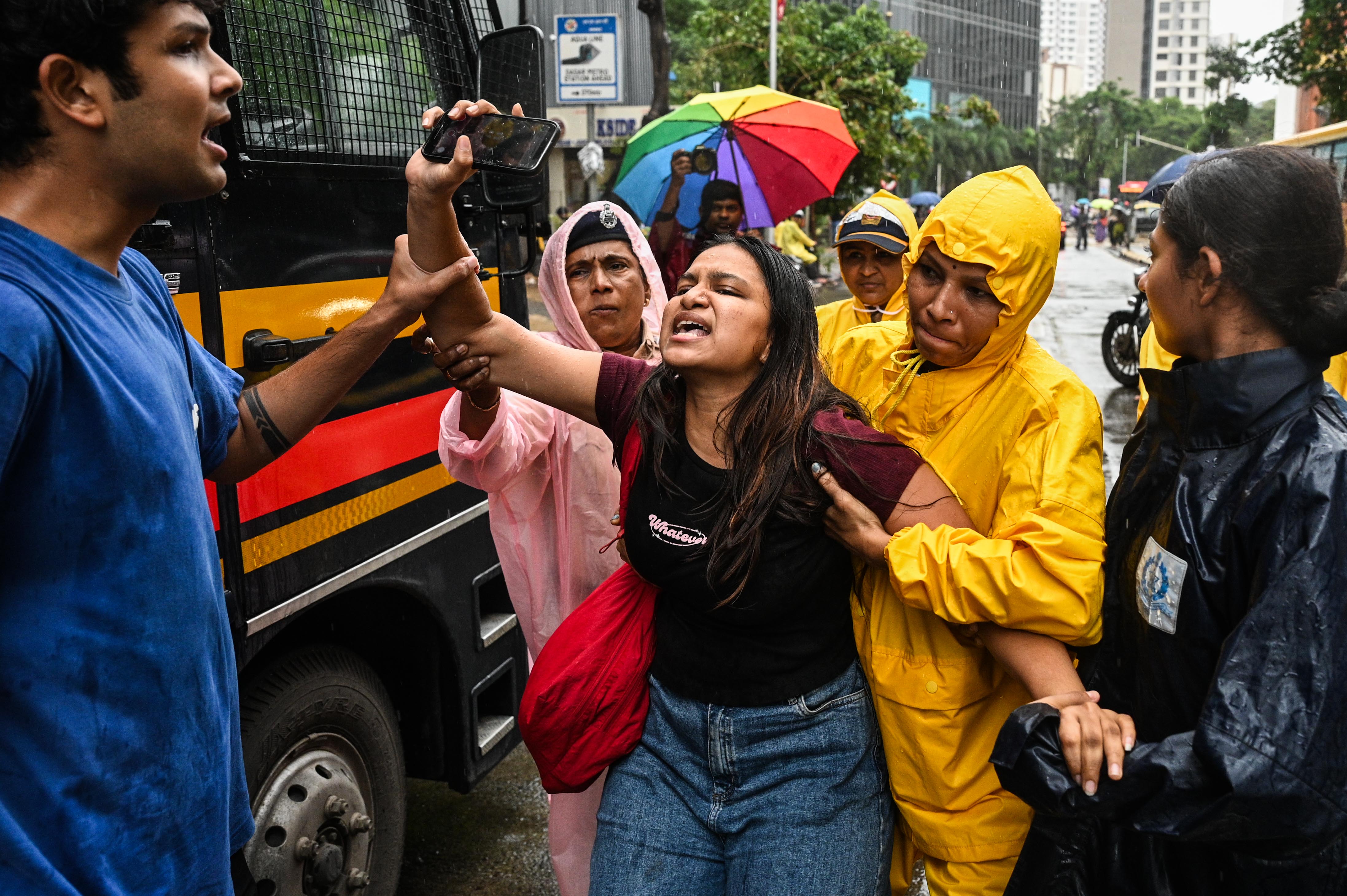
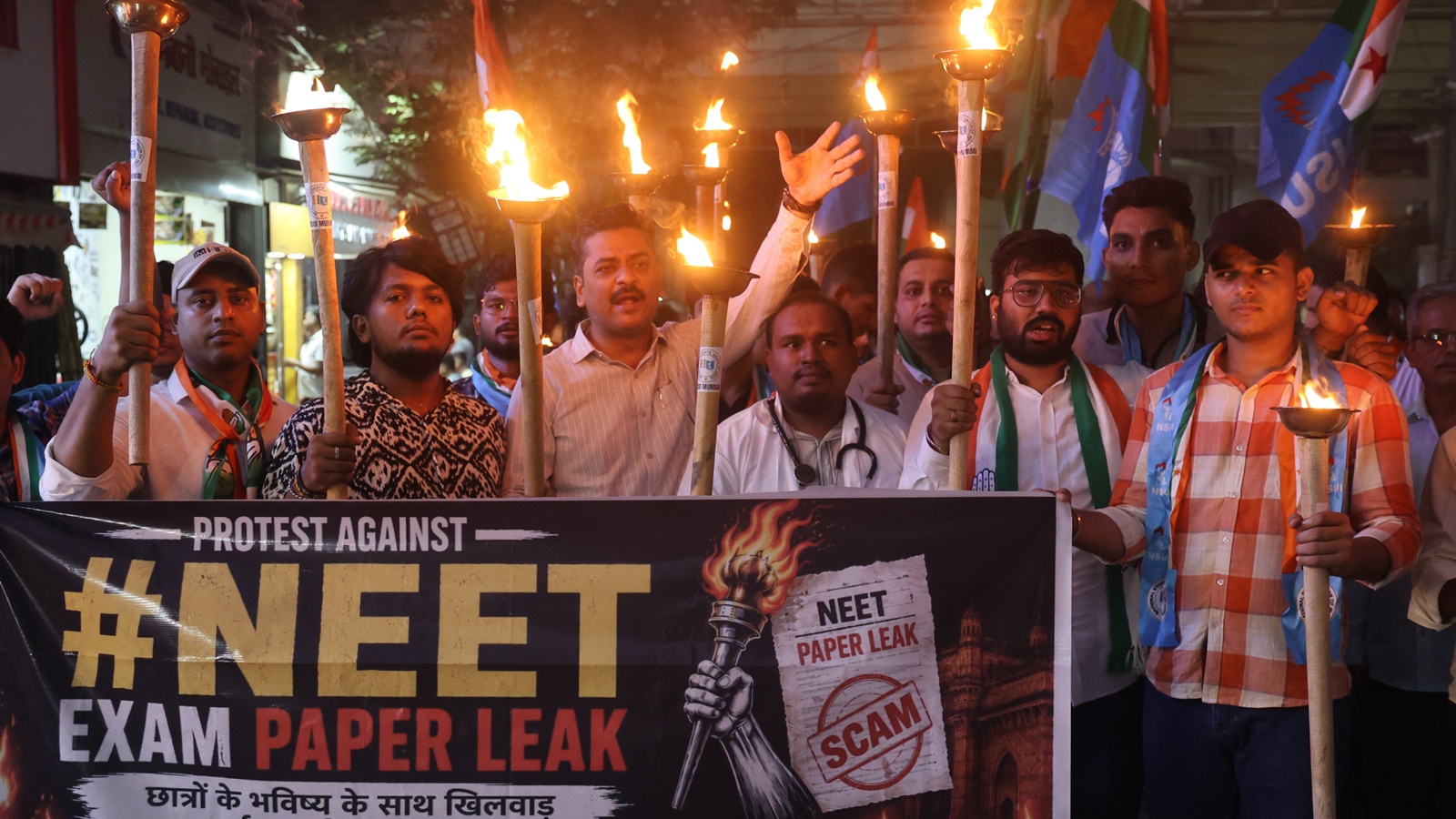
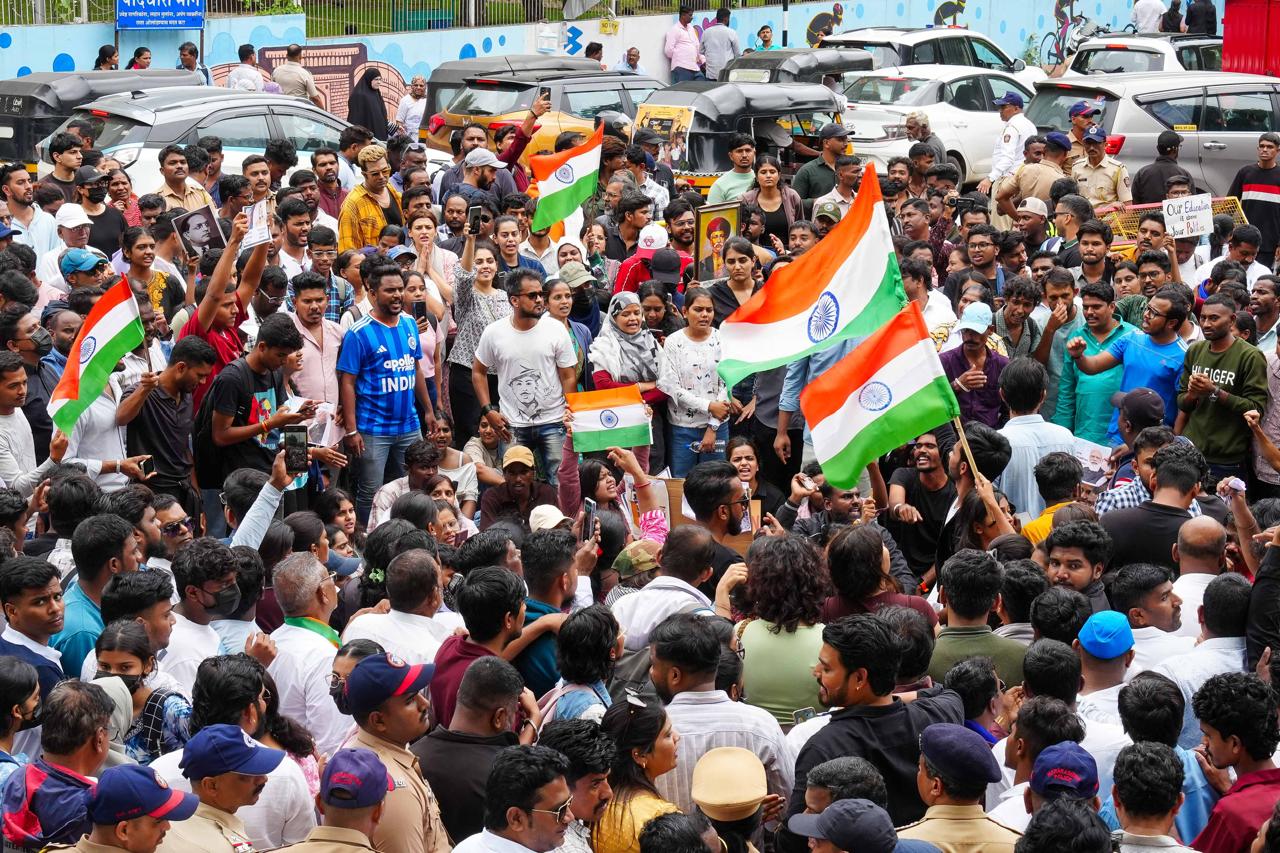
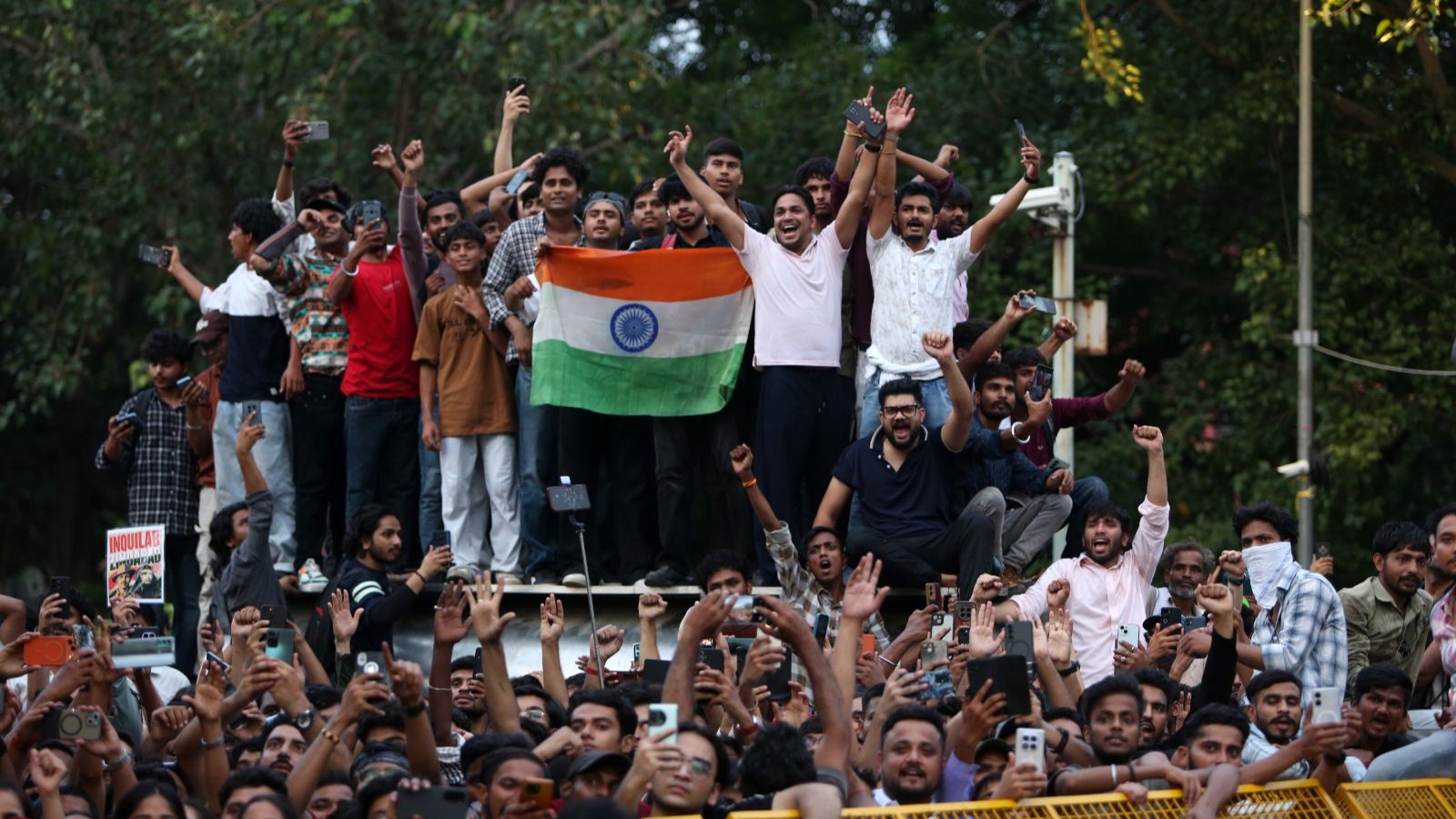
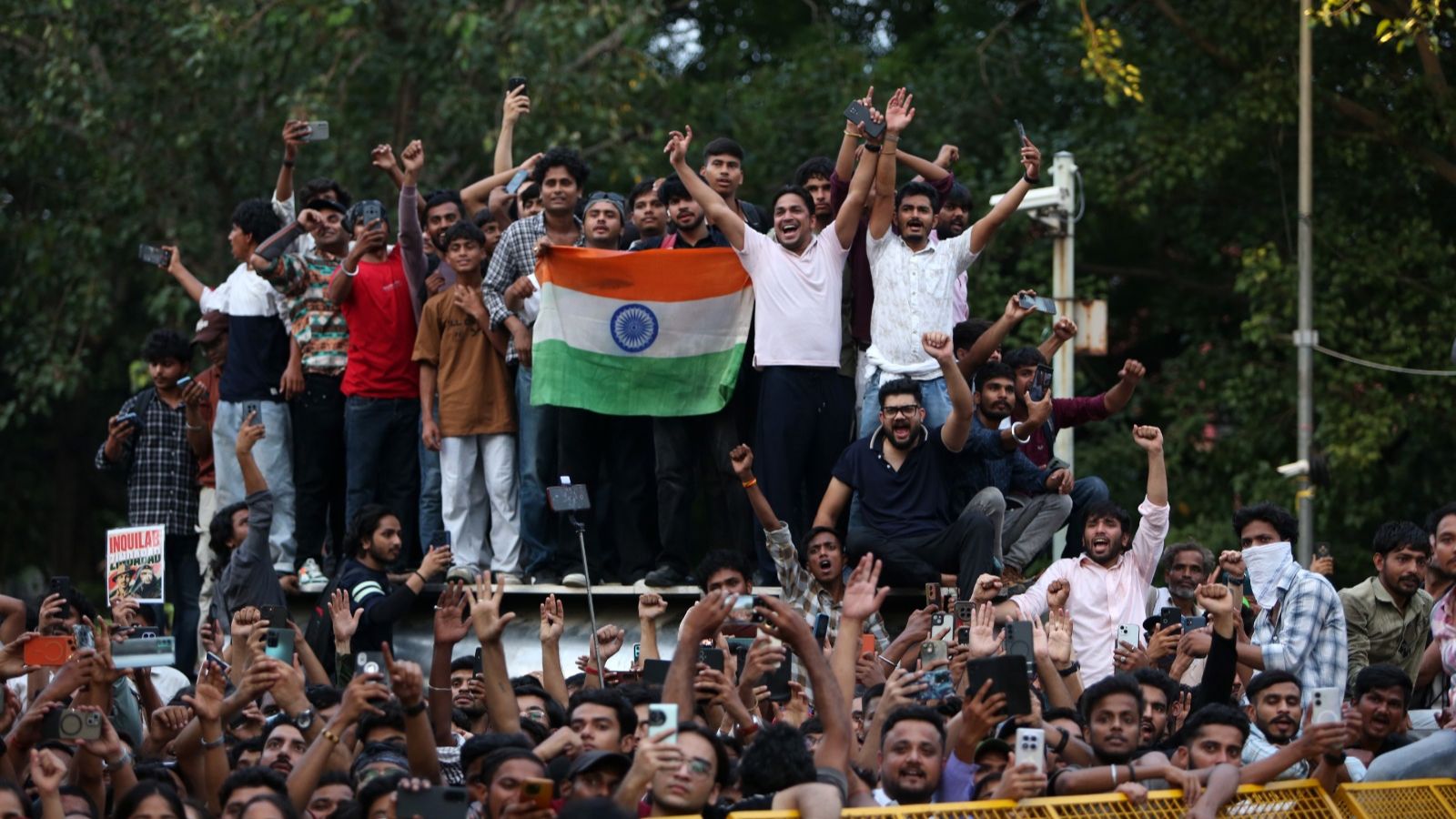
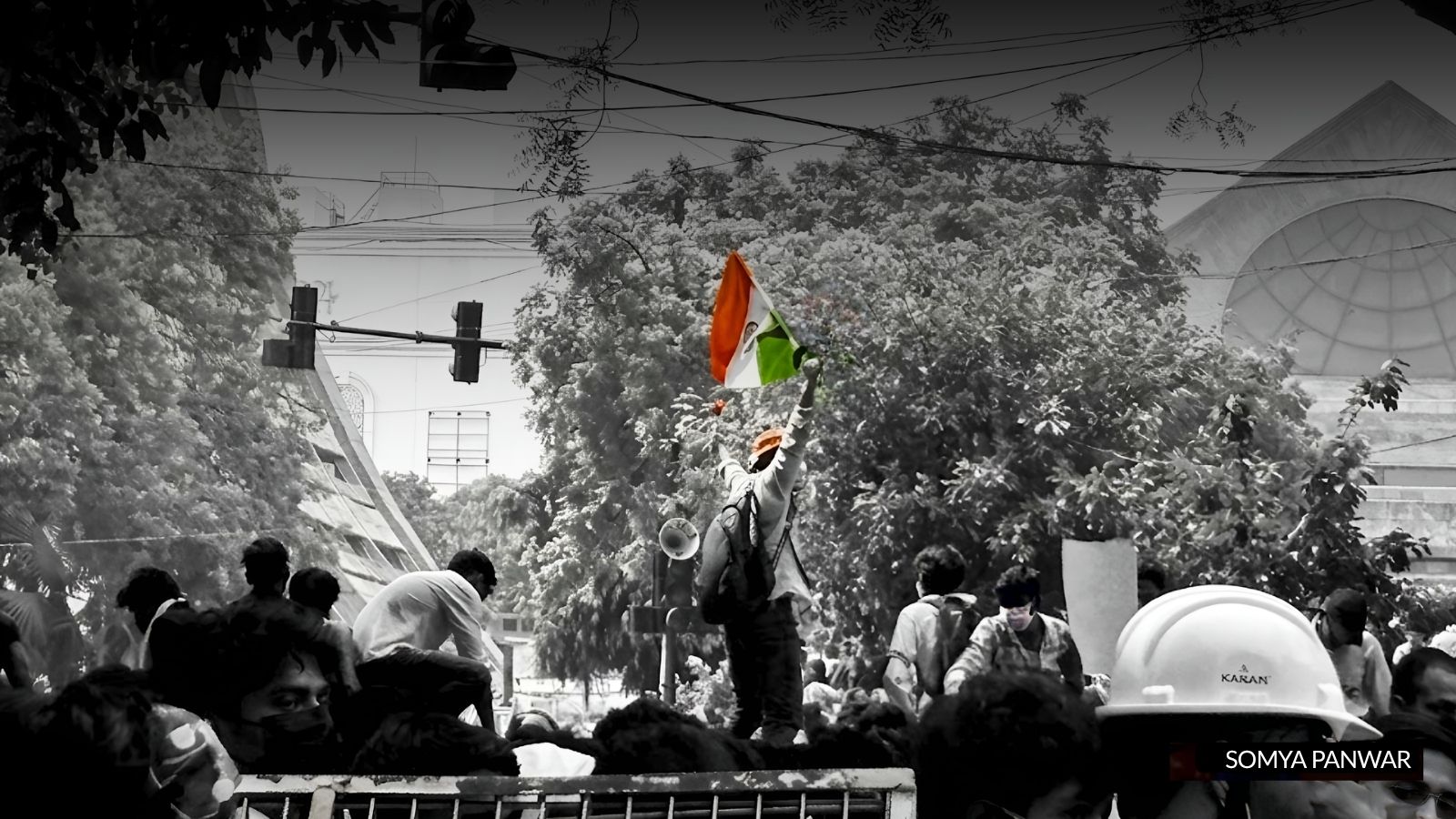
Every week, India witnesses another institutional failure. An examination paper is leaked. A recruitment process comes under suspicion. A university appointment triggers controversy. Students take to the streets demanding accountability. Journalists investigate. Lawyers approach the courts. Citizens speak out. Democracies depend on these acts of participation, and every one of them matters. But every successful protest should also leave us with one uncomfortable question: What comes after accountability?
Now that the Education Minister has resigned, what comes after this? Would paper leaks disappear? Would recruitment suddenly become transparent? Would universities become genuinely autonomous? Would students once again believe that merit, rather than administrative failure, determines their future?
The answer is almost certainly no. Because accountability addresses individuals. Reform addresses institutions. Democracies need both, but we are often far better at demanding the former than designing the latter. That is why the current education movement presents an extraordinary opportunity. The question is no longer whether students should protest. The question is whether this movement can achieve something even more enduring than winning today’s battle. It can.
Every major student organisation, every political party that claims to support education reform, teachers, academics, former judges, educationists and civil society should come together to draft a Common Democratic Charter on Education. It should not be drafted behind closed doors, not by a committee of experts alone.
The first draft should be placed in the public domain. Students from every university, teachers, parents, researchers and citizens should be invited to comment on it, challenge it, improve it and debate it. Every revision should be transparent. Every suggestion should be publicly considered. The objective should not be unanimity, but the widest possible democratic consensus on the institutional reforms India’s education system urgently requires.
If done well, this would be something India has rarely attempted. For perhaps the first time, citizens themselves would collectively participate in drafting a national reform blueprint before asking governments to legislate or implement it. That process is as important as the final document.
It would create a new democratic culture — one in which citizens do not merely protest institutions after they fail, but help design institutions that fail less often.
The Charter itself could identify reforms that command broad democratic agreement: Independent examination authorities insulated from political interference, transparent recruitment systems, greater university autonomy, merit-based appointments, stronger grievance redressal mechanisms, accountability for examination failures, and greater transparency in educational administration. These are institutional questions that should outlast whichever government happens to be in office.
Political parties will continue to disagree over economic policy, taxation, welfare and ideology. That is how democracy should function. But if parties claim to stand for better education, surely they can publicly commit themselves to a minimum set of institutional guarantees that every student deserves.
Equally important, such a charter should not belong to any one political party or organisation. Any party with the credibility and willingness to convene this conversation should take the initiative, but once the process begins, ownership must pass to the public. Its legitimacy would lie precisely in the fact that no single organisation could claim authorship. It would belong to the people who debated it, criticised it and improved it together.
If this experiment succeeds in education, there is no reason the model cannot later be replicated for judicial reforms, policing, environmental governance, media regulation or other public institutions. But education is where the conversation should begin. Students have already done the difficult part — they have compelled the country to pay attention.
The next step is to channel that energy into institution-building. India has become remarkably effective at demanding accountability. The next stage of democratic maturity lies in collectively designing the institutions we want.
The present education movement offers a rare opportunity to begin that journey, not simply by resisting what is broken, but by placing before the nation a shared blueprint for what a better education system should look like.
The time for that conversation is now.
The writer is an advocate in Supreme Court of India and national spokesperson, Congress