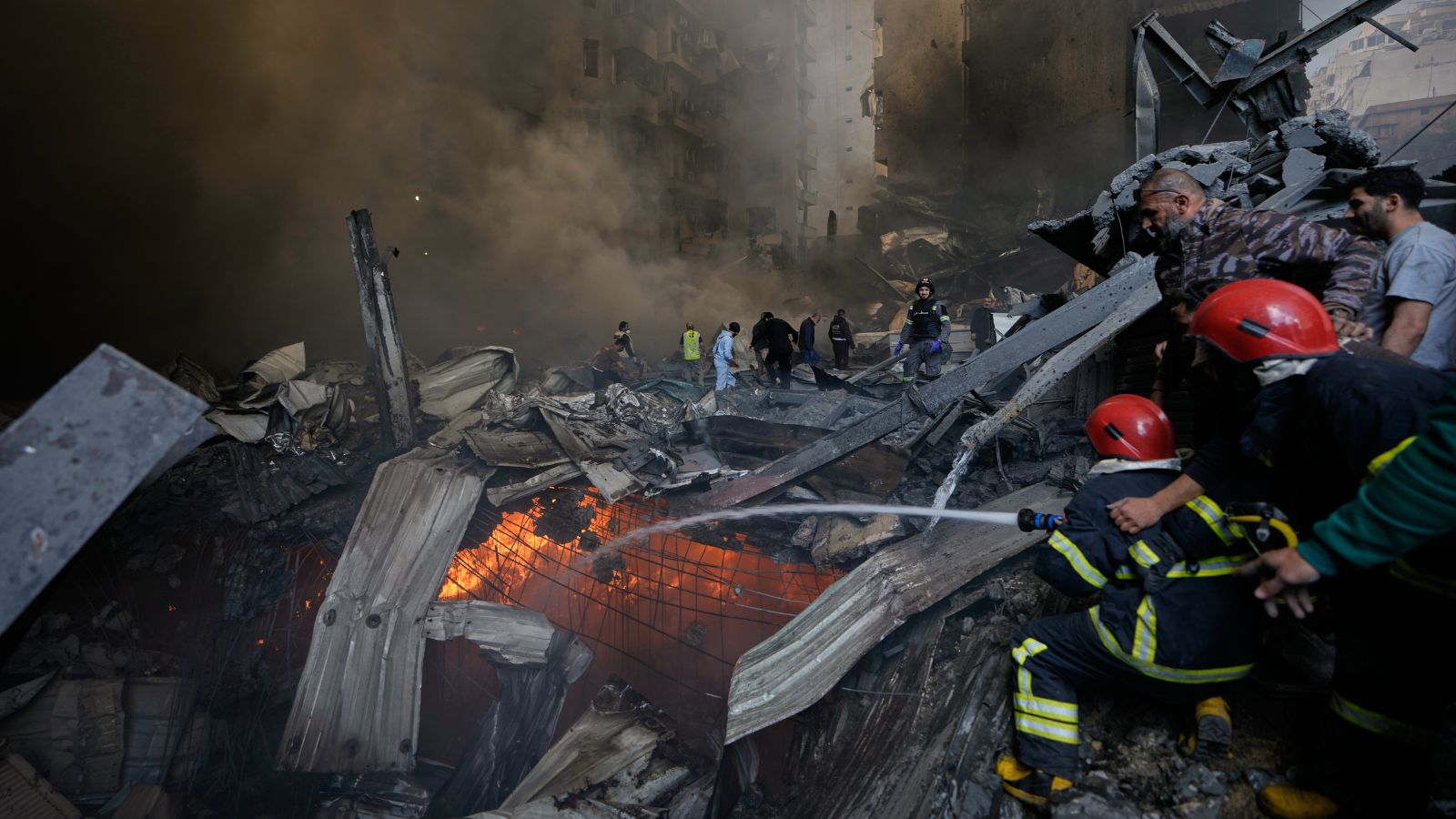


The Iran War has been paused — it is not over. Islamabad talks can deliver a fragile adjustment
The psychological shift is notable. Tehran has leverage and will seek to maintain it
By Arun Sahgal
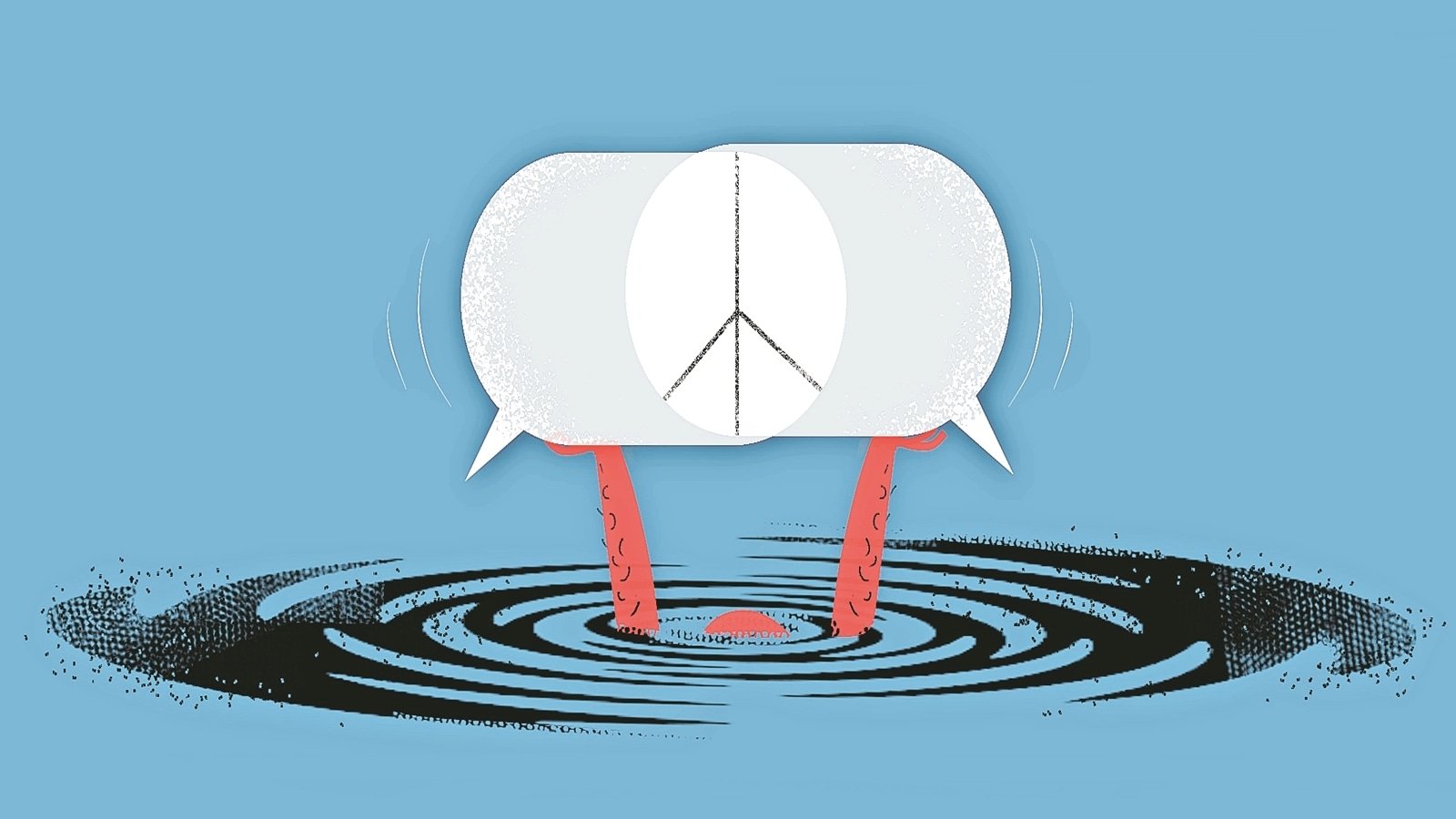
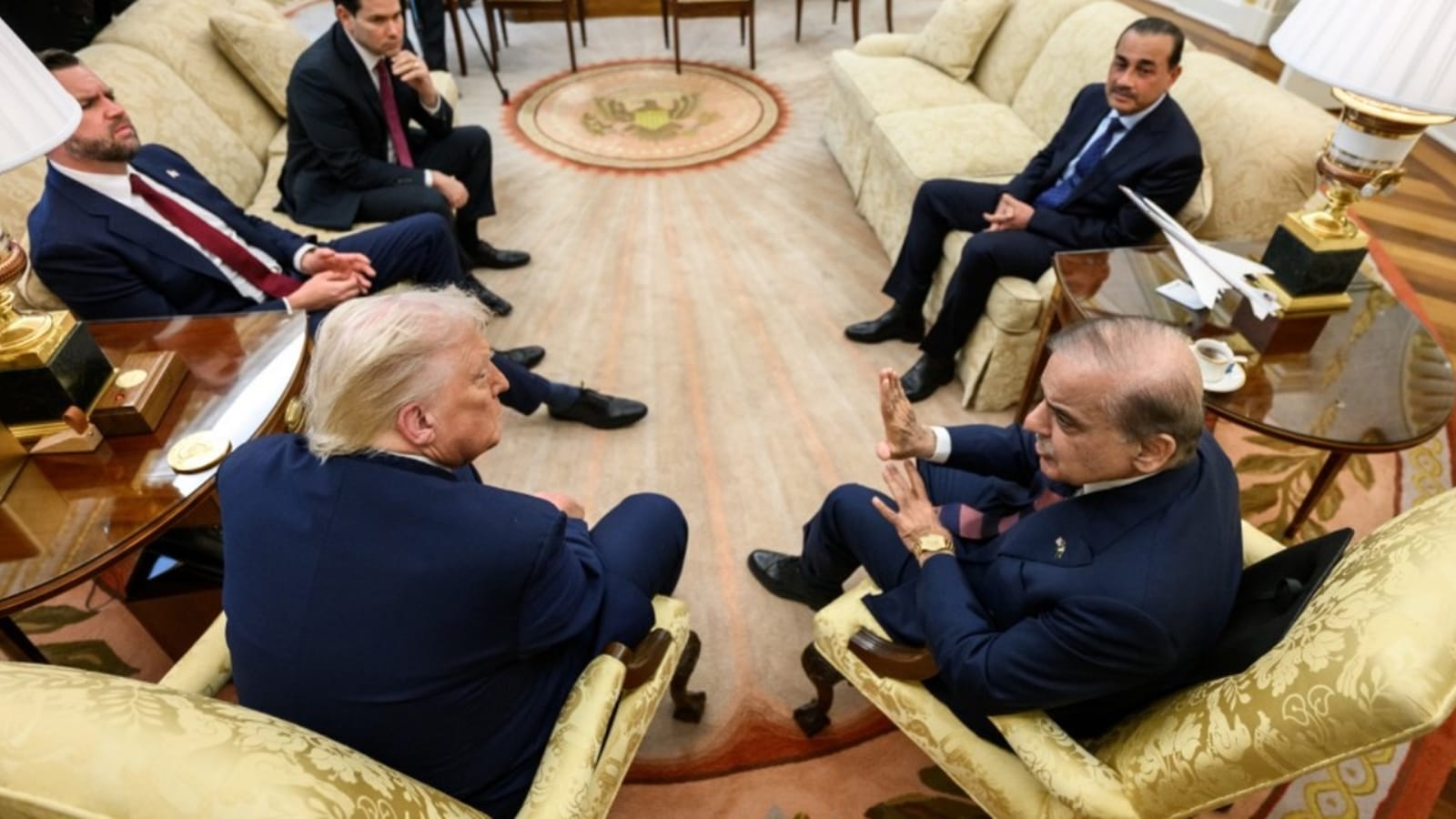
The fragile ceasefire in West Asia might have paused immediate hostilities in Iran, but it has achieved very little. At best, it functions as a face-saving off-ramp for all involved parties as the Americans and the Iranians head to Islamabad for talks on Saturday. Negotiated through efforts by Pakistan, Egypt, and Turkey, its success largely depends on Pakistan’s ties to the Trump administration. Beneath the surface, the main causes of the conflict remain unaddressed. What lies ahead is not stability, but a tense and uncertain adjustment.
The ceasefire is fragile because the core issues are structural rather than temporary in nature, like managing the Strait of Hormuz and the future influence of Western powers, especially the US, in the region. Iran, having shown strength and resilience, is unlikely to yield to US pressure easily. The psychological shift is notable. Tehran has leverage and will seek to maintain it.
The question of the regime’s dynamics in Iran adds another layer of complexity. While Mojtaba Khamenei remains a central figure, there are indications that relatively moderate elements are positioning themselves for a larger role. Figures within Iran’s political establishment may now see an opportunity to negotiate from a position of strength rather than isolation. However, any such transition will depend on the stance of the Islamic Revolutionary Guard Corps (IRGC), which has gained increased authority and legitimacy from the conflict.
The nuclear programme issue will continue to dominate future negotiations. Iran is unlikely to give up its enrichment capabilities without receiving significant concessions. These might include reparations for damages and strong security guarantees against future attacks. Missile and drone programmes will also be discussed, but they may be seen as secondary bargaining points rather than main concerns. Tehran’s stance will be transactional and firm, tying each concession to concrete gains.
For the Gulf monarchies, the conflict has been deeply unsettling. Their longstanding security framework, based on American assurances, now seems fragile. The perceived inability of the US and Israel to fully protect critical infrastructure has raised uncomfortable questions about the dependability of these alliances. Years of rivalry and proxy conflicts between some of the Gulf countries and Iran have left deep scars. Tehran will need to decide whether to continue leveraging non-state actors across the region or to recalibrate its approach toward state-to-state engagement. The former offers tactical advantages; the latter promises longer-term stability.
The implications go beyond security. Political stability in these monarchies could be at risk if public trust in leadership declines. Royal families, long regarded as guarantors of order and prosperity, might face increased scrutiny. The economic impact is also significant. The Gulf has established itself as a global business hub and a haven for multinational corporations such as Google, Amazon, and Alchemist. Persistent instability could weaken investor confidence and interfere with long-term economic diversification strategies.
The damage to US military bases in the region has worsened these concerns. With several installations reportedly destroyed or damaged, the American military presence has significantly weakened. This not only lowers deterrence but also makes Gulf states more vulnerable to future threats. The security protection they once depended on now seems fractured. There is also increasing concern about Washington’s policy alignment. Many Gulf leaders believe that US actions have been overly influenced by Israeli priorities, often without sufficient consultation with regional partners.
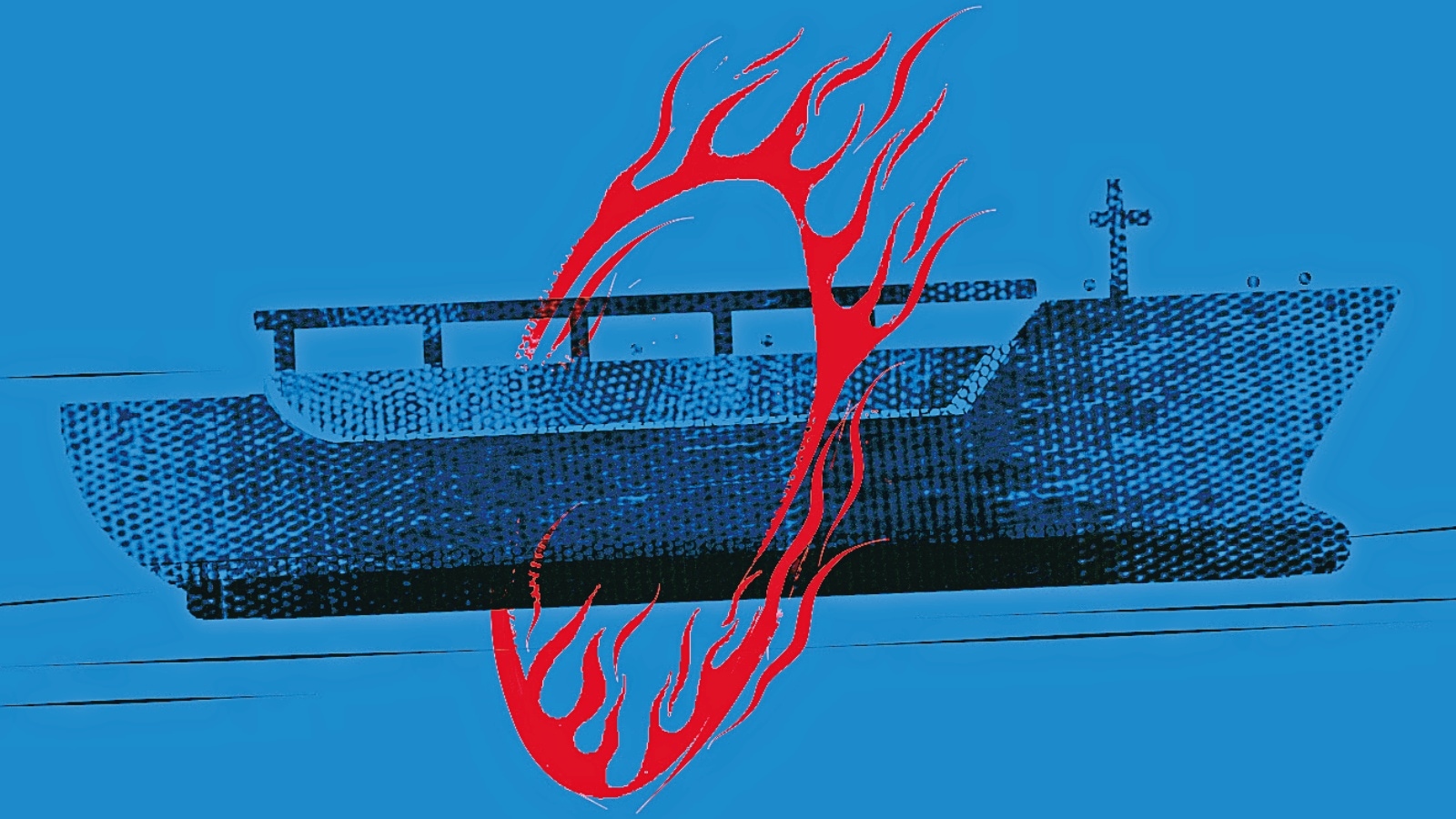
Perhaps the most significant change is in control over the Strait of Hormuz. Iran has shown that it is a dominant regional player and cannot be excluded from future agreements involving the Strait. This will constitute the main negotiation point in future negotiations; Tehran could be expected to leverage its location and regional dominance to its advantage. Early signs of coordination with Oman suggest that Tehran may explore cooperative frameworks, but broader geopolitical pressures will influence these plans. Iran recognises that it cannot exercise unilateral control without provoking sustained international backlash. The United States will advocate for a free and open strait, while Iran aims to maintain strategic influence.
In the short term, damage to Arab petrochemical facilities presents a practical challenge. With repair timelines ranging from three to six months, supply disruptions are unavoidable. Thus, any durable agreement will need to address not just the security of the Strait but also the economic dynamics it sustains. Mechanisms for shared oversight, conflict de-escalation, and uninterrupted energy flows will be essential. Even then, the arrangement is likely to remain fragile, subject to periodic tensions and renegotiation.
The post-ceasefire phase poses some tough choices for Iran. Internally, the power balance seems to be shifting. The ideological grip of the clerical leadership may be weakening, while the IRGC’s influence continues to expand. Whether moderate figures within the government, including the foreign minister and parliamentary leaders, can influence policy will depend on their ability to collaborate with or constrain the security establishment.
Key policy decisions are significant. The future of uranium enrichment remains crucial. If Iran decides to restrict or suspend its programme, it will seek substantial economic and security guarantees. These negotiations are expected to be lengthy and complex. Finally, Iran’s economic reconstruction will require resources. One potential route involves attracting Arab investments, building a network of mutual economic interests that could serve as a stabilising factor. However, such cooperation will need a level of trust that is currently lacking.
The ceasefire has paused the conflict without resolving its causes. Too many variables remain in play, from Iran’s internal dynamics to the recalibration of Gulf security and the contested future of the Strait of Hormuz. The talks in Islamabad over the weekend and the coming weeks will test whether diplomacy can bridge these divides or whether the region is merely regrouping for the next round of confrontation.
The writer is a retired Brigadier of the Indian Army