

Inside Track | Mamata’s Catch-22: Why West Bengal’s 60 Lakh Adjudication Cases Could Trigger Governor’s Rule
If she insists that all disputed voter identity cases be cleared before the elections, then polls will have to be postponed and Presidential rule imposed in the state, as her term as caretaker CM expires on May 7, the EC’s deadline for installing a new Assembly.
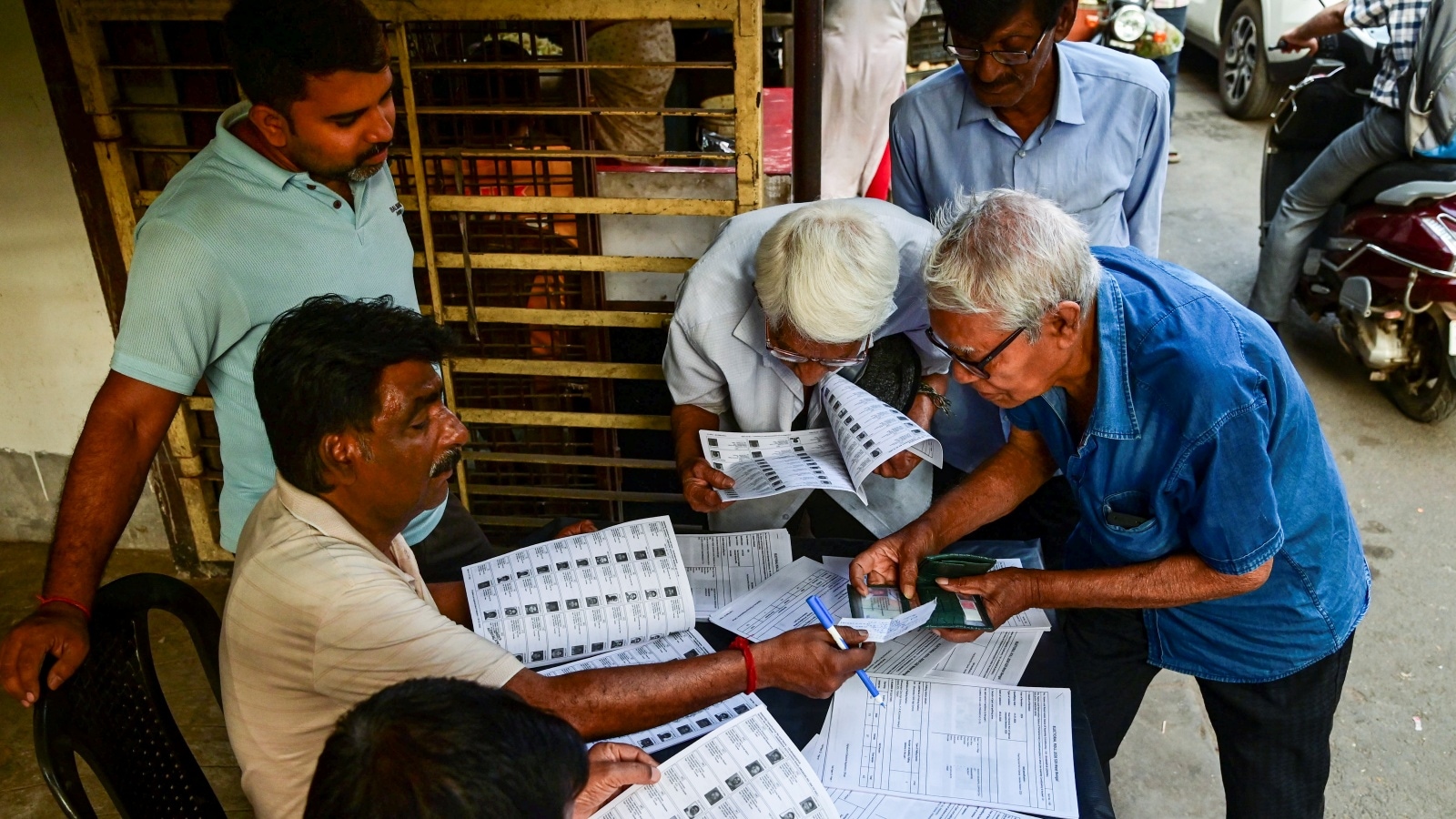
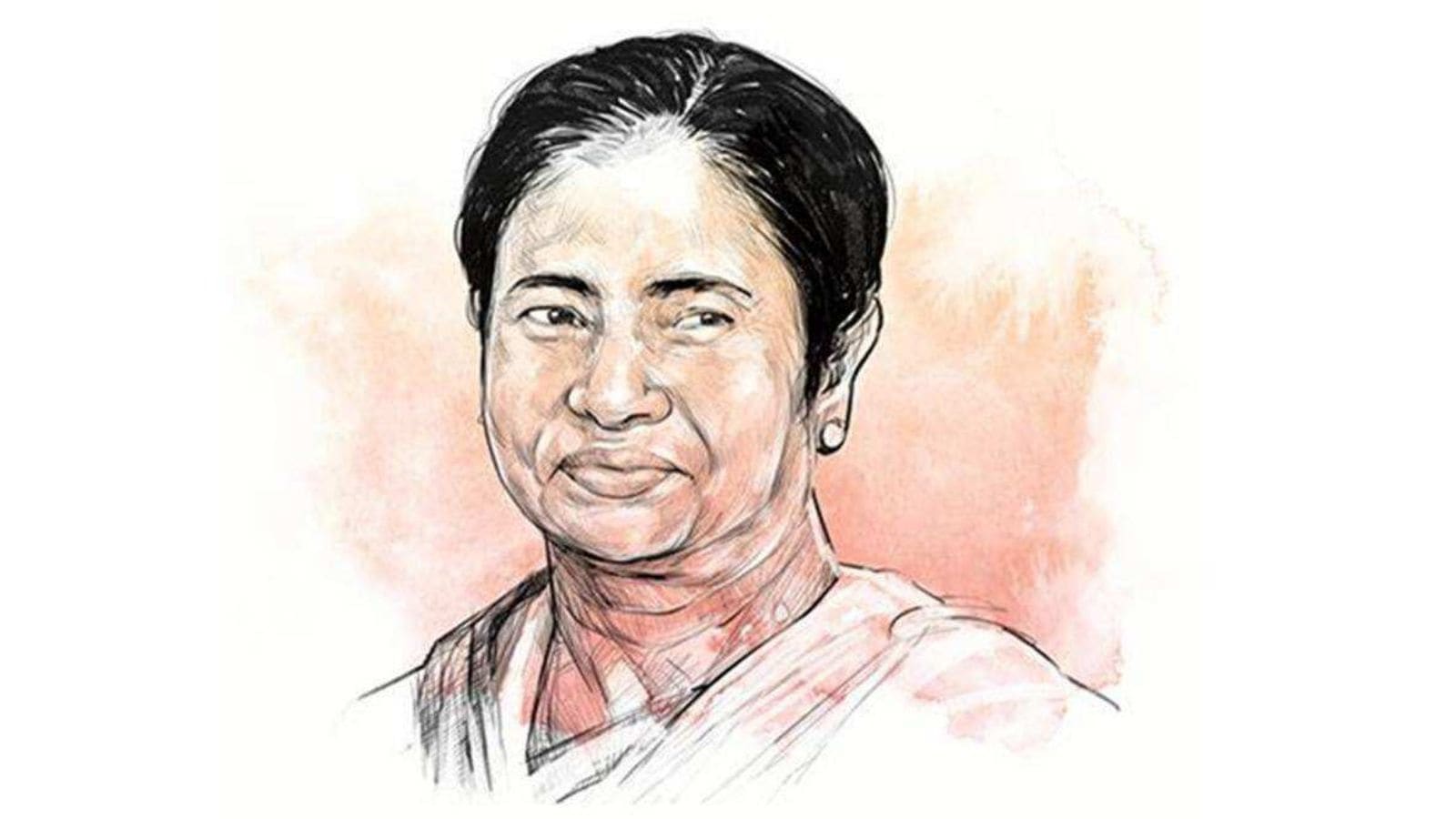
Mamata Banerjee declared victory after the Supreme Court decreed that judicial officers would decide on claims and objections in the ongoing SIR, not the Election Commission. But now that the election time schedule has been announced, it is unlikely that the scrutiny of the 60 lakh cases under adjudication will be complete by April 23, the polling date for the first phase. Banerjee is caught in a Catch-22 dilemma. If she insists that all disputed voter identity cases be cleared before the elections, then polls will have to be postponed and Presidential rule imposed in the state, as her term as caretaker CM expires on May 7, the EC’s deadline for installing a new Assembly. The home ministry seems to have shrewdly envisaged this possibility by appointing as the new Governor the assertive R N Ravi, a former police officer and former Governor of Tamil Nadu. Banerjee is unlikely to create circumstances to call for Governor’s rule during elections.
UP Chief Minister Yogi Adityanath was accorded a huge welcome when he presided as chief guest at Chittorgarh, Rajasthan, for a symbolic Jauhar ceremony honouring Rajput history and heritage earlier this week. Culture Minister Gajendra Singh Shekhawat was also present. Both men addressed rallies honouring Rajput culture. Adityanath, was, however, quick to dispel the impression that the gathering was in any way a show of caste solidarity. A day later, at Sire temple in Rajasthan’s Jalore district, he emphasised that he discouraged casteism and while historically the caste system had helped organise society, casteism only weakens the social fabric and divides the nation. Adityanath perhaps wanted to make his position clear since the party high command generally frowns on such gatherings. Last year, a senior party leader, who organised a meeting of BJP MLAs to assess the reasons for the poor performance of the party in 2024 in parts of UP, was chided for attempting to organise a ginger group of upper castes.
The tussle over the tenure of the chairperson of Tata Sons, N Chandrasekaran, and the recent contentious removal of Tata Trust members are indicators of a brewing power struggle for control of India’s premier corporate house in the wake of Ratan Tata’s death in 2024. It is a scenario which the late Cyrus Mistry was prescient in envisaging. Mistry had warned Ratan Tata of the importance of institutionalising the Tata Group so that it was not run by any single individual as was possible in the past due to the sheer respect commanded by earlier chairpersons, J R D Tata and Ratan Tata himself. Mistry believed a clear mechanism should be spelt out for handling a deadlock when disputes between members arose. When Ratan refused to take his suggestion seriously, Mistry himself drafted a corporate governance framework to clarify the roles of Tata Sons and the role of the operating companies. His apprehension was that after some years, the trusts “could be lost to the wrong people”. He planned on introducing the preliminary draft of such a framework to a board meeting of Tata Sons on October 24, 2016. Minutes before the board meeting, Mistry was axed.
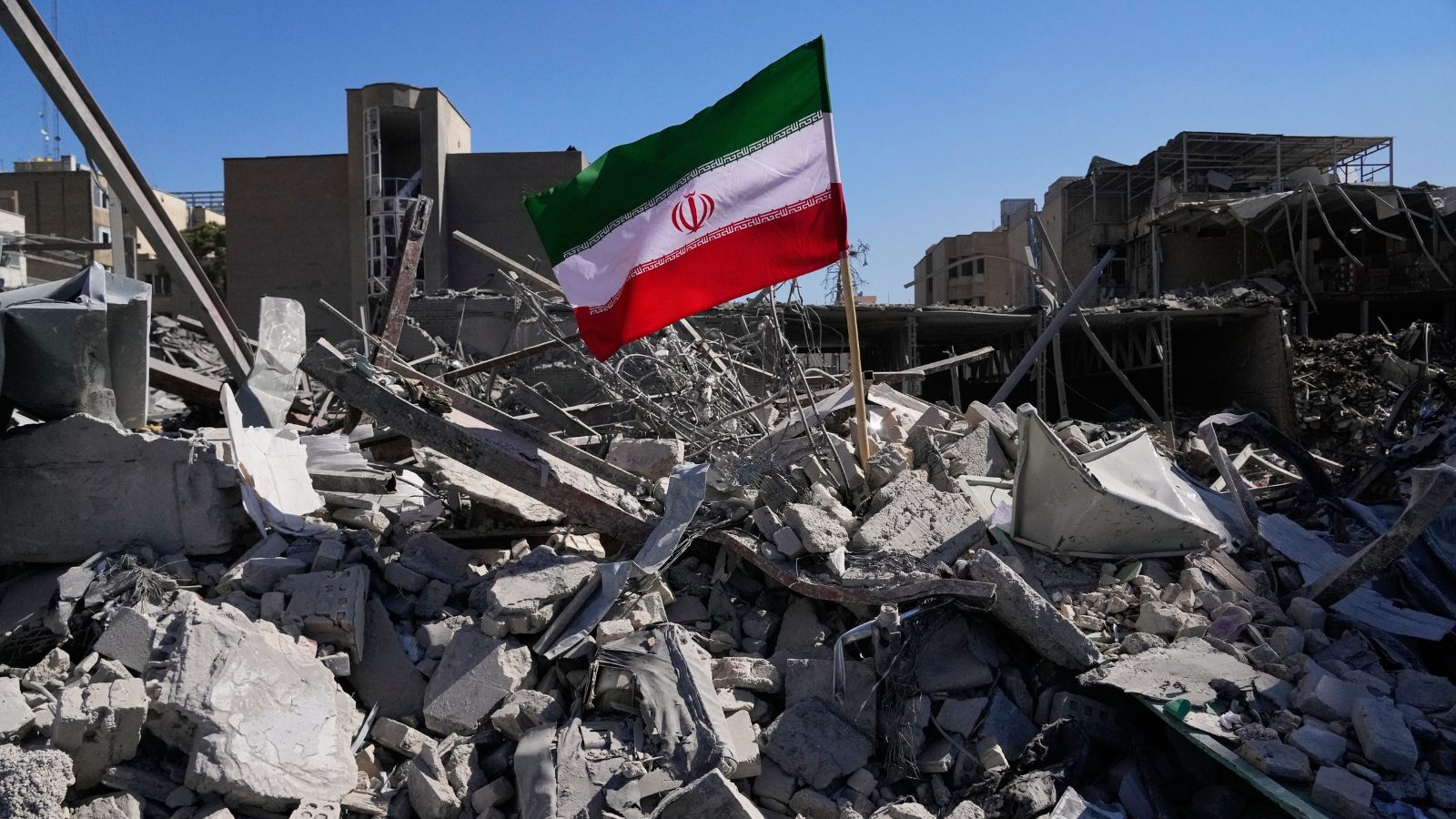
As a Parsi, I wince every time I hear an American on TV pronounce the name of the embattled global flashpoint, the Strait of Hormuz, as if the word ending was a ‘moose’, the horned deer. Hormuz is another title for the Zoroastrian lord of light and knowledge, Ahura Mazda. Parsis are likely to be the most familiar with the correct pronunciation of a name passed on by word of mouth for generations since the Zoroastrians’ arrival in India in the 8th century. Hormuz is a common Parsi first name and appears frequently in Zoroastrian prayers. It predates the Arab invasion of Persia in the 7th century and is of middle Persian or Pahlavi origin, the liturgical language of the Zoroastrian scriptures. The present generation in Iran appears unaware that the spelling originally ended with a ‘d’ and should be correctly pronounced “Hormazd’’ or “Ohrmazd”.
Delhi BJP leader Vijay Goel does a disservice to his recently released biography of Atal Bihari Vajpayee by terming it a “coffee table book”. Goel, who had a 50-year-long relationship with Vajpayee, has sifted painstakingly through photographic archives to compile a pictorial chronology of Vajpayee’s life to accompany his text of the late prime minister’s biography. And the camera does not lie. The fiery orator who could magnetise crowds with his words was surprisingly deadpan in displaying emotion while interacting directly with people and usually avoided eye contact. In fact, Vajpayee’s face often displays more animation while speaking to Opposition leaders than to his own party colleagues.