

India’s rise demands a seat at the UNSC
Beyond material capabilities, India’s normative and functional contribution to international peace and security is noteworthy
Also by Ankit K
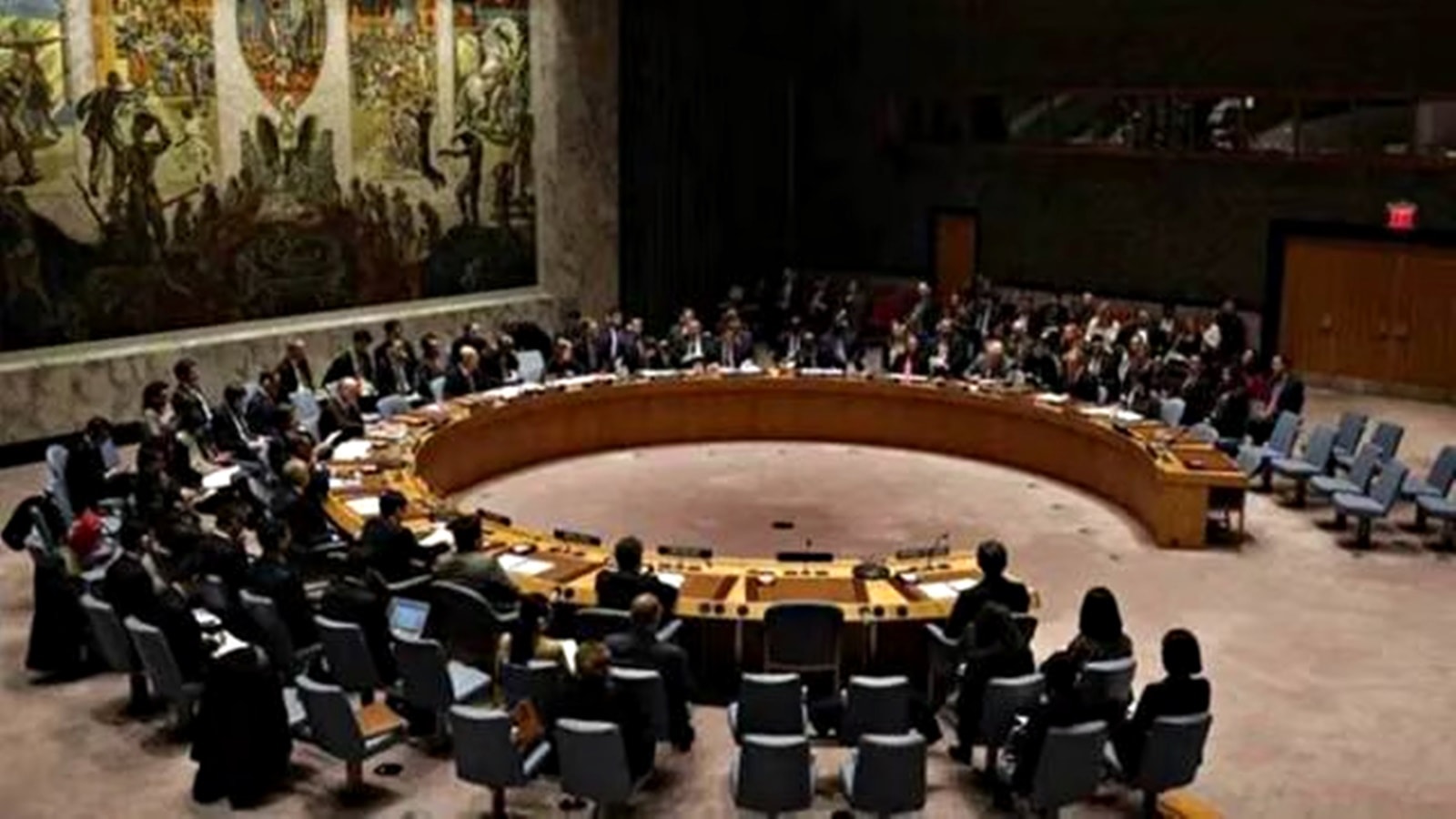
India’s permanent membership of the UN Security Council is no longer a question of aspiration. It has become a test of whether the world can adapt to the current geopolitical flux. Since World War II, the world has fundamentally changed, overseen by an institution that largely has not. India, as the world’s largest democracy, represents one-sixth of its total population. Recognising its rightful place will ensure the UNSC’s credibility in addressing global challenges.
India ranks among the top three in purchasing power parity, with estimates placing its 2026 GDP PPP above $20 trillion. It influences global trade flows, technology supply chains, energy markets, and developmental finance. India’s armed forces are among the world’s largest, and it is among the top defence spenders, with its 2026 defence budget reaching a record $86 billion. India is currently among the few countries with a credible nuclear triad, yet its strategic culture has remained oriented toward deterrence and stability, rather than revising the international order.
Beyond material capabilities, India’s normative and functional contribution to international peace and security is noteworthy. Its troop contribution has been one of the largest since 1948, despite suffering one of the highest numbers of fatalities among UN peacekeeping contributors. This reflects India’s commitment to multilateralism and its willingness to support UN mandates at all costs.
On several crucial international agendas, India is one of the major stakeholders, shaping outcomes in energy transitions, green finance, and technological innovation. Cutting across the North-South divide, India demonstrated its leadership in the International Solar Alliance and the recent G20 presidency under the theme “Vasudhaiva Kutumbakam”. It is emerging as a hub in technology governance. On maritime security, its role in the Indian Ocean shows a strong commitment to freedom of navigation and adherence to the UN Convention on the Law of the Sea and its institutions, such as the International Tribunal for the Law of the Sea.
Equitable representation is one of the most important challenges the UNSC faces. Despite Asia accounting for 60 per cent of the world’s population, only one Asian state holds a permanent seat. UNSC expansion can also address challenges that directly affect Asian countries but often receive inadequate attention, while preventing the pursuit of any single country’s narrow agenda. The G4 initiative, by India, Japan, Brazil and Germany, aims at increasing UNSC membership, with six new permanent seats, including two each for Asia and Africa.
Since permanent membership comes with veto power, restricting it to only five countries has resulted in structural and functional challenges. In the 1960s, the UNSC expanded the number of non-permanent members to 10 without making any changes to the P5. Thus, the influence of the permanent members increased over time. The growing practice of consensus-based decision-making has given rise to de facto vetoes. Outcomes such as presidential and press statements, or the decisions of sanctions committees, require unanimity, allowing any member, permanent or elected, to block or delay action. As the Council expands, achieving consensus becomes more difficult, thereby increasing opportunities for individual states to exercise this informal veto in pursuit of narrow national interests. Equitable reform requires expanding permanent membership with veto power to ensure fair representation.
A permanent seat for India at the Council would strengthen stability in Asia and beyond. It would closely align the institution with changing geopolitical realities and establish the legitimacy of its decisions, offering the UNSC a chance to revamp itself. The India of today, envisioned as vishwamitra, is well-positioned to address the evolving challenges of the UNSC.
Patel is V-C of Rashtriya Raksha University, and a member of National Security Advisory Board and UN International Law Commission. Ankit K is assistant professor at Rashtriya Raksha University