

India’s economic story is one of transition. Challenges exist, but so do strengths
India’s own FDI experience does not support the claim that the revised BIT framework has weakened investor confidence. FDI inflows have remained robust even after the 2015 restructuring of India’s BIT regime and the subsequent decline in the number of BITs in force
In two recent articles, Surjit Bhalla argues that the weakening of reforms, declining investor confidence, and the revised BIT framework signal a loss of economic momentum. While the concerns raised deserve attention, the conclusions drawn are neither fully supported by evidence nor reflective of the broader economic reality.
First, any analysis of economic performance must account for global shocks. When crisis years are excluded, India’s average GDP growth during 2005-2014 stands at approximately 7.2 per cent, compared to nearly 7.4 per cent during 2014-2024, achieved despite Covid-19, supply-chain disruptions, geopolitical conflicts, and tightening global financial conditions. The evidence suggests considerable resilience in India’s growth trajectory despite far more adverse external conditions.
Second, the assumption that BITs are the primary drivers of FDI is not supported by global evidence. A major 2014 UNCTAD study covering 146 economies over 27 years found no conclusive evidence that BITs significantly increase bilateral FDI inflows.
Third, investment decisions are shaped by larger factors. The G20 Investment Report (2020) found that investor protection ranked only 10th among decision-influencing factors. Political stability, market size, infrastructure quality, and long-term growth prospects remain the principal determinants. India continues to hold strong advantages across these dimensions.
Fourth, India’s own FDI experience does not support the claim that the revised BIT framework has weakened investor confidence. FDI inflows have remained robust even after the 2015 restructuring of India’s BIT regime and the subsequent decline in the number of BITs in force. Gross FDI inflows were around $95 billion in 2025–26. If BIT protections alone determined investment decisions, such sustained inflows would have been difficult to explain. While net FDI is desirable from a balance of payments perspective, a lower number should not automatically be interpreted as evidence of weakening investor confidence. As economies mature and integrate with global markets, profit repatriation by foreign firms and overseas investments by domestic companies naturally increase. Consequently, lower net FDI figures do not establish that investors have lost confidence in India. India’s BIT reforms should therefore be viewed not as a retreat from reform, but as an effort to balance investor rights with the state’s legitimate regulatory interests.
Fifth, international comparison overlooks certain realities. Brazil historically refrained from ratifying traditional BITs containing Investor-State Dispute Settlement (ISDS) provisions yet consistently remained among Latin America’s largest FDI destinations. South Africa, Indonesia, Ecuador, and Bolivia also revisited or terminated investment treaties over concerns about sovereign policy flexibility. Long-term investment confidence is shaped by economic fundamentals, not arbitration clauses alone. India’s approach reflects a wider global reassessment rather than an isolated deviation.
Sixth, investors are only required to first pursue domestic legal remedies for a specified period before bringing an international claim against the sovereign state. This requirement reflects the well-established principle in customary international law. Arbitration under India’s Model BIT remains international in character, conducted before neutral arbitral tribunals, not Indian domestic courts.
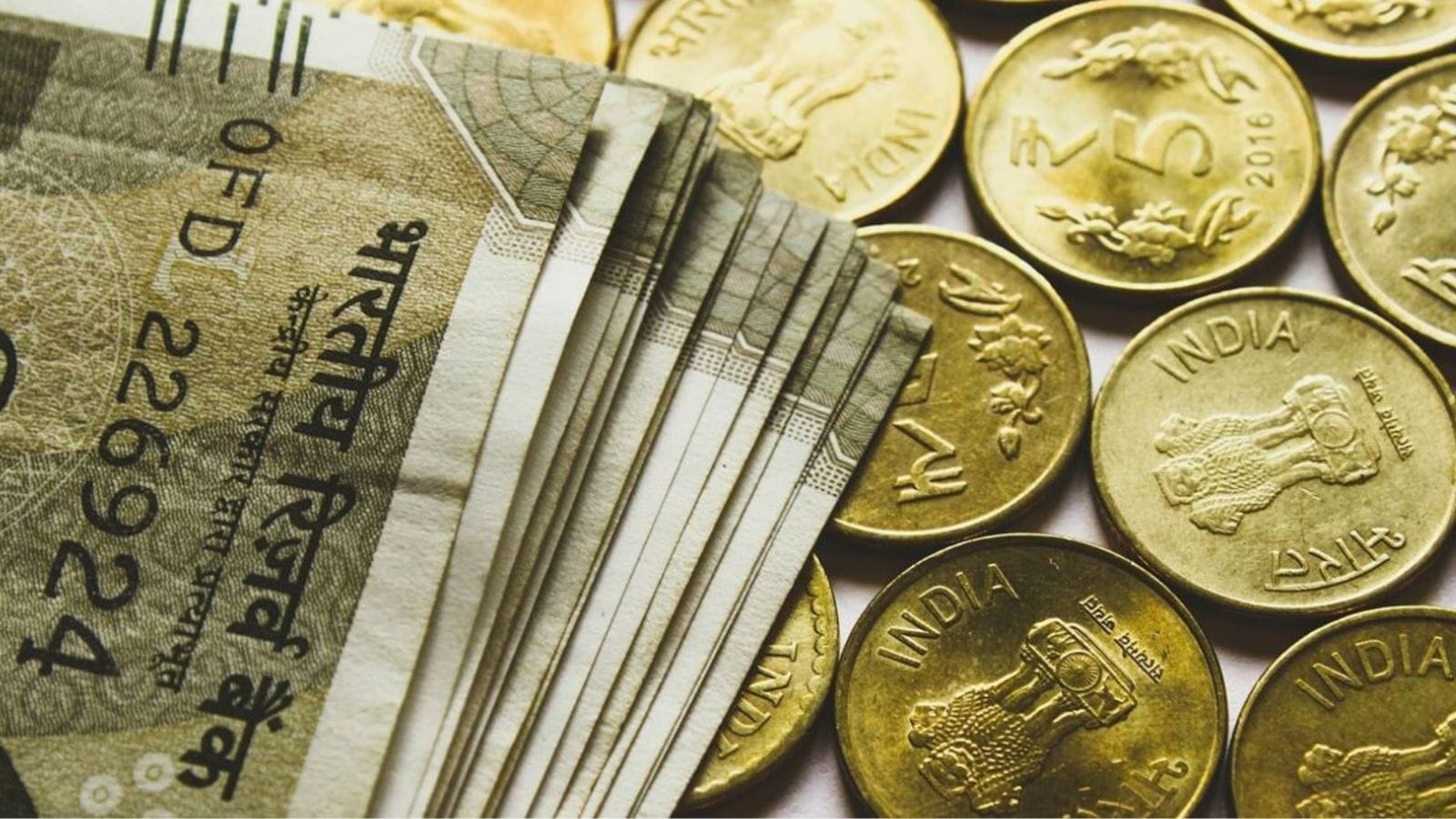
Seventh, concerns regarding the rupee must be viewed through the lens of macroeconomic fundamentals. It has depreciated by 10.6 per cent in FY26 – a much sharper move than what the broad dollar strength alone can explain. However, context matters. The current account deficit is expected to remain manageable at around 2 per cent of GDP in FY27 and the RBI holds substantial foreign exchange reserves. Importantly, despite cumulative RBI foreign currency sales of around $53 billion in FY26, India’s forex reserves were at $682 billion by April 2026, providing import cover for nearly 11 months. Recent steps taken are also positive for the rupee.
We must strongly resist the flawed narrative that the rupee’s depreciation is the delayed consequence of RBI’s earlier exchange rate management of holding it back. That is not supported by data. Periods of rupee depreciation have been accompanied by reserve depletion as the RBI intervened to defend the currency. It is remarkable that over a period of nearly 25 years, the average annual depreciation of the rupee has been similar across episodes. This is indeed exchange rate management of the highest order by the RBI.
Pandering to the whims of markets allows market players to dictate terms to the central bank by taking positions for their own benefit. The argument about the rupee being a shock absorber is the easiest way of allowing a limitless fall in the value of the currency, completely delinked from macro fundamentals.
India’s economic story is one of transition. Challenges exist, but so do strengths. Public debate on economic policy must remain grounded in evidence.
The writer is member, PMEAC, member 16th Finance Commission and Group Chief Economic Advisor, State Bank of India. Views are personal