

India-New Zealand FTA: Shielding trade from great power rivalry
Bilateral pacts like the one signed this week function as strategic shock absorbers
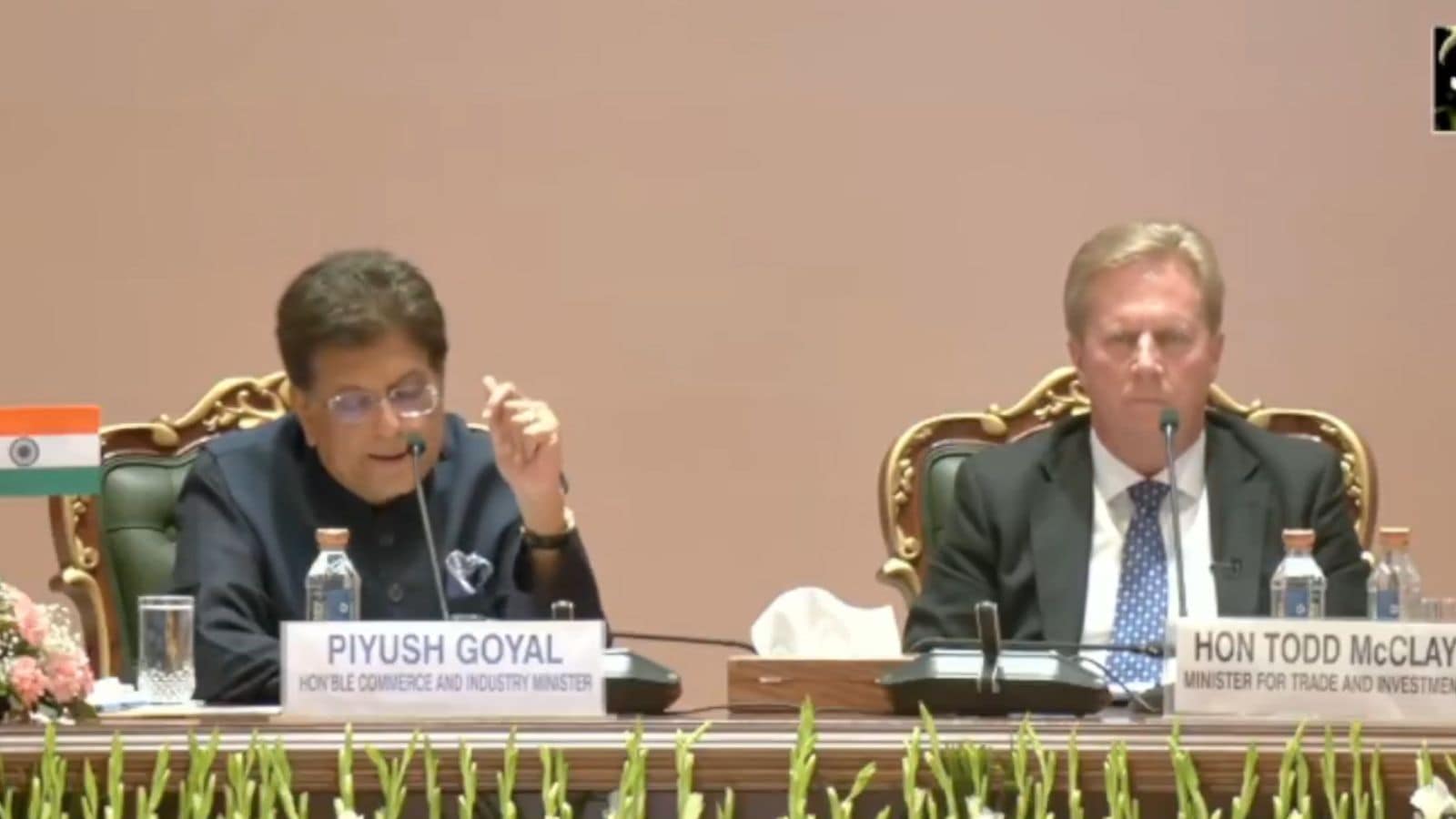
The India-New Zealand FTA signed this week is the engineering of a defensive architecture against a fragmenting global order. As Minister Piyush Goyal officially noted, the treaty “marks a defining milestone in India’s engagement with the developed world.” It marks a definitive evolution in New Delhi’s economic statecraft. Anchored by a binding $20 billion FDI commitment over the next 15 years, this capital mandate indicates that India is fundamentally rewriting its terms of global integration. It is abandoning the traditional liberal trade consensus, which prioritised the reciprocal reduction of tariffs for marginal export gains, in favour of a highly calculated, defensive economic posture.
India is utilising its primary geopolitical asset: Its massive demographic scale and domestic demand. Rather than yielding market access merely to consume imported goods, New Delhi is treating this access as a sovereign premium. The explicit demand for long-term capital infusion demonstrates a strategy aimed not just at participating in global value chains, but at forcing the relocation of capital, technology, and industrial capacity to Indian territory.
This insistence on capital localisation clarifies India’s broader geopolitical trajectory over the past several years. When New Delhi formally withdrew from the Regional Comprehensive Economic Partnership (RCEP), the decision was widely, and incorrectly, categorised by Western analysts as a retreat into protectionism. The withdrawal from RCEP was a deliberate rejection of an architecture that carried the threat of asymmetric industrial dumping from state-subsidised manufacturing hubs. Sprawling, multilateral mega-blocs often enforce a hierarchical dependency on a single regional hegemon. India, however, is systematically constructing a network of bilateral agreements across the Indo-Pacific, designed to bypass adversarial industrial overcapacity while locking in resilient partnerships with trusted nodes.
Historically reliant on Beijing to absorb the vast majority of its agricultural and forestry exports, New Zealand currently faces extreme export overexposure to a single dominant market. This vulnerability necessitates an urgent diversification of its economic dependencies. India, conversely, requires deep integration into Indo-Pacific value chains to fuel its industrial transition. But it must do so without succumbing to the asymmetric technological or economic dominance dictated by either Washington or Beijing.
Rather than relying on vertical relationships with superpowers, middle and rising powers are altering their trade geometries. They are linking their economies to create alternative pathways for capital and goods. These bilateral pacts function as strategic shock absorbers. They provide insulation against the volatility of great power competition while securing the specific technological and financial inputs required for domestic growth.
Further, India’s success in securing this massive FDI commitment while simultaneously shielding its highly sensitive agricultural and dairy sectors reflects a mature foreign policy. The rules of trade today are dictated by leverage rather than multilateral goodwill. India is utilising the geopolitical anxieties of the Global North and the necessity of supply chain diversification to dictate terms that protect its domestic political economy while funding its industrial base. Sovereignty in the 21st century requires shaping the topology of the global economy, rather than merely reacting to it.
The writer is assistant professor, JNU