

India needs to snap out of agricultural subsidy spiral
Narendra Modi’s political success cannot mask the economic reality that the Indian debt and foreign exchange position will not allow for endless subsidies
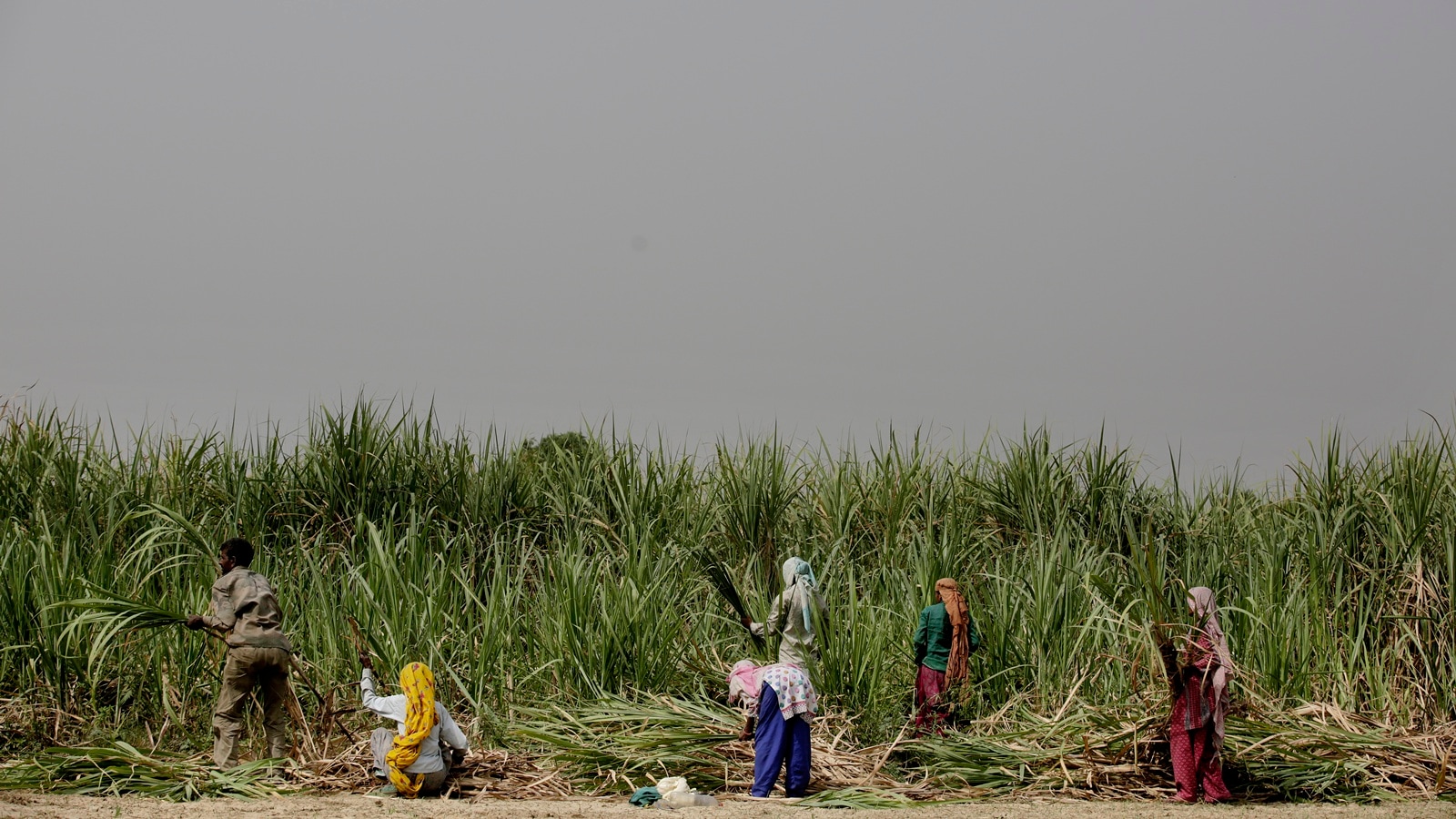
Mandi Sadiq Gunj is a village in the Bahawalnagar district of Pakistan’s Punjab province, where farmers are sowing cotton now. There, struggling farmers must shell out PKR 4,500 for a 50 kg bag of urea and PKR 417 per litre for diesel. One could hardly blame them if they looked across the border and wished they were farming in Modi’s India instead. Just a few kilometres away in Maujgarh — a village on the Indian side of Punjab — my own son farms under a completely different economic reality.
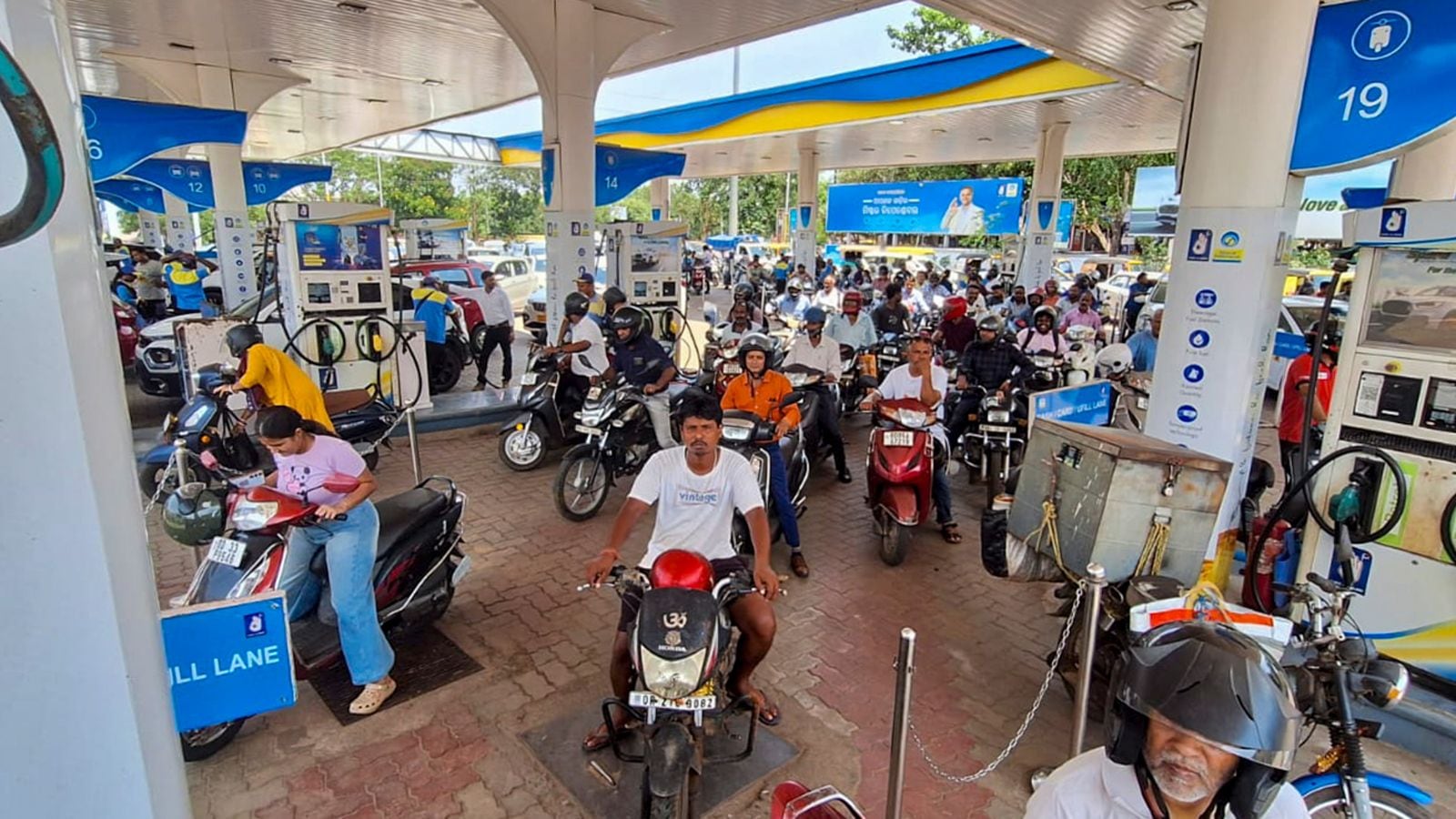
He pays just Rs 266.50 for a 45 kg bag of urea and Rs 90.94 per litre for diesel. After adjusting for currency exchange rates, Pakistani farmers are paying a staggering 5.8 times more for urea and 1.5 times more for diesel than their Indian counterparts. This glaring disparity stands as a powerful testament to the strength and necessity of India’s farmer support systems.
In months, since the war began in the Middle East, the Indian rupee has depreciated by 5 per cent, crude has risen by 40 per cent and the price of urea has doubled. Probably, India is the only country in the world where retail agricultural input prices have remained constant, and there is no shortfall. This week, the government announced an additional hike in the minimum support prices of kharif crops.
The quantum of subsidy going forward is beyond belief and logic. A farmer pays Rs 266.50 and Rs 1,350.00 for a bag of urea and DAP (diammonium phosphate). Since the beginning of the conflict, this will entail a subsidy component of Rs 4,229 and Rs 3,578 per bag. A typical green revolution farmer growing wheat and paddy uses about eight bags of urea and three bags of DAP per acre. The subsidy works out to Rs 44,000 per acre. For a small Indian agricultural household cultivating 2.5 acres, the fertiliser subsidy would amount to a mind-boggling Rs 1,10,000. The measly Rs 6,000 of PM Kisan, the monthly cash transfer of Rs 1,000 to women (in many states) and the value of free electricity, pale in comparison.
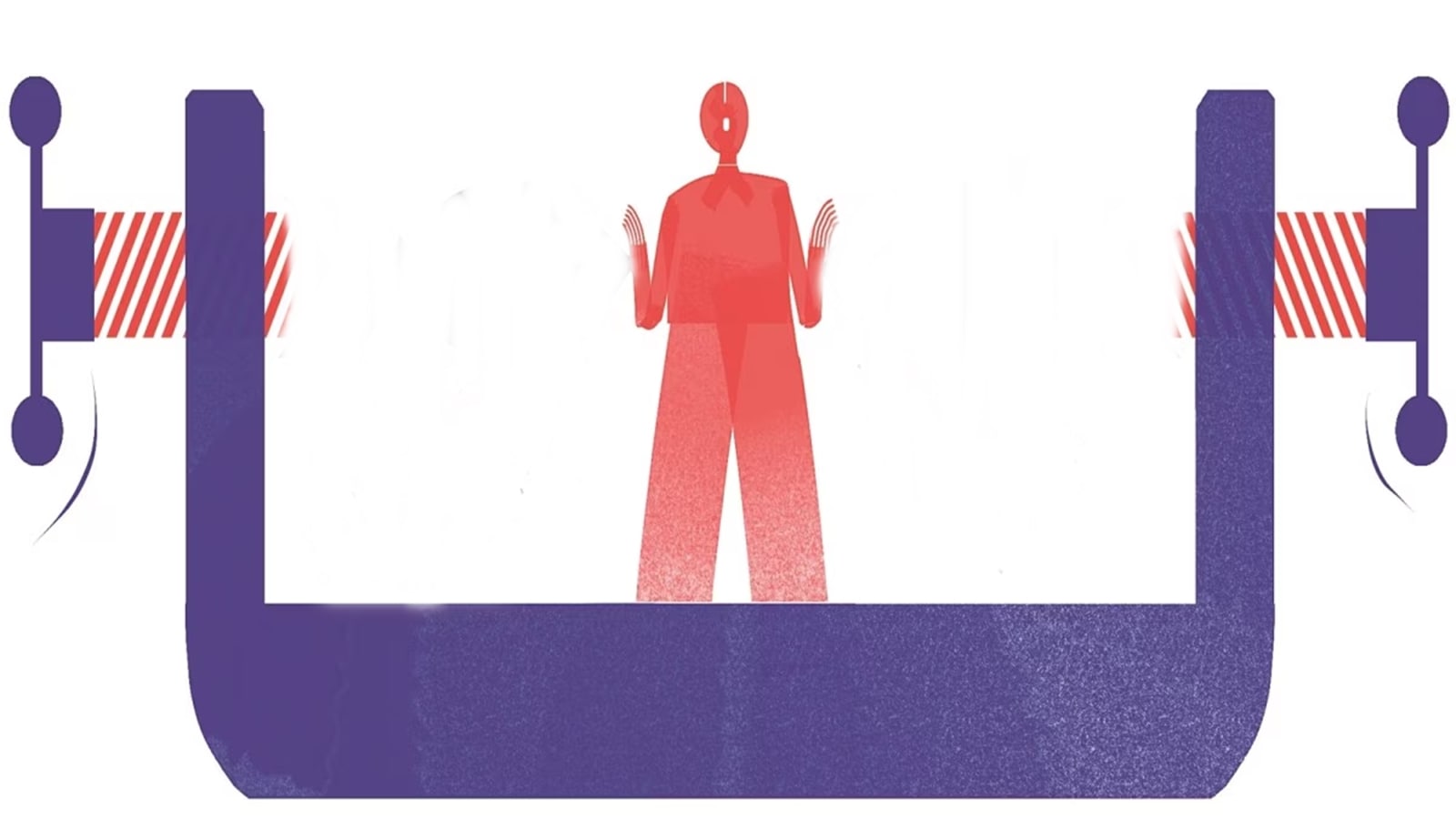
Yet, subsidy is only part of the story. Modi’s political success cannot mask the economic reality that the Indian debt and foreign exchange position will not allow for endless subsidies. India’s whole could end up being less than the sum of its parts. The issue for the BJP is not that deliverism is failing. Instead of tracking actual ground sentiment, the BJP has internalised a narrative of widespread farmer resistance to reforms. This fear has forced the government to put agricultural reforms on the back burner. But if it is ready to subsidise farmers to this large an extent, it opens the door to go back to the drawing board — and not be inhibited by tunnel vision of a legal MSP, or of repurposing subsidies, or the idea of cash transfers to replace subsidies, but instead prioritise environment and livelihoods; and where reforms and transition entail manageable political fallout.
Lack of conviction in their own delivery makes risk-aversion rife among political parties and the government. Thus, the Indian economy faces a “paradox of risk” — in seeking to avoid risks, we amplify challenges and miss out on reforms. No piece of legislation can fix the problem. Whatever ability India had is vanishing with the politics of populism, regionalism, nationalism and misgovernance across states. The best possible outcome is that things don’t get any worse.
There is a lack of fiscal seriousness across much of India’s political class. It’s not that they don’t understand how subsidies hamper development and incentives generate growth. They rank their core objectives in a fundamentally different order. Political parties like the Congress, TMC, SP or AAP prioritise their own leaders, while for the RSS, BJP and Modi himself, the party takes precedence. Unlike the rest, because the BJP is playing the long game, there is a higher probability of major agricultural reforms. We are only beginning to grasp what lies ahead and the PM’s recent appeal for austerity and quiet admission of dependence points to something deeper. There is so much more than just inflation to worry about.
The writer is chairman, Bharat Krishak Samaj