

India must not wait for the next Hormuz crisis
The reopening will lower prices and restore supplies, but depleted inventories, replacement contracts, and delayed inflation pass-through will persist. Broader sourcing from Russia, the Americas and Africa can reduce dependence on any single route
By Arya Roy Bardhan
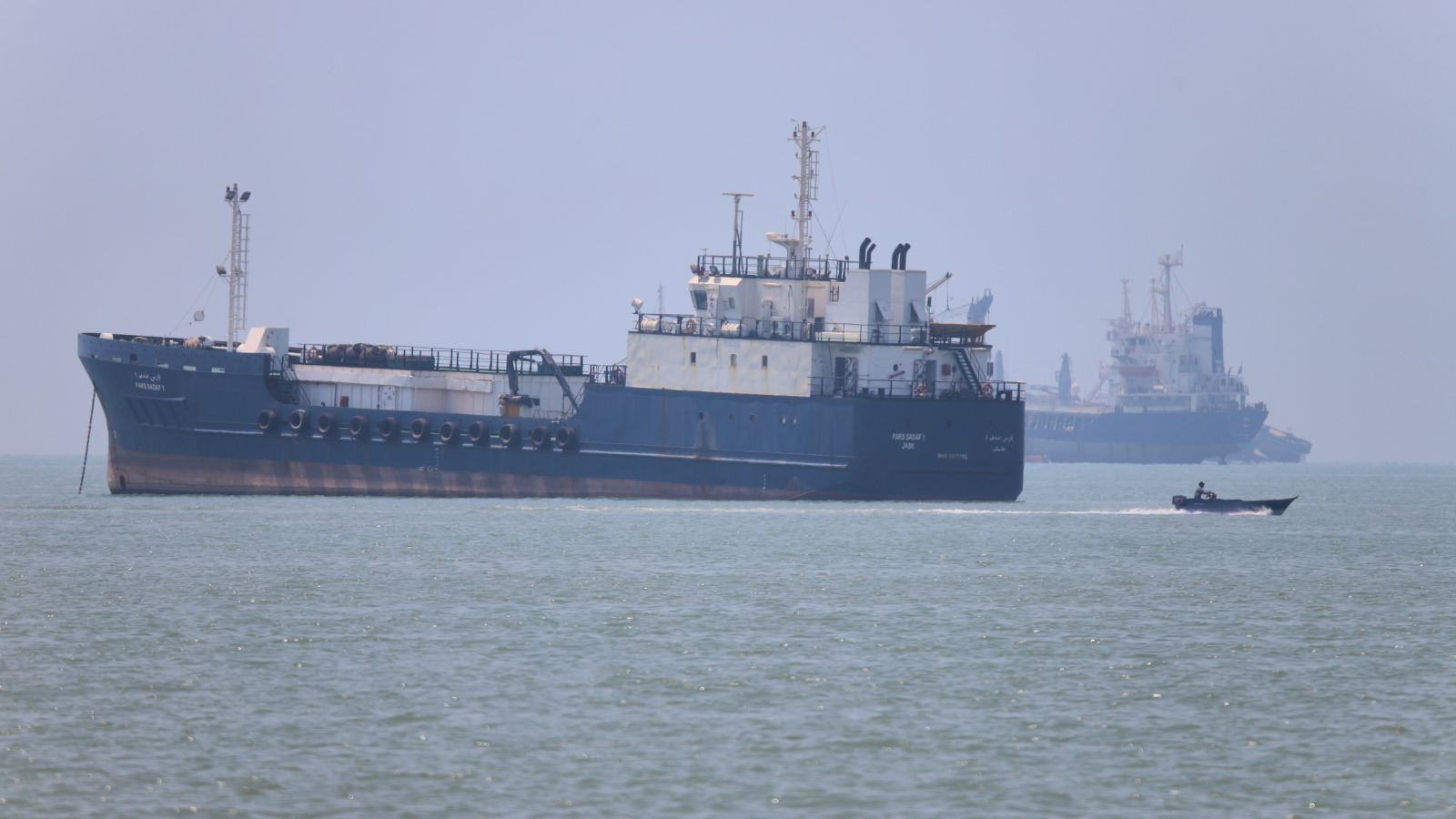
Iran’s closure of the Strait of Hormuz disrupted a route carrying roughly one-fifth of global oil supplies. Between February 27 and its March 31 peak, Brent crude surged 63.3 per cent. Global natural-gas futures rose as much as 16.7 per cent, wheat 12.9 per cent, sugar 11 per cent, corn 8.7 per cent, and soybeans 5 per cent, delineating the repercussions of upstream shocks. India was particularly exposed. It imports more than 88 per cent of its crude oil requirements. After Donald Trump and Iran confirmed the MoU to halt the war on all fronts, Brent prices hit a three-month low.
India’s dependence on the Strait of Hormuz was uneven yet extensive. Before the war, around 40 per cent of crude imports passed through it. The exposure was greater for gas. India imports approximately 60 per cent of the LPG it consumes, with 90 per cent of those imports travelling through Hormuz. So, over half of domestic consumption was stuck at the chokepoint. Similarly, Hormuz accounted for around 55-60 per cent of India’s LNG imports, on which several fertiliser plants, city-gas networks and industrial consumers depend.
The blockade, therefore, created both a price shock and a supply shock. India’s crude imports fell 13 per cent between February and March, while crude inventories declined about 15 per cent after the war began. April crude-import volumes were 4.3 per cent lower year-on-year, but the amount paid for them surged 52.3 per cent. This captures the peculiar burden of an oil shock that leads to stagflation.
Gas supplies proved harder to replace. LPG imports fell to nearly half their February level, while domestic LPG production declined around 10 per cent from its March peak. LNG imports contracted 29.6 per cent year-on-year in April. Qatar, which had supplied India with an average of 1 million tonnes of LNG each month in 2025, supplied virtually nothing during March and April. Substitution required longer routes and higher procurement costs.
These disruptions quickly entered the domestic economy. April wholesale inflation rose to 8.3 per cent, with fuel-and-power inflation reaching 24.7 per cent and crude-petroleum inflation 88.1 per cent. The merchandise trade deficit widened from $20.7 billion in March to $28.38 billion in April. Consumer inflation remained relatively contained because retail petrol and diesel prices did not fully reflect the increase in crude costs. This insulation, however, transferred part of the burden from consumers to oil-marketing companies and the government.
The rupee weakened from roughly Rs 91 per dollar immediately before the war to a record low near Rs 97. Foreign-exchange reserves declined from a record $728.5 billion on February 27 to $681.6 billion by June 5, that is, a 6.4 per cent depletion. The crisis confronted the RBI with an uncomfortable policy trilemma. Raising interest rates to contain imported inflation would have weakened domestic demand and jeopardised India’s strong growth momentum. Defending the rupee through sustained dollar sales would have depleted foreign-exchange reserves. Yet inaction risked allowing higher energy, freight, and input costs to spread across the economy.
A durable reopening of the strait relaxes these constraints. Lower crude prices reduce India’s import bill and inflationary pressures, support the rupee, and give the RBI greater freedom for monetary policy. The episode, however, exposed how quickly a distant maritime disruption can constrain Indian economic policy. The reopening will lower prices and restore supplies, but depleted inventories, replacement contracts, and delayed inflation pass-through will persist. Broader sourcing from Russia, the Americas, and Africa can reduce dependence on any single route. Long-term, adoption of renewable electricity, storage, electric mobility, biofuels, and alternative industrial feedstocks would reduce the economy’s petroleum intensity.
The writer is junior fellow, ORF