

From Vajpayee to Modi: India’s growing influence at the G-7 Summit
A defining feature of India’s new vision towards Europe is the concept of Indo -Mediterranean— an emerging geostrategic framework connecting the Indian Ocean with Europe
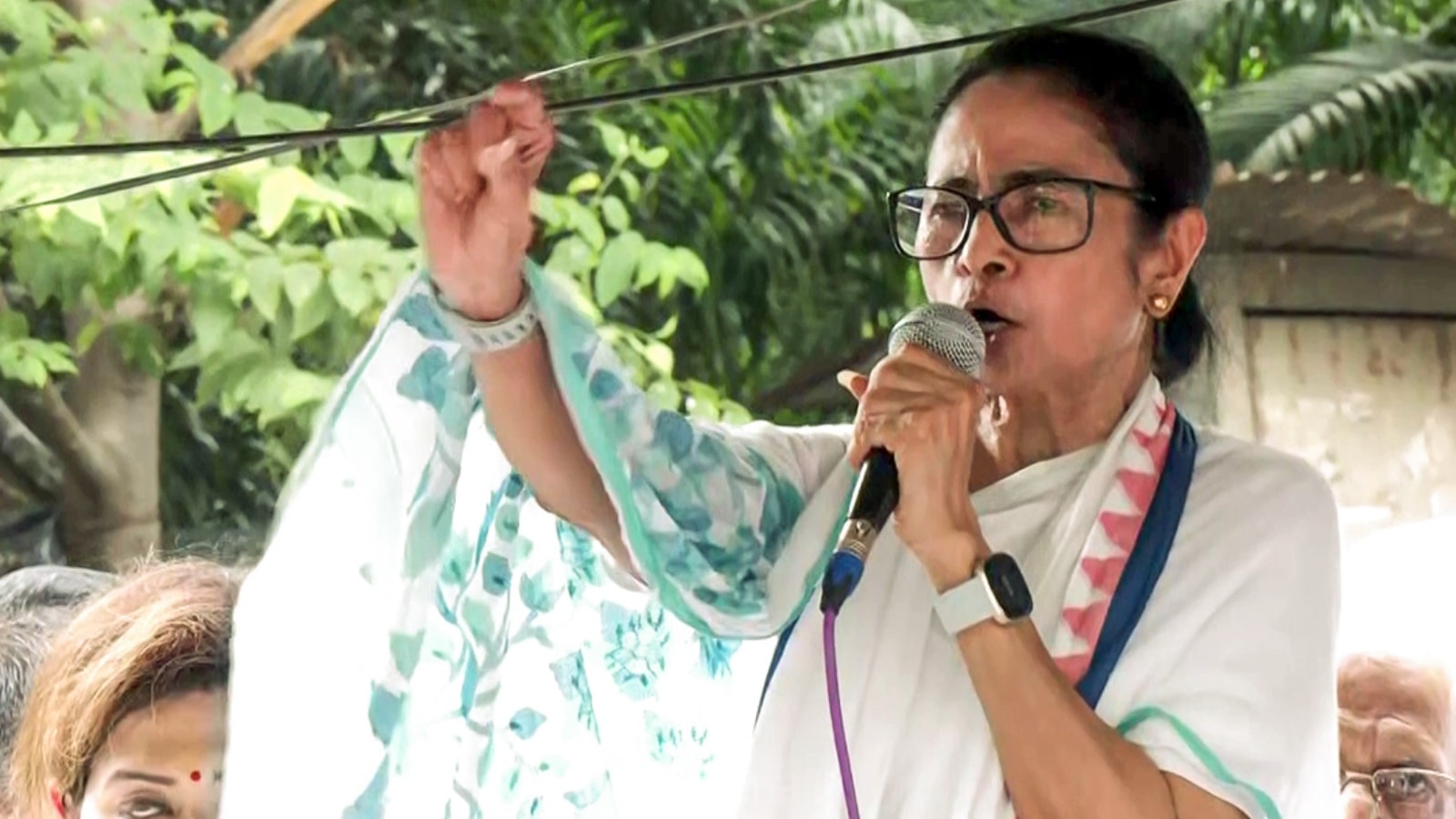
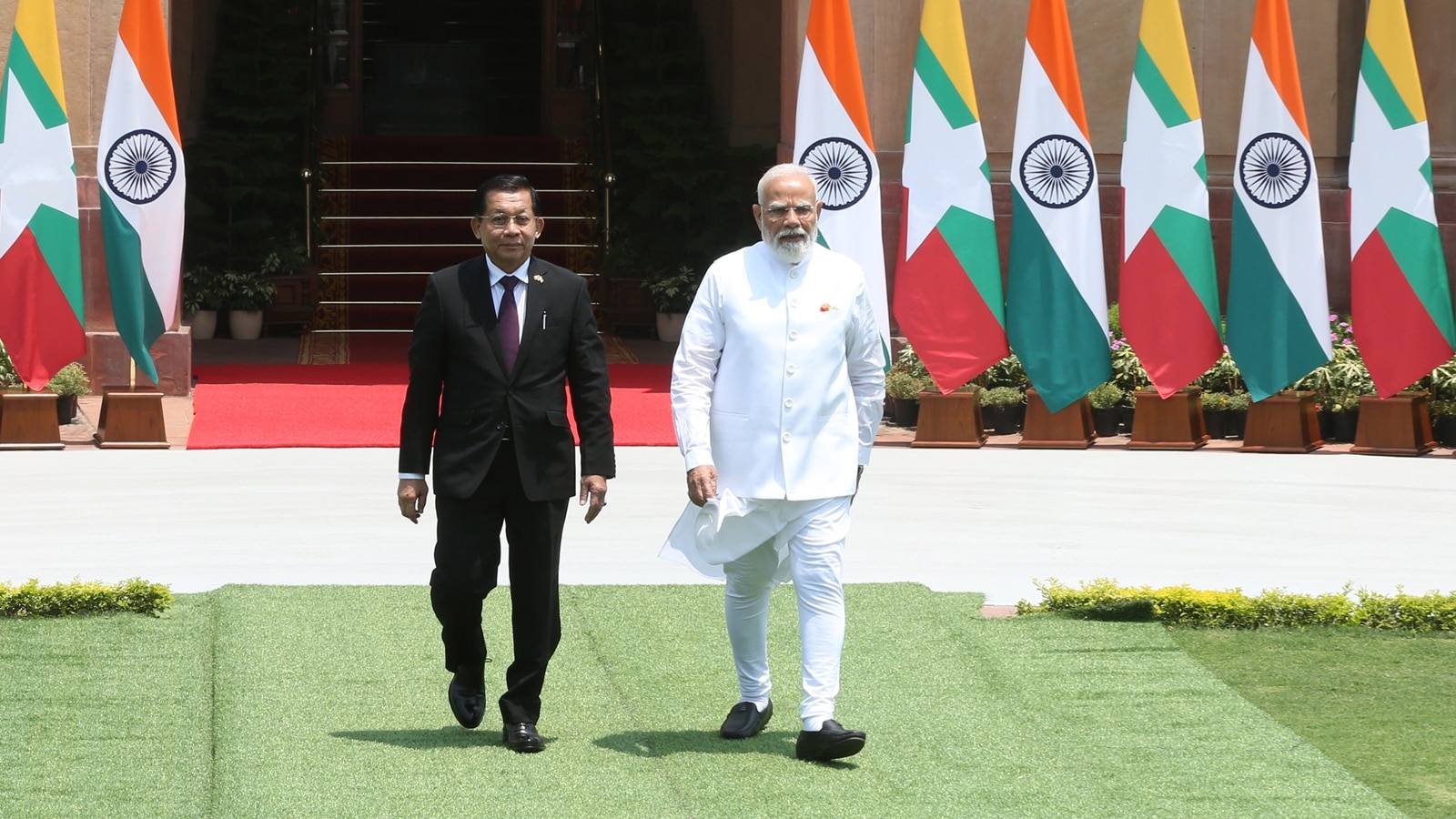
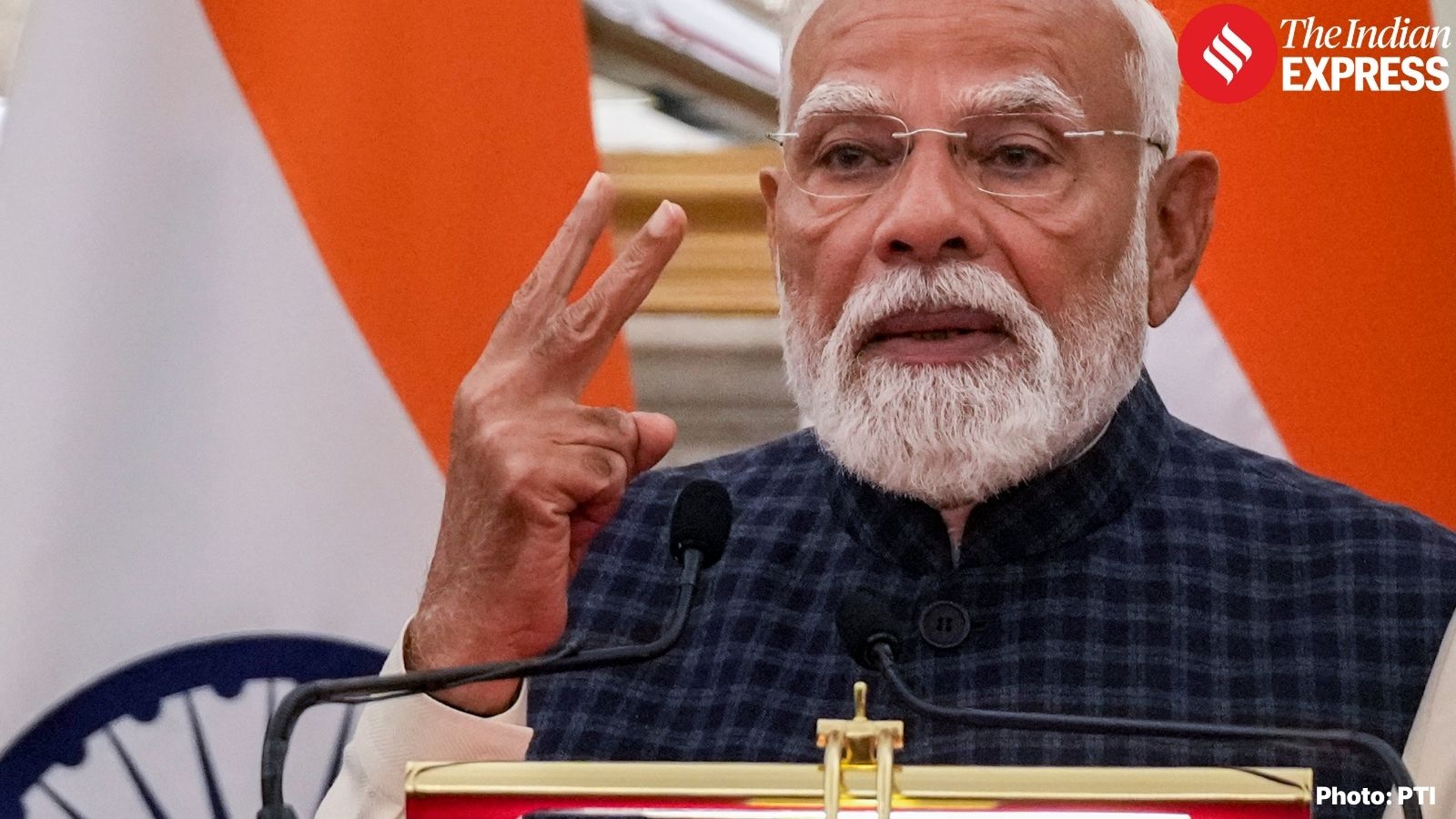
Prime Minister Narendra Modi will be attending the G-7 summit next week in France. India’s association with the grouping began in 2003 — it was G-8 then — when Prime Minister Atal Bihari Vajpayee attended its annual meeting. His successor, Manmohan Singh, was invited to the summit five times between 2005 and 2009. Modi has been attending the summit every year since 2019. India has been invited more than a dozen times to this group of the world’s most industrialised nations, reflecting its growing importance in global affairs.
The US, UK, West Germany, France, Italy, and Japan got together in 1975 to form G-6, which became G-7 a year later, in 1976, with Canada joining it. Russia joined in 1998, transforming it into the G 8, until its expulsion in 2014 following the annexation of Crimea. G-8 was an influential economic power controlling over two-thirds of the global GDP. But in the last two decades, the global economic landscape has transformed significantly. Countries like China, ASEAN nations, and India emerged as new major economies. Meanwhile, the G-7’s share of global GDP has declined to roughly 40 per cent. However, its influence remains, given its leadership in advanced technologies, defence capabilities, green innovation, and cyber and space domains.
For the G-7, India is an increasingly valuable partner. It is a stable democracy as well as a rapidly growing economy. India’s advancements in technology and its large pool of skilled manpower also make it more attractive. Most importantly, under Modi’s leadership, India has emerged as the leading voice of the Global South.
For India, in its plurilateral alignment strategy, the G-7 occupies an important place. India has strategic agreements with all seven G-7 members. Besides the four European powers, the EU’s presence at the summit makes it effectively an Europe-dominated forum.
After being on the backburner for decades, India-Europe relations have gained significant momentum in the past decade, driven by a recalibration of the country’s foreign policy under Modi. India concluded an important free trade agreement with the EU this year. A defining feature of India’s new vision towards Europe is the concept of the Indo-Mediterranean — an emerging geostrategic framework connecting the Indian Ocean with Europe. This vision gained traction in 2023, when India, as G-20 chair, launched the India-Middle East Economic Corridor (IMEC) in the presence of leaders from Saudi Arabia, the UAE, France, Germany, Italy, the EU, and the US.
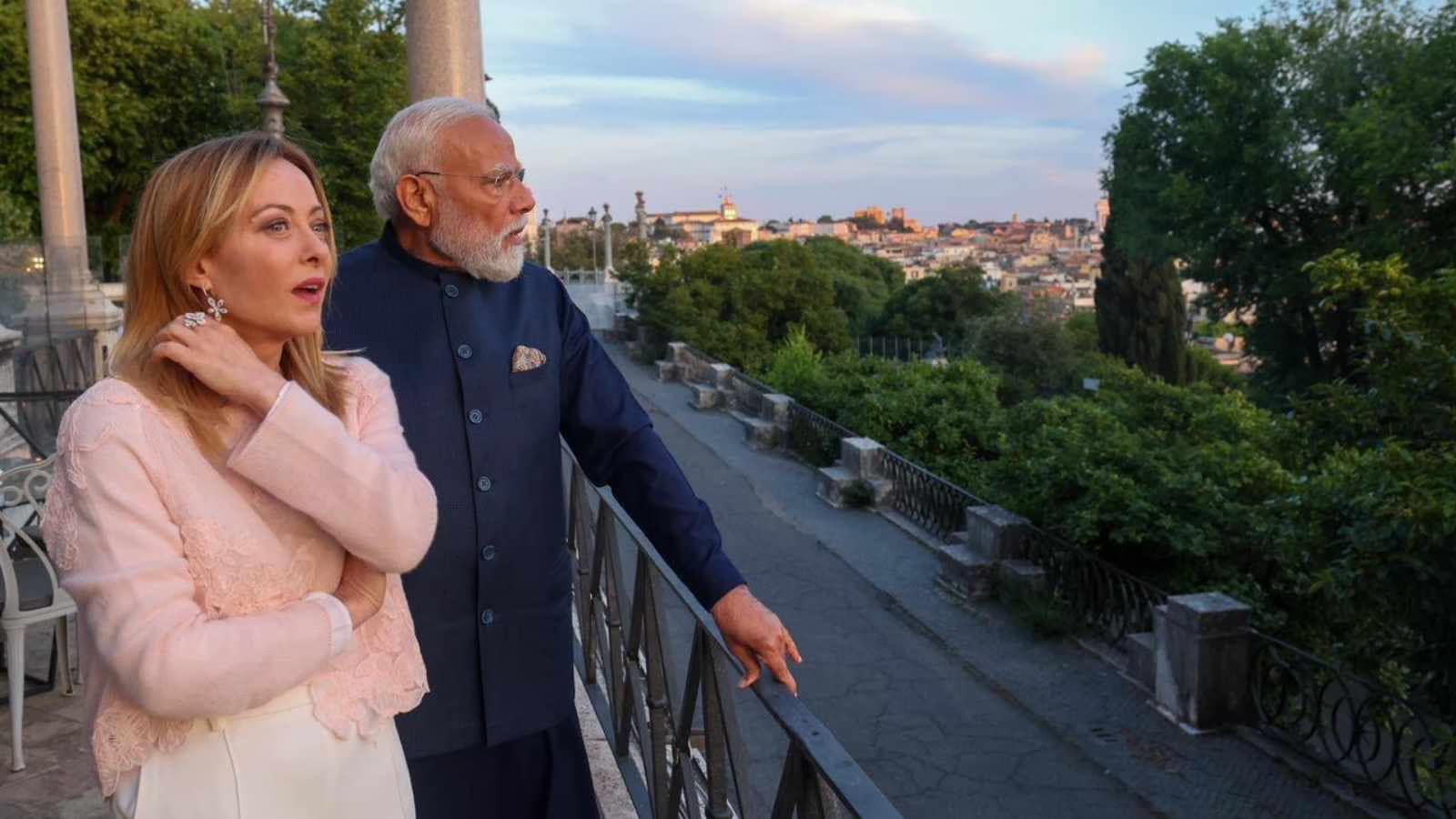
In May this year, during his visit to Rome, Prime Minister Modi, together with his Italian counterpart, Giorgia Meloni, jointly penned an op-ed, exhorting that “we are witnessing the emergence of what might be termed the Indo-Mediterranean, an important corridor for trade, technology, energy, data and ideas, tying the Indian Ocean to Europe”. Historically, India maintained deep commercial and cultural ties with the Mediterranean and Arab worlds, trading in spices, textiles, and precious stones for centuries. The Indo-Mediterranean concept is the 21st century version of this link.
Modi is investing heavily in achieving “atmanirbharta” — self-reliance in deep-tech and other frontier areas. India also needs massive industrialisation to address the growing employment needs of its youth. In realising those targets, Europe, with its capital and technology, plays a significant role. Modi understands this imperative and hence his efforts at engaging with various segments of the European community.
Modi also needs Europe on his side to tackle the restive Middle East. India’s IMEC corridor passes through UAE and Saudi Arabia. The emerging bonhomie among Pakistan, Saudi Arabia, Turkey and Egypt could pose a challenge to that vision.
Modi’s Europe visit, the second to that region in a month’s time, highlights the promise and potential of the Indo-Mediterranean vision. A lot needs to be done to realise it. Unlike the Belt and Road Initiative, singularly spearheaded by China, the Indo-Mediterranean vision has a role for every participating nation. The Indo-Mediterranean vision could eventually give rise to an “Indo Atlantic” strategic space as a western counterpart to the Indo Pacific, redefining global strategic dynamics.
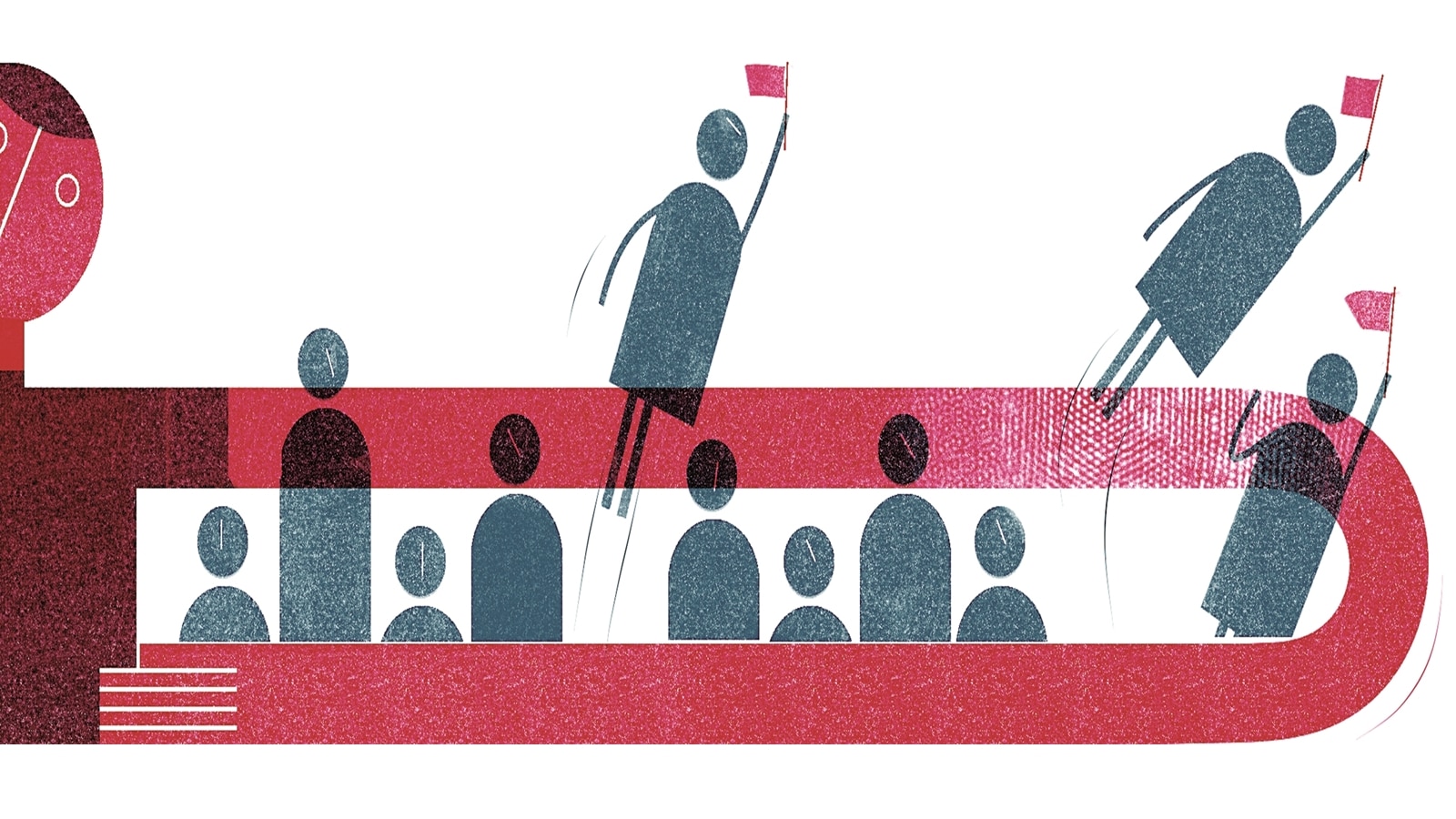
India’s consistent presence at the G-7 is not merely symbolic. It reflects its transformation from being a peripheral participant to a pivotal player in the emerging geopolitics of the world.
The writer, president, India Foundation, is with the BJP