

In Delhi and Dhaka, High Commissions need political heft
Bangladesh still treats New Delhi as a senior civil-service posting. That once made sense. It no longer does.
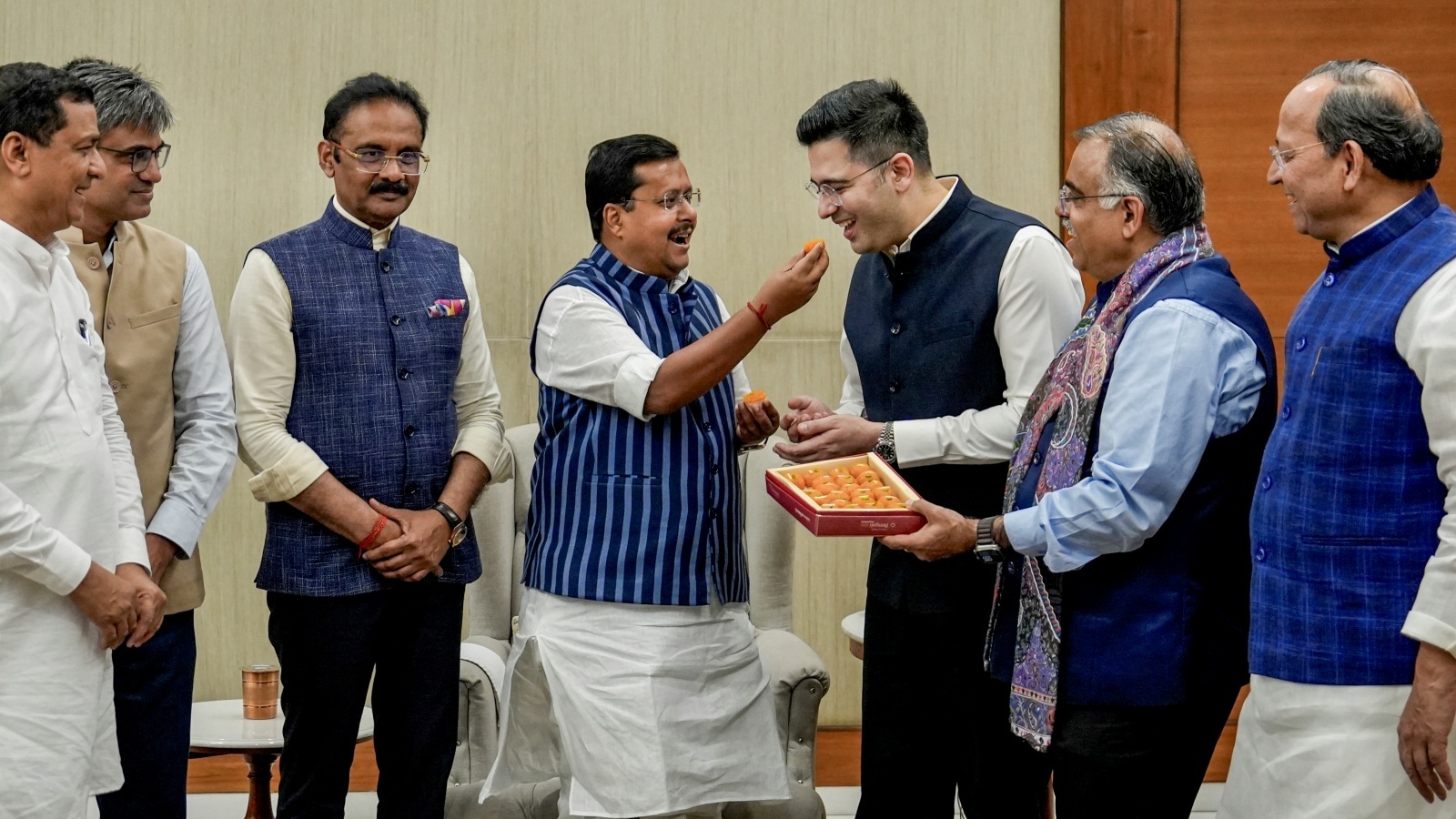
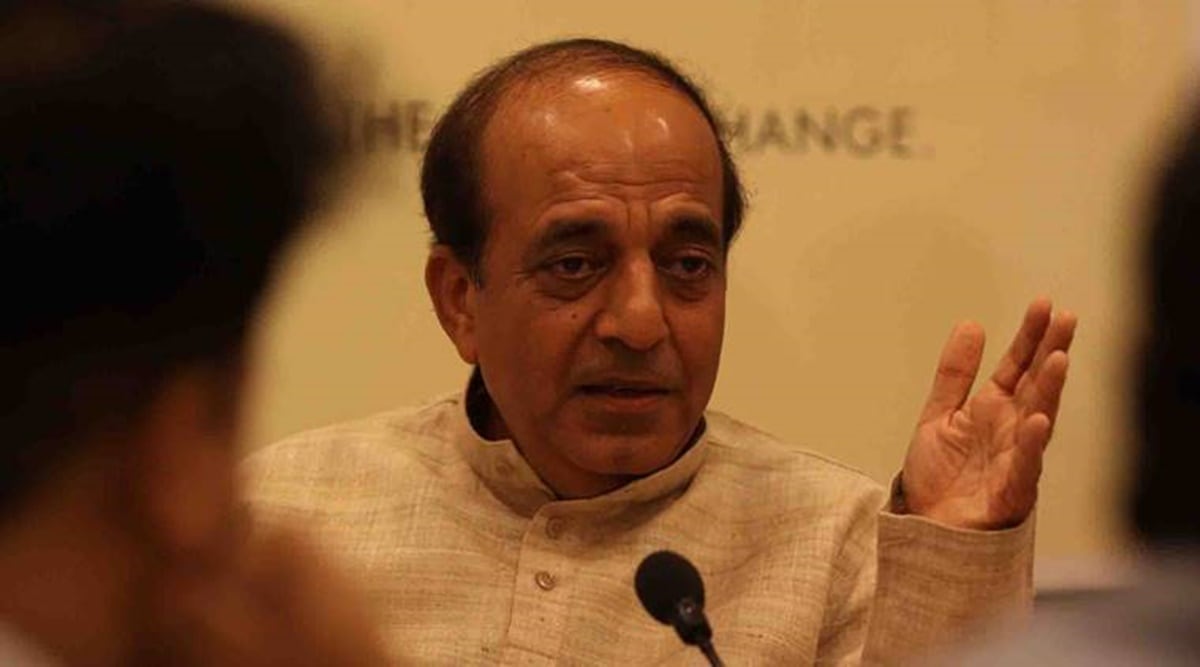
On Tuesday, India formally confirmed the appointment of Dinesh Trivedi, a former Union minister and seasoned parliamentarian as its next High Commissioner to Bangladesh. This is anything but routine staffing — at least, that’s the reading here in Dhaka. New Delhi appears to have decided that relations with Dhaka can no longer be managed by diplomatic process alone. They now require political management. Bangladesh should take the hint and reciprocate.
For years, Dhaka was the preserve of career diplomats: Discreet officials trained to manage a difficult but stable relationship. That settlement has frayed. Trade spats, visa curbs, border killings, water disputes and strategic suspicion now land directly in domestic politics. Public sentiment in both countries is sharper, less patient and more easily inflamed. A bureaucratic note verbale is often no match for a televised grievance.
Bangladesh’s own politics has changed the equation. Since the transition from the Yunus-led interim administration to the Tarique Rahman government, authority is more overtly political and concentrated. Decisions are less likely to emerge from procedural drift and more likely to depend on access, trust and speed. India seems to have noticed.
Trivedi’s value lies in political utility. He knows cabinet systems, party networks and media signalling. He can likely reach people who matter, interpret silences that never appear in official minutes and convey messages with the credibility of someone who has wielded power himself. That is precisely why governments send politicians when stakes rise. India has done this before. In 2001, it sent Mani Shankar Aiyar, a Congress politician and former diplomat, as High Commissioner to Pakistan during a fraught phase in ties. His political standing mattered as much as his diplomatic experience. Pakistan has often replied in kind. Shahryar Khan, later foreign secretary and cricket administrator, was deployed to India with clear political trust from Islamabad. More recently Pakistan appointed Abdul Basit, a politically plugged-in operator, to Delhi at a time when formal ties were brittle.
Elsewhere, the pattern is clearer still. America sent Rahm Emanuel, a former White House chief of staff and cabinet-rank political bruiser, to Japan as ambassador when alliance management, with China in mind, required heft, not just etiquette. It sent Nicholas Burns, a veteran but deeply political insider, to China amid strategic confrontation. Britain named Peter Mandelson, one of Labour’s most formidable political figures, ambassador to Washington this year because diplomacy with America increasingly overlaps with domestic politics on both sides. When relationships become political, serious countries send political people.
Bangladesh still treats New Delhi as a senior civil-service posting. That once made sense. It no longer does. India is Bangladesh’s most consequential bilateral partner — neighbour, largest nearby market, transit corridor, power supplier and unavoidable security actor. No other capital can so quickly affect Bangladesh’s economy or politics. Yet, Dhaka often staffs the post as though continuity were enough.
The old model’s limits were exposed during the interim period, when ties drifted and mistrust deepened. Since the new government took office, both sides speak of reset and pragmatism. Fine words. But the next border death, trade restriction or inflammatory speech will require immediate political repair, not elegant cables.
This is not an argument against diplomats. It is an argument for matching instruments to the moment. Bangladesh’s current envoy M Riaz Hamidullah may be highly competent. Competence is not the issue. Weight is. In Delhi, hierarchy still matters.
A Bangladeshi High Commissioner with state-ministerial rank, direct access to the prime minister Tarique Rahman and authority to settle problems quickly would command more attention in South Block, in party headquarters and in the security establishment. It would also help at home. Bangladesh’s mission in India is its busiest and largest abroad, handling politics, trade, visas, defence contacts and relations with Indian states. Such large outposts easily become siloed. A politically empowered chief could impose priorities and force decisions.
There is also an asymmetry to consider. If India sends a politician with access to Dhaka’s top table while Bangladesh sends a career envoy dependent on bureaucratic appointments, the channels are unequal before talks even begin. Reciprocity would not erase the power gap between the two countries. It would at least stop widening it voluntarily.
Dhaka need not dispatch a partisan loudhailer. It needs someone trusted, discreet and consequential: a former minister, senior politician or respected national figure with cabinet rank and direct authority. The purpose would be leverage, not spectacle.
Diplomacies adore habit. Strategy requires adaptation. India has adapted. Bangladesh should do the same. New Delhi is too important to be left to protocol.
The writer is a Dhaka-based journalist. He was the former Minister (Press) of Bangladesh High Commission in New Delhi during the tenure of the Interim Government. Views are personal