

Himanshu Jangra row: When the room laughs, cruelty gets a pass
It is the audience laughing in the dark. It is the viewer forwarding the clip with a shocked emoji. It is the platform watching outrage and entertainment merge in the analytics. And it is also me, scrolling late at night, appalled by what I am seeing but watching until the end
A joke is the only sentence a society signs collectively. The teller proposes it, but the room ratifies it. Timing may sharpen it and delivery may disguise it, but the meaning is settled in the sound that follows. The laugh is the signature at the bottom.
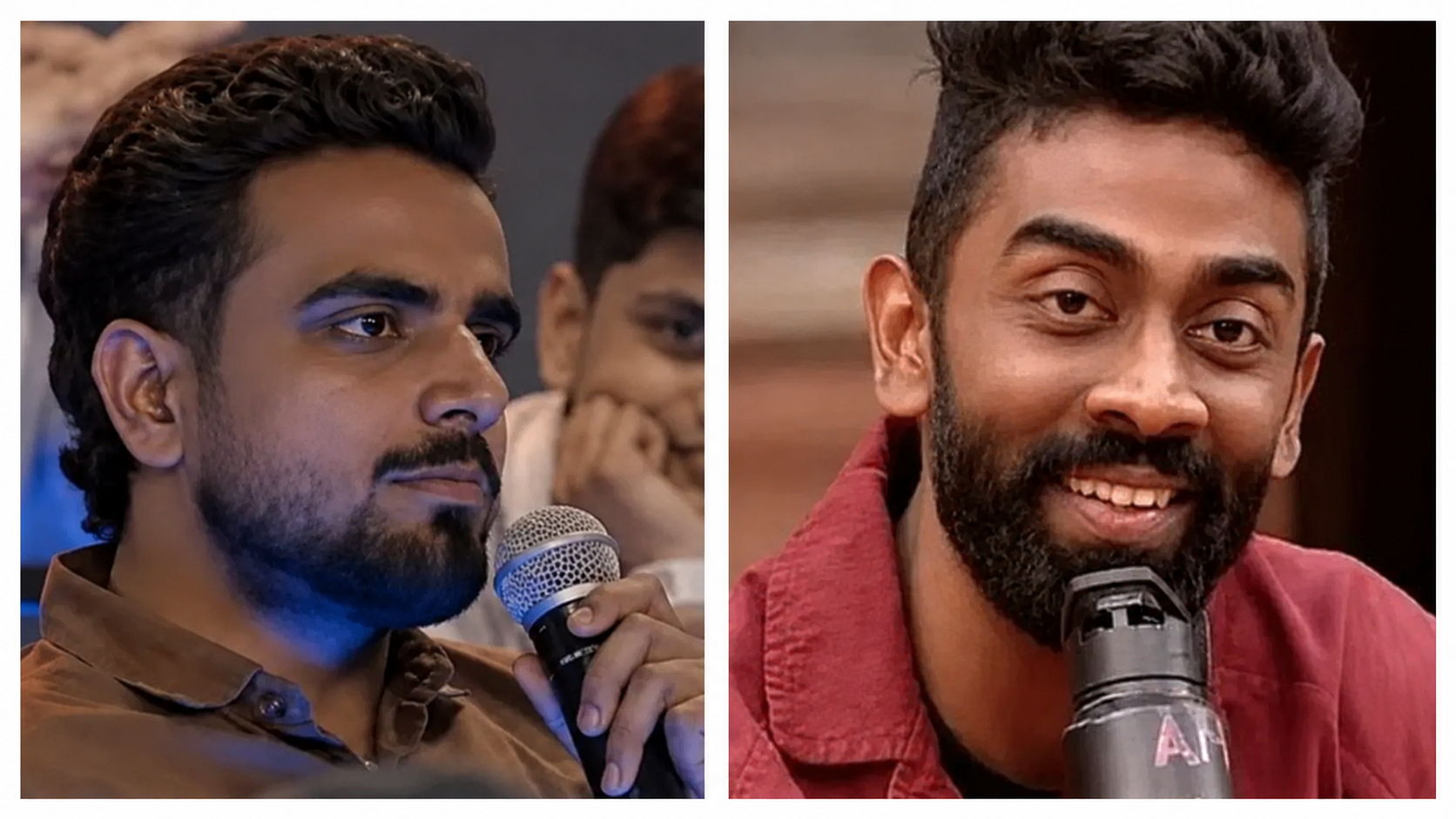
That is why the most revealing part of the “Rs 370 biryani” clip was not the young man’s arithmetic of entitlement. At one of Pranit More’s crowd-work shows, Himanshu Jangra described buying a woman a chicken biryani and concluding that the transaction entitled him to something more. He then spoke of pushing past her refusal until refusal ceased to matter. This was not really a joke searching for a punchline. It was a confession searching for company. The room provided it.
More called it “Peak Gurgaon content”, gave him a cash prize and released the clip, edited and subtitled, to millions. The story passed through the rituals by which the internet launders ugliness into entertainment. First the laugh, then the clip, then the outrage, then the views. By the time disgust arrived, the confession had acquired production value.
Days later, on the same stage, a medical student described how she and her friends compared the genital sizes of male cadavers during dissection. It was offered as a mischievous glimpse into medical-school life. But consider the donor. A person who gives his body to medicine performs one of the purest acts of faith available to a secular civilisation. He gives away his last possession. He gives it to strangers so that they may learn. He asks for nothing because, by then, he can ask for nothing. And even in that final helplessness, he is measured for amusement.
Comedy has always told a flattering story about itself. It likes to imagine the comedian as the licensed fool in the king’s court, speaking truths that power cannot bear. We repeat “punching up” as though laughter naturally rises towards authority, when much of it travels in the opposite direction. The woman who said no and the dead man unable to object are easier targets because they do not control the microphone.
The consequences followed the familiar economics of public shame. Jangra lost his job. The medical student was sent on leave. An FIR was registered. Institutions displayed their moral reflexes and social media performed its daily ceremony of astonishment. The comedian kept the audience. And the monetisation.
This is what makes crowd work so revealing. In older comedy, the performer wrote the dangerous line and carried its risk. Here the audience supplies the material. Ordinary people bring their prejudices and private brutalities to the microphone. The host extracts, edits and packages them.
We have created an entertainment economy in which people incriminate themselves for free and platforms convert the evidence into reach. Now the material is the self. A generation trained to perform its interior life has discovered its ugliest instincts are content. People volunteer what an earlier age might have hidden even from friends, because the applause of strangers has become proof of existence, and cruelty has excellent engagement.
Aditi Mittal called the humiliation of a woman a familiar male bonding ritual. The description is exact. Men have long turned women into the absent centre of male fellowship. Her refusal becomes an anecdote. Her discomfort becomes proof of masculine persistence. Her humiliation is passed around like a bowl at the table. The biryani clip merely gave this old ritual a microphone and subtitles.
Kusha Kapila pointed to the applause. She was right. We prefer to interrogate the teller because the teller can be punished. The room is harder to punish because the room is where we are sitting.
It is the audience laughing in the dark. It is the viewer forwarding the clip with a shocked emoji. It is the platform watching outrage and entertainment merge in the analytics. And it is also me, scrolling late at night, appalled by what I am seeing but watching until the end.
Perhaps that is the final obscenity. Not merely that the joke was told, or that the room laughed, but that millions of us arrived afterwards carrying our outrage like a ticket and gave the clip one more view.
We do not laugh only at what we find funny. We laugh at what we have already agreed to forgive.
The writer is a senior advisory professional