

Clothing, not air conditioning, should be the first layer of response to extreme heat
India is one of the world’s largest textile producers, with both advanced textile engineering and a long history of climate-responsive fabrics. Yet in the sectors where heat exposure is most acute — schools, informal labour, and public-facing work — clothing systems remain disconnected from climatic realities
As North India braces for another stretch of 45-plus degrees Celsius temperatures, the country’s heatwave response remains familiar. Alerts are issued. School timings are adjusted. Outdoor work is restricted. Citizens are advised to hydrate, stay indoors, and avoid peak exposure.
Yet within this expanding framework, one system remains almost entirely unexamined: The clothes people are required to wear. This is not a question of fashion, but of physiology.
The human body cools itself primarily through the evaporation of sweat. For this to work, heat and moisture must escape efficiently from the skin. Clothing directly governs this exchange. It can enable cooling — or trap heat, restrict airflow, and increase thermal stress. In extreme conditions, this is not about discomfort. It is about bodily strain.
India’s heatwaves are no longer short-lived events. They are longer, more intense, and increasingly accompanied by “warm nights”, where temperatures remain elevated after sunset. This matters because the body depends on cooler nights to recover from daytime heat exposure. When that recovery window disappears, heat stress accumulates across consecutive days.
Under such conditions, what people wear is not incidental. It shapes how much strain the body absorbs. Yet clothing is almost entirely absent from India’s heat-action plans.
The country’s response has focused, understandably, on forecasting, water access, and behavioural advisories. But it has overlooked the most immediate interface between the human body and the environment. Clothing is not peripheral to heat exposure. It is central to it.
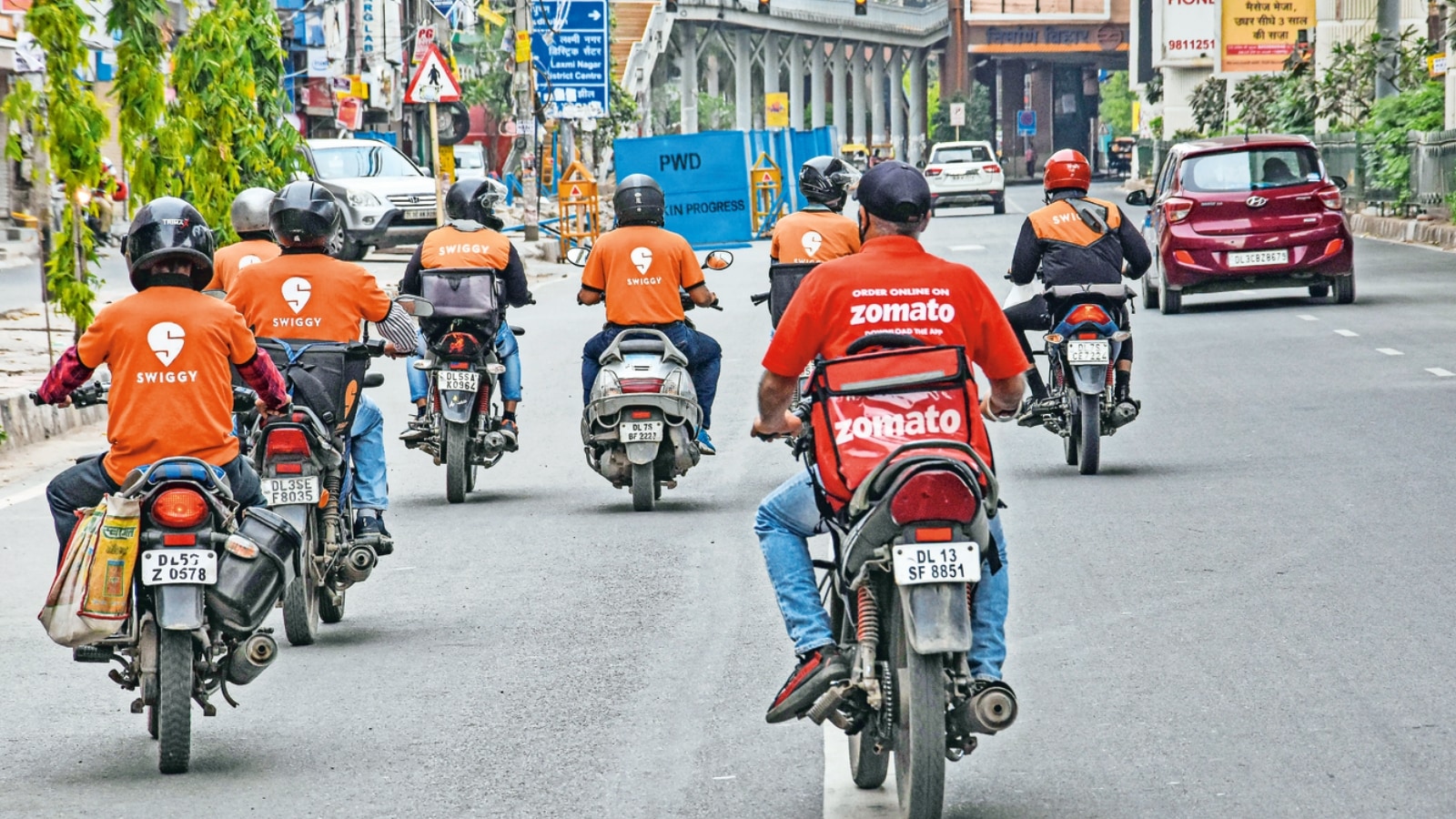
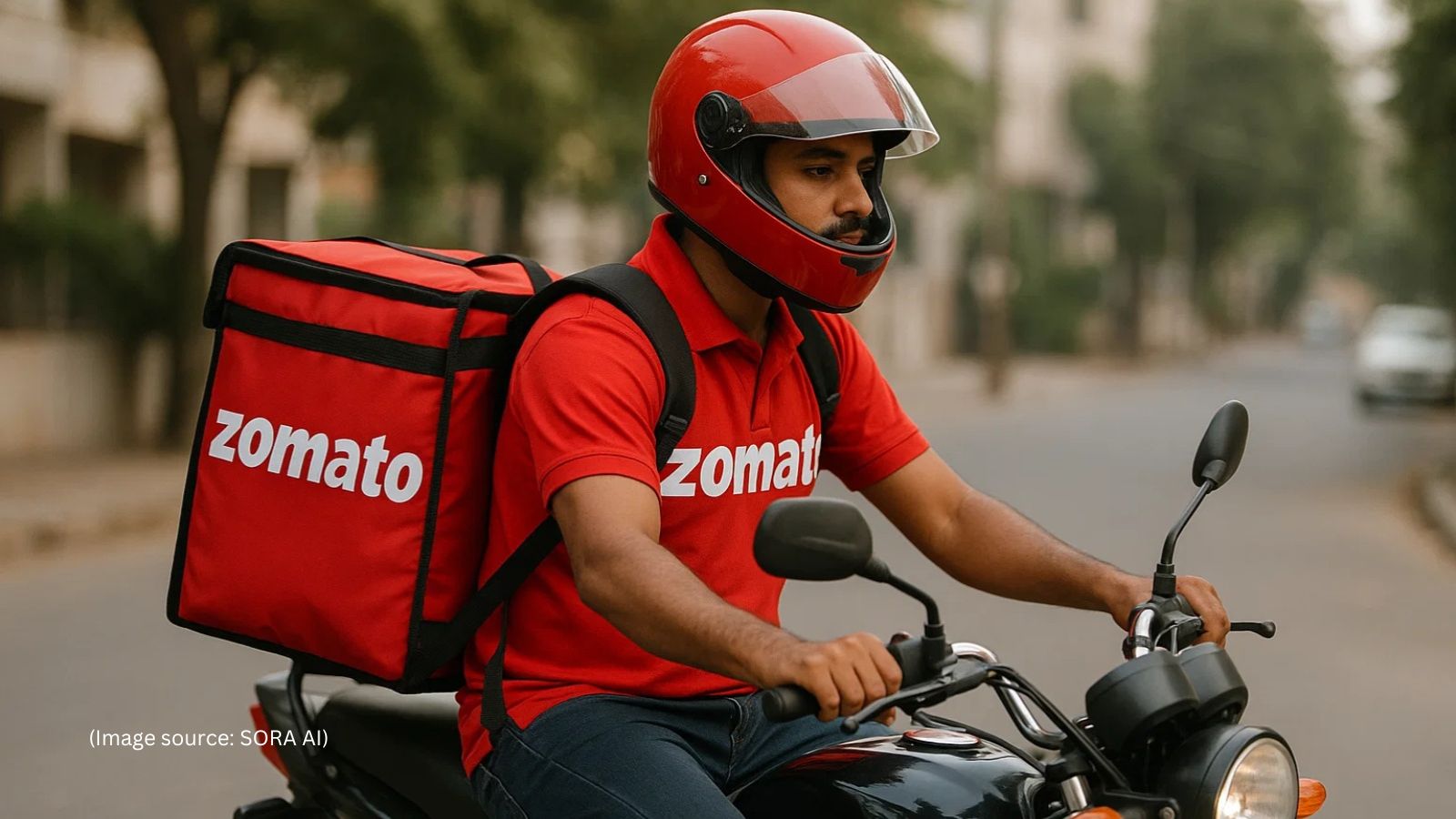
This gap is especially visible in institutional settings, where clothing is not a matter of personal choice. School children wear prescribed uniforms. Factory workers follow dress codes. Delivery personnel, security guards, and construction labourers operate in standardised clothing systems shaped by cost, durability, and visibility. In these contexts, fabric and design are rarely chosen for thermal performance.
In extreme heat, these are not neutral choices. They are imposed conditions that can intensify exposure.
Over the past two decades, mass clothing systems in India have become increasingly dependent on synthetic fibres, particularly polyester blends. The reasons are clear: They are cheap, durable, and easy to maintain. But these materials are often less breathable than natural fibres and can trap heat and moisture close to the body, especially in humid conditions where evaporative cooling is already compromised.
This is not an argument for simplistic binaries. Not all synthetics perform poorly, and not all cotton garments are inherently cooling. Thermal comfort depends on weave, weight, fit, and environmental context. But that is precisely the point: Clothing is a design and material science issue — and it is missing from India’s heat discourse.
The paradox is stark. India is one of the world’s largest textile producers, with both advanced textile engineering and a long history of climate-responsive fabrics. Yet in the sectors where heat exposure is most acute — schools, informal labour, and public-facing work — clothing systems remain disconnected from climatic realities.
This is no mere design oversight, but a policy gap. India has developed heat action plans across several states. But these frameworks rarely engage with clothing as a factor in heat exposure. There are no widely enforced guidelines for summer-appropriate school uniforms. Occupational safety protocols emphasise hydration and rest breaks but seldom incorporate fabric performance. Public procurement prioritises cost and durability, with little regard for breathability.
In a country moving towards more frequent 45–48°C summers, this omission is increasingly untenable. The consequences are not abstract. Heat stress already reduces labour productivity, particularly in outdoor and semi-controlled environments. As temperatures rise, these losses will deepen. When clothing systems amplify heat retention, they compound this burden.
There is also an energy cost. As clothing fails to support natural cooling, reliance on air conditioning increases, placing additional strain on power systems and reinforcing a cycle that is both economically and environmentally costly.
What would a more responsive approach look like? It begins by recognising clothing as part of climate adaptation infrastructure. School uniform policies can incorporate breathable fabrics and climate-responsive design. Occupational standards can include textile performance in heat exposure guidelines. Public procurement can factor in thermal comfort alongside durability and cost. Textile innovation can be directed towards heat-resilient garments for mass use, not just niche performance markets.
None of this requires radical change. It requires recognition. For too long, clothing has been treated as a matter of discipline, identity or industry. In an era of intensifying heatwaves, it must also be understood as a matter of public health and labour safety.
India cannot treat heatwaves as temporary disruptions while designing everyday systems for a milder climate. As extreme heat becomes a defining condition of life, the question is no longer only how we cool our cities. It is how we enable the human body to endure. In that equation, the first layer of adaptation is not air-conditioning. It is the fabric on the skin.
The writer is associate professor and programme coordinator for fashion design at IILM University, Gurugram