

The greatest victory — Buddha’s lesson for a troubled world
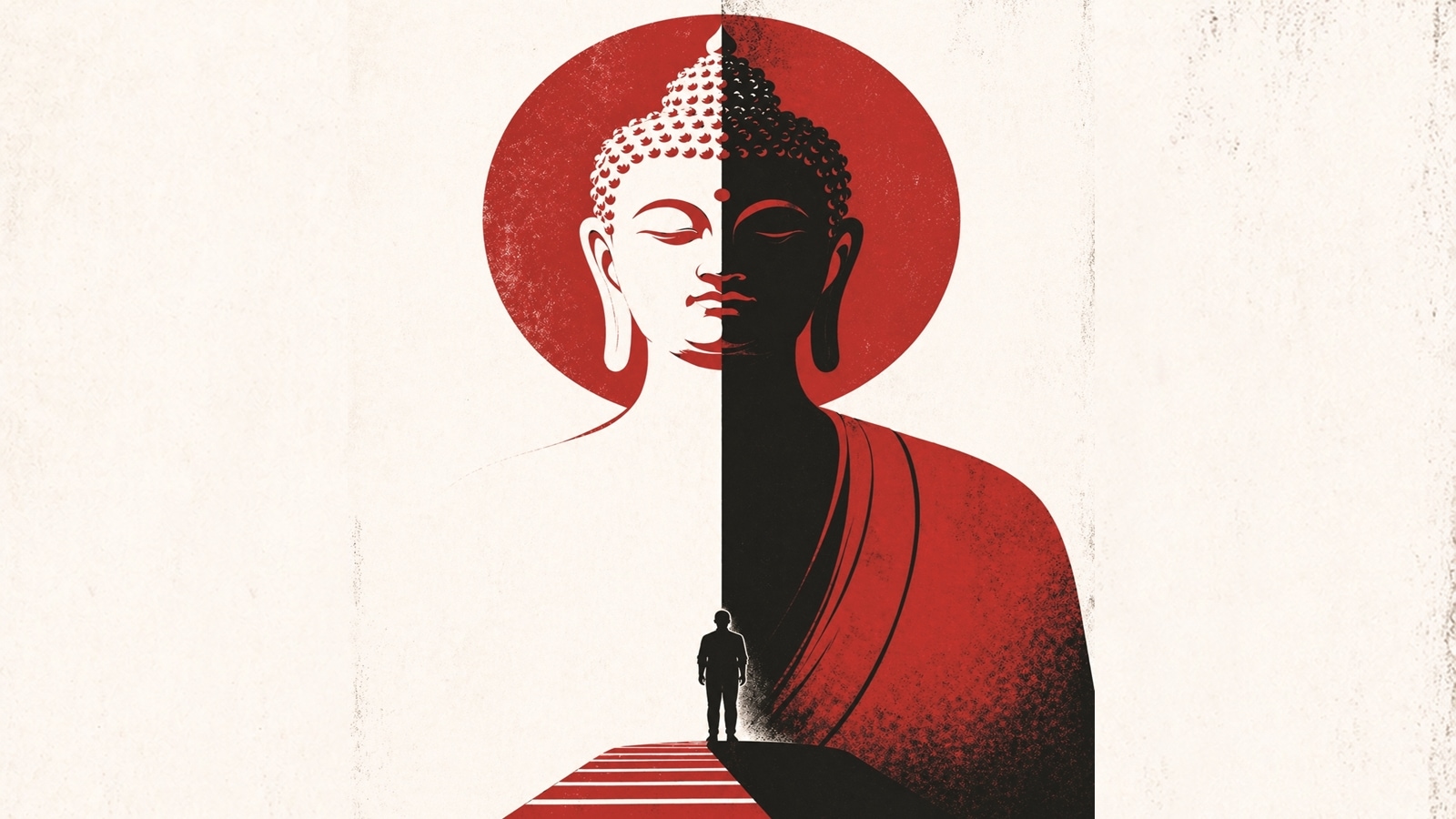
The Buddha emphasised five moral precepts: Non-violence, non-stealing, refraining from adultery, truthfulness, and abstaining from intoxicants. Because he brought clarity and enlightenment to troubled minds, he is celebrated as the ‘Light of Asia’.
On the auspicious full moon day of Chitra Pournami, when temple festivals are being celebrated, I pray that prosperity grows in every home. I am happy to extend my Buddha Purnima greetings to all brothers and sisters.
Among the many gifts Bharat has offered to the world, Buddhism stands foremost. The life and teachings of Lord Buddha continue to illuminate the lives of millions across the globe. Bharat taught the world the importance of self-realisation. The very word “Buddha” means “the awakened one”. It is significant that the birth and enlightenment of this great soul, who strove to guide humanity toward self-awareness, fall on the same day.
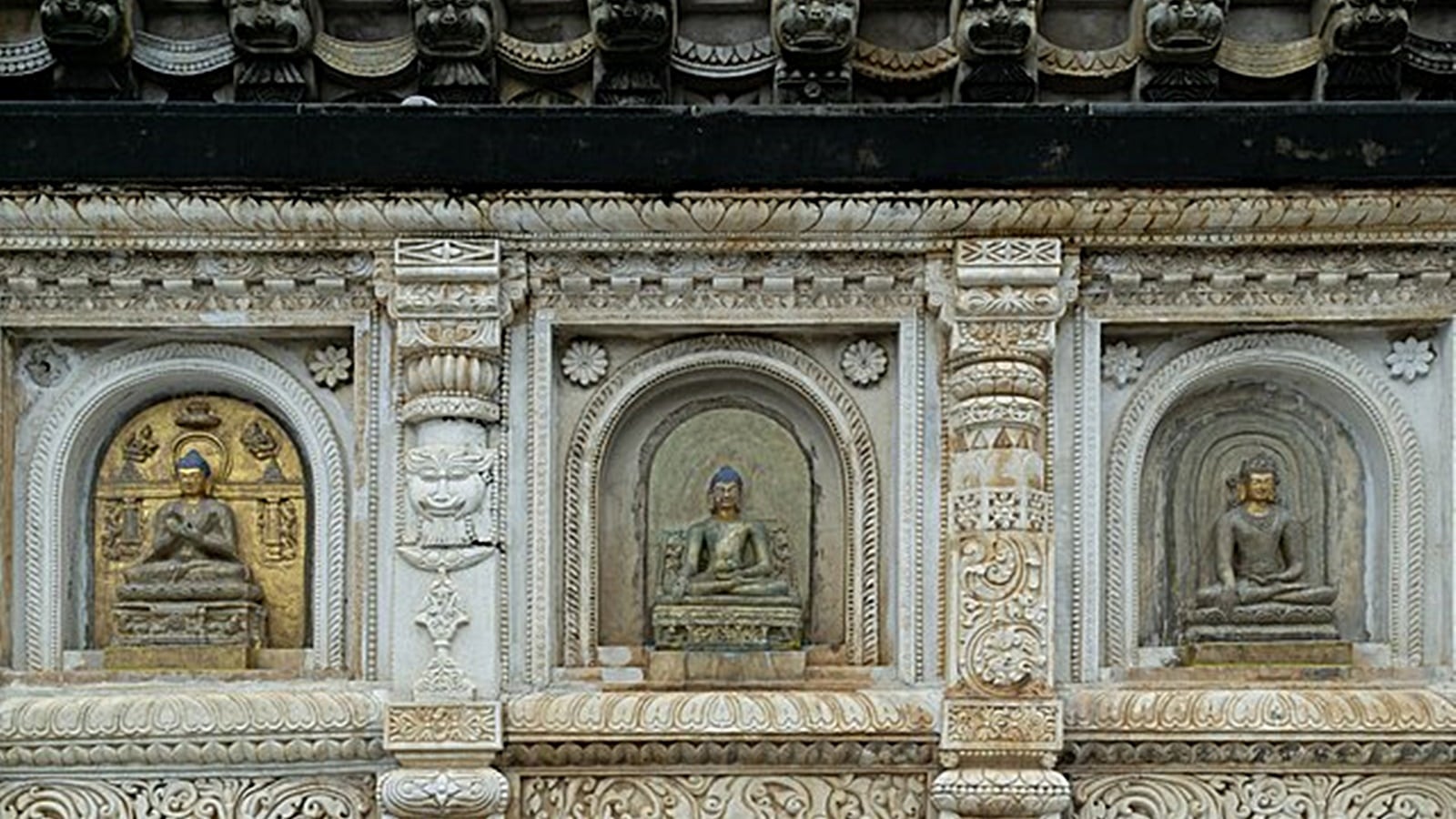
Prince Siddhartha was raised in luxury. At the age of 29, renouncing his palace, wife, son, and all worldly wealth, he wandered in pursuit of spiritual truth. After six years of intense seeking, he attained enlightenment under the Bodhi tree at Bodh Gaya, becoming the Buddha. The realisation of the Four Noble Truths and the path of ethical conduct marked the beginning of a new philosophy. Near Varanasi, at Sarnath, he delivered his first sermon to five ascetics. Known as “Turning the Wheel of Dharma”, this teaching became the foundation of Buddhism. Over time, many were drawn to his teachings. King Bimbisara of Magadha donated the Venuvana monastery in Rajgir. The wealthy Anathapindika covered the entire Jetavana grove with gold coins to build a monastery. Such acts reflect the deep faith in righteousness that existed in Bharat.
Monasteries taught the Four Noble Truths: There is suffering; desire is the root cause of suffering; by eliminating desire, suffering can be overcome; and by following the Eightfold Path, one can live free from suffering. The Buddha advised: Do not dwell on the past — live in the present. Truthfulness is powerful. The mind is the source of all actions, so cultivate positive thinking. Do not retreat in fear during difficult times. Life’s journey is ultimately individual — guide it along a spiritual path. Words can wound, so speak gently. Love and non-violence are essential. Always keep learning.
Tamil literary works like Manimekalai and Kundalakesi present Buddhist philosophy beautifully. Though many texts are lost, their contributions remain invaluable. “Intoxicating drink that clouds the mind, and the taking of life — the wise, free from delusion, have renounced these, listen: Birth and death, and death leading again to birth/ Are like sleep and waking — this is the truth./ Those who perform righteous deeds attain a noble world/ Those who commit evil deeds fall into deep suffering./ Realising this, the discerning have severed their attachments.” Thus, the epic Manimekalai explains the essence of Buddhism (Aathirai Pichchaiyitta Kaathai: 84–90).
The Buddha emphasised five moral precepts: Non-violence, non-stealing, refraining from adultery, truthfulness, and abstaining from intoxicants. Because he brought clarity and enlightenment to troubled minds, he is celebrated as the “Light of Asia”.
I recall what Prime Minister Narendra Modi said in Mann Ki Baat: “The message of Bhagwan Gautama Buddha’s life remains relevant even today. He taught us that peace begins within us; he made us realise that conquering oneself is the greatest victory. In the midst of the tensions and conflicts the world is going through today, Buddha’s teachings have become even more significant.”
The transformative power of the Buddha’s teachings is evident in how they changed Emperor Ashoka into a proponent of peace. Ashoka propagated Buddhist principles through inscriptions and stupas across the land. The stupas at Sanchi and Sarnath continue to attract people from around the world, and the lion capital at Sarnath is Bharat’s national emblem. Ashoka, his family and the monks helped spread Buddhism across Asia, with his son Mahinda carrying the teachings to Sri Lanka. Buddhist monks also helped propagate the faith in Tamil Nadu, where traces of it remain in several regions. Monks provided free medical care and education without discrimination. Charity, especially feeding the poor, was a fundamental duty. Feeding the hungry was seen as giving life itself, as expressed in Tamil literature.
All religions have been accepted with a unified spirit across the whole of Bharat, which shows that this nation has always been one in terms of culture and shared feeling.
Buddhism, which emphasised lifelong learning, established educational institutions and libraries on a very large scale. As early as the fifth century, Nalanda University was a great centre of learning with around 10,000 students and 1,500 teachers. Records indicate that there was a renowned university in Kanchipuram, Tamil Nadu. Universities such as Vikramashila and Odantapuri, along with numerous literary works, showcased the intellectual heights of the nation to the world. Scholars from across Asia came to study at Buddhist universities. The 15-year-long pilgrimage of the Chinese monk Faxian was undertaken specifically for Buddhism. The Chinese monk Xuanzang spent 16 years in Bharat studying at Nalanda and collecting texts before returning. Xuanzang also visited Kanchipuram, where he studied and copied manuscripts.
Moved by compassion for the weakened Buddha after his severe austerities, Sujata lovingly offered him milk porridge, saving his life and giving him the strength to meditate under the Bodhi tree. On Buddha Purnima, we remember her love and kindness by preparing and offering payasam.
“Love is the source of joy, love is the light of the world, love is the greatest power” — these teachings of Buddha remain deeply relevant. I pray that love and peace may flourish across the world.
The writer is the Vice President of India