

For, Gen Z — the most affected by changing nature of work — it’s time to reclaim labour politics
May Day cannot remain confined to its industrial past. For Gen Z, it must become a lens through which to understand the present and anticipate the future. The lesson of the Haymarket struggle was not just the demand for an eight-hour workday; it was the principle that workers, when organised, can reshape the conditions of their lives
May Day no longer carries the urgency it once did. For many in Gen Z, International Workers’ Day is little more than a symbolic holiday — detached from its origins in the Haymarket Affair and from the struggles that shaped modern work. This fading memory is not merely cultural amnesia; it reflects a deeper transformation. At a moment when artificial intelligence is redefining labour, the historical consciousness needed to understand and contest these shifts is eroding. A paradox emerges: A generation entering one of the most uncertain labour regimes in decades is also the least connected to the movements that once secured workers’ rights.
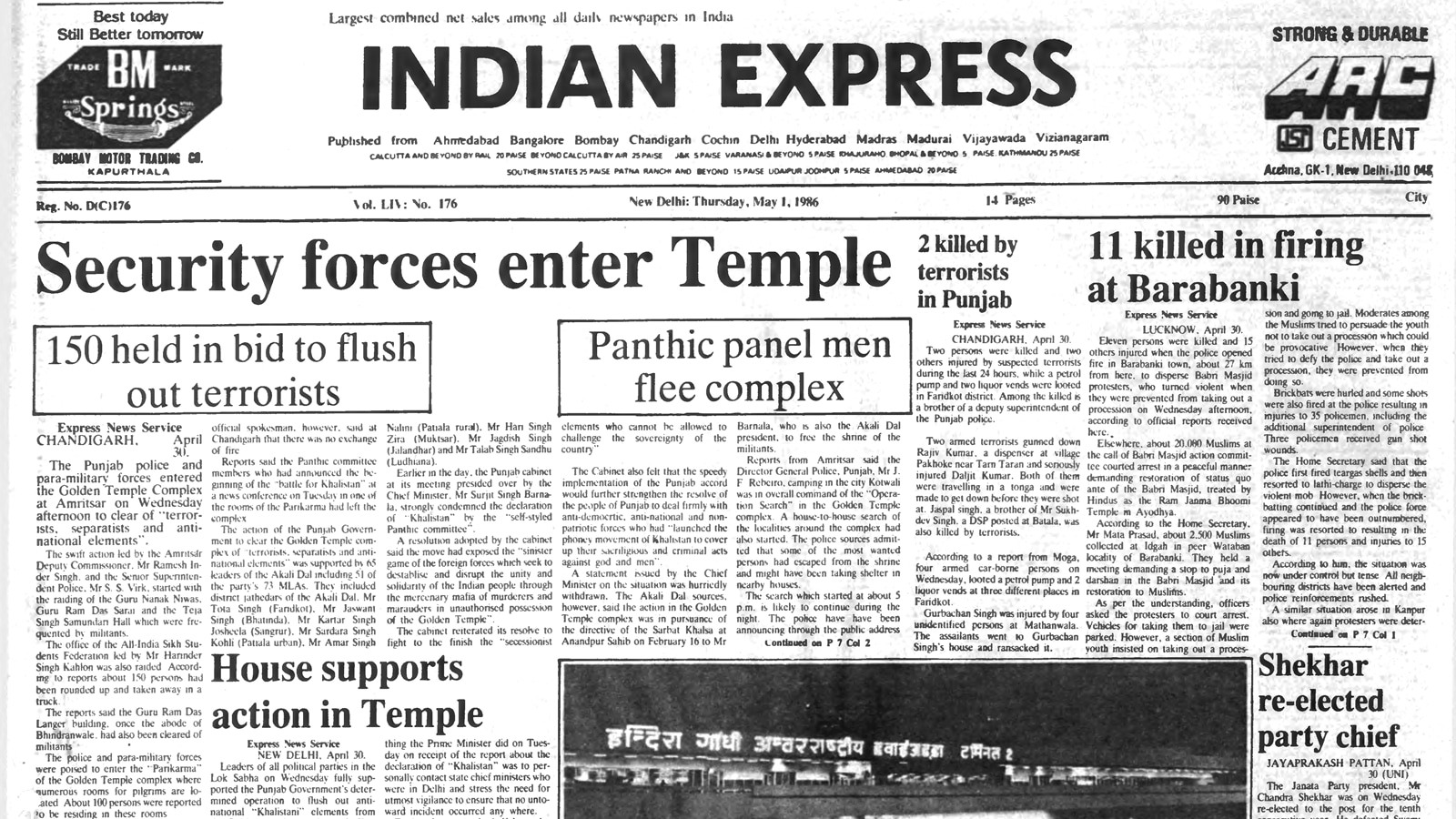
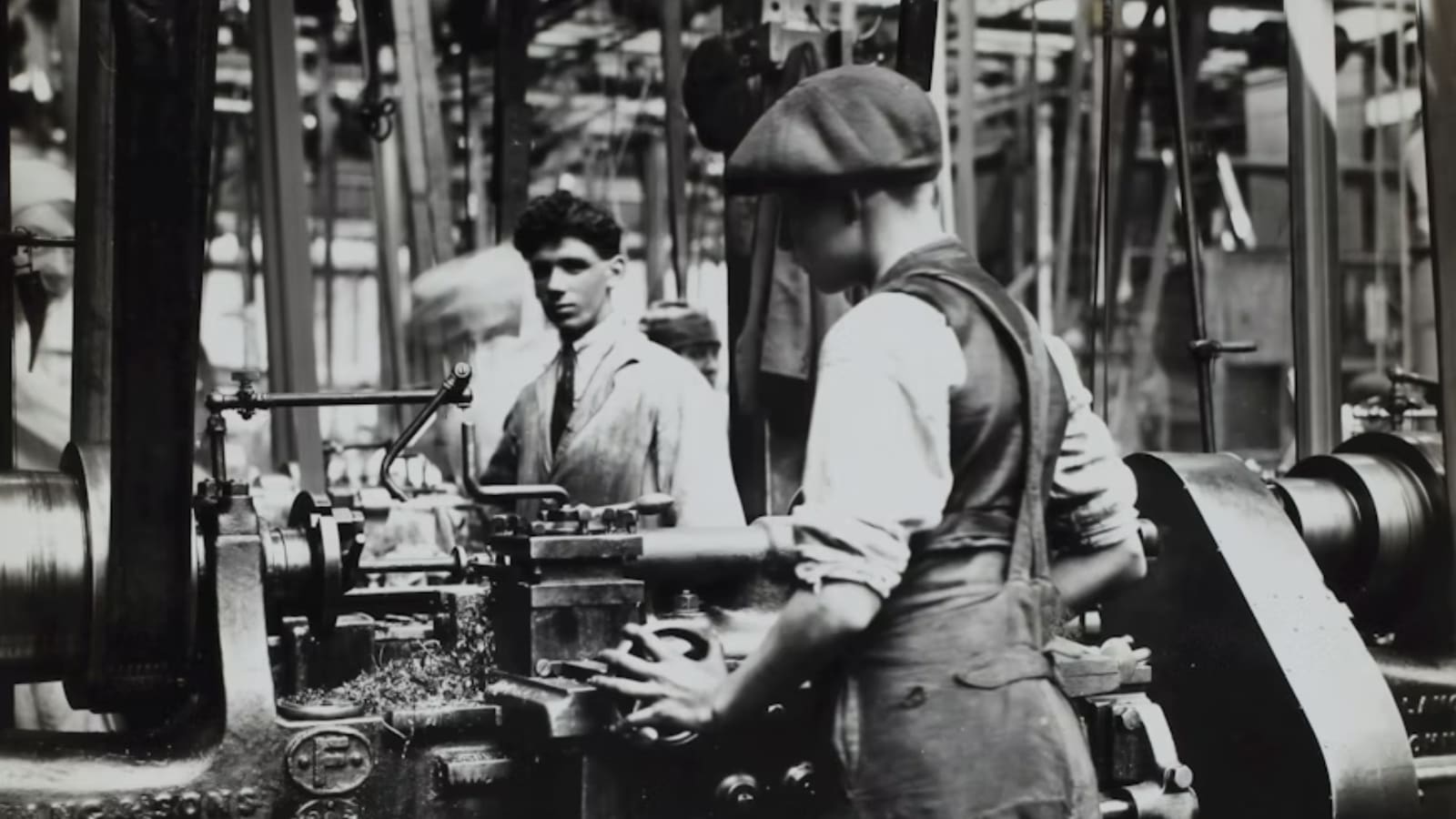
The classical imagery of labour — factory floors, textile mills, dockyards — has steadily receded from everyday life. Movements like the Bombay textile workers strike, once central to India’s political imagination, now exist as distant references. Trade unions such as the All India Trade Union Congress have also lost visibility among younger generations.
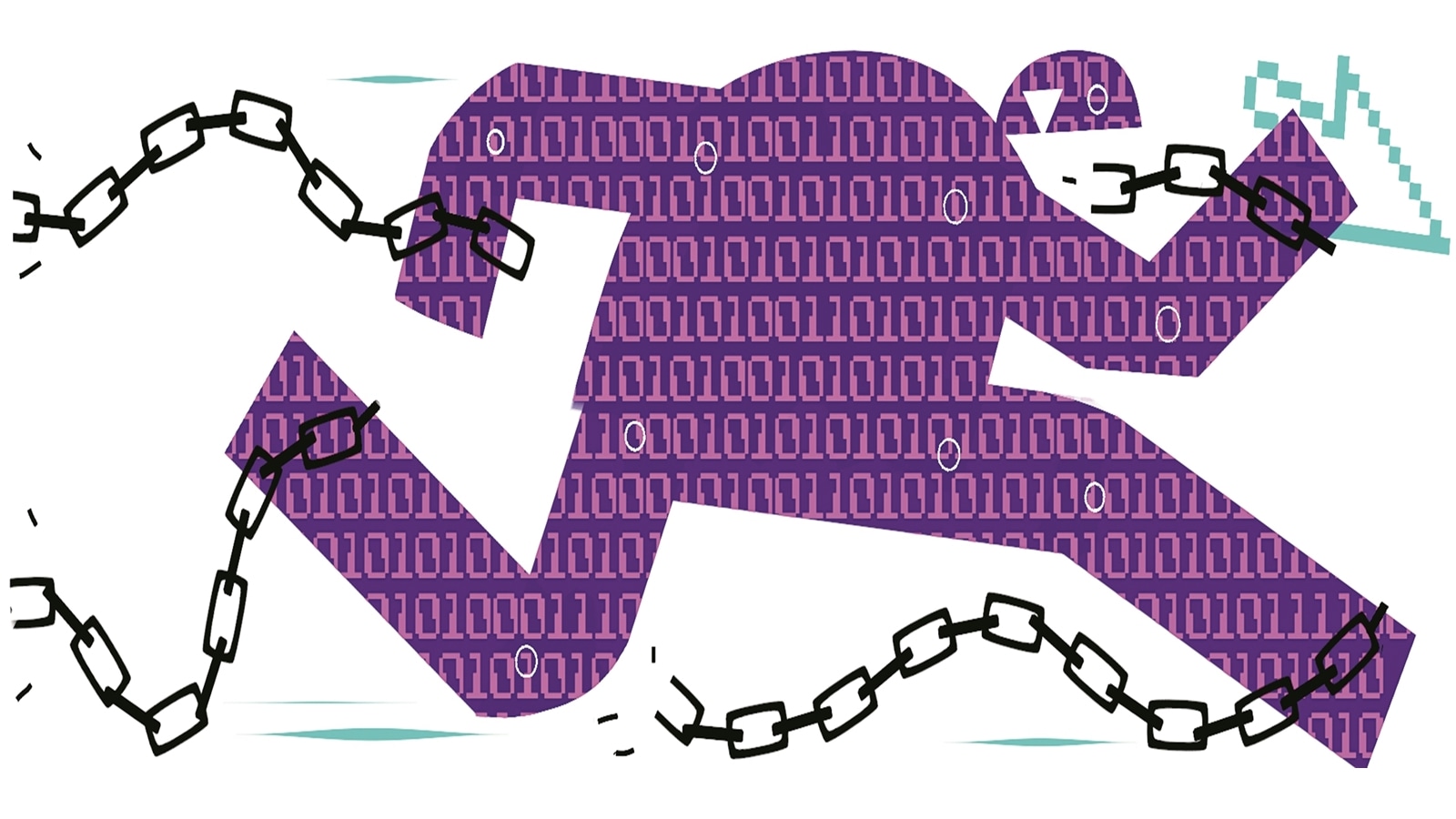
In their place has emerged a digitised, fragmented regime of work. Platforms shaped by companies like OpenAI and Google are not merely tools — they are restructuring labour itself. Work is dispersed across networks, governed by algorithms, and often rendered invisible. Yet AI has not eliminated labour; it has redistributed it into less visible, more precarious forms — data annotation, content moderation, and gig-based services that sustain the digital economy while remaining undervalued.
Gen Z’s detachment from labour politics is structurally produced. Educational curricula marginalise labour history, while media narratives often frame strikes as disruptions rather than democratic rights. The rise of gig work has further eroded shared workplaces where collective identities once formed.
Equally significant is the rise of individualism. The language of freelancing, entrepreneurship, and “being your own boss” has replaced older notions of class solidarity. Workers are encouraged to see themselves as isolated actors rather than members of a collective workforce. This fragmentation weakens the very possibility of collective bargaining.
Yet this generation is also the most exposed to instability. Algorithmic systems determine wages, visibility, and access to work, while opaque metrics replace negotiation. In such a landscape, the absence of collective organisation is not just a political gap — it is a material vulnerability.
The decline of organised labour in India predates AI but has been intensified by it. Economic liberalisation expanded informal work and prioritised flexibility over security, leaving unions struggling to adapt to a dispersed workforce.
Political shifts reinforced this trajectory. The Indian National Congress, particularly in the post-1991 phase, pursued reforms that integrated India into global markets but diluted labour protections. The Bharatiya Janata Party extended this approach, consolidating labour laws while reframing workers primarily as contributors to national productivity rather than as political agents with rights.
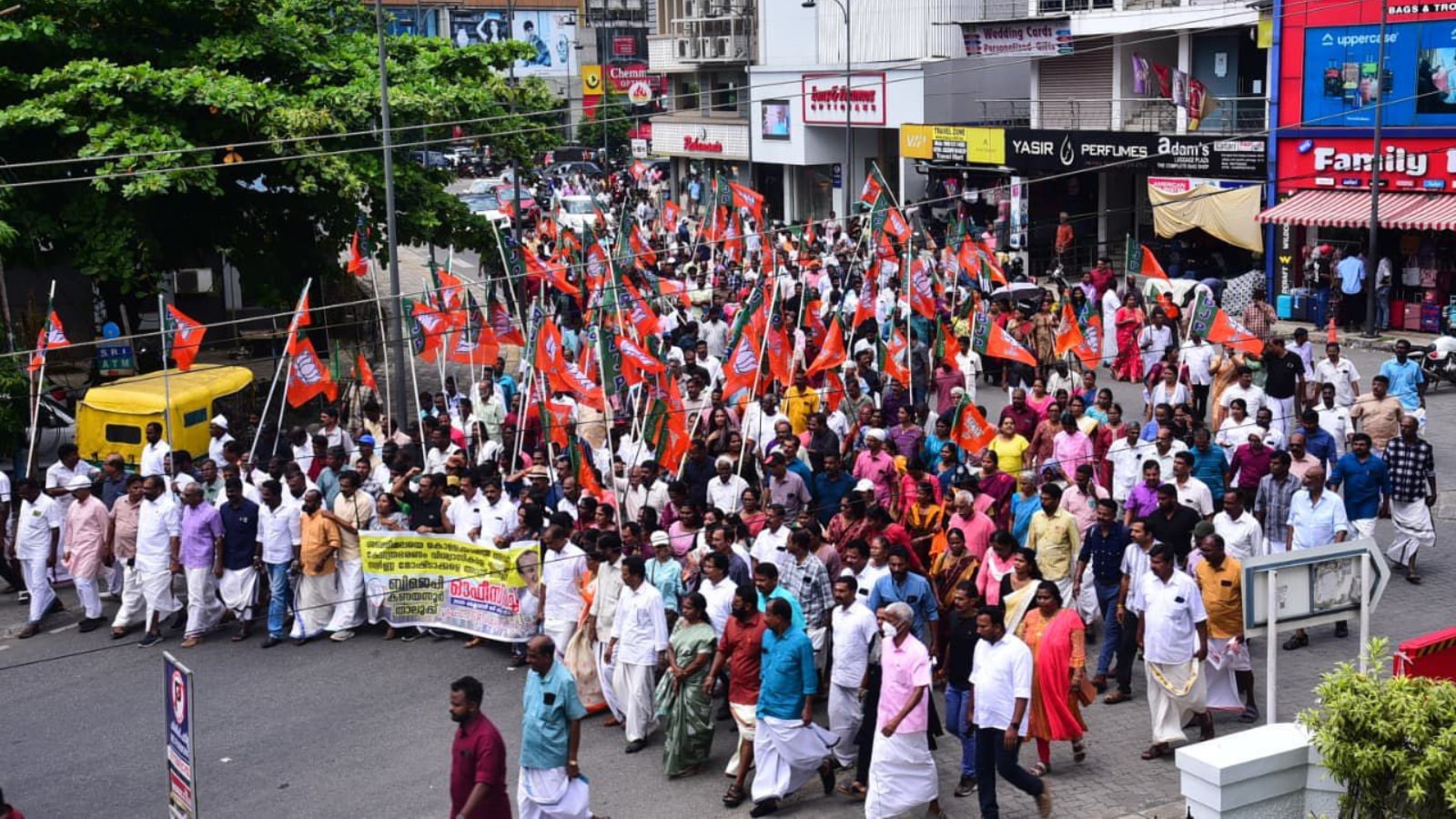
As institutional avenues weakened, labour unrest did not disappear — it fragmented. Without strong unions to mediate, protests increasingly appear as isolated eruptions rather than sustained movements. What is often described as disorder is, in many cases, a symptom of organisational vacuum.
The crisis of labour politics is also a crisis of the Left. Its historical strength lay in its ability to articulate collective identities and organise around them. Today, that capacity is strained. To remain relevant, the Left must first expand its understanding of labour. Digital work, gig work, and data work are not peripheral — they are central to contemporary capitalism. Ignoring them risks rendering labour politics obsolete.
Second, it must move beyond traditional organisational forms. Unions tied to specific industries cannot adequately represent a workforce that is fluid and dispersed. New models — networked unions, digital collectives, hybrid forms of organisation — are necessary.
Third, the Left must engage with technology not as an external threat but as a political terrain. Questions of who controls AI, who owns data, and how algorithms are governed are fundamentally questions of power.
Finally, it must reclaim cultural space. If Gen Z encounters politics primarily through digital platforms, then labour politics must exist there — not as abstract theory, but as lived, relatable experience.
May Day cannot remain confined to its industrial past. For Gen Z, it must become a lens through which to understand the present and anticipate the future. The lesson of the Haymarket struggle was not just the demand for an eight-hour workday; it was the principle that workers, when organised, can reshape the conditions of their lives.
That principle still holds. But the terrain has shifted — from factories to algorithms, from visible labour to hidden data work. Reclaiming May Day today is not about nostalgia; it is about reinventing solidarity for an age where the workplace is digital, the worker is dispersed, and power is embedded in code.
Khan is a researcher in urban planning focusing on labour, housing, and the political economy of contemporary Indian cities