

A funeral in Iran and the performance of power
The state is drawing on the deepest reservoir of meaning in Shia culture to transform a death it could not prevent into a sacrifice it can claim
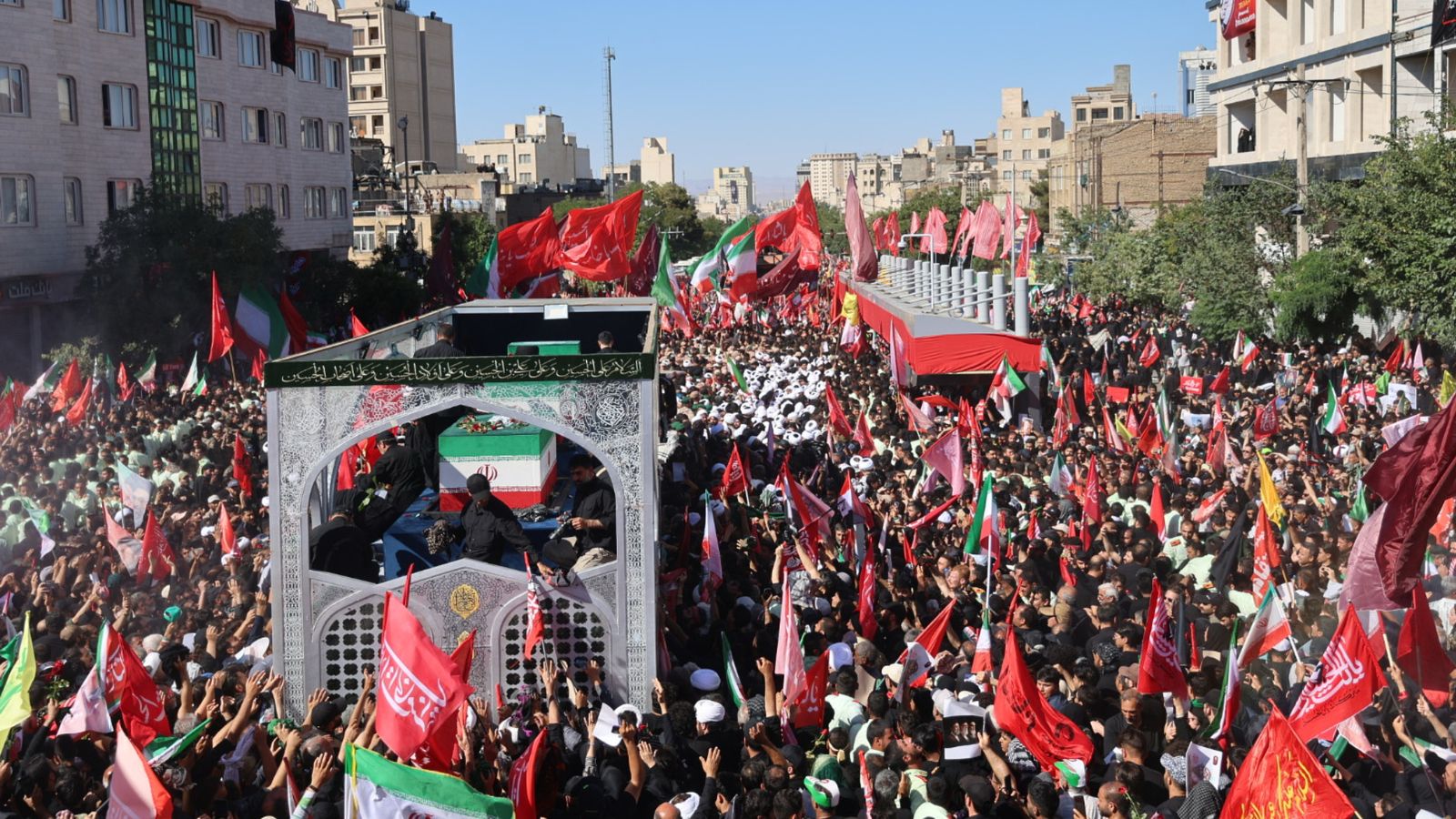
Iran buried Ayatollah Ali Khamenei this week in a funeral designed to be read. His casket travelled from Tehran to Qom, across the border to Najaf and Karbala, and finally to Mashhad for burial beside the eighth Shia imam. The casket was draped in the red Ya Hussein flag flown from the Karbala shrine itself. A giant clenched fist rose in Enghelab Square, framed by images of ballistic missiles; banners in three languages carried the funeral’s motto: We must rise. The ceremonies were timed to coincide with Muharram, the month of mourning for Imam Hussain’s martyrdom, and also the 250th anniversary of American independence.
None of this is accidental. As the political scientist Lisa Wedeen observed of Assad’s Syria, authoritarian states demand that citizens act as if they believe, because the public performance of belief is itself a form of control. The regime does not need every mourner to grieve. It needs every mourner to be seen grieving. The week’s ceremonies are a study in symbolic inversion. Khamenei was killed in the opening strikes of a war that shattered a deterrent architecture built over three decades. The funeral recasts this defeat as Karbala, the seventh-century martyrdom that anchors Shia identity. In this telling, a leader who could not be protected becomes one who chose sacrifice, and strategic failure acquires the dignity of sacred continuity. The state is drawing on the deepest reservoir of meaning in Shia culture to transform a death it could not prevent into a sacrifice it can claim.
The crowds serve the same purpose. State media speaks of millions, and hundreds of thousands have indeed filled the Imam Khomeini Grand Mosalla and the processional routes beyond it, their grief genuine and, for many, profound. But the mourning is not universal, and the regime knows it. Many buried their own dead in the crackdowns of 2009, 2022, and 2026. The regime’s answer is scale: Transport, food, and an infrastructure of mourning designed to manufacture unanimity. Grief organised with the logistics of a military operation is grief doing political work.
The most eloquent symbol of the week, however, is an absence. Mojtaba Khamenei, who succeeded his father as Supreme Leader, did not attend the funeral. Iranian officials say he was kept away for fear of an Israeli assassination. His first message to the nation was read out by a television anchor. Consider what this means. The new leader of the Islamic Republic cannot stand at his own father’s grave, and his voice reaches his people only through an intermediary. A state that cannot secure its leader at the most consequential public ritual of its recent history is performing strength precisely because it cannot demonstrate it.
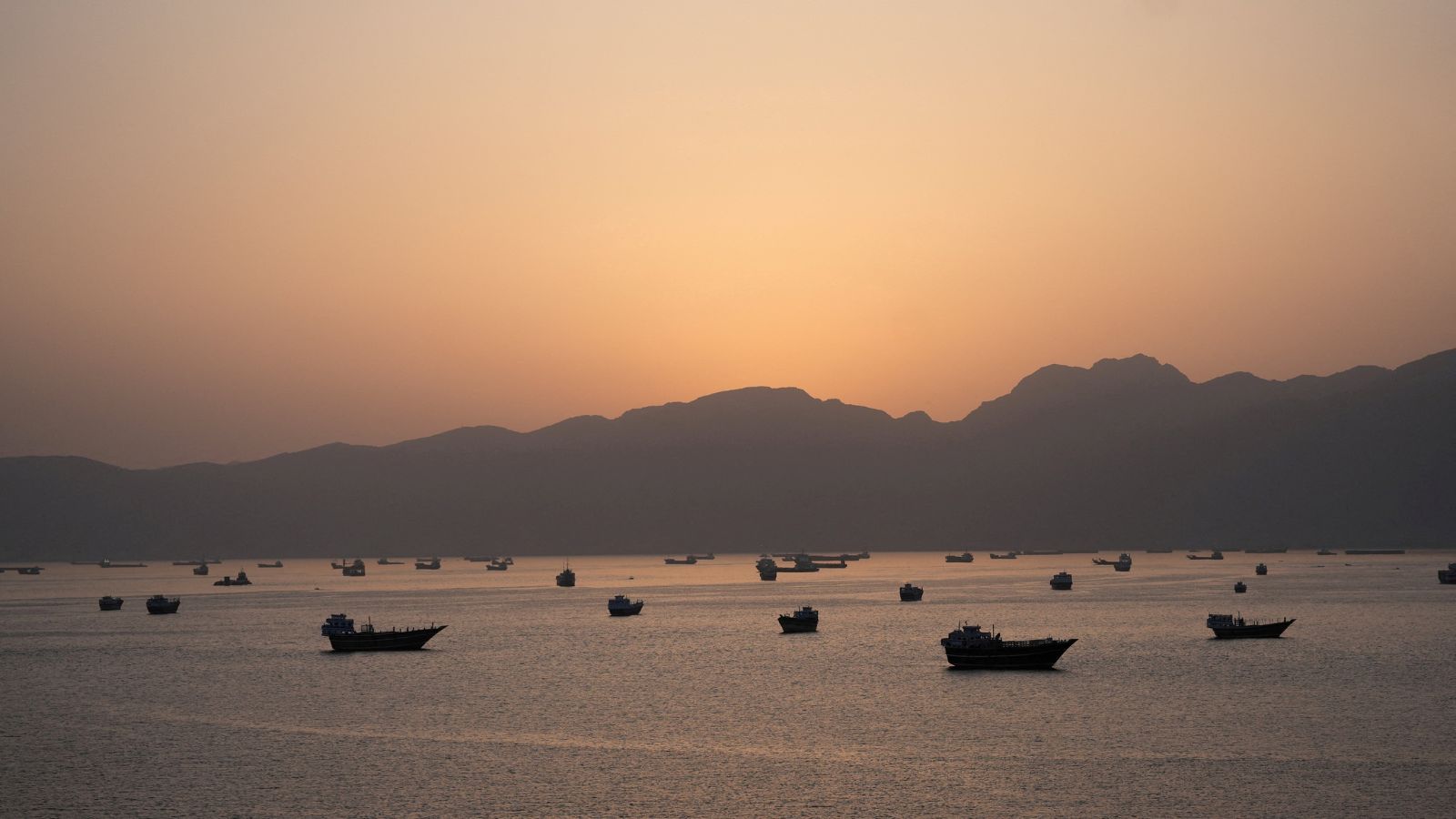
The same logic now extends to the Strait of Hormuz. Under the MoU signed with the US, Iran has guaranteed toll-free passage for 60 days. Yet its newly created Persian Gulf Strait Authority has made Iranian-approved insurance mandatory for every transiting vessel, free for now, while explicitly reserving the right to charge fees when the window closes. Tehran frames the future fee as compensation for war damage. The revenue at stake is marginal beside the cost of reconstruction. The fee’s true function is symbolic. A state that could not defend the strait militarily now performs sovereignty over it administratively.
Symbols are indispensable to all states. But there is a difference between symbols that express power and symbols that substitute for it. The Islamic Republic today governs a wounded country: An economy in ruins, deepening isolation, a population whose suffering the ceremonies are designed to reframe rather than relieve. Modernity, in the end, plays by modern rules, and those rules are written in production figures, investment flows, and legitimacy, none of which can be conjured by a flag from Karbala.
The funeral ended in Mashhad. The symbols have done their work, and they have revealed, to anyone watching closely, exactly what they were deployed to conceal.
The writer is Professor, Centre for West Asian Studies, Jamia Millia Islamia, New Delhi