

From ‘McJobs’ to algorithms, the changing face of work in India
As gig work expands, the risks of alienation, insecurity and widening inequality demand urgent policy attention
By Sukanya Das and Ayanendu Sanyal
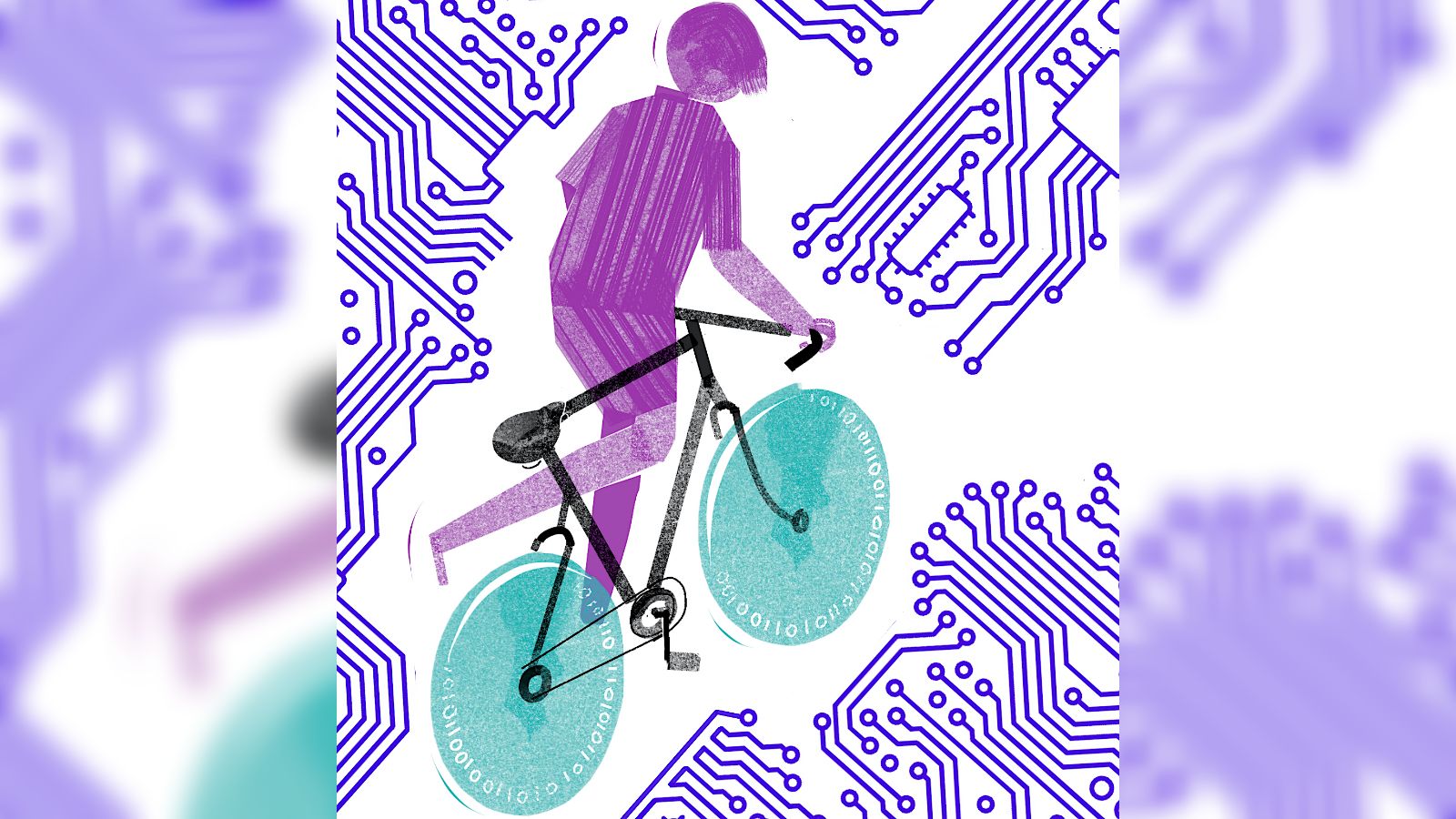
Modern society is structured by a post-industrial social order in which the advent of digital relations has increasingly obscured the visible form of work. A lot of work now happens through digital platforms, networks, and software rather than in traditional workplaces. The term “McJob” is used to describe this kind of repetitive and unsatisfying employment faced by millions of workers. Globally, the number of people working through digital labour platforms has increased considerably. The International Labour Organisation (ILO) has estimated that more than 400 million workers are now engaged in platform-based work. Further, a Niti Aayog report estimates 7.7 million (1.5 per cent of the total workforce) platform workers in 2020-21 and forecasts that India’s gig workforce will be 23.5 million by 2029-30. This exhibits the rapid growth of digital platforms in reshaping the structure of employment.
Labour is frequently analysed from the perspective of the market, which focuses mainly on the buying and selling of labour and other factors of production. However, the reality of production, where capital and labour struggle over control of working time, workplace organisation, and labour relations, has not been adequately examined in the modern network society. Thus, social sciences have often avoided directly examining how work is actually organised and produced.
Digital labour refers to a wide range of work activities carried out through digital technologies, which include freelance work, gig economy jobs, data annotation, content creation, and other tasks managed by algorithms, e.g., ride-hailing drivers working through platforms, or workers labelling images and text to train artificial intelligence systems used by companies, forming an often invisible workforce behind digital technologies. These types of work take place through digital platforms and online tools, allowing people to work remotely and often across geographical boundaries. They include both paid and unpaid work and have important consequences for workers, organisations, and society in the digital age.
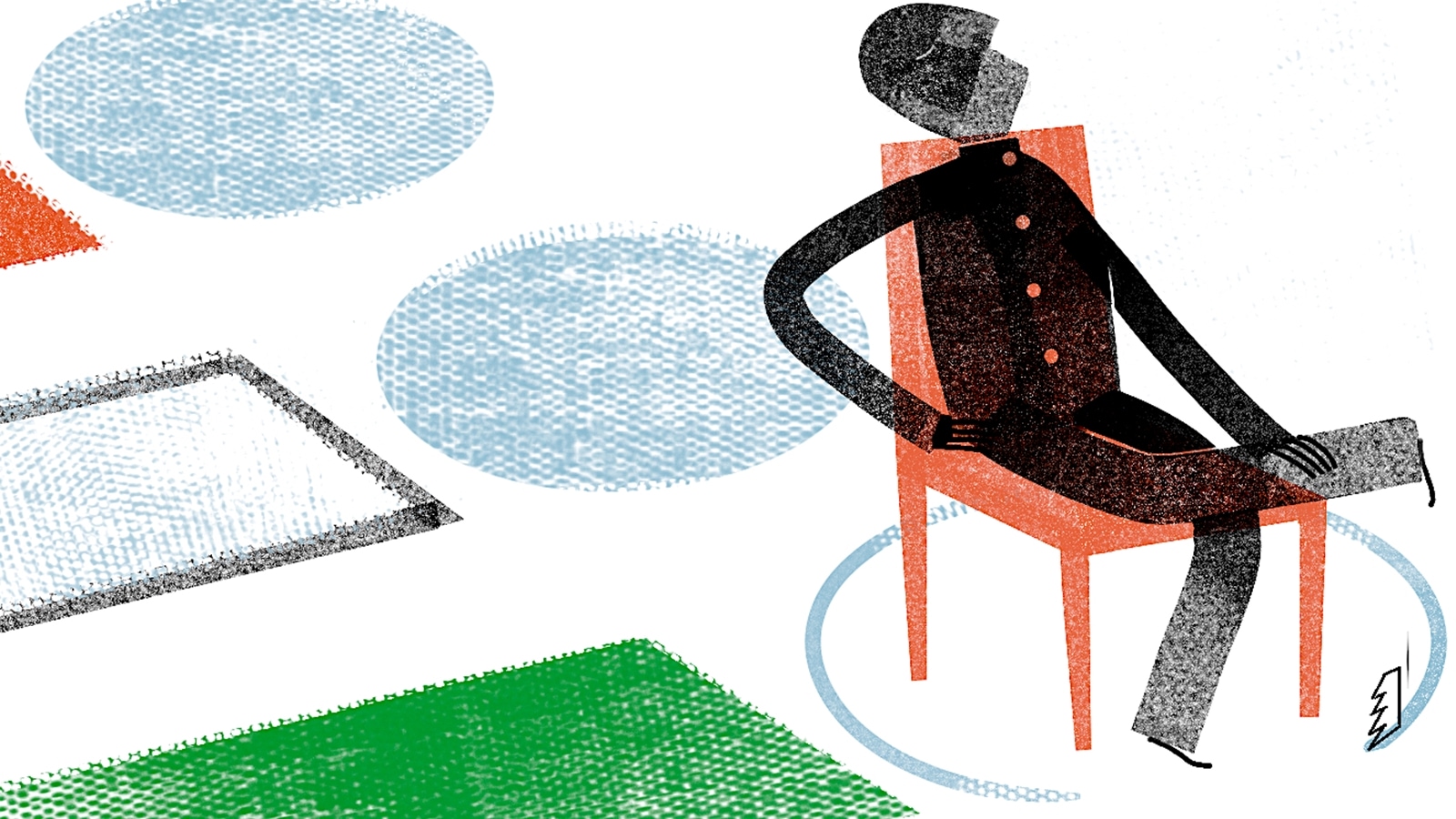
In such a system, individuals increasingly function as nodes within networks of social and economic relations. Social interaction and work organisation are shaped by these networks. Traditional workplace socialisation is often replaced by continuous skill upgrading. Employment is increasingly connected to the management and control of information. Workplaces are now being redesigned in such a way that they sometimes reduce workers’ skills and autonomy. This raises serious concerns about the dehumanising effects of digital work. Therefore, it must be understood in relation to the organisation of work within digital networks.
The distribution of power within the labour process has also been significantly influenced by digitisation. The new technologies require workers to continuously develop their skills and adapt to changing systems. Digital labour systems often treat large numbers of workers as substitutable parts within technological systems. This implies that they may become extensions of machines or software, executing narrowly defined tasks which entail minimal training. Thus, many digital workers may appear satisfied on the surface, but they may remain detached from their work. Hence, the government’s role remains pivotal in governing digital networks through regulation, policy, and administrative systems. This also raises important questions about labour regulation, worker protections, and the governance of platform-based employment in the digital economy, particularly in relation to algorithmic management and employment classification.
On the one hand, digital work, along with automation and artificial intelligence, requires higher levels of education, training, and mental effort. On the other hand, many workers report dissatisfaction with the conditions of digital office work. The growing routine and mindlessness of certain digital tasks can create a situation in which large numbers of workers participate in forms of labour that feel constrained and unfree. Digital sociology helps analyse these changes by examining occupational realities and the ways workers experience alienation and detachment. Classical sociology, however, understood working life mainly through the division of labour and its role in social integration. Today, it is equally important to understand how workers themselves experience their working conditions.
Workers’ lived experiences, combined with data-driven analysis, help reveal the changing relationships between organisations, technology, and labour. Studying digital labour also helps us understand how work and technology interact in a digital society dominated by large corporations working closely with state institutions. Technological change in the organisation of production is not socially neutral. However, science and technology do not exist outside power relations. In reality, increasing deskilling, limited opportunities for reskilling, and workers’ struggles reveal the contradictions that exist within contemporary digital labour systems.
These developments demonstrate how technological transformation can deepen existing inequalities in the world of work if adequate institutional protections are absent. Therefore, in order to ensure that technological change does not reinforce existing inequalities, analysing these transformations is essential for policymakers, businesses, and labour institutions seeking to respond to the rapidly evolving digital economy in India.
Das is associate professor of Sociology at Amity University. Sanyal is an honorary expert at the EGROW Foundation, working on public policy, labour markets, and the economic implications of technological change