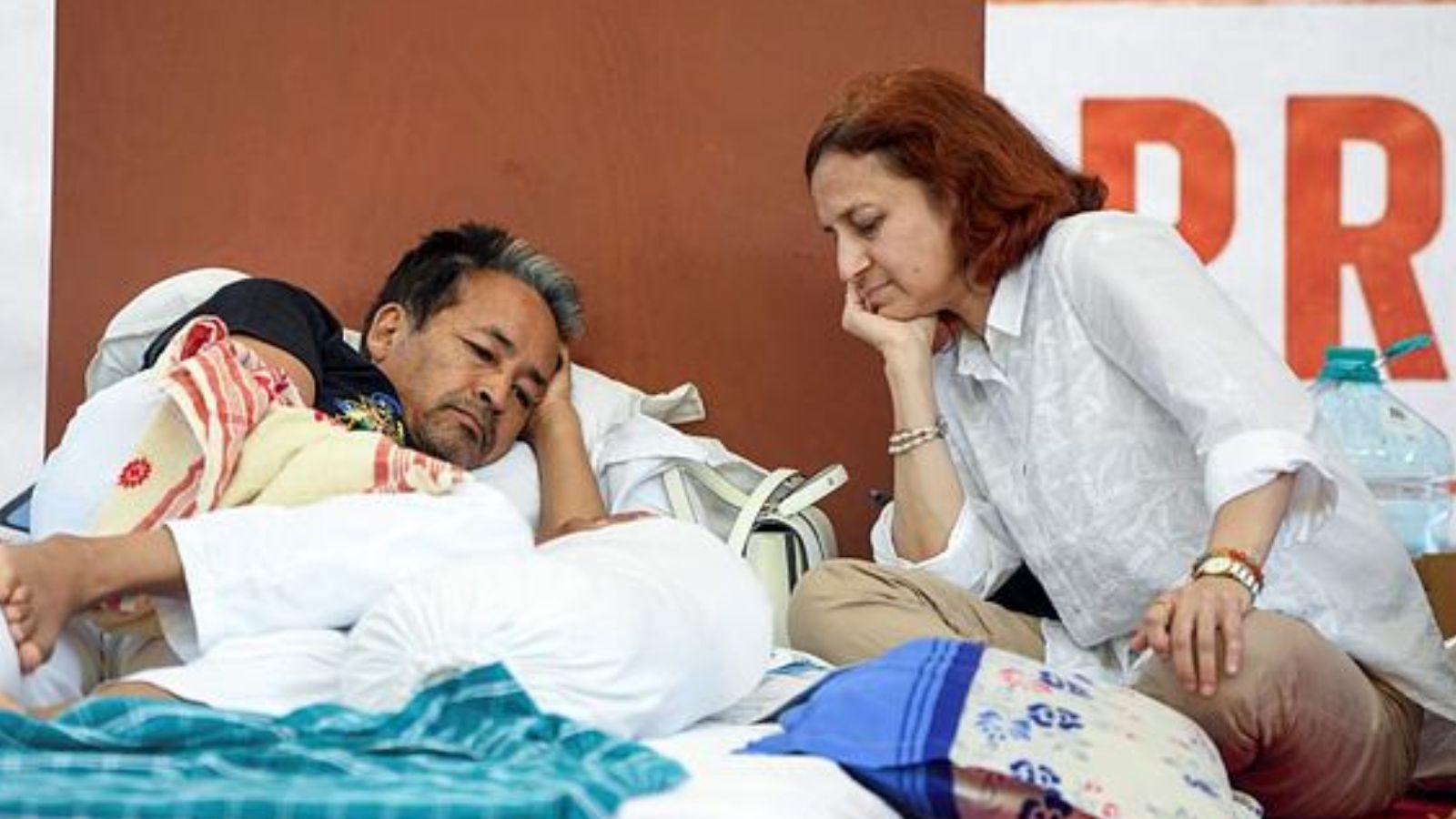


For Sonam Wangchuk’s doctors, a dilemma: Should duty to care ignore a patient’s autonomy?
Whether one agrees with a hunger strike or any form of political protest is ethically beside the point. The relevant question is whether the individual possesses the capacity to make an informed decision. If the answer is yes, respecting autonomy becomes not merely a legal obligation but an ethical imperative
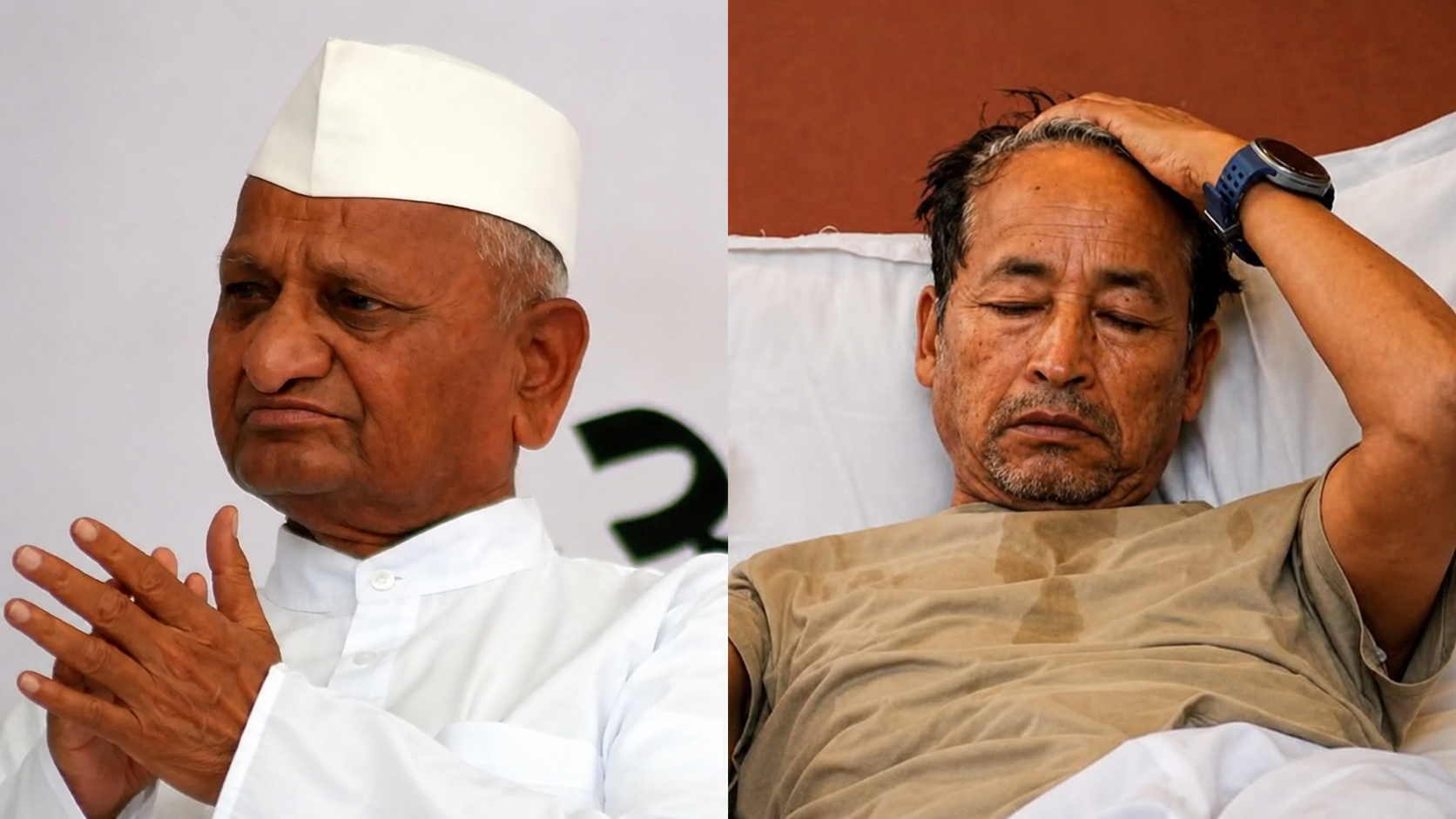
On a Sunday afternoon, a courtroom in Delhi became the stage for one of medicine’s oldest ethical dilemmas: Can the state save a competent adult from choices that person does not want?
During a special hearing before the Delhi High Court, Dr Gitanjali Angmo sought permission to transfer her husband, climate activist Sonam Wangchuk, from Safdarjung Hospital to a medical facility of his choice. The Court declined interim relief, observing that since Wangchuk had not voluntarily admitted himself despite deteriorating health, the government was justified in intervening to protect his life. “Every life is precious,” the Court observed.
Few would dispute that sentiment. Physicians are trained to preserve life, governments have a duty to protect citizens, and courts naturally hesitate to permit preventable deaths.
Yet, medicine has long recognised that preserving life is not its only ethical obligation.
The Wangchuk case raises a fundamental question: When beneficence — the duty to act in a patient’s best interests — conflicts with the wishes of a mentally competent patient, which principle should prevail?
This question is not new.
In the 1980s, Elizabeth Bouvia, a young woman with severe cerebral palsy, found herself at the centre of a similar ethical storm in California. Although quadriplegic and completely dependent on others for daily care, she was mentally competent. Believing her quality of life to be intolerable, she refused artificial feeding and attempted to die through self-starvation.
Unable to reconcile themselves with watching a patient starve, clinicians inserted a nasogastric tube against her wishes. Their reasoning was straightforward: Ms Bouvia was not terminally ill and could live another 15 to 20 years with adequate nutrition. Beneficence demanded intervention.
She sued.
The trial court sided with the hospital, holding that the state’s interest in preserving life outweighed her refusal. But the appellate court overturned that decision. It affirmed that a mentally competent adult has the right to determine what happens to their own body, including refusing life-sustaining treatment. The state’s interests in preserving life and preventing suicide, important though they were, could not override an informed and competent refusal.
The judgment did not endorse an attempt to die. It upheld autonomy. That distinction is crucial.
Too often, these debates are framed as a choice between “saving life” and “allowing death”. In reality, they ask a different question: Who decides what constitutes benefit?
Clinicians often define benefit in terms of survival and recovery. Governments see benefit in protecting life. Courts weigh constitutional obligations. Patients, however, experience benefit through their own values, beliefs, and understanding of what makes life worth living.
Quality of life is not just a clinical measurement. No physician, judge, or government can objectively determine another person’s threshold for dignity, suffering, or acceptable quality of life. That is why modern bioethics places such importance on autonomy.
The World Medical Association’s Declaration of Malta on Hunger Strikers directly addresses this conflict. It recognises that beneficence urges physicians to preserve life, but respect for autonomy requires them to honour a competent person’s informed refusal of treatment. It concludes that hunger strikers should not be forcibly treated and that forced feeding against a voluntary refusal is ethically unjustifiable.
The American Medical Association’s Code of Medical Ethics reaches a similar conclusion. Physicians have obligations both to sustain life and to relieve suffering. Where these duties conflict, the patient’s preferences should prevail, provided the individual has decision-making capacity.
This does not diminish beneficence; it redefines and broadens it. Beneficence is not simply doing what clinicians believe is medically best. It is acting in the patient’s best interests as defined by the patient, not by the healthcare system or the state.
Whether one agrees with a hunger strike or any form of political protest is ethically beside the point. The relevant question is whether the individual possesses the capacity to make an informed decision. If the answer is yes, respecting autonomy becomes not merely a legal obligation but an ethical imperative.
Cases like Wangchuk’s remind us that medicine’s highest calling is not simply to prolong life but to respect the person who lives it. An ethical health system is measured not only by how many lives it saves, but also by how faithfully it honours the values of those whose lives it seeks to protect.
If patient-centred care is to mean anything, the patient’s own preferences must remain sacrosanct — even when beneficence points in another direction.
The writer teaches at University College of Medical Sciences, Delhi, and is a disability justice advocate. Views are personal