

Pratap Bhanu Mehta writes: Dear students struggling with exam chaos and scams
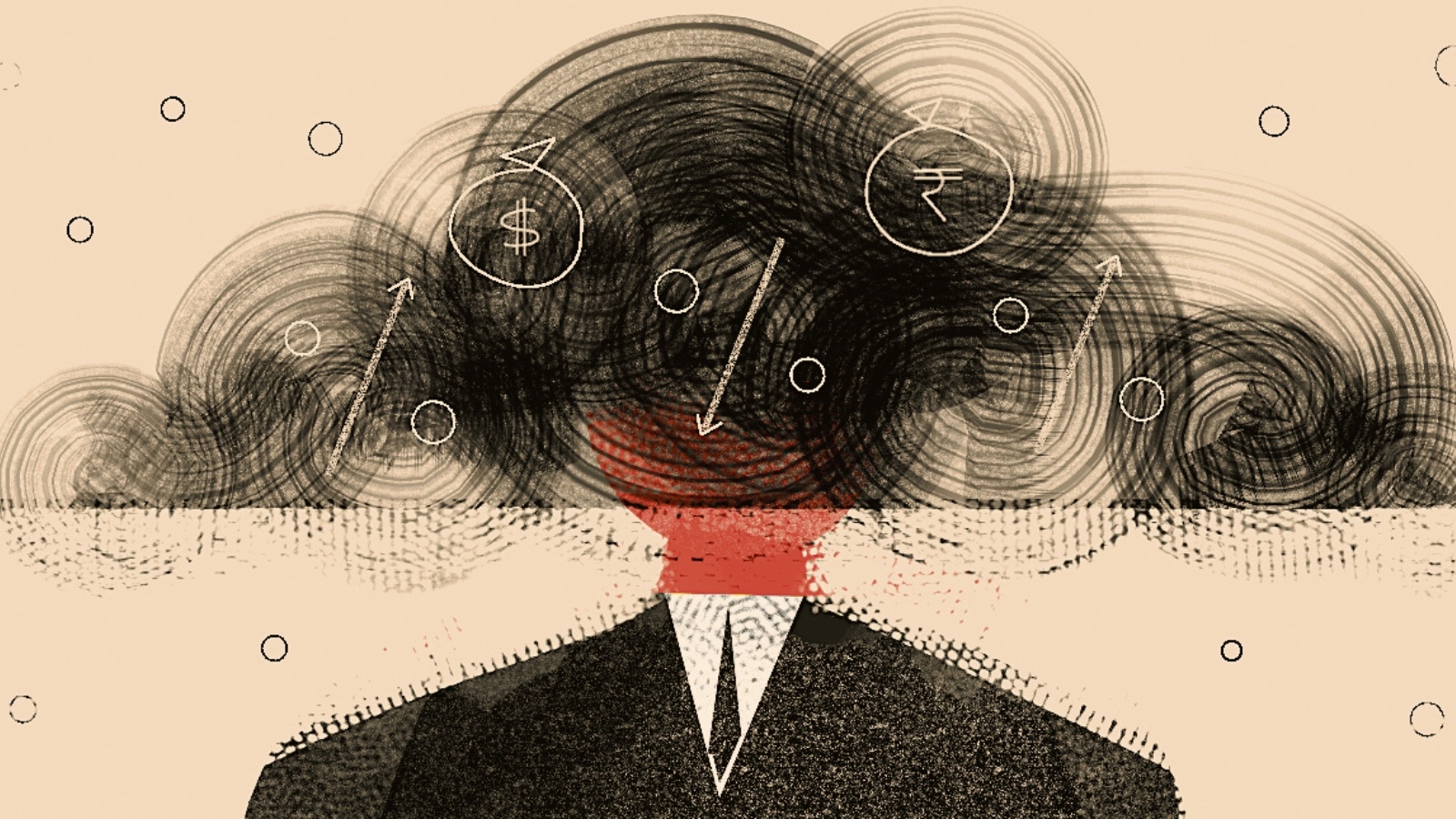
I will let you in on a secret. The whole purpose of India’s exam industry, with a few minor exceptions, is no longer to expand opportunity or prepare the country for global competition. Our education ministers, at both the Centre and the states, have been among the greatest gifts we could have given to China and our competitors
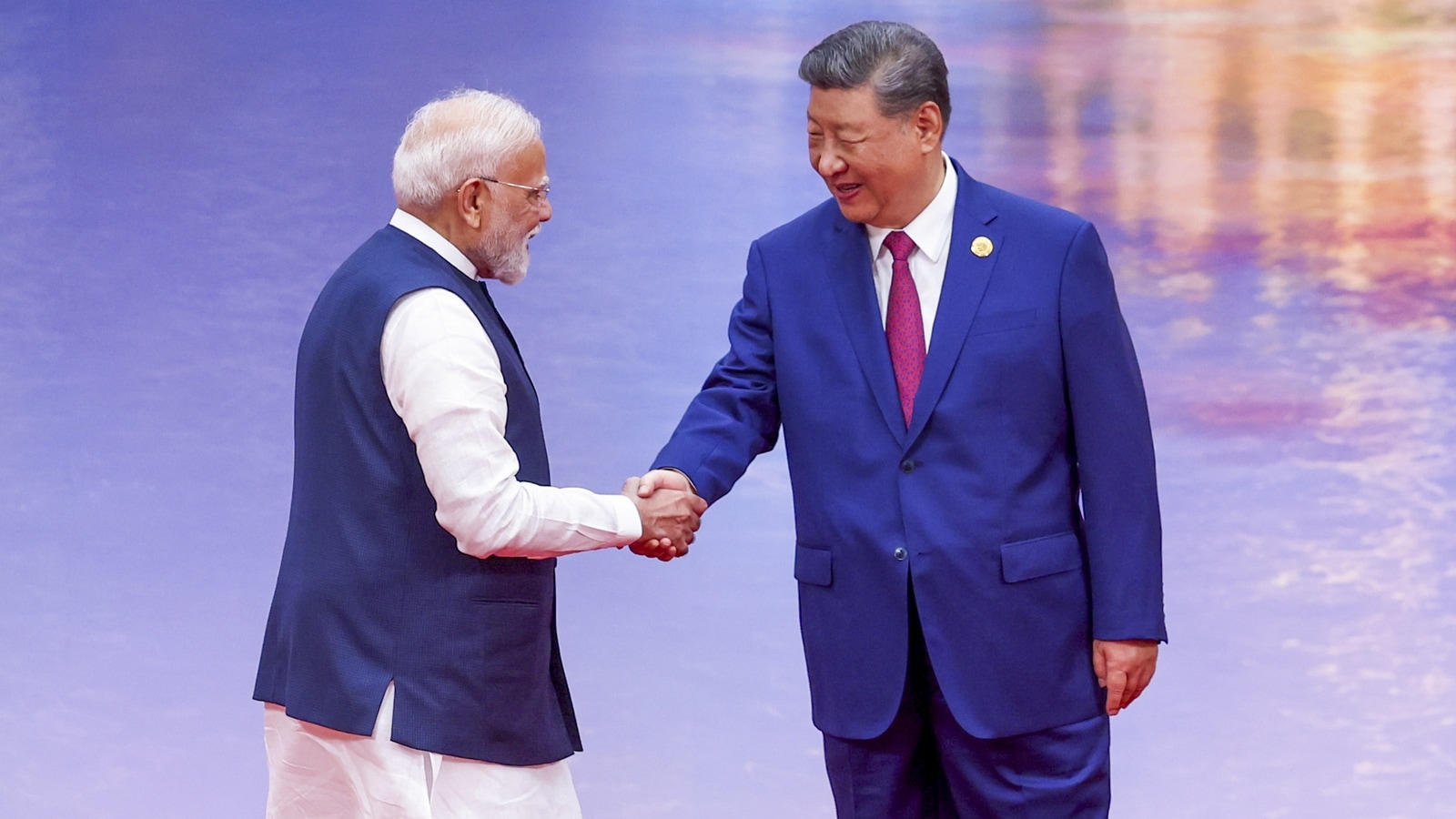
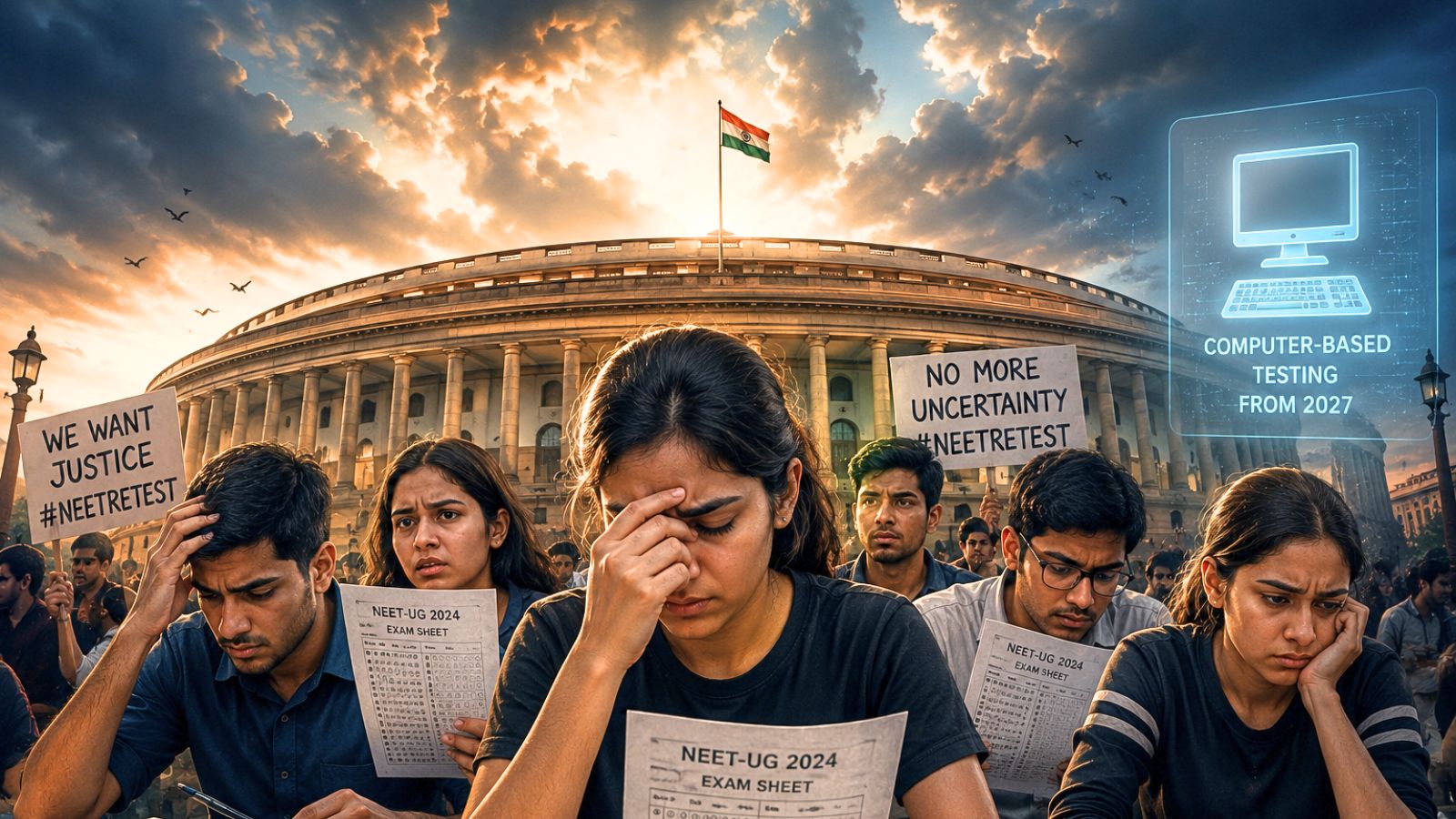
I wish, as educators, we could look you in the eye and say what the government will not, that we are sorry for all the exam-related stress India causes you. Exams are stressful, and the latest NEET and CBSE scandals will add to the stress by diminishing trust in the system. But you see, we cannot say sorry. After all, the prime minister himself wrote an inspiring book for you called “Exam Warriors”.
You are warriors in the service of the nation. In case you had any doubts, the Hindi translation of the prime minister’s book also uses the English term “warrior”. War is a cruel business. Battlefield chaos is never pretty; there are glitches, casualties, and setbacks. The prime minister himself gave you recipes for reducing exam stress, making yourself physically fit by doing yoga and pranayama, all sage advice if you do believe exams are like wars.
The education system might seem to you like organised and systematic cruelty. It is, and it is by design. But it is preparing you for the battlefield that is Indian society: It tests your endurance. To spruce things up, we have injected an element of chaos. Like warriors, we do not expect you to get upset, to complain, to hold the highest authorities accountable, to ask questions, like what is the whole point of this cruel system. Like warriors, you take this on the chin, be stoic about it, and get ready for battle again.
You see, all we can offer you is a character-building exercise. After all, India’s foundations are built on that. When the economy you will enter is in distress with fewer jobs, we will ask you to sacrifice for the sake of the economy. Even our actual warriors, the soldiers, have to rely largely on their character. For a government strong on defence, the budget for procurement was stagnant for a decade. And look, real soldiers also work under conditions where there are procurement delays and maybe even scams. Now this has happened in exams: Think of a dysfunctional OSM system as the equivalent of our brave Air Force not getting planes on time. Defence needs character. So does higher education.
We could reduce the stress on you by increasing investment in higher education, by making sure that the stakes in every marginal mark in these exams were not so high as to drive you to despair. If you had more options, perhaps the stress would be less. But then what would happen to your character? Notice the pattern here: Economic reforms on the cheap. No real investment and attention to systems that will make the economy attractive. Defence on the cheap. And higher education, even exam systems, on the cheap. But the country marches on, built on your endurance, stiff upper lip, national pride, and a few breaths of yoga.
With education, there is something else. After all, this is the testing ground for One Nation, One Everything. The power of ONE is more important than the objectives of the exam. So let us build centralised systems. You might think exams like CUET are unnecessary and serve no pedagogical purpose whatsoever. But the purpose is not pedagogy: It is exercise. Does a soldier ever complain about “excessive” exercise? Does a warrior complain about the Centre you get? Think of the distant Centre as a posting in tough terrain. The testing industry is also a big boost to GDP; the same education shows up as a “private good” and boosts your GDP numbers.
The total spending on private tuition now exceeds the entire central government allocation on Higher Education, and this may be understating the problem. The Comprehensive Modular Survey, based on the NSS’s 80th round, shows not just that slightly under half of all students are in private tuition, but remarkably, 11 per cent of kids in pre-school are in private tuition. Don’t get angry at the government if you don’t make it. Direct your anger at parents who did not start this whole process early enough. Warriors are, after all, built at home.
I will let you in on a secret. The whole purpose of India’s exam industry, with a few minor exceptions, is no longer to expand opportunity or prepare the country for global competition. Our education ministers, at both the Centre and the states, have been among the greatest gifts we could have given to China and our competitors. When PM Narendra Modi asked Indians to tighten their belts to conserve foreign exchange, he asked us not to buy gold, or to cut down on foreign travel. But he could not, with a straight face, ask Indians not to spend money abroad on foreign education. Somewhere, deep down, the political class knows the truth about this system.
Kunal Mangal’s insight into UPSC aspirants applies more broadly to an entire generation. India’s brightest and most educated young people spend the most creative years of their lives moulding themselves into exam warriors. A few will emerge decorated with medals. Most, like valiant unknown soldiers, will disappear into anonymity. Old and useless educators like us complain that young people do not read, do not protest, are docile, hyper-careerist, and forever struggling for the last mark. At most, they register discontent through an online click. But how is collective action even possible in a system deliberately designed to atomise individuals and subject them to a long, solitary, suffocating road of endless competition that keeps them permanently exhausted, running from pillar to post?
These examinations are not merely instruments of evaluation. They are instruments of social control, and extraordinarily effective ones at that. With apologies to Lord Tennyson, the message of the system is no longer to ask why or how, but simply to do and die. And oh, don’t forget to buy the lovely Penguin edition of Exam Warriors. It will get you through these re-exams and revaluations.
The writer is contributing editor, The Indian Express