

Elections brought our households to a stop: The domestic labour crisis urban India keeps ignoring
As workers return to cities again, perhaps it is time to think afresh about dignity and respect for people who provide essential services, create fairer contracts that recognise human effort and maybe also build these skills for ourselves
By Garima Agarwal
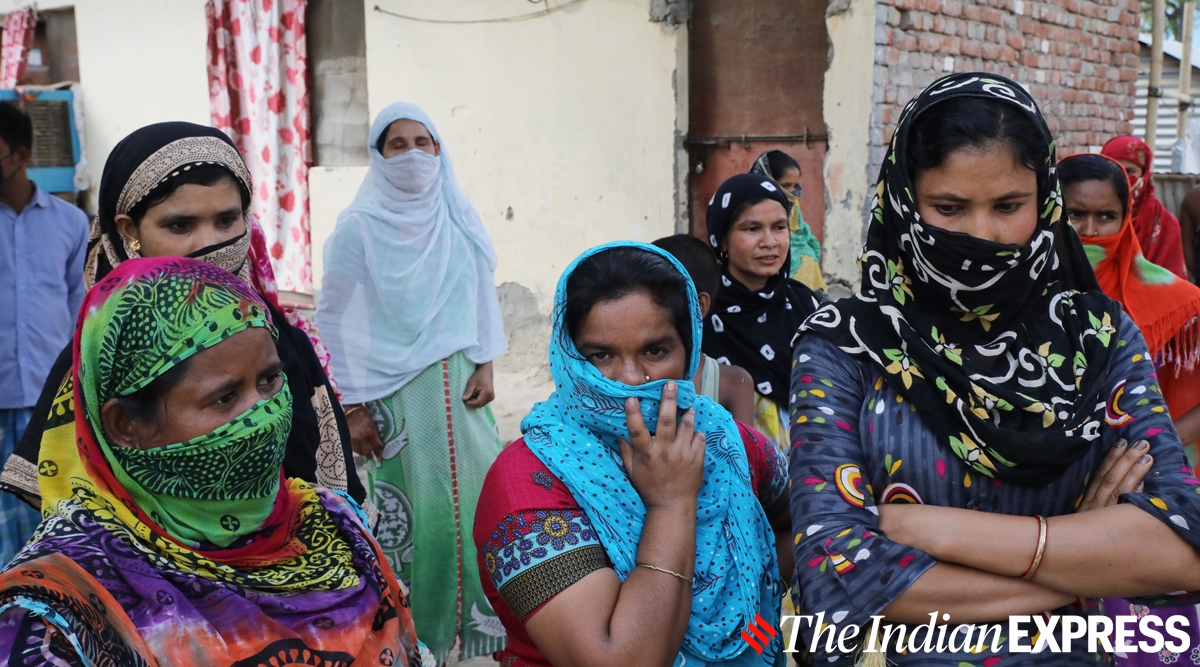
The dust has only just begun to settle on the West Bengal election. This poll, which saw historic voter turnout and a new mandate, was being tracked by another unlikely stakeholder — the urban elite. The typical members of this group, like you or me, live in gated societies in metros like Delhi NCR or Bangalore, work for a private firm or run a start-up, and are likely amongst the top 1 per cent earners in the country. Where does the election come in, you ask? These high-powered lives are held together by a steady supply of support services from migrant workers, many of whom are from West Bengal and, therefore, returned home to vote in a crucial election.
Domestic staff — maids, cooks, drivers, and nannies — cater to the hyper-personalised needs of employers who have almost never attempted such tasks themselves. Their absence triggered a “crisis” in urban homes. Who had the time to discuss the BJP vs Didi contest, given the more immediate problems of JPB (jhaadu–pochha–bartan) without your didi? Instagram reels set to songs of labour struggles showed young couples buckling under the pressure of mundane chores. The caption would read: “Your maid has gone home to vote and now your marriage is being tested.” About a month ago, a popular reel showed a Bengali cook asking his (non-Bengali) employer for leave to go home and vote. The visibly distressed employer asked what the real need to travel was and generously suggested time off during Diwali instead. What an inconvenience democracy can be!
This class divide is not new and reflects in the labour contract for domestic work — low pay, a seven-day week, unclear scope of work, and general lack of respect. Workers negotiate terms individually with multiple employers. An interesting development in this sector is the emergence of app-based gig platforms. For Rs 100-150 an hour, these apps allow customers to book well-trained professionals for a miscellany of household tasks. Professionals arrive at the designated time in branded uniforms, request an OTP to start a timer on their phones, wear aprons, and get to work. The phone goes off to signal the end of the service, and that’s where the contract ends. Many of these seemingly small changes are unprecedented. In return for standardised services and predictable supply, customers are now pushed to respect contractual boundaries. Extra time and tasks are now clearly priced. The entry of an organised third-party may give workers real bargaining power and dignity.
When I first used this service in February, I could log on and book services instantly. I was matched with Safina (name changed), an excellent worker, incidentally also from Bengal. I would plan my housework around her availability and even offered her a regular job. She refused, saying she preferred the app for better pay and flexible hours.
When my regular help left for the elections, I turned to the apps again. This time around, Safina was unavailable, as were many others. I had to constantly switch between platforms to find one elusive slot, even days later, only to have last-minute delays. The likely cause was the sharp decline in labour supply from Bengali migrants. As economic theory would predict, this negative shock to supply pushed up wages. Hourly app rates increased, and even traditional contracts became costlier as urban employers scrambled to keep households running. Is this wage revision permanent, or will the market snap back to the old equilibrium as labour supply stabilises? The scale of disruption caused by an entirely anticipated event has once again exposed how precarious the urban informal labour market really is.
The app-based outside option for workers may have positive spillover effects on traditional contracts and alter labour market norms. It remains to be seen, however, whether and how much workers will actually benefit. During the election crunch, many app-based domestic workers likely clocked 10-11-hour days moving across multiple unfamiliar homes to service back-to-back bookings with few breaks. Customers tend to extract the most value for booked hours, but who is tracking the toll on the worker? The commodification of human labour is a worrying trend and a product of the same mindset that has perpetuated such lopsided work arrangements in the first place.
For many of us, the first time we cleaned or cooked for ourselves was during the Covid-19 lockdown or during a stint abroad where the labour costs might have been prohibitive. And while we talked about our exhaustion for months, we don’t seem to remember that as employers. As workers return to cities again, perhaps it is time to think afresh about dignity and respect for people who provide essential services, create fairer contracts that recognise human effort, and maybe also build these skills for ourselves? Something is not right if a state election thousands of kilometres away can bring our households to a halt.
The writer is an assistant professor of Economics at Azim Premji University, Bangalore. She works on issues of women’s participation in the economy. Views are personal