

What ‘Dhurandhar’ understands about the vulnerable man that other ‘masculine’ films don’t
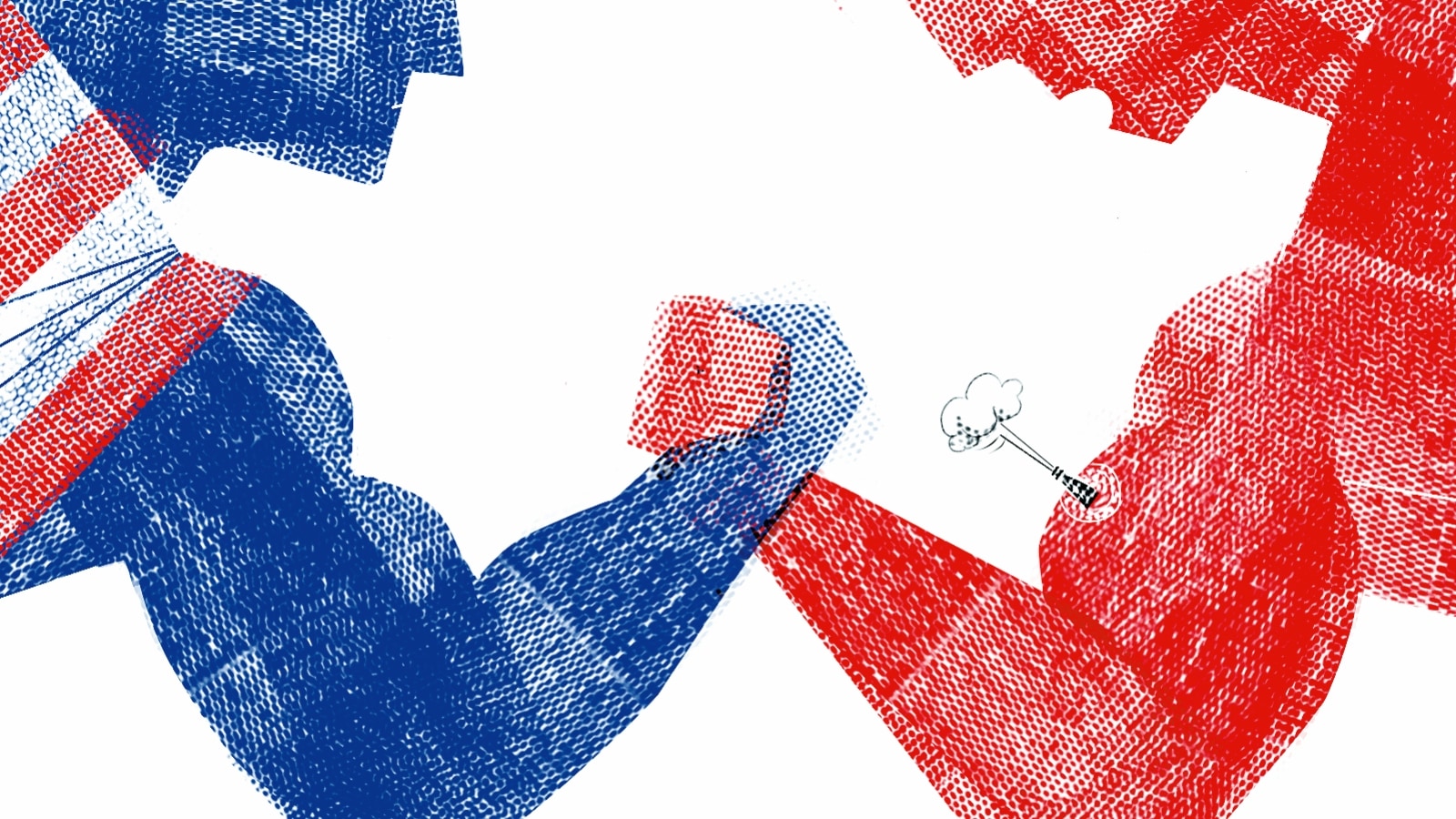
In an era of films like 'Animal', 'KGF' and 'RRR', that pay homage to indestructible strength and the heroic 'aura', the quiet, weary masculinity of Jaskirat Singh Rangi offers a rare — and disappearing — bridge to a more relatable truth
Written by Shama Rana
The idea of the “leading man” in Indian cinema has changed quietly, but drastically. What was once internal, hesitant, and deeply human has, over time, turned louder, and far more performative. Strength today is no longer something you discover, it is something you declare.
In fact, you don’t even need cinema to see this shift. Step out into streets of Delhi-NCR, and “alpha masculinity” introduces itself before the man does, usually in a black Thar, Scorpio or Fortuner, music blaring, presence announced rather than earned. And more often than not, caste pride is stamped across the windshield, as if identity itself must arrive in bold font. Subtlety, clearly, did not survive the transition.
Cinema hasn’t just reflected this change, it has amplified it. The modern hero, much like that passing SUV, does not wait to be understood, he insists on being seen.
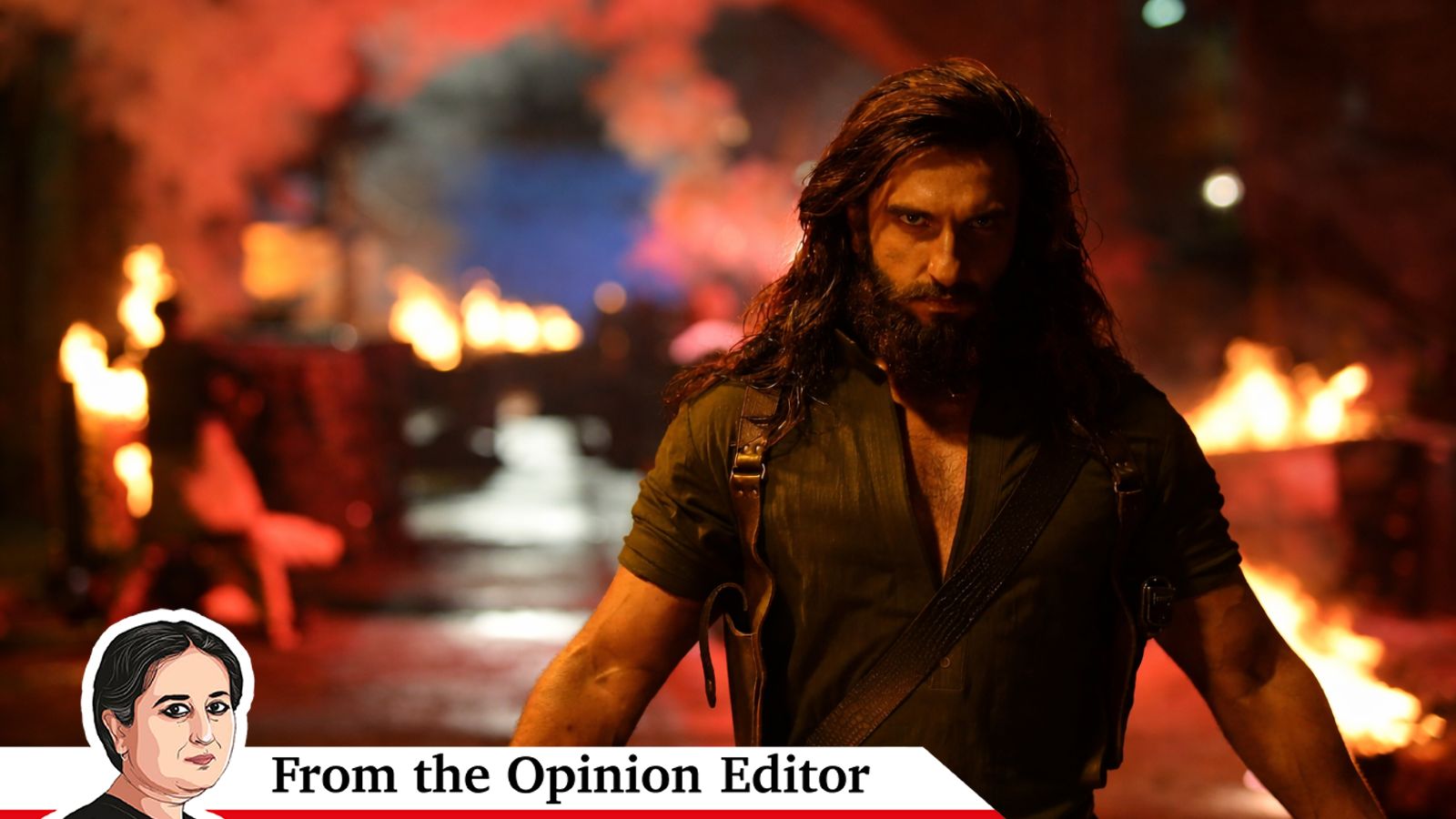
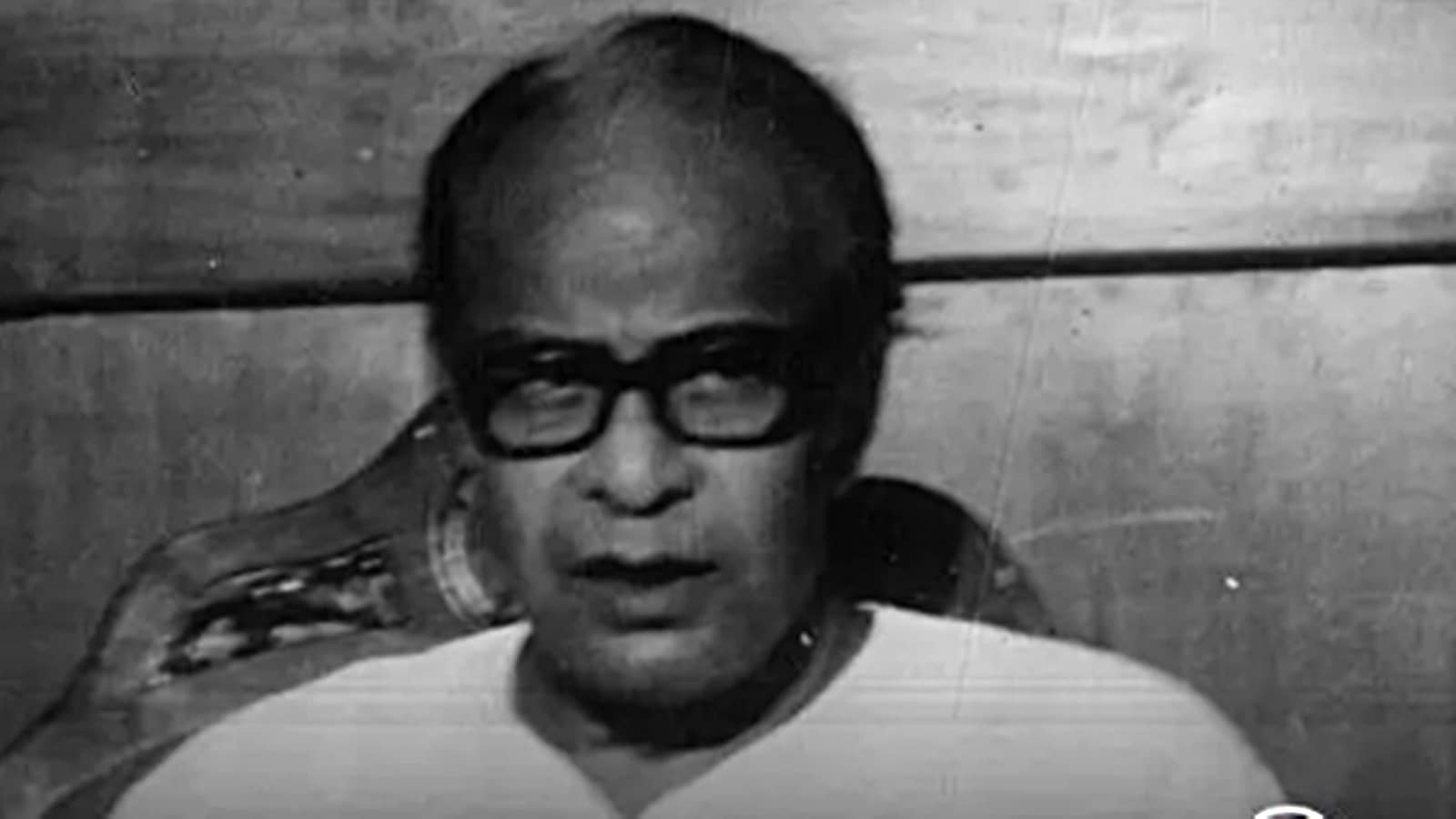
To understand how we got here, it helps to look at the space in between, the bridge that connects these two worlds. That bridge is the 2025 film Dhurandhar and its sequel, which was released last month. Because what those films offer now feels strangely rare, a masculinity built not on dominance, but on ache. A vulnerability that didn’t need to be justified or stylised. And when you place that beside the hyper-charged heroes of RRR, Animal, or the KGF saga, the difference becomes impossible to ignore.
When strength still felt fragile
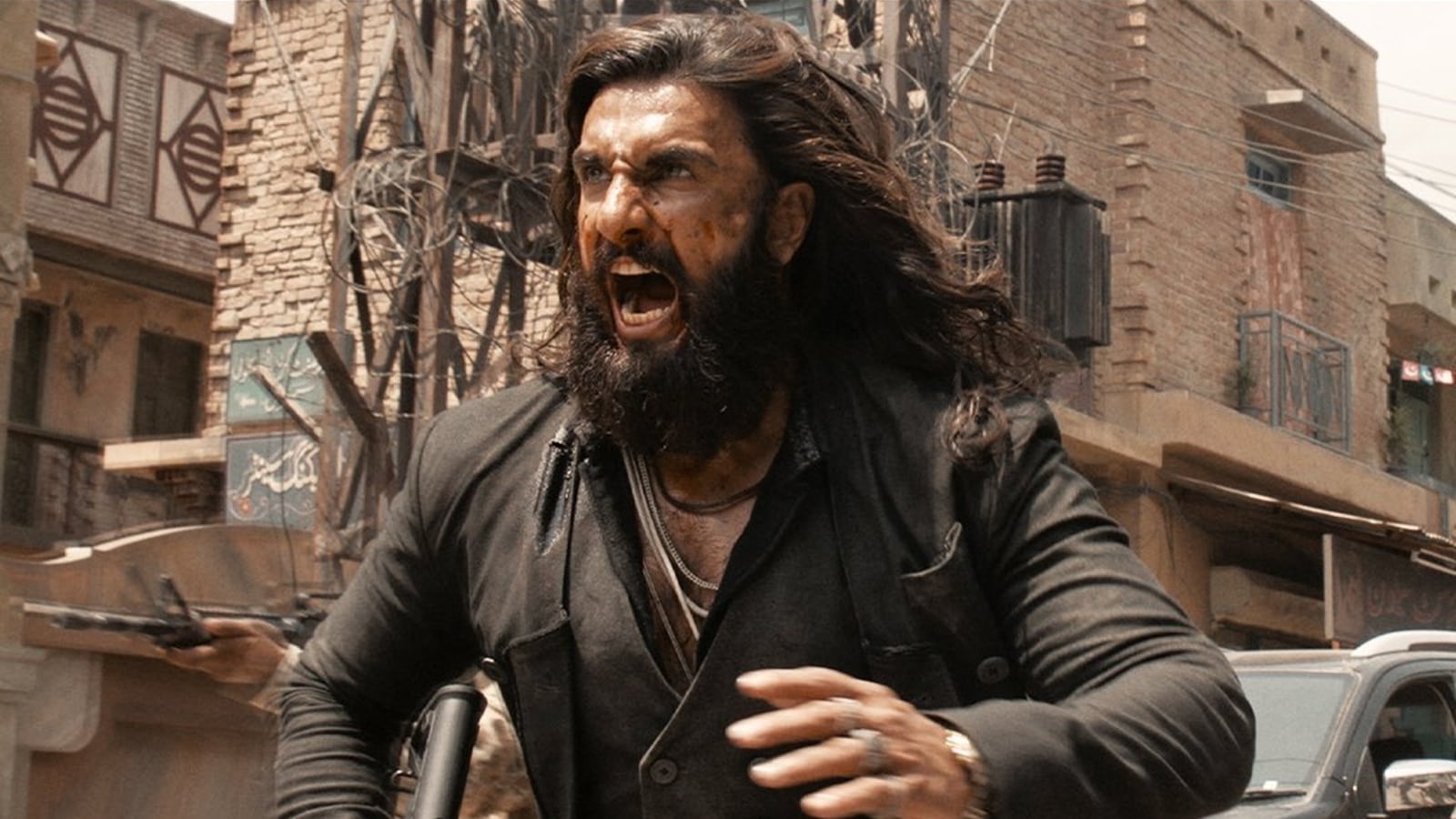
In Dhurandhar and Dhurandhar: The Revenge, strength is never a given. It is something the protagonist had to return to, again and again, often after losing parts of himself along the way.
There is a certain intimacy to these films. When the hero comes home, he doesn’t just carry victory with him, he carries fatigue, doubt, and the residue of what he has endured. The quiet moments matter as much as the action, sometimes even more. You can see it in the way the camera stays with him, just a little longer than expected, catching that flicker of hesitation, that pause before he speaks, that weight he can’t quite put down.
Masculinity here isn’t about certainty. It is about negotiation, between duty and fear, between expectation and exhaustion. It is about holding yourself together even when something inside you is quietly falling apart. That “ache” makes the hero legible. You don’t just watch him, you recognise him.
When pain becomes spectacle
Move into the world of RRR, and that intimacy expands into something much larger, almost mythic. Vulnerability doesn’t disappear, but it changes shape. It becomes visible, amplified, turned outward. Pain is no longer something private, it becomes something performative, something that inspires, mobilises, and transforms.
In RRR’s whipping scene, wounds are not just suffering. They represent endurance elevated to spectacle. The victim’s body becomes a symbol. His pain belongs to the crowd. There’s a beauty to this, no doubt. The scale, the emotion, and the sheer operatic intensity. But it also moves the hero away from the familiar. He is no longer the man next door. He becomes something closer to a monument. The crack in the armour doesn’t weaken him, it hardens him further.
When hurt turns into rage
If RRR mythologises masculinity, Animal distorts it. This is where the distance from Dhurandhar feels the sharpest. Because in Dhurandhar, pain softens the hero, making him more aware, more careful, more accountable. In Animal, pain does the opposite. It justifies excess. It becomes a reason to dominate, to lash out, to control.
The modern “alpha” here is constantly performing himself. He speaks about power as much as he exercises it. There is a restlessness to him, a need to prove, again and again, that he cannot be diminished. And somewhere beneath that performance lies something more fragile, an insecurity that never quite settles.
Unlike the Hamza/Jaskirat Singh Rangi, the protagonist of Dhurandhar, who remains tethered to consequence, Animal’s hero Ranvijay Singh exists in a space where accountability barely touches him. Vulnerability is not something to sit with, it is something to weaponise.
When aura replaces emotion
Then there is the world of KGF and similar “mass” cinema, where the hero is less a person and more a presence. Here, the “ache” disappears almost entirely, replaced by aura.
The camera doesn’t observe the hero, it elevates him. He is framed against fire, introduced in silhouette, accompanied by music that insists on his greatness before he has even acted.
There is no hesitation, no visible doubt. Even when he is hit, the moment is not about impact, but anticipation, waiting for the inevitable, stylised retaliation. You don’t feel his pain. Rather you are made to feel his inevitability.
The gradual loss of the inner world
What connects films like Animal, RRR, and KGF, and separates them from Dhurandhar, is this gradual fading of the interior. The inner life of the hero, his doubts, his contradictions, his quieter fears, begins to shrink. In its place comes spectacle, certainty, and performance.
These films offer something powerful, a fantasy of control, of invincibility, of being untouched by the messiness of being human. But they also create distance. You watch, you admire, and you end up feeling overwhelmed. But you don’t always relate.
Dhurandhar works differently. It invites you in. It allows you to sit with the hero, not just cheer for him. His vulnerability isn’t a weakness in the narrative, it is the bridge that made the story feel real.
Why that ache still matters
There is a risk in equating strength with the absence of feeling, in suggesting that to be powerful is to be unaffected, unshaken, unbreakable. Because the most compelling thing a hero can do is not conquer the world, it is to remain human within it.
That is what Dhurandhar and its sequel understand so instinctively, that the “ache”, the exhaustion, the fear of not being enough, is not something to hide, but something that connects. And perhaps that is why, even now, in an era of louder, bigger, more indestructible heroes, there is still a longing for that older, quieter truth.
Not for the man who cannot be broken, but for the one who can be, and chooses to keep going anyway.
Rana is a Gurgaon-based writer and research scholar at MDU, Rohtak