

What we cheer for when we applaud the violence in Dhurandhar 2
The background score is loud, constant, and almost overwhelming. It keeps you from disengaging. The pacing is tight, the visuals striking. You are pulled in, scene after scene, until your responses begin to follow the film’s rhythm
A few days ago, I went to the theatre with a friend to watch Dhurandhar: The Revenge. We weren’t just watching the film, we were also observing the audience. And very quickly, something became clear. People weren’t clapping at emotional moments. The loudest cheers came when someone was killed, when violence was delivered in the name of the nation and family. The violence was so severe on some occasions that we were forced to close our eyes. These were the exact moments that elicited the loudest clapping, hooting, and chants inside the theatre. That reaction is not an accident. The film gradually builds to it.
At one level, Dhurandhar: The Revenge is a revenge story. A young man, Jaskirat, returns home to find his family destroyed — his father killed, his sister raped and murdered. The system fails him, so he takes justice into his own hands. But the film doesn’t stop there. It slowly expands this personal revenge into something larger, into a story about the nation, about duty, and about who deserves violence. To be clear, the film does not present Pakistan in a sympathetic light, and it shouldn’t. The country’s own history with terrorism and instability is real, and the film draws from that. But what it does alongside this is more complex and troubling. Through repeated use of Islamic symbols, religious slogans, and visual markers, the film begins to blur the line between a geopolitical enemy and a religious identity. Islam, as a religion, becomes entangled with the figure of the enemy. And once that happens, the shift is subtle but significant: Muslims, more broadly, risk being seen through that same lens.
This is not always explicit. In fact, the film often insists that the fight is against terrorism, not against the people. But the imagery, the repetition, the emotional cues, they work differently. They seem to build an atmosphere where suspicion and hostility begin to feel natural. In a country like India, where identities are already politically charged, such portrayals can easily spill over. At the same time, the film draws heavily on an already existing sentiment, an underlying anger, a ready-made hostility, and amplifies it through spectacle. Explosions, stylised action, and continuous violence keep the audience engaged, even overwhelmed. You don’t really get time to pause or reflect. You react. And the film succeeds precisely because of this. It doesn’t need to convince you; it needs to align with what you already feel and intensify it.
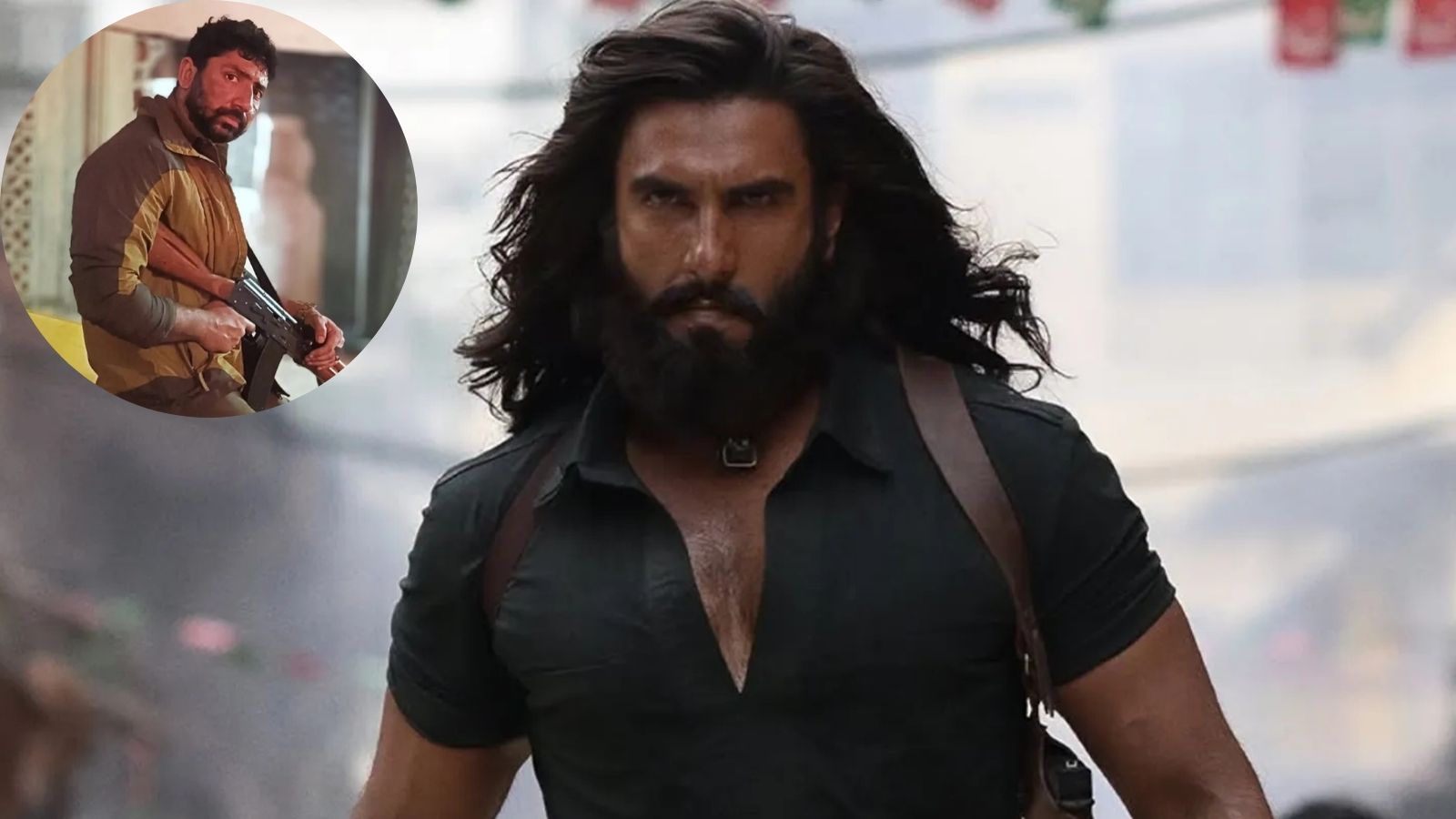
The narrative also ties itself closely to recent political developments. The moment Narendra Modi takes the oath as Prime Minister becomes a turning point in the film’s world. After that, geopolitics seems to shift. The nation suddenly appears more decisive, more assertive. At times, it appears that the protagonist, Hamza, is taking on the persona of a larger political figure. He abandons his house, gives up everything, and devotes his entire life to the nation. In many respects, the film depicts him as a symbolic extension of that leadership, embodying devotion, aggression, and national purpose.
This is strengthened by specific narrative choices. Demonetisation policies are presented in a way that justifies them, with direct links to terrorism and counterfeit economies. The bigger message is clear: Previous governments failed, but after 2014, everything changed. The nation grew stronger and more in control. What matters is how seamlessly the film integrates these ideas into its storytelling, making them feel natural, even inevitable. And all of this is carried forward by the film’s sensory design. The background score is loud, constant, and almost overwhelming. It keeps you from disengaging. The pacing is tight, the visuals striking. You are pulled in, scene after scene, until your responses begin to follow the film’s rhythm.
By the end, the question is not just what the film shows, but what it makes us do as viewers. What do we cheer for? What do we accept? What begins to feel normal?
Bunkar writes on caste and cinema