

Our democracy needs women. Implementation of Women’s Reservation Act cannot be deferred any longer
Voluntary commitments by political parties have largely remained symbolic and rarely translated into actual representation. A constitutional mandate creates an obligation to field women candidates
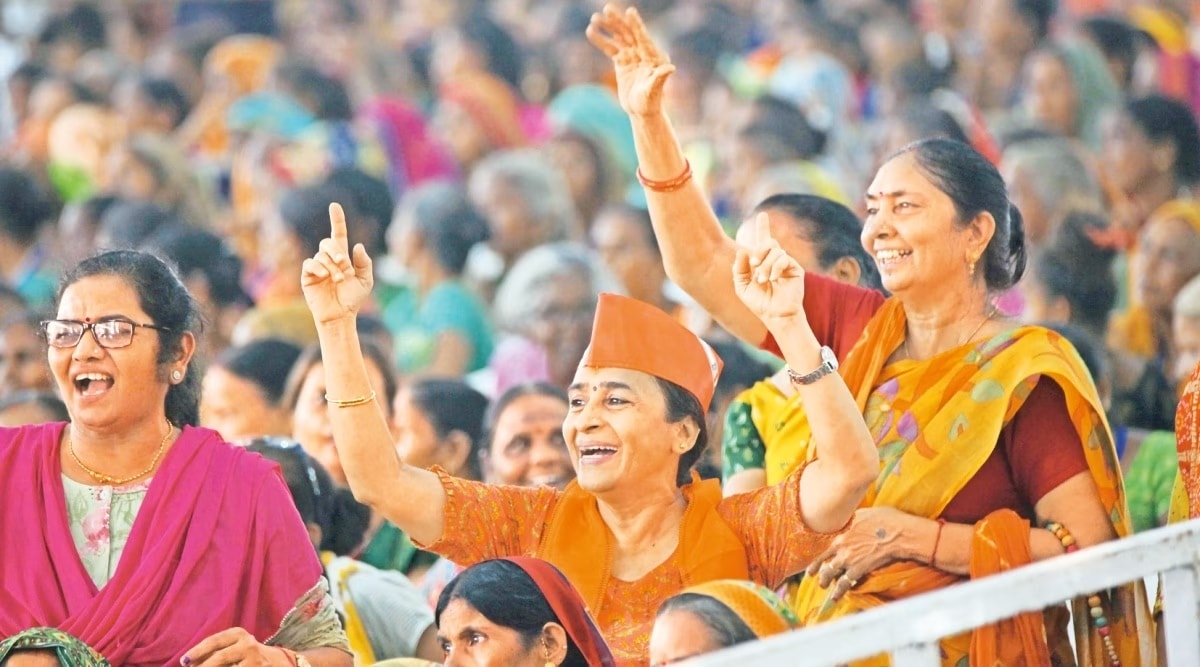
The renewed buzz around the implementation of the landmark Nari Shakti Vandan Adhiniyam has rekindled hope for women in this country. When it was passed in 2023, it was celebrated as a historic milestone despite certain flaws. One of the major criticisms was the abstruseness of the implementation timeline, as it was tied to a delimitation exercise following the first post-amendment census. It was a promise deferred indefinitely.
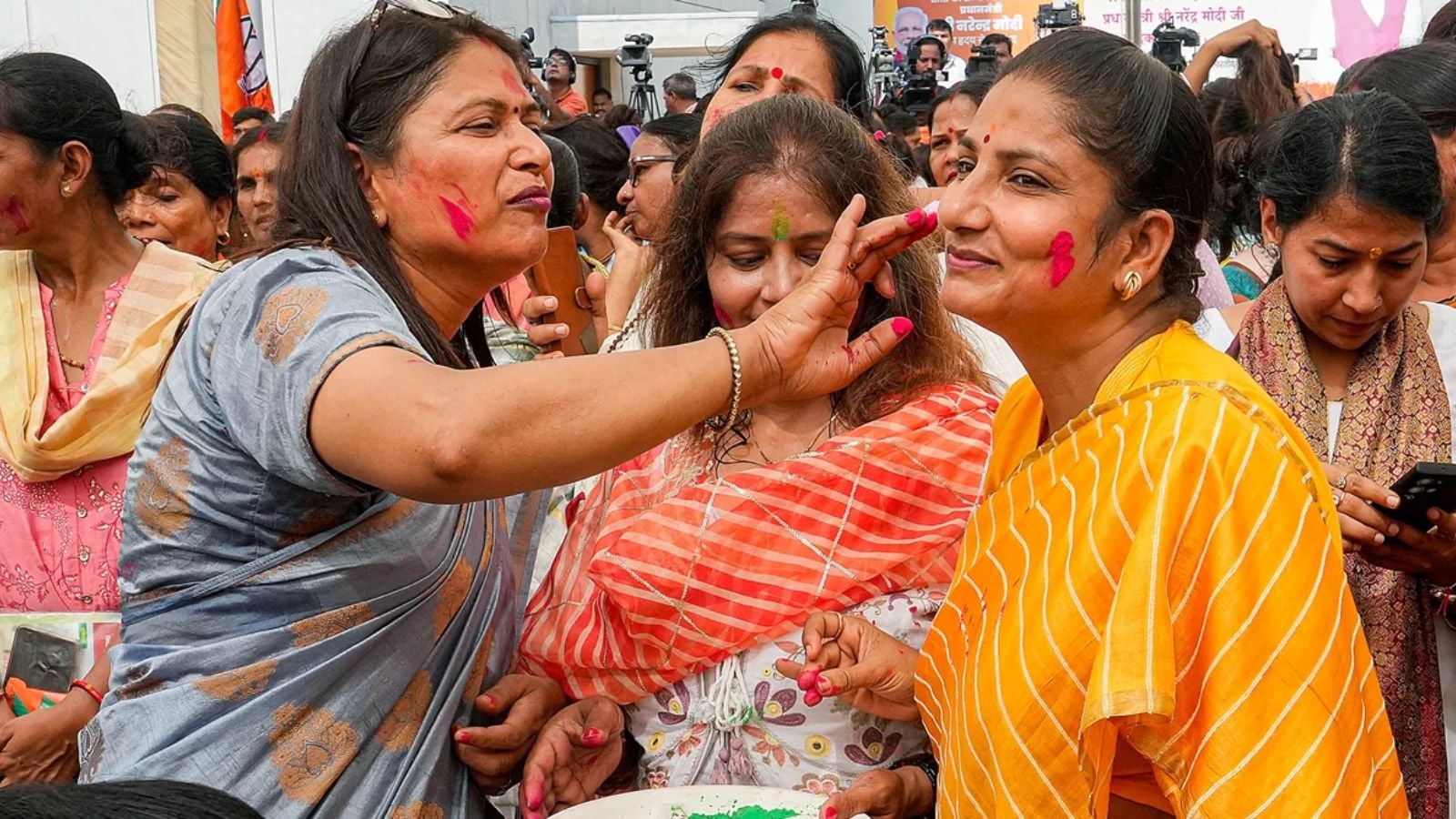
Our political parties have failed to give women rightful representation. According to the Association of Democratic Reforms, women have consistently made up only around 10 per cent of the total candidates in elections, parliamentary, and state legislative assemblies. In the ongoing Assam and Kerala Assembly elections, there are only 8 per cent and 11 per cent women candidates, respectively. No major political party in these states has come close to reflecting the spirit of the Women’s Reservation Act in its ticket distribution. Even in the current Lok Sabha, women constitute less than 14 per cent of the members. Further, the figure of women’s representation in the state assemblies is, on average, lower.
It reveals a larger truth — without a legislative mandate, there is no real change. Voluntary commitments by political parties have largely remained symbolic and rarely translated into actual representation. A constitutional mandate creates an obligation to field women candidates. We have already seen this play out at the grassroots level. Following the 73rd and 74th Constitutional Amendments, women’s representation in local bodies rose dramatically from a mere 3-4 per cent to nearly 50 per cent today. This was the result of a clear legal mandate, not voluntary reform. It is precisely for this reason that the Women’s Reservation Act needs to be urgently implemented.
The recent news of a proposal to amend the Nari Shakti Vandan Adhiniyam, reportedly enabling delimitation based on the 2011 Census and aiming for implementation by the 2029 general elections, signals a shift. The Prime Minister has rightly noted in an op-ed, “Every delay in advancing women’s representation is, in effect, a delay in strengthening the quality and inclusiveness of our democracy.”
As we inch closer to women’s reservation becoming a reality, there are some important facts that we need to consider. First, the gender quotas need to be supplemented with capacity building — training, mentorship, and institutional support, to ensure that women representatives can participate effectively. Critics often argue that women elected through quotas function as proxies, citing cases in which “panchayat patis” assumed power instead of the elected women. It is true that some elected women initially struggle to carry out their responsibilities due to their systemic exclusion from political discourse. However, studies have found that these women, when elected and exposed to the governance machinery, exercise their agency fully after a learning curve. Therefore, it becomes pertinent for political parties to provide the infrastructure and support system for women to contribute meaningfully in governance.
Second, India’s social fabric is layered, and representation without accounting for intersectionalities will leave the most marginalised women behind. Representation must be equitable with clear provisions to ensure inclusion across caste and community lines.
Finally, representation is also an ideal that must be reflected in both the upper and lower houses. The current law doesn’t provide for women’s reservation in the Rajya Sabha and state legislative councils, despite the persistently low number of women in these bodies. As the Parliament takes it forward in the upcoming extended session, there is a real opportunity to address the above omissions as well. The task is not just to increase the numbers, but also to ensure that no segment of the population, whether women, SC, ST, or other marginalised groups, remains under-represented in our law-making bodies.
This year marks 30 years since the Women’s Reservation Bill was first introduced. As all eyes turn to Parliament next week, there is a clear expectation that this moment will correct a long-standing democratic deficit. It is time for a new dawn.
Aribam is a political activist and the lead author of the book, The Fifteen: The Lives and Times of the Women in India’s Constituent Assembly