

Delivery, not delay: Why delimitation is the bedrock of women’s reservation
The Constitution is clear: Reservation must follow the map. By questioning the delimitation process, the Opposition is misrepresenting the very mandates that ensure electoral fairness
It was with disbelief that one read Sonia Gandhi’s criticism of how the government is implementing women’s reservation, particularly the suggestion that the linkage with Census and delimitation reflects undue haste.
I’m sure it is understood that women’s reservation cannot be meaningfully implemented without delimitation. It is not a delay mechanism, it is the delivery mechanism.
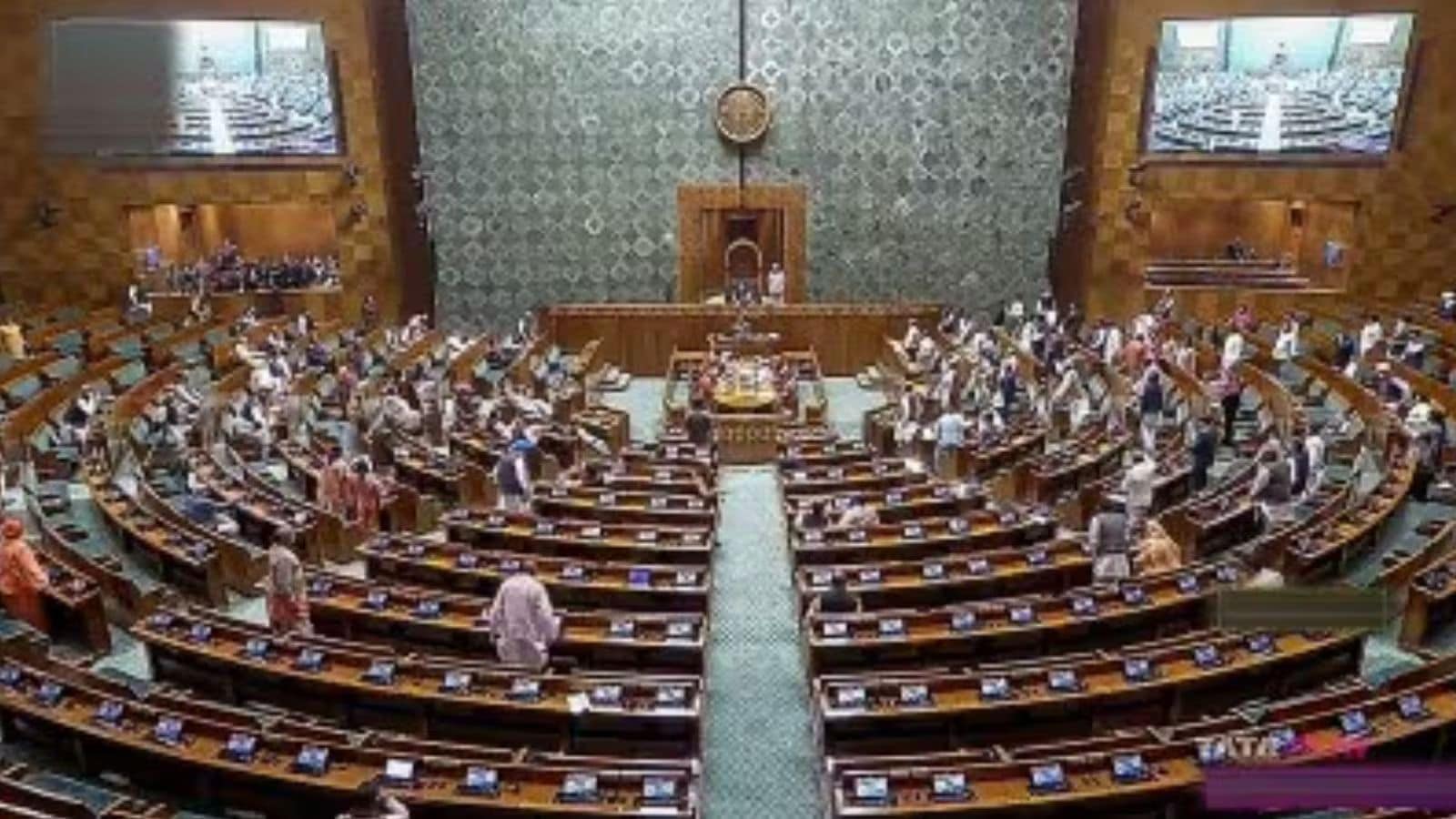
At the centre of this reform is the Nari Shakti Vandan Adhiniyam, passed by Parliament in September 2023, which explicitly mandates that reservation will come into force only after a delimitation exercise. This was not an afterthought, it was a constitutional safeguard.
In fact, delimitation is integral to the process and constitutionally grounded. However, waiting for the new caste-based Census will delay the process, pushing it to 2034.
First, transparency is paramount. The identification of reserved constituencies cannot be left to the discretion of any government. That would immediately invite allegations of political bias. Instead, the law entrusts this task to an independent Delimitation Commission, typically headed by a retired Supreme Court judge with Election Commission participation, thereby ensuring a quasi judicial and transparent process.
Second, reservation is not merely about allocating 33 per cent seats. It is about ensuring that this allocation is equitably distributed across states, regions, and social categories, including Scheduled Castes and Scheduled Tribes. This requires updated demographic data and scientific constituency mapping.
Third, Articles 81 and 82, which govern representation in the Lok Sabha, require that seats correspond, as far as practicable, to population. Without a Census, and without delimitation, any attempt to implement reservation risks violating this foundational democratic principle.
Sonia Gandhi has described the government’s approach as hurried. But let us examine the timeline honestly. India has debated women’s reservation since 1996. Multiple governments, including those led by her party, introduced bills that never translated into implementation. What is being attempted now is the opposite of haste, it is execution after nearly three decades. Delimitation will follow through an independent commission. Implementation is targeted by the 2029 general elections. This is a structured and constitutionally coherent pathway.
The delay in India’s decadal Census, originally due in 2021, was because of circumstance and transition. The process was first halted by the Covid-19 pandemic, which made large-scale field enumeration impossible. This was followed by administrative and technological shifts as India prepares for its first digital Census, alongside updating the National Population Register. Added to this were the complexities of caste enumeration, continuous election cycles across states, and logistical challenges in mobilising enumerators across a population of over 1.4 billion.
But this only reinforces the point that credible and updated data is indispensable before undertaking structural reforms in representation, policy planning, and welfare delivery.
It is therefore contradictory to acknowledge the importance of data for governance, while questioning its necessity for implementing a major constitutional reform like women’s reservation.
The real choice before us is not between speed and delay. It is between a constitutionally sound and transparent implementation that ensures fairness and withstands scrutiny, and a hurried and ad hoc rollout that could be challenged and weakened.
The MP of a constituency reflects the will of the people in his constituency. A population of 1.47 billion calls for more people’s representatives in Parliament.
The narrative that the southern states will lose out in the delimitation exercise is misplaced and misleading. Delimitation is not a zero-sum game. It is an expansion. The total strength of Lok Sabha is proposed to be increased by 50 per cent, from 543 to approximately 850 seats. Every state’s seats will increase proportionately by 50 per cent. Crucially, the existing proportion of seats among states will remain more or less the same .
If a state currently holds X per cent of Lok Sabha seats, afer expansion, it will continue to hold the same X per cent. Only the absolute number increases, not the relative share. So, no state loses representation. Instead, everyone gains more seats, equally and proportionally.
Women’s reservation is too important to be reduced to symbolism.
For the first time, India has a clear and executable pathway to ensuring that women are not just participants in democracy, but decision makers within it.
To question the very processes that guarantee its fairness is to risk repeating the mistakes of the past, where intent was expressed but implementation endlessly deferred.
The women of India do not need another endorsement of their rights. They need a system that ensures those rights are delivered fairly, transparently, and constitutionally.
And that system necessarily rests on Census and delimitation.
The Opposition is bandying around words like “haste” and “delimitation” in a desperate attempt to put a spanner in the works.
Let’s get the facts straight.
There is no haste here. The leader of opposition Rahul Gandhi had demanded instant implementation. He wanted it “today” in September 2023, within hours of the Bill’s passage. Congress held multiple press conferences across 20 cities, demanding immediate rollout. So why oppose its implementation now?
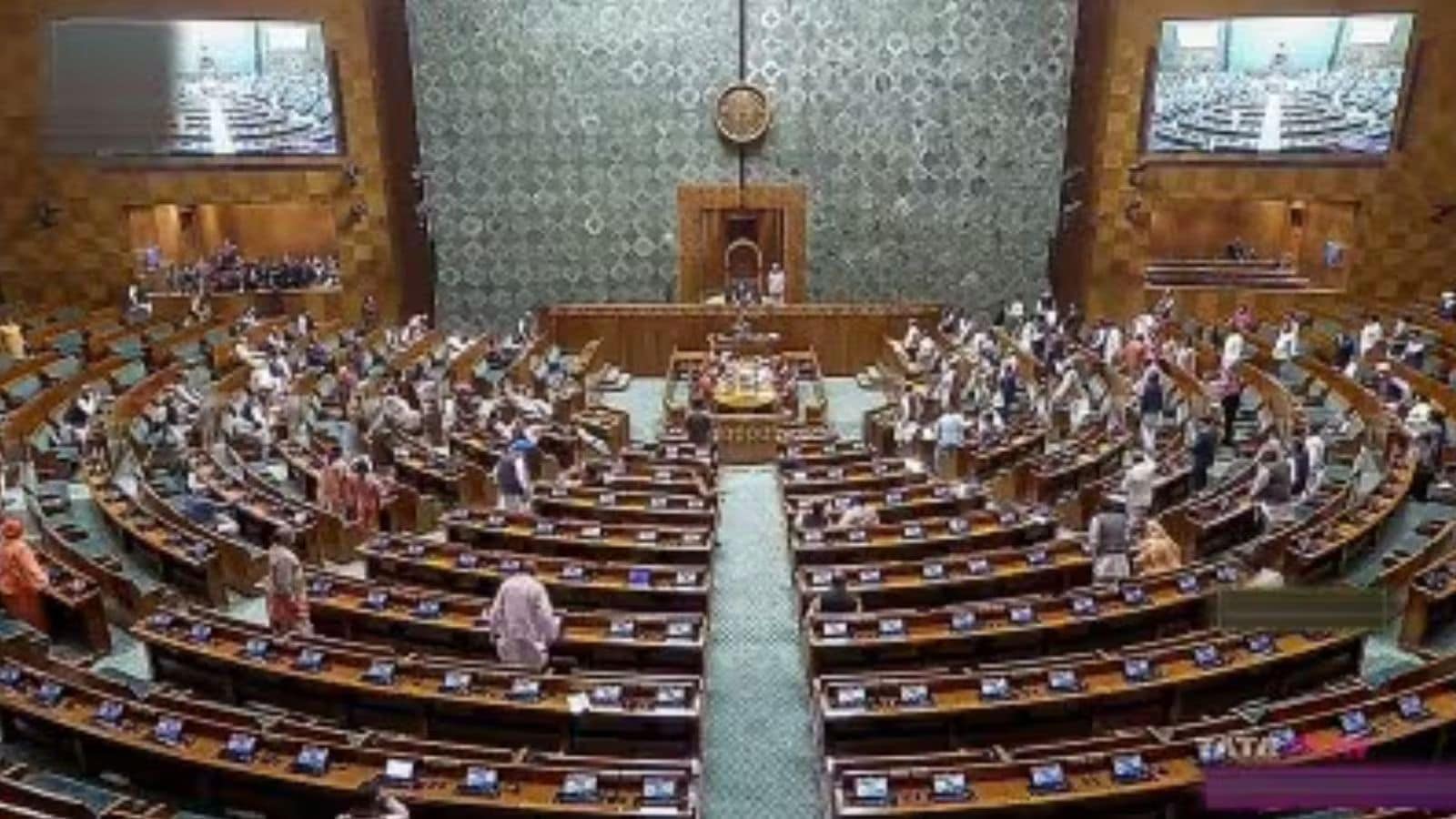
What is being dismissed as “haste” is backed by due process. A special session of Parliament has been convened for full debate and deliberation.
More importantly, this government’s track record on “femocratic” legislation is unmatched. Under the leadership of Narendra Modi, policy for women has not remained symbolic — it has translated into real, ground-level transformation for crores of women. That credibility is precisely why the Opposition’s narrative doesn’t hold.
And let’s correct the deliberate confusion.
This is not gerrymandering — which is manipulation of electoral boundaries for political gain. This is delimitation, a constitutional prerequisite.
The Constitution clearly states: “Notwithstanding anything in this Constitution — (a) the validity of any law relating to the delimitation of constituencies… shall not be called in question in any court; (b) no election… shall be called in question except by an election petition…”
Delimitation, under Articles 327 and 328, is a legal necessity before implementing reservation — not a political choice.
So let’s stop misrepresenting constitutional mandates.
This is not haste. This is structured, constitutional delivery of “femocratic” legislation — done right, and done to last.
The writer is national spokesperson of the BJP