

China is the real winner in the Iran conflict
Economics now dictates strategy. And this is where China excels
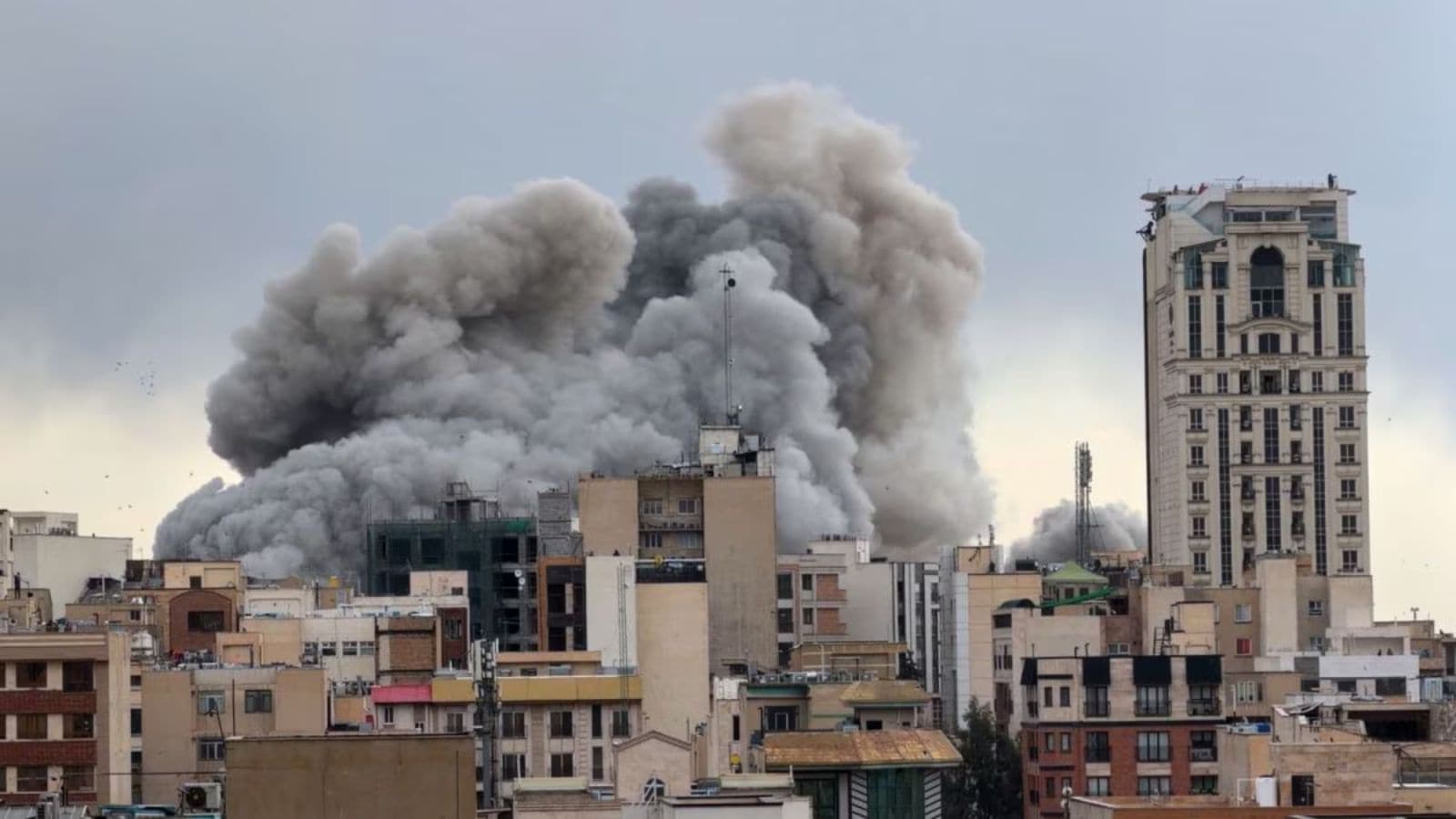
Call it an “uneasy truce” if you must. That is the preferred cliché for the current two-week ceasefire in the US–Iran war. Yes, loose ends remain: Israel-Lebanon negotiations over Hezbollah, and the mechanics of Iran’s promise to curb uranium enrichment, the economics of the Straits of Hormuz. But let’s be clear — the war is effectively over.
It will not return to the brink of April 7, when Trump threatened to end a “civilisation” and Iran mobilised human shields to protect critical infrastructure. That moment was the high-water mark of panic. We are not going back there. When both sides loudly claim victory, it is usually because neither can afford to keep fighting.
What ended the war was not diplomacy, but economics. Two decisions mattered: The cessation of US bombardment and, above all, the reopening of the Strait of Hormuz. The markets delivered their verdict instantly. Oil prices fell to around $96 per barrel by April 10. Global equities rebounded. The apocalypse was postponed — not by statesmen, but by price signals. So who won?
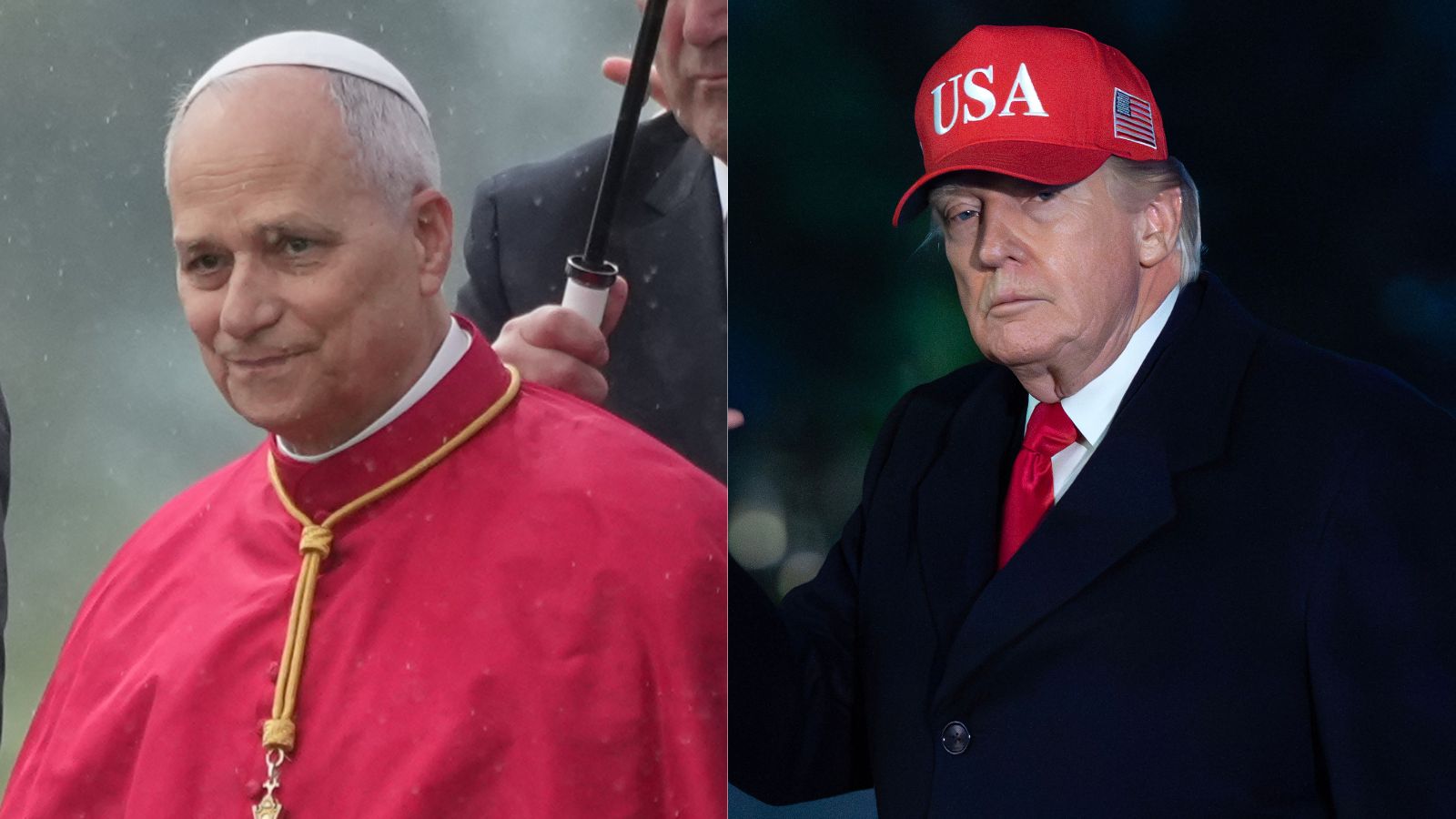
Not Donald Trump. His brinkmanship has likely backfired, leaving him and the Republican Party staring at a potential electoral drubbing in November. Democrats can barely believe their luck. As domestic inflation breaches 3 per cent, dissatisfaction is at its peak in terms of electoral disapproval.
Not Iran. Its defiance may earn it rhetorical glory but the reality is harsher. Its military is battered, its infrastructure degraded, and the reconstruction bill will run into billions.
Not Israel. It is now being dragged, reluctantly, into negotiations. For Israel, Iran is not just a problem to be managed; it is the problem. That strategic objective remains unmet.
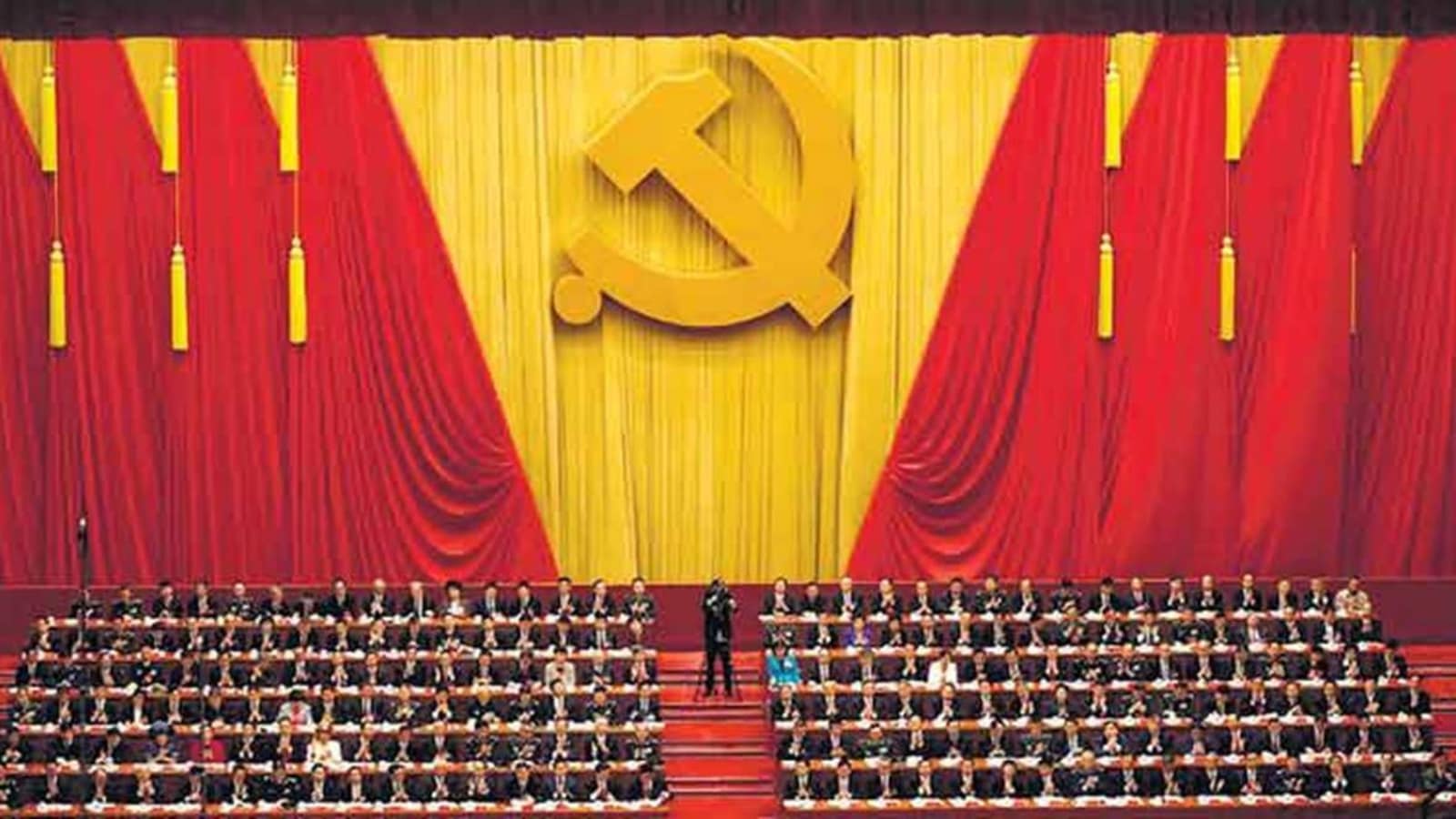
No — the real winner is China.
To see why, compare this war with Ukraine. The Ukraine conflict has dragged on for four years, quietly slipping out of global consciousness. The US–Iran war lasted little over a month. Why the difference?
Because the Ukraine war, for all its brutality, was economically containable. Russian oil continued to flow under price caps; Ukrainian grain exports were shielded from embargoes. The global economic system absorbed the shock.
Iran, by contrast, held a chokehold on the world economy. The Strait of Hormuz is the artery of global trade. Disrupt it, and you threaten the system itself. When Iran tightened its grip, oil prices surged, even in the US. Inflation followed, crossing an unprecedented 3 per cent this month. And that, more than any missile strike, brought Washington to heel.
The lesson is stark: In today’s world, geoeconomics beats geopolitics.
This is not new, but is now undeniable. The 20th-century Cold War was ideological — democracy versus communism.
Alliances were shaped as much by values as by interests. But that logic died with the USSR.
What has replaced it is colder, harder, and far less sentimental. Economics now dictates strategy. And this is where China excels.
Ignore, for a moment, the convenient fiction that Pakistan is the key intermediary in this conflict. It is not. Pakistan is a proxy — useful precisely because it allows the US and China to avoid direct engagement. The extension of negotiations to Lebanon, despite initial resistance from Israel and Washington, carries unmistakable Chinese fingerprints. To believe otherwise is to misunderstand how power now operates.
China did not fire a shot in this war. It did not need to.
As the dust settles, the real contest begins: Reconstruction. Iran and parts of the Gulf will require massive rebuilding. This is where Beijing steps in, just as Washington did in post-war Europe. For China’s slowing economy, this is a lifeline.
At the same time, Europe and the Gulf will rearm, spooked by recent events. That, too, benefits China’s vast industrial base, as well as America’s. War, it turns out, is still good business. Markets do not trade in ideology. They trade in stability, access, and supply chains. And that is why China has already won. Not on the battlefield. But in the only arena that now truly matters.
Can India’s foreign policy incorporate this fundamental change from the 20th-century cold war? Only time will tell.
The writer is visiting professor, Shiv Nadar University