

After the ceasefire: The politics, geopolitics and challenges for peace in the Middle East
The two-week window for negotiations in Pakistan will be fraught with tension. However, for the first time in this crisis, the pragmatic needs of both Iran and a Trump-led America align
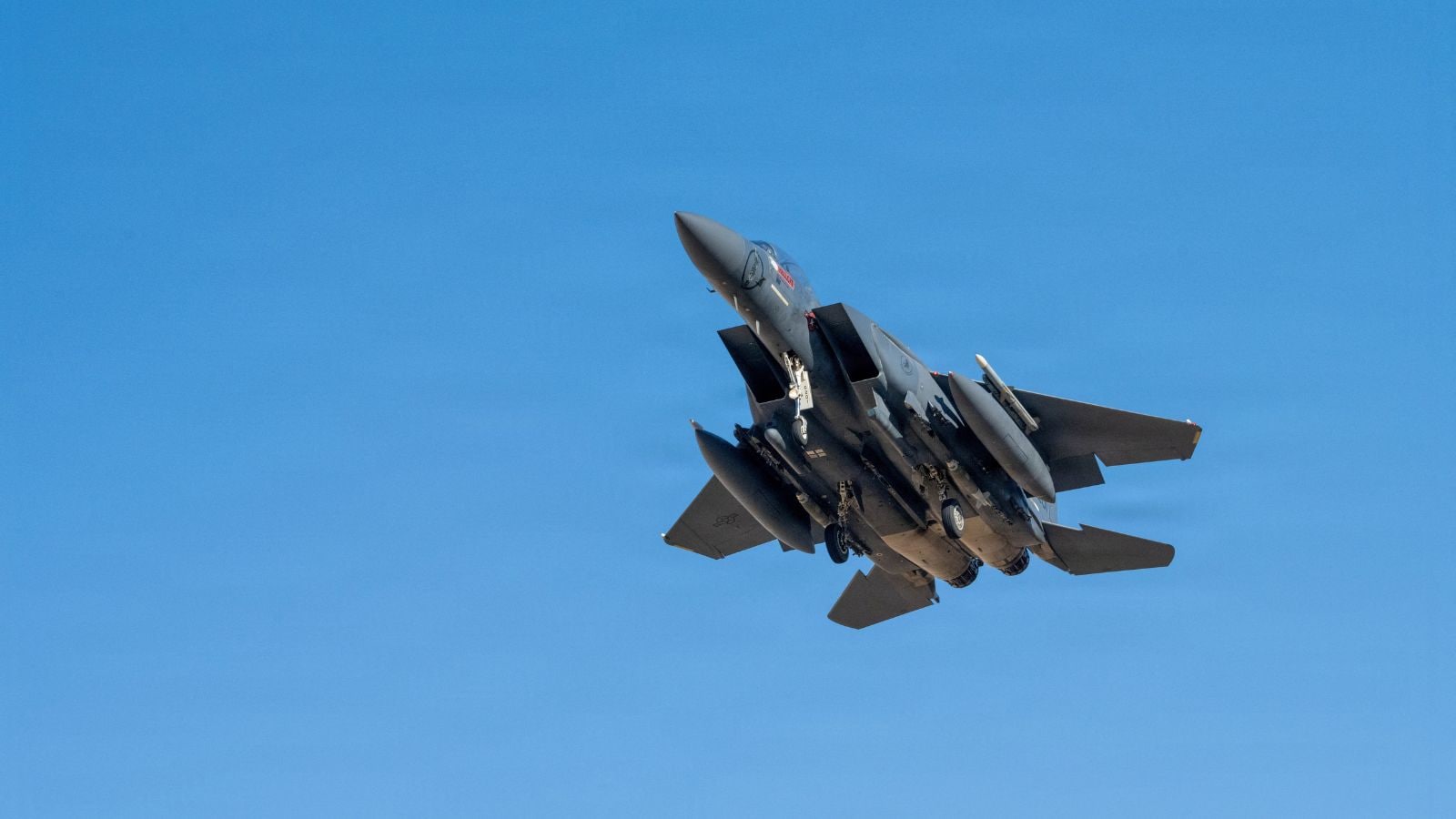
After weeks of sustained escalation, marked by over 15,000 American and Israeli strikes on Iran and more than 5,000 Iranian missile and drone attacks across Israel and the Gulf, the announcement of a two-week ceasefire has offered a much-needed reprieve to the region and the world at large.
The pause came hours before US President Donald Trump’s deadline, with the ultimatum threatening severe escalation and underscoring how close the region had come to the brink of collapse. Global markets have responded with immediate elation, with oil prices falling by 15 per cent, and a surge in Asian stock markets. However, as delegations prepare to meet in Islamabad this Friday, the hard work of translating this temporary reprieve into a lasting geopolitical settlement has only just begun.
For the US, the immediate victory is the imminent reopening of the Strait of Hormuz without front-loading concessions to Tehran. American negotiators are set to head to Islamabad this Friday with the main objectives of the total removal of nuclear material from Iran, enforcing a halt on uranium enrichment, and neutralising the ballistic missile threat.
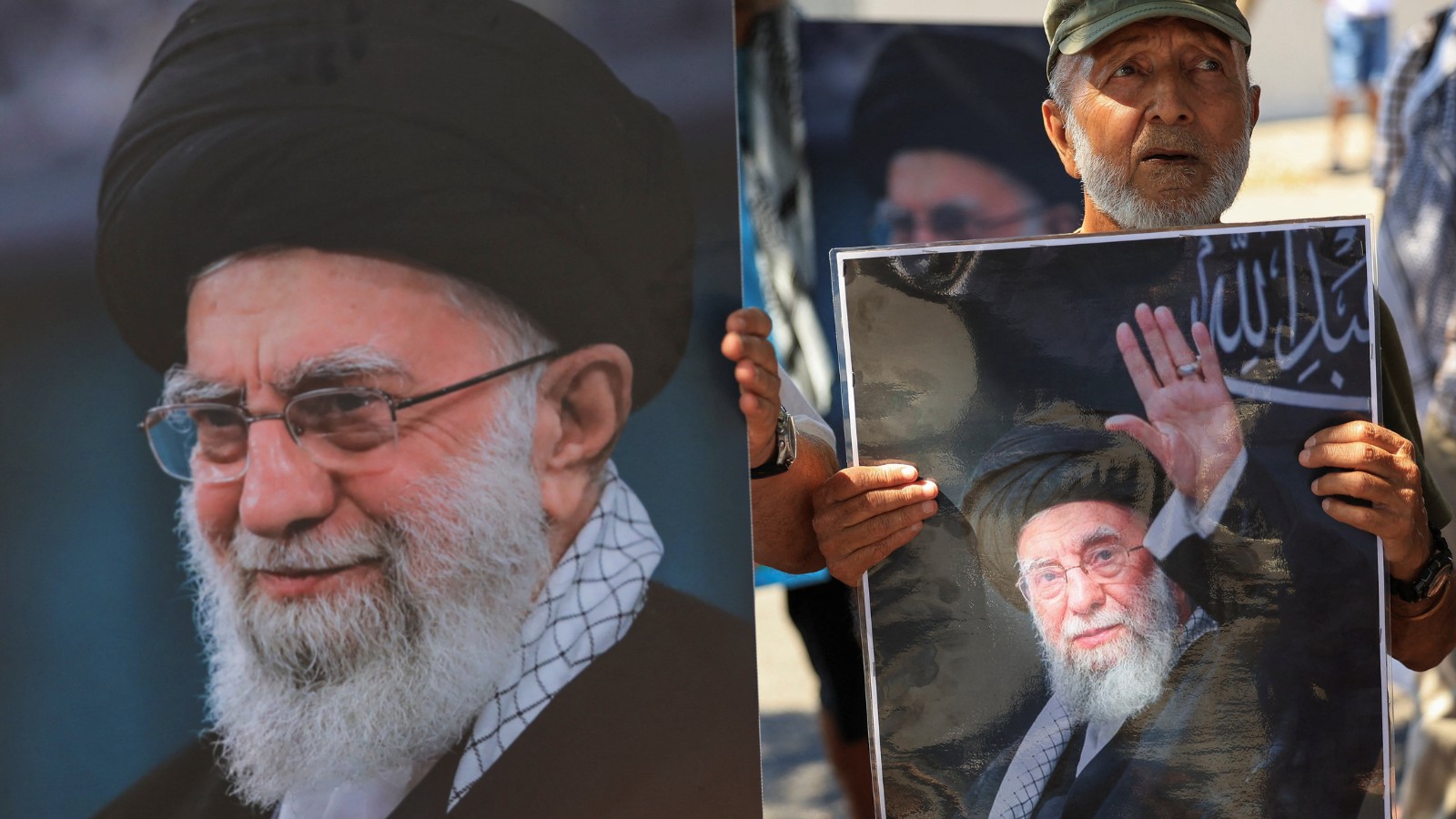
Iran’s Supreme National Security Council framed the development as a political victory, asserting that Washington has accepted Tehran’s 10-point proposal as the basis for negotiations. At the same time, Iran has emphasised that the ceasefire does not terminate hostilities and that the negotiations in Islamabad will be conducted under conditions of explicit distrust toward the US. Tehran has demanded that any eventual agreement should be anchored in a binding United Nations Security Council resolution.
The substance of Iran’s 10-point plan reinforces this approach. Its core elements include security guarantees against future American or Israeli strikes; comprehensive sanctions relief and recognition of Iranian control over the Strait of Hormuz with Oman, with a regulated transit regime, including the levy of transit fees to finance Iran’s reconstruction. Beyond bilateral concerns, the plan calls for regional de-escalation, including the cessation of Israeli operations against Hezbollah.
Despite the deep, mutual distrust acknowledged by Iran’s leadership, the contours of a realistic bargain are beginning to take shape.
Iran’s present leadership, heavily dominated by the IRGC, has suffered catastrophic infrastructural damage. They will fiercely defend the core tenets of their 10-point plan of security guarantees, sanctions relief, and a regulated Strait of Hormuz. If Iran can secure sovereign control over the Strait, acting as an insurance policy against future attacks, it can offer significant concessions such as, diluting its 60 per cent enriched uranium and transferring it to a third party like Russia as it did after concluding the 2015 Joint Comprehensive Plan of Action (JCPOA), capping future enrichment at 1 per cent, suspending enrichment for several years, and resumption of International Atomic Energy Agency (IAEA) inspections under the Additional Protocol. Further, a renewed fatwa forswearing nuclear weapons could provide the ideological cover needed to finalise the deal, alongside limits on the deployment of advanced long-range missiles, such as those recently used against Diego Garcia.
The most contentious issue, the Strait of Hormuz, requires an innovative legal framework. A viable solution is to apply the principles of the 1936 Montreux Convention, which affirmed Turkey’s sovereignty over the Bosphorus and Dardanelles Straits while guaranteeing peacetime civilian navigation and restricting wartime naval access. A “Hormuz Convention” could balance international shipping needs with Iranian security. Under Iran’s proposal, civilian commerce would flow freely, potentially subject to a $2 million transit fee shared with Oman to fund Iranian wartime losses, while Iran retains the sovereign right to restrict the passage of hostile warships. This mechanism satisfies Iran’s demand for territorial sovereignty while guaranteeing the US and its allies the uninhibited flow of global energy supplies. However, while the Turkish Straits regime operates within a relatively stable regional context, Hormuz lies at the centre of an active conflict zone, characterised by deep-seated mistrust. The durability of any Hormuz regime would therefore depend on robust enforcement mechanisms and credible security guarantees, elements that remain uncertain in the current negotiating environment.
Ultimately, the strongest guarantor of this ceasefire is the American political calendar. Trump is acutely aware of the domestic toll of an extended Middle Eastern conflict. Rising gasoline prices and attendant inflation threaten to sink his approval ratings just months before the critical mid-term elections in November. Trump needs an exit strategy. By securing the reopening of the Strait of Hormuz, he can rightfully claim he has achieved his primary military and economic objectives. If securing this victory requires a phased lifting of sanctions, which he can sell as a lucrative opportunity for American businesses, and offering non-aggression guarantees, he could take the deal. Trump also possesses the leverage required to force a reluctant Israel to fall in line.
The two-week window for negotiations in Islamabad will be fraught with tension. However, for the first time in this crisis, the pragmatic needs of both nations align, though the GCC countries, barring Oman, would have reservations on Iran’s control of Hormuz. The US needs an economic reprieve and a political victory; Iran needs survival, reconstruction, and sovereignty. If negotiators can utilise historical blueprints like the Montreux Convention to navigate the treacherous waters of the Strait of Hormuz, this ceasefire may just pull the Middle East back from the brink.
The writer is former Governor of India to the International Atomic Energy Agency (IAEA), Vienna, former ambassador to Egypt and a former permanent representative to the Arab League