

Nitish’s sunset, Samrat’s dawn: A new political grammar for Bihar
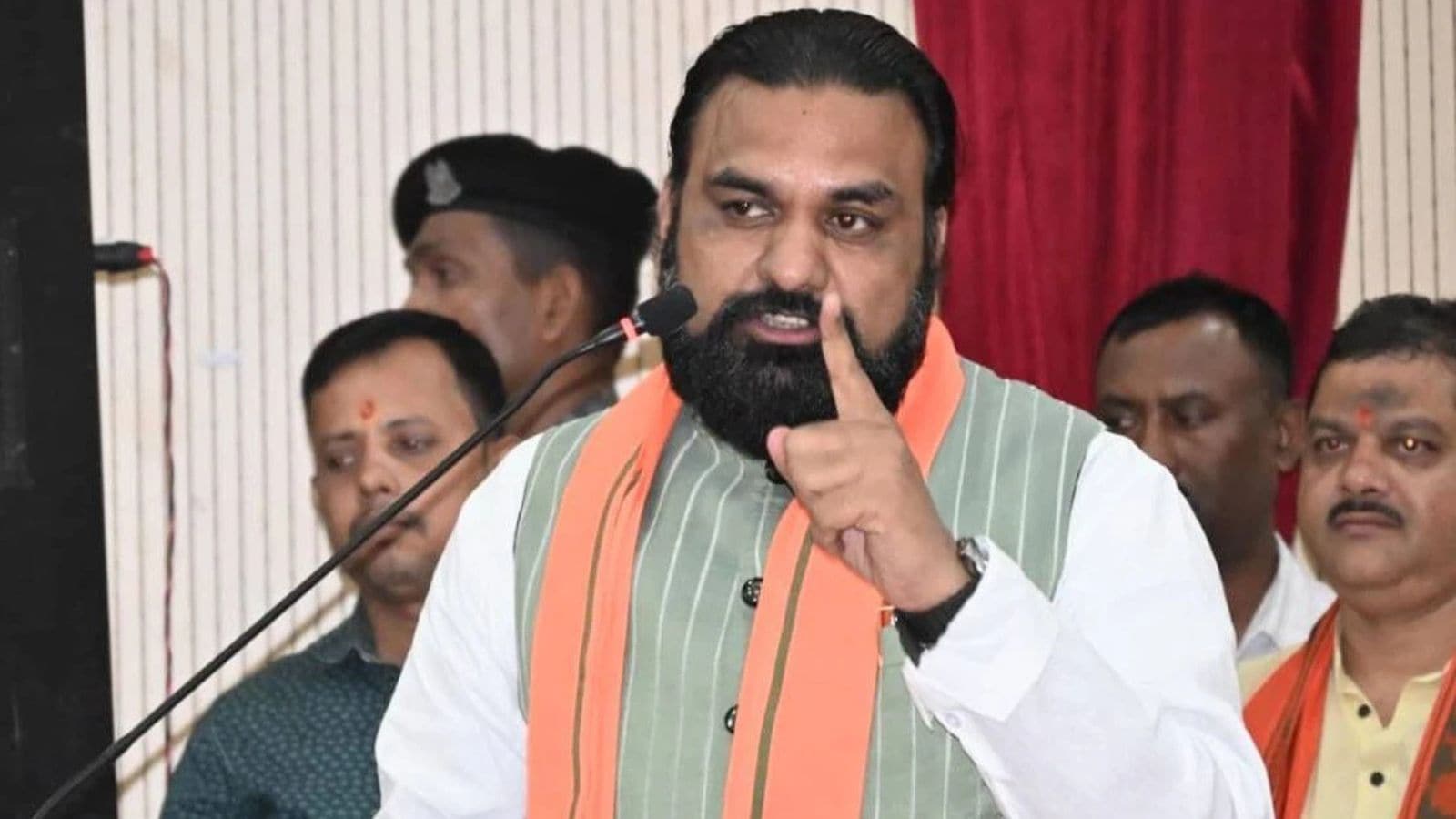
As the new chief minister, Samrat Chaudhary will need to demonstrate that a BJP-led government can address Bihar’s deep-rooted economic deficits — particularly job creation and industrial investment — without relying on Nitish’s moderate and welfare-oriented political image
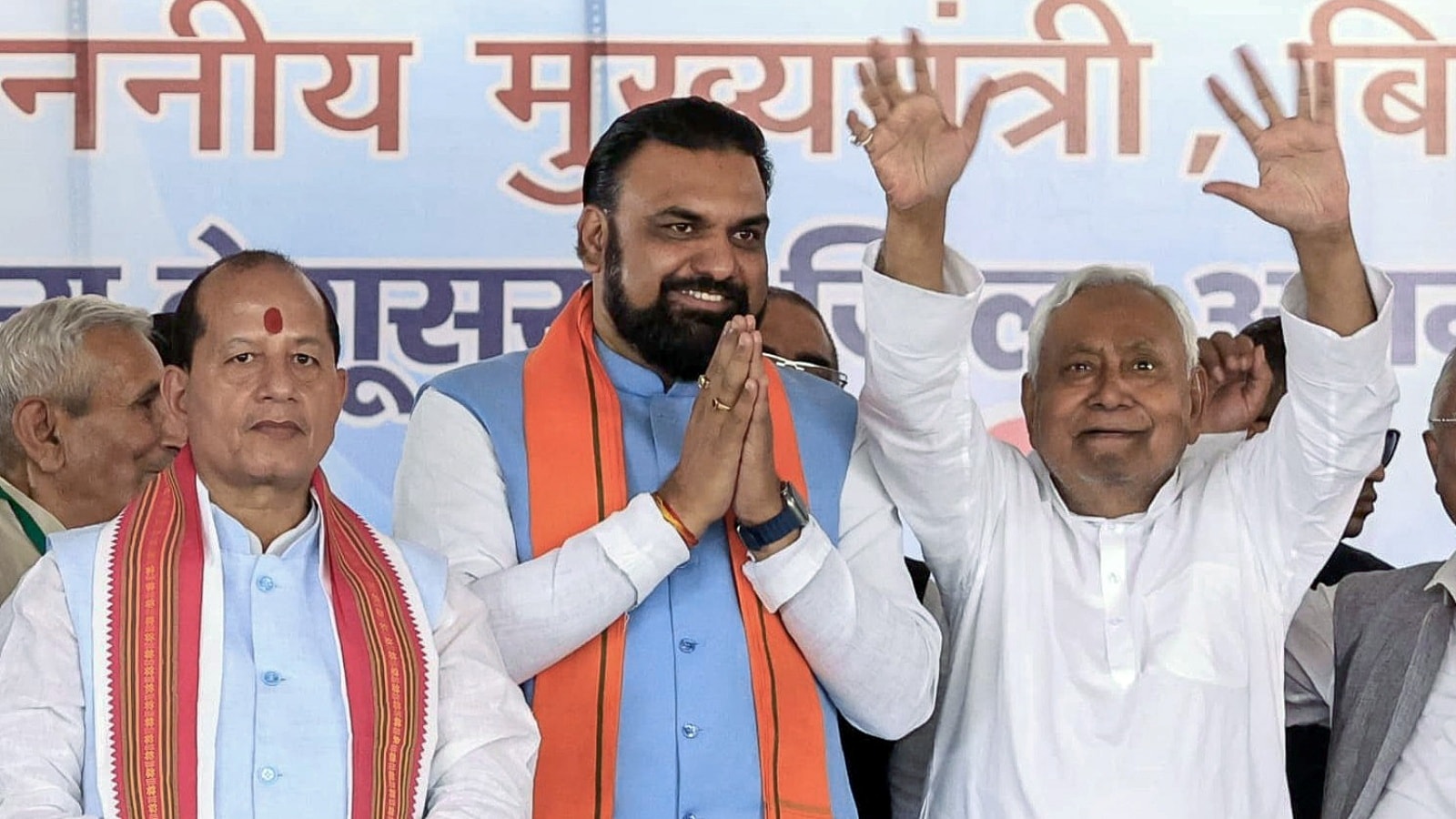
For nearly two decades, the political topography of Bihar was defined by one man. Nitish Kumar was not just the Chief Minister; he was the axis around which the state’s politics revolved — switching allies, yet remaining the enduring face of “sushasan.”
From 2005 onwards, Nitish redefined Bihar’s discourse, shifting it from identity-driven mobilisation to governance. His political slogan — “from jungle raj to sushasan” — captured both aspiration and transformation. Yet, his adaptability became his defining trait. Aligning alternately with the Bharatiya Janata Party and the RJD, he remained central to power, earning the moniker “Paltu Ram.”
Notably, he kept the BJP in a secondary position — even after it emerged as the single largest party in 2020 — by leveraging personal credibility and deft coalition arithmetic to retain the CM’s post, while effectively countering its strategy of subaltern Hindutva combined with welfarism.
Barely two months after seeking and securing a fresh mandate on the emotive slogan of continuity — “25 se 30, phir se Nitish” — the turn of events has surprised many. His subsequent move to the Rajya Sabha, coupled with concerns over health and growing fatigue around his frequent political realignments, signalled that the Nitish era is drawing to a close. In its place, the BJP now appears poised to script a new political chapter, with Samrat Chaudhary emerging as the clear heir apparent.
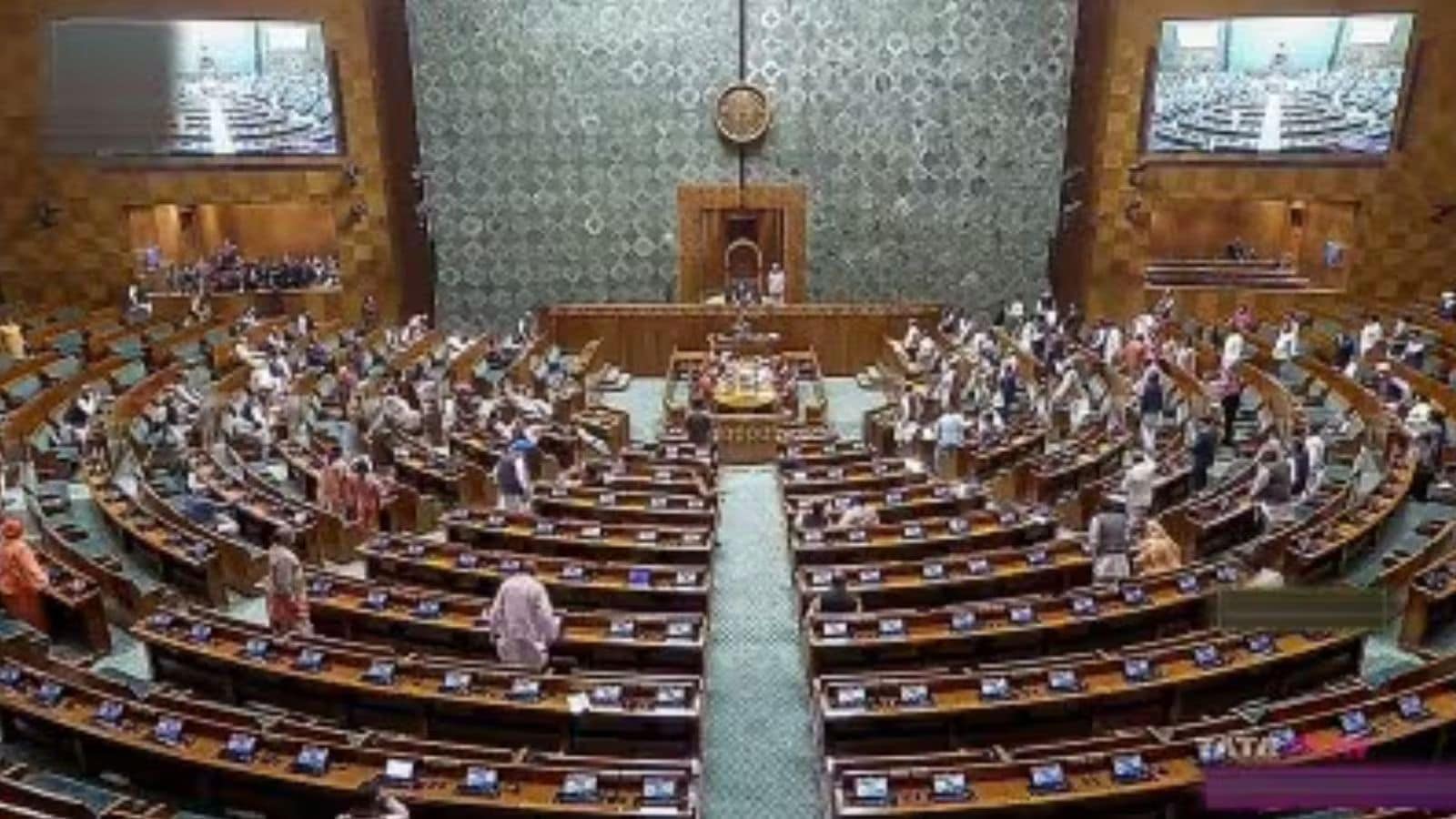
The selection of Samrat Chaudhary represents a carefully calibrated political strategy. The BJP today is organisationally stronger in Bihar than ever before, backed by a solid vote base, disciplined cadre, and consistent electoral performance. In the 243-member Assembly, the NDA commands a formidable majority, with the BJP holding 89 seats and the JD(U) 85, alongside allies such as LJP (RV) and HAM.
For years, the BJP played second fiddle to Nitish Kumar, accommodating his political shifts largely because it lacked a mass leader with broad social appeal in a caste-ridden polity. In Chaudhary — a seasoned OBC face from the Kushwaha (Koeri) community — the party appears to have found its answer.
As a serving Deputy Chief Minister holding the crucial Home portfolio, Chaudhary has steadily risen within the party ranks. Union Home Minister Amit Shah had earlier described him as someone destined to become “a big man” — a remark widely interpreted as a signal of his future elevation.
With over three decades in active politics since the 1990s — including stints in the RJD and JD(U) — Chaudhary’s elevation reflects the BJP’s willingness to prioritise political utility and social arithmetic over ideological purity. It signals a decisive shift: From coalition dependency to independent dominance, anchored in loyalty to the central leadership and a keen recognition of Bihar’s caste realities.
Alternative names such as Vijay Kumar Sinha, Nityanand Rai, and Sanjay Jaiswal reflect different strategic priorities within the party. Sinha, a Bhumihar, represents upper-caste consolidation; Rai, a Yadav, embodies OBC outreach combined with strong central backing; while Jaiswal brings organisational depth.
The broader trend favours Samrat Chaudhary’s rise. The BJP’s recent leadership choices in states show a clear shift — prioritising loyalty and social expansion over seniority — making him a natural fit for its current strategy.
This move also effectively disrupts the old political arithmetic. Nitish Kumar’s strength rested on the Luv-Kush (Kurmi-Koeri) equation. By projecting a Koeri leader, the BJP is attempting to appropriate a crucial segment of the JD(U)’s traditional support base while retaining its upper-caste voters. It is a classic social engineering strategy: A non-Yadav OBC at the helm, backed by a formidable organisational machine. This, in essence, is the blueprint for a “BJP-led Bihar.”
However, the post-Nitish era will not be without turbulence. The former CM leaves behind a mixed legacy. While he improved infrastructure and restored law and order, Bihar continues to grapple with structural challenges — unemployment, migration, and limited industrial growth.
Samrat Chaudhary will need to demonstrate that a BJP-led government can address Bihar’s deep-rooted economic deficits — particularly job creation and industrial investment — without relying on Nitish’s moderate and welfare-oriented political image.
The transition will also test the BJP’s coalition management skills. The JD(U), though weakened, remains a partner whose accommodation will be necessary for stability. Managing this balance without appearing dominant — or dismissive — will require careful political calibration.
What Bihar is witnessing is a shift in political grammar. The era of a leader who mastered the art of realignment is giving way to one defined by centralised authority, ideological clarity, and organisational strength. The real test, however, is delivery — whether Samrat Chaudhary can turn political momentum into governance gains, address Bihar’s development deficit, and curb migration. That will decide if this is merely an end or a new beginning.
The writer is a professor, DDU Gorakhpur University