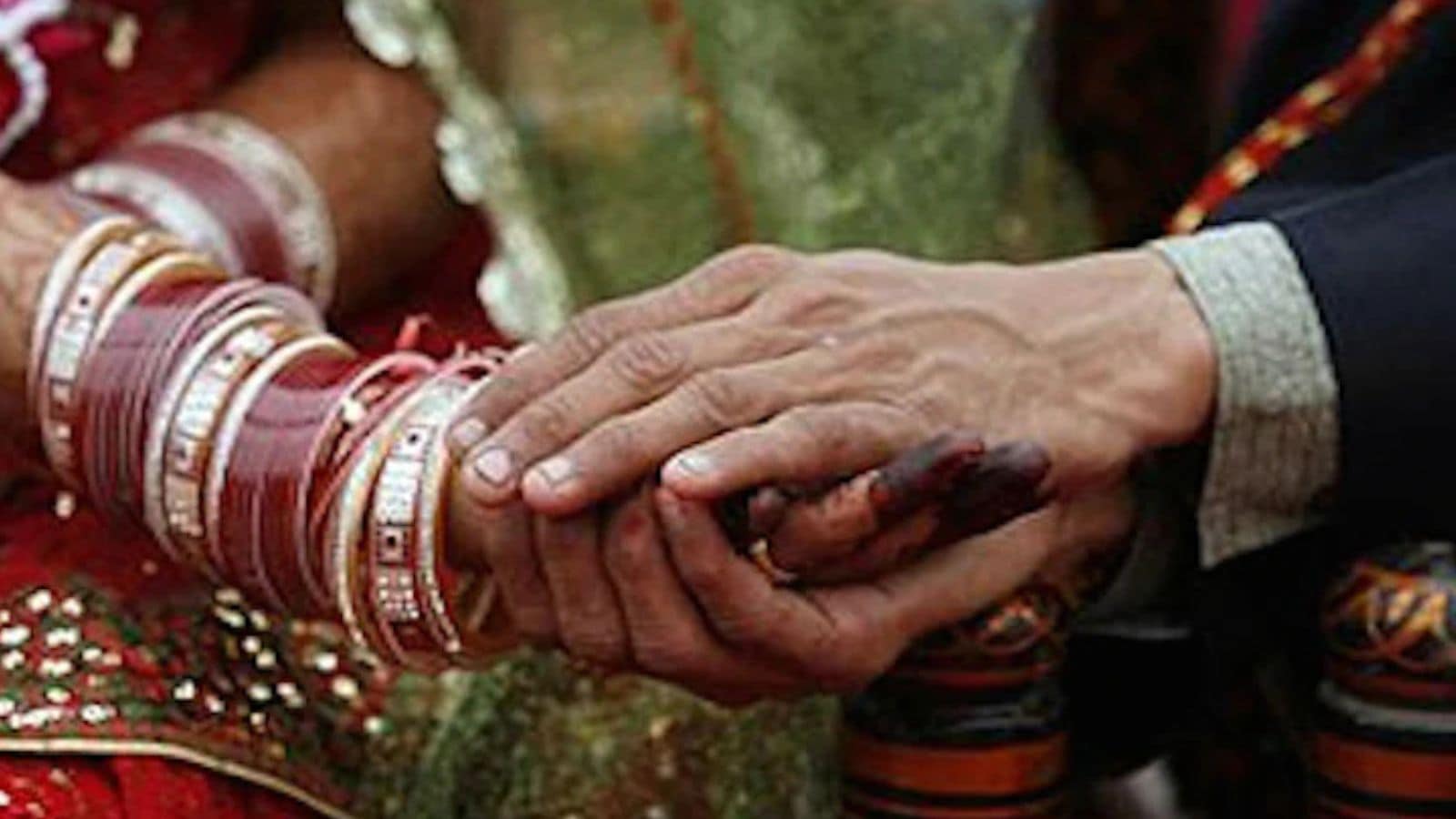


Beyond marriage, ways to live, love
Marriage has historically operated as far more than a personal relationship between individuals. It has functioned simultaneously as an economic arrangement, a mechanism for maintaining caste boundaries, a system for organising gendered labour...
Can a society truly claim to oppose dowry while continuing to treat marriage as an unquestionable marker of respectability? What would it mean to respond to dowry deaths not only with outrage, but with the courage to imagine different ways of living, loving, and belonging?
It is always the extreme forms of violence that unsettle the public conscience. Images circulate, testimonies emerge, anger intensifies, and demands for justice grow louder. For a few days, grief appears collective. Yet, almost as predictably, the moment passes. The spectacle of outrage fades, while the social world that produces such violence remains remarkably intact and even glorified. Marriage continues to be celebrated as aspiration, security, prestige, and inevitability, even as the economic transactions surrounding it remain deeply normalised.
Dowry may be publicly disavowed in principle, yet it is routinely reframed through the language of “gifts”, status, family honour, or the assumption that a man, as the economic provider, is entitled to compensation.
Weddings continue to function as performances of social worth, where financial display is not merely tolerated but admired. Conversations around daughters still carry the language of burden, settlement, and responsibility, revealing how deeply marriage remains tied to economic and social anxieties. In such a context, violence within marriages cannot be understood as an aberration alone; it emerges from a structure whose underlying logic continues to be socially legitimised.
Women continue to enter marriage under profoundly unequal conditions. Across classes and communities, they are still more likely to adjust careers, relocate homes, absorb care work, manage emotional labour, and bear the burden of preserving relationships and family cohesion. The expectation of sacrifice remains feminised, even when articulated softly through the language of compromise, care, or culture.
This is perhaps the limit of outrage: it allows society to condemn violence without confronting the conditions that normalise it. Violence is treated as an exceptional moral failure of individuals, rather than as symptoms of a social order in which marriage remains deeply tied to economic exchange, gendered labour, caste anxieties, and social legitimacy.
The question here is not simply why violence persists, but what kind of institution marriage has historically been allowed to become. Marriage has historically operated as far more than a personal relationship between individuals. It has functioned simultaneously as an economic arrangement, a mechanism for maintaining caste boundaries, a system for organising gendered labour, and a site through which families negotiate status, security, and social mobility. Under such conditions, the expectation that marriage should involve transaction does not appear accidental to society; it appears rationalised within the very logic of the institution. The violence, then, is not confined to moments of visible brutality. It is present too in the quieter forms of coercion that rarely acquire the language of violence at all: the fear surrounding unmarried daughters, the social panic around ageing without marriage, the normalisation of women’s adjustment as virtue, the expectation that intimacy must culminate in sanctioned union, the idea that care, companionship, sexuality, and legitimacy can only exist respectably within one institutional form.
What appears as “choice” often emerges within an environment where alternatives have been systematically delegitimised. Perhaps this is why violence so rarely destabilises the institution itself. Society absorbs it, mourns it, briefly condemns its excesses, and then returns to preserving the same structure with renewed urgency. The problem is not simply hypocrisy; it is that marriage has been made foundational to social existence itself. To question it, or even to imagine life beyond it, is treated as threatening the moral and emotional order of society.
Consequently, alternatives remain underdeveloped not because human beings are incapable of forming different modes of intimacy, care, and interdependence, but because existing social arrangements systematically deny them legitimacy, visibility, and support. What remains absent, then, is not merely reform, but imagination.
The possibility of different futures may lie precisely here: in expanding the forms through which people are allowed to seek intimacy, care, security, and belonging. It could mean creating more collective and community-oriented forms of living, where care responsibilities are shared rather than feminised and privatised within the household.
This is why the conversation cannot end at legal reform or moral condemnation alone. What remains necessary is the willingness to imagine forms of living in which dignity, belonging, intimacy, and security are not so singularly dependent upon marriage and the family structure attached to it. Individual acts of violence clearly continue to shock the public conscience. The more difficult task, however, is confronting society’s emotional, economic, and moral dependence on the very institution within which such violence repeatedly becomes thinkable, absorbable, and survivable.
The writer is a researcher