Between Russia and the EU, Delhi’s defence rebalancing
The task is far more complex than issuing measured statements on Ukraine. Deeper integration of defence industries inevitably requires alignment with wider geopolitical realities.
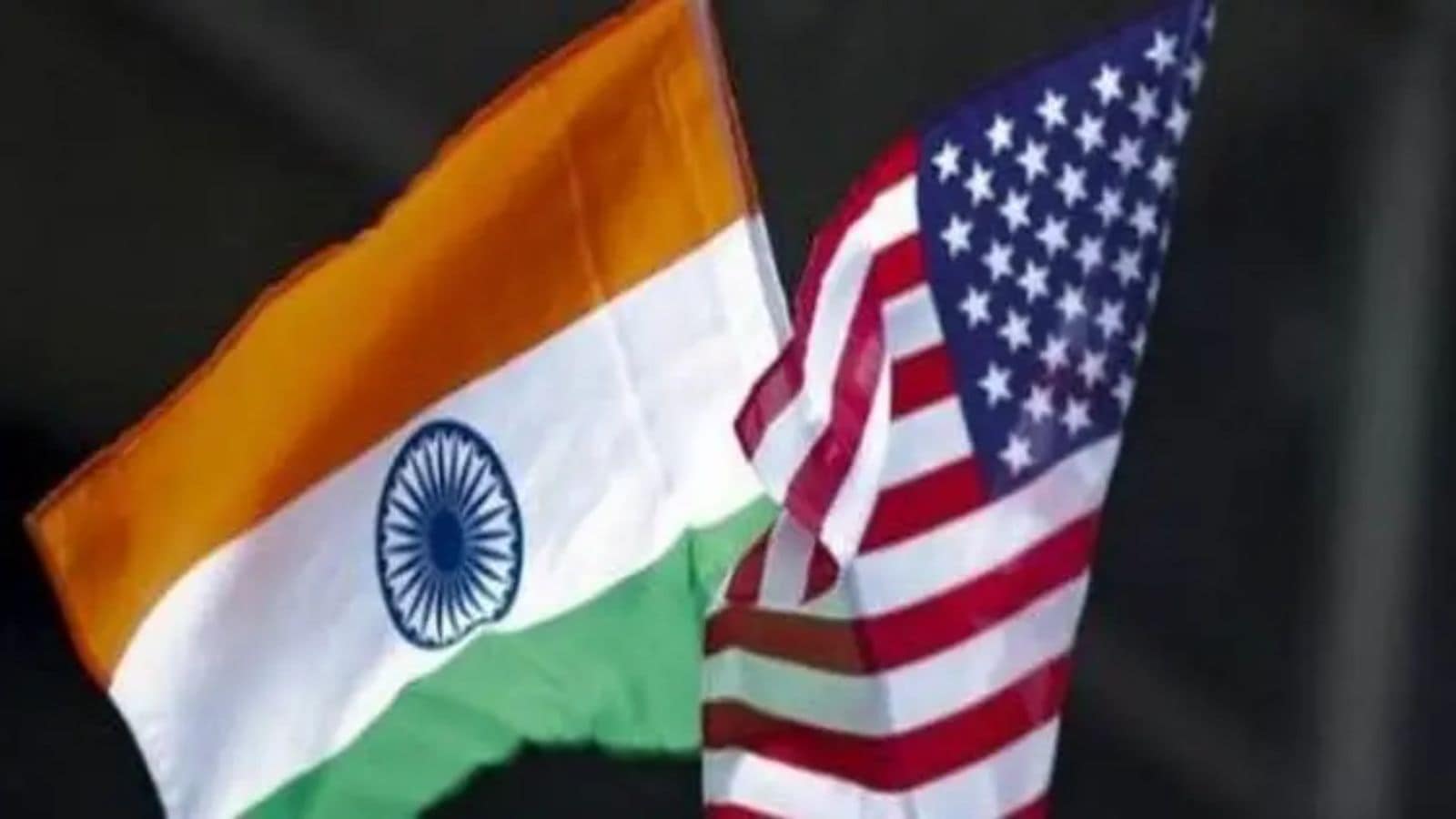
Apart from green growth and technology, defence cooperation emerged as an important area of engagement between India and Europe during Prime Minister Narendra Modi’s recent visit to Sweden, Norway, the Netherlands and Italy. The adoption of the India-Italy Defence Industrial Roadmap was an especially important development. Earlier, on the margins of the India-EU Summit in January, Delhi signed a Security and Defence Partnership (SDP) with the EU, an integral part of Towards 2030: A Joint India-EU Comprehensive Strategic Agenda.
If implemented well, these pacts can reshape India’s defence links with the outside world, particularly Delhi’s long-standing ties with Russia. Reducing India’s dependence on Russian defence supplies has also been a stated objective of both the US and Europe.
A major transformation is underway in European security, driven largely by the war in Ukraine, uncertainty over long-term American commitments, and the emergence of domains such as cyber, space, and drone warfare. Europe is returning to classical geopolitics, with a renewed focus on military deterrence. Under the ReArm Europe project (later recast as “Readiness 2030” following objections from Spain and Italy), EU member states are set to invest close to $1 trillion in defence in the coming years.
The White Paper on European defence asserts that “the moment has come for Europe to rearm”. The priority areas identified by the document include air and missile defence, artillery systems, ammunition and missiles, drone and counter-drone capabilities, military mobility, AI, and the protection of critical infrastructure. Apart from expanding its domestic capabilities, the EU is also strengthening its security partnerships, with a particular focus on countries such as Canada and key Indo-Pacific partners, including Australia, India, Japan, and South Korea.
The India-EU SDP has to be understood in this context. As India has an ambitious defence indigenisation programme, and its defence exports have now reached around $4 billion annually, linking its defence industry to Europe seems attractive. However, a significant share of these exports is still driven by co-production and the integration of technologies based on Russian-origin platforms, including systems such as the BrahMos missile, Sukhoi components, and parts and ammunition for the T-90 and T-72 tanks.
In recent years, India has exported artillery shells to a few European countries, some of which were diverted to Ukraine. Russia has expressed concerns, but the issue has largely been managed so far, given the relatively modest scale of such exports. Unless Delhi succeeds in developing robust indigenous defence platforms, gradually reducing its dependence on Russia, India’s integration into European defence supply chains is unlikely to be easy. The White Paper on European defence identifies Russia as an enduring threat to European security.
Buying a few big-ticket items such as Rafale jets from France or submarines from Germany with limited technology transfer is very different from integrating India into European defence supply chains. India’s strategy appears to be to skilfully leverage new opportunities with European partners while not abandoning its ties with the Russian defence industry. The task is far more complex than issuing measured statements on Ukraine. Deeper integration of defence industries inevitably requires alignment with wider geopolitical realities.
The writer is professor and Jean Monnet Chair at the Centre for European Studies, JNU