

At 46, BJP’s relevance owes to ideological clarity
Words like socialism, egalitarian and exploitation-free society sounded too Marxist to the cadre, largely trained in the RSS vocabulary of nation, culture and unity. Winning just two seats in the 1984 elections forced the leadership to review its ideological trajectory.
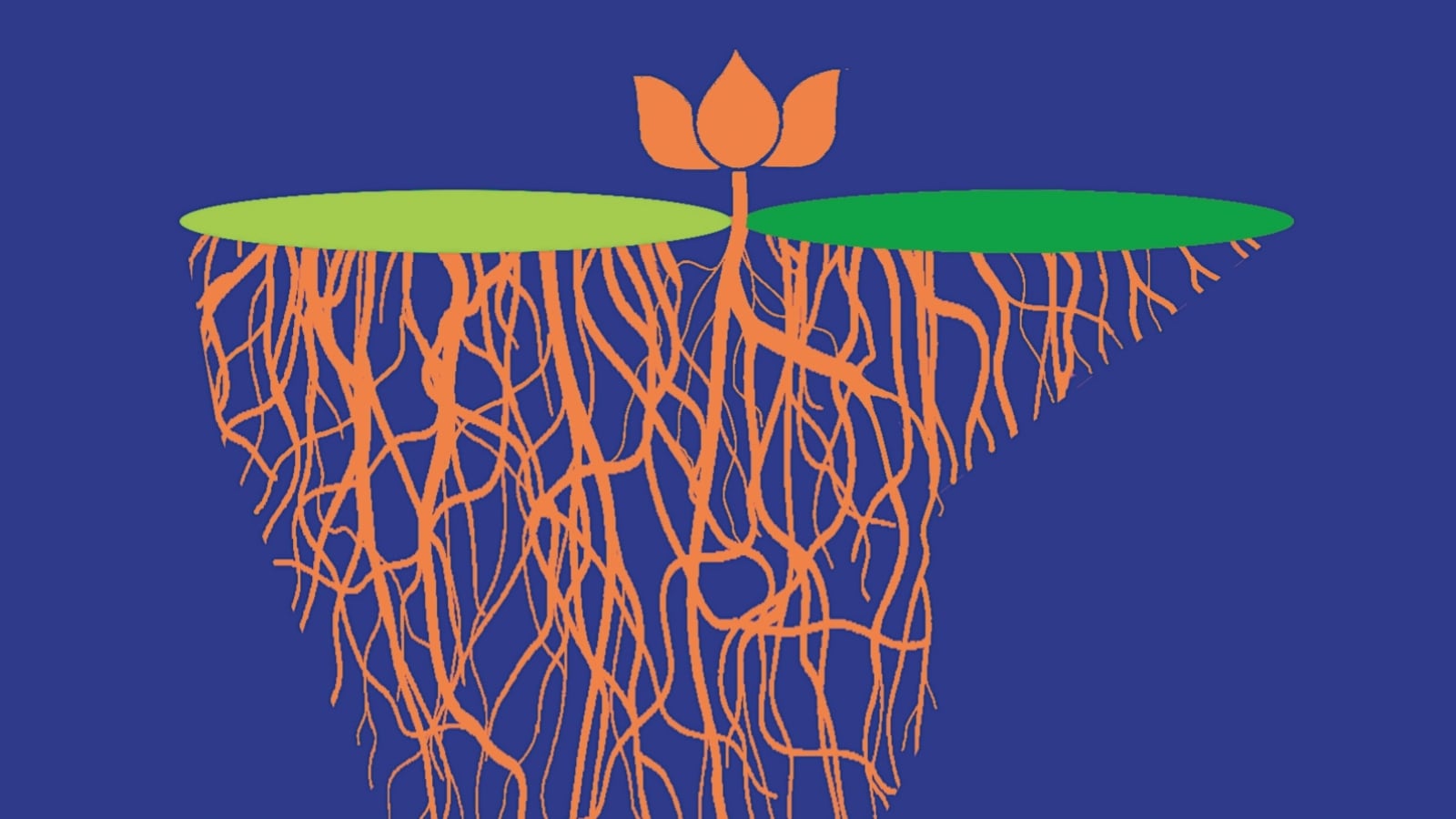
Forty-six years ago, the weekend of 5-6 April 1980 saw the rise of a new force on the horizon of Indian politics. In Samata Nagar, a shamiana complex in Mumbai’s Bandra area, the Bharatiya Janata Party (BJP) was born with Atal Bihari Vajpayee as its first national president. Vajpayee summed up the party’s ambition in his presidential address: “Andhera chatega, suraj nikalega, aur kamal khilega (darkness will fade, the Sun will rise and the lotus will bloom).”
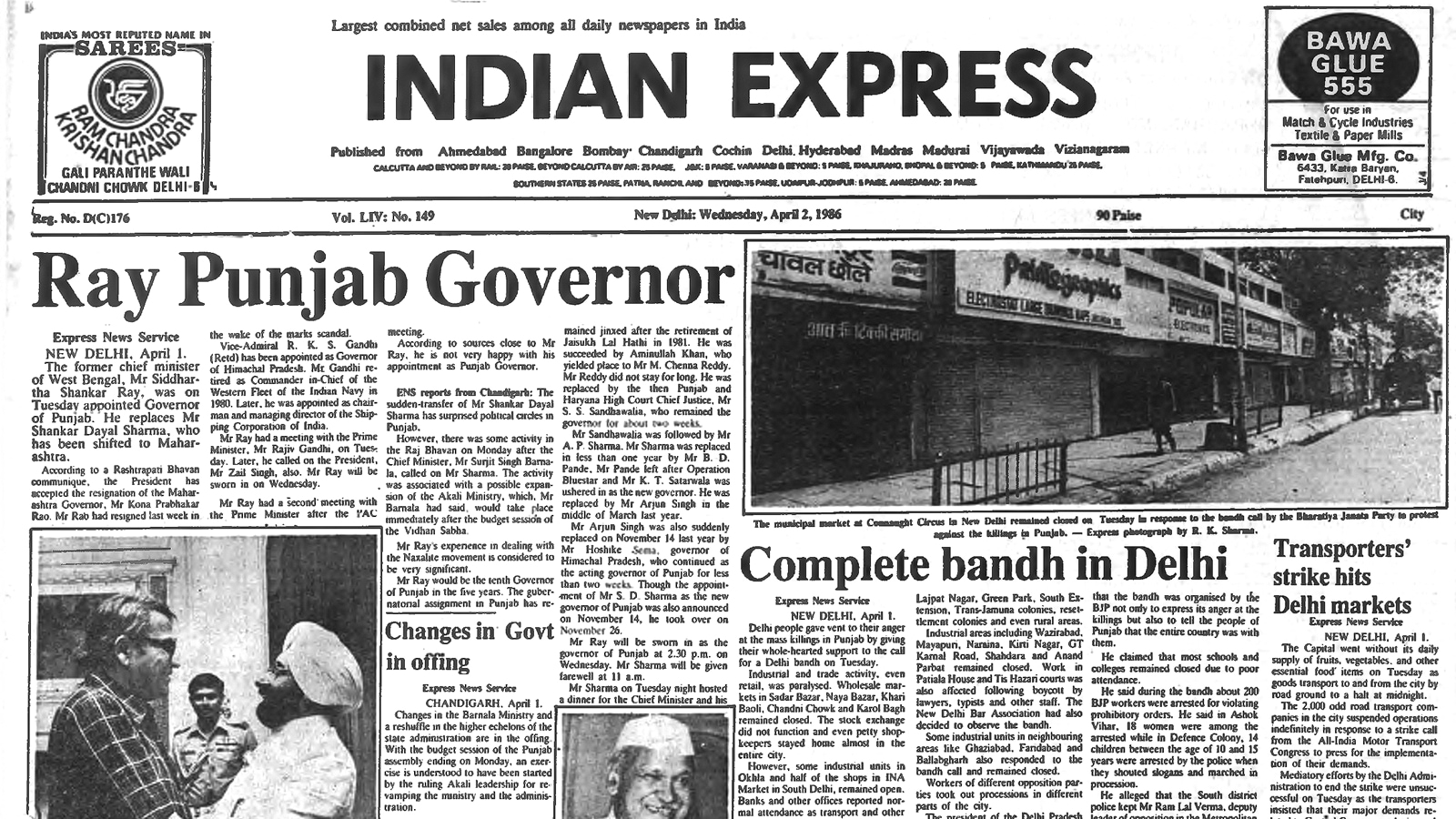
Three years earlier, several parties including the Jana Sangh, Lok Dal, Congress (O) and the socialist factions had come together to form the Janata Party as a bulwark against Congress’s draconian rule. The party emerged victorious in the 1977 elections and formed the government. But, plagued by disunity and its leaders’ ambitions, it collapsed three years later. A major chunk of the leadership, which had come from the Jana Sangh, was forced to part ways due to the “dual membership” bogey raised by the socialist clique.
Walking out of the Janata Party was an unpleasant experience for many Jana Sangh leaders, and cast a shadow on the new party. Probably wanting to tell their Janata Party critics that they were no less socialist, the BJP’s leadership declared “Gandhian Socialism” its guiding principle. There was no clear enunciation of the ideology, although Vajpayee affirmed that “Gandhian socialism is what we want to achieve and make society free of exploitation and full of opportunities”. The party’s constitution, too, proclaimed that it “shall be committed to … ‘Gandhian approach to socio-economic issues leading to the establishment of an egalitarian society free from exploitation’”.
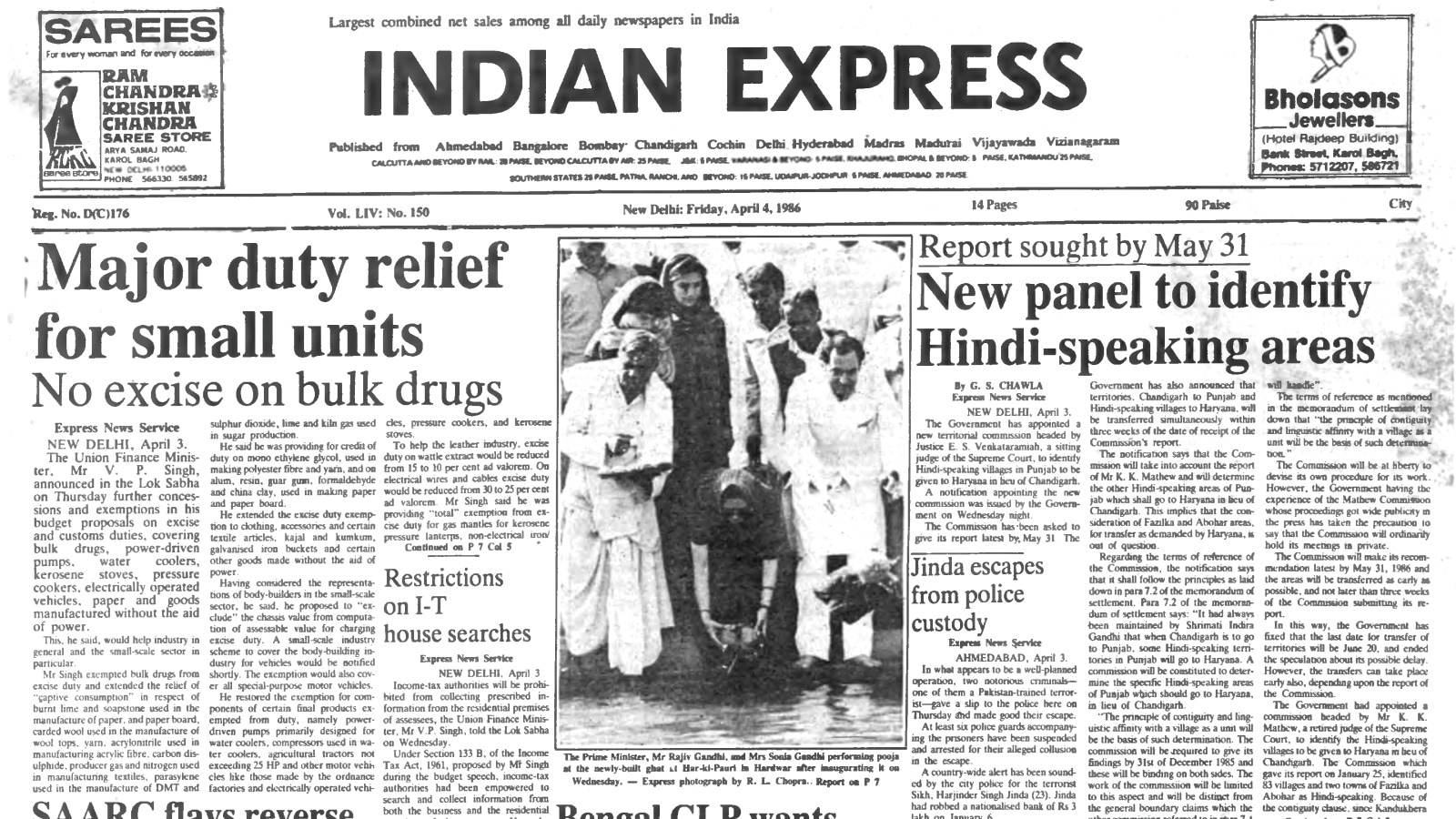
While the cadre’s initial enthusiasm was incredible, this positioning was an albatross around the party’s neck. Words like socialism, egalitarian and exploitation-free society sounded too Marxist to the cadre, largely trained in the RSS vocabulary of nation, culture and unity. Winning just two seats in the 1984 elections forced the leadership to review its ideological trajectory. L K Advani, who became president in 1986, sought to steer it in a more ideologically definitive direction. Decades later, in his memoir My Country My Life, Advani admitted that although the BJP adopted Gandhian Socialism, “the concept did not strike a chord” and “led to confusion about our ideological identity”.
“Gandhian Socialism” was soon replaced by principles like “cultural nationalism” and “integral humanism”. That ideological clarity catapulted the party from a minor bystander in 1984 to principal opposition in 1991 and the ruling party in 1996. The BJP grew on the four pillars of ideology, leadership, organisation and Sangh Parivar. The last decade has seen the party reach a pinnacle on all these pillars.
Under Prime Minister Narendra Modi’s leadership, the party has followed a clear line of cultural nationalism. Modi has taken a non-apologetic approach towards cultural symbolism. It has attracted some criticism from opposition parties, but the broader public seems to identify with that symbolism. This is not mixing religion and politics, but upholding a moral compass and serving truth. “To pursue politics without religion is a sin,” and “immoral”, Gandhi used to exhort.
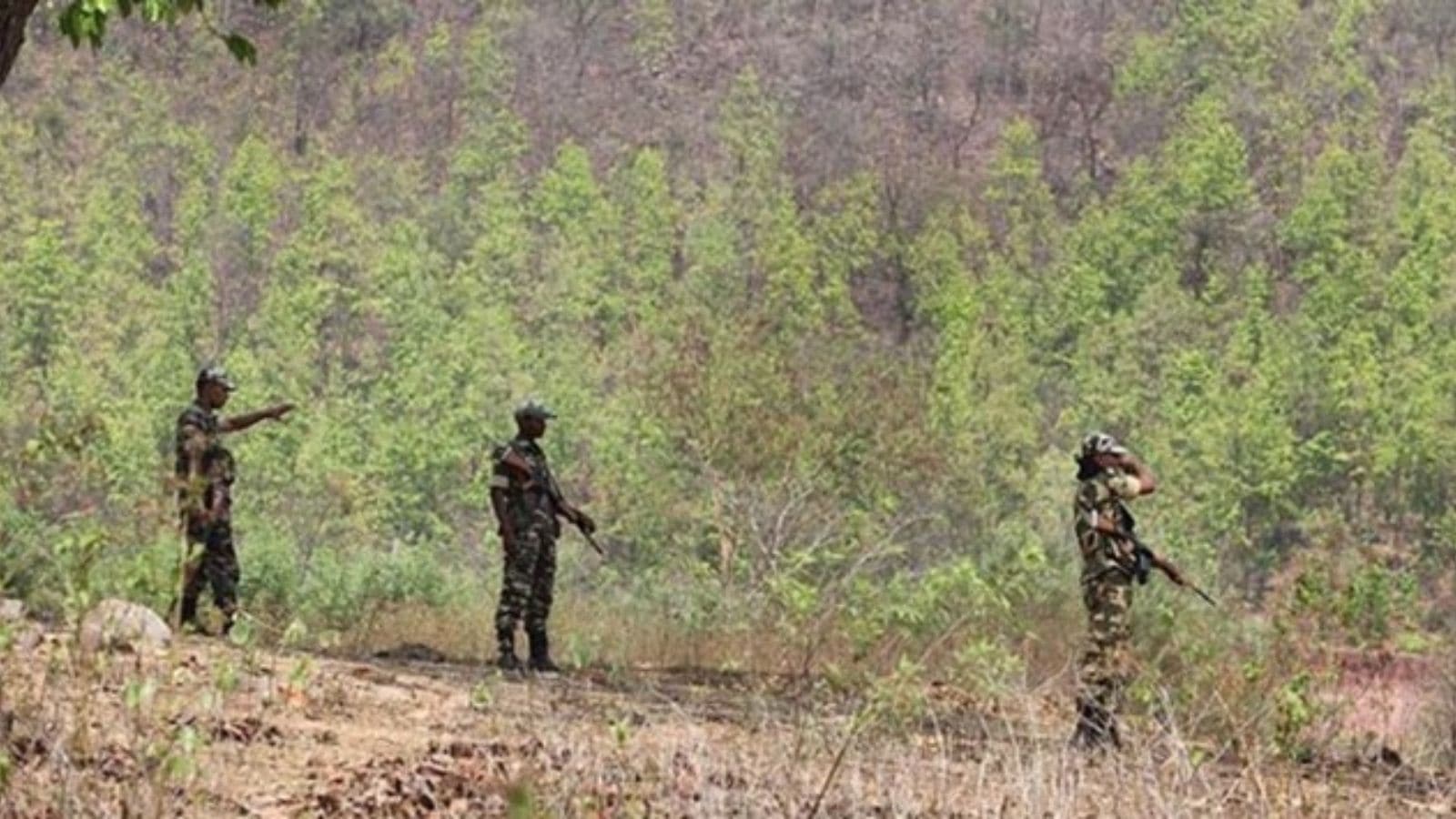
This clear ideological position helped the BJP achieve several benchmark successes in the past decade, like the abrogation of Article 370, the construction of the Ram Temple and building a terror-free India. The decimation of Naxalism has been a major ideological success. Clarity and consistency in ideology-driven politics helped the BJP forge a strong bond with the Sangh Parivar, which, in its centenary year, stands as a pillar of support for the cultural nationalist agenda.
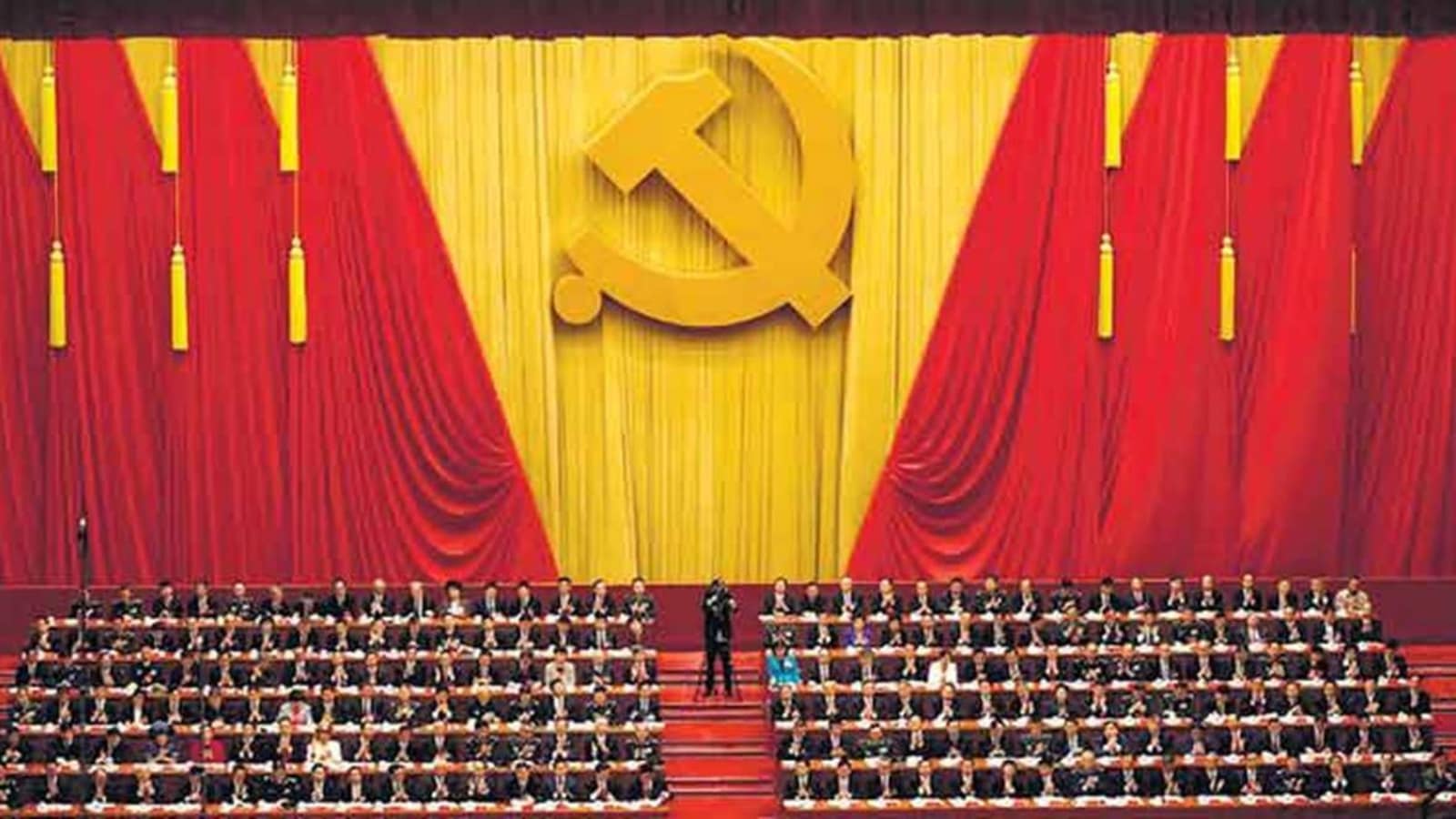
The BJP’s strength also lies in its grassroots organisational presence. Credit goes to Modi for not letting political power downgrade the importance of the party organisation. At the election of the new party president, Modi sent a clear message to the cadre by saying that “I am a party karyakarta, and Nitin Nabin is my boss”. The history of other parties shows that neglecting organisation is suicidal. Congress decided to ignore the organisation in favour of a family several decades ago, sacrificing important leaders to uphold that family’s primacy. The result is that it is unsure of rising as a force again. The communist parties once took pride in their organisational prowess. But they, too, have become power-centred parties in the last few decades, neglecting organisation. If their last bastion, Kerala, collapses in this election, they will be history in Indian politics.
At 46, the BJP is today ideologically rooted, organisationally solid and endowed with an enviable leadership. The lotus has bloomed fully. The party can genuinely be proud of its journey.
The writer, president, India Foundation, is with the BJP