

The ‘anyway’ that rankles: Memories of a hospital, when a daughter is born
Out came the gynaecologist and said, 'Anyway, congratulations – it’s a girl.' No hospital staff asked for sweets, as is the custom. We had to literally force them to accept it
The latest SRS 2024 (Sample Registration System) population data is a cause for worry for the national drive to protect the girl child. From 952 female births to 1,000 male deliveries in 1947, the ratio reduced to an abysmal low of 896 girls to 1,000 boys in 2015-17; now, the SRS shows an improvement to 918 girls to 1,000 boys in 2022-24. Good news, but still way below the ratio at Independence, which is also the World Health Organisation’s reported biologically expected level.
An annual ritual takes place on October 11, when the world commemorates the Day of the Girl Child. However, my wife and I see every day as a blessing, for we have two lovely daughters and a chirpy granddaughter in our midst. The start to our happiness was slightly odd, though.
It was 1981, and we were excited as our first child was about to be born. I was ready with a handheld bulky “two-in-one” (for Gen Z’s information – it was a transistor plus cassette recorder) outside the operating theatre (OT) of a Jammu hospital as the child was being delivered by C-section. Why the two-in-one? Well, it was just a would-be father’s fad that the first cry of the child should be recorded for listening later in life as my wife and I aged.
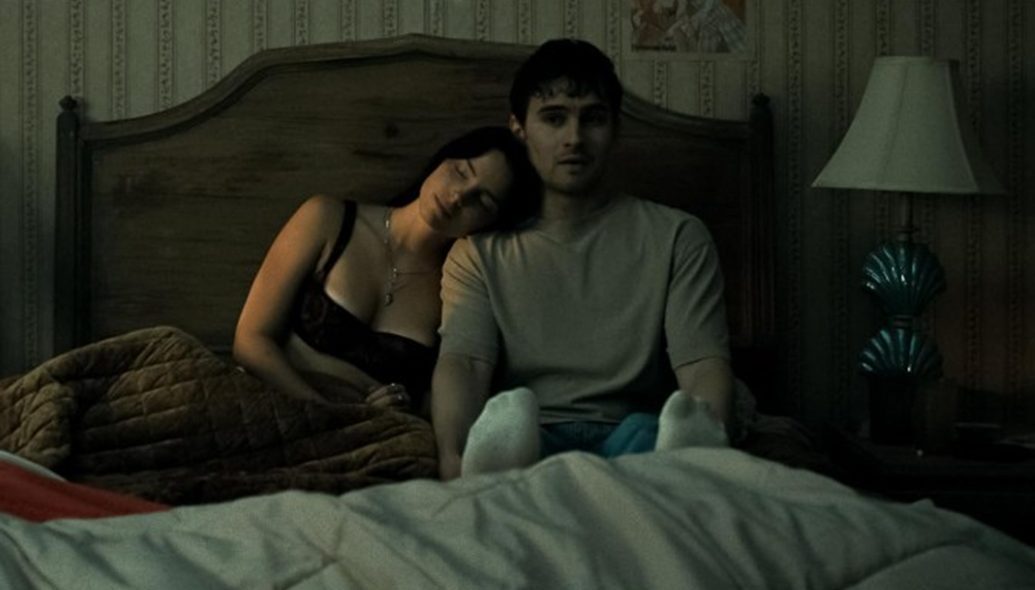
We were waiting with sweets outside the OT as a nurse exited and hurried away. A second one did the same. We were worried now. Then, out came the gynaecologist and said, “Anyway, congratulations – it’s a girl.” We were overjoyed. The “anyway”, however, rankles to this day, 45 years later. By the way, no hospital staff asked for sweets, as is the custom. We had to literally force them to accept it.
Our second girl came from a Gauhati hospital. And as my wife drifted in and out of anaesthesia after C-section, she asked for the child. But nobody would tell her anything – “sab theek hai,” was the only response. Finally, she yelled and was shown the baby girl. As in Jammu, no one asked for sweets here, either. What a welcome for a girl child.
Social mores have changed over the past decades, but have attitudes toward a girl child changed for the better? The joint family has given way to a nuclear one. The “hum do hamare do” drive – whose logo was a sketch of a set of parents holding hands of a boy and a girl – spearheaded the family planning drive in the last century but is invisible now. The admirable “beti bachao beti padhao” drive started in 2015 with much fanfare – alas, that too seems to have faded despite a yearly budget allocation. Modern technology has benefitted the medical field immensely, with the average life span in India increasing from 32 years in 1947 to 72 years in 2022. However, the same technology has been used for female foeticide – the recent arrest in Pune of some doctors and a Class XII dropout (let that sink in), moving around with a portable sonography probe attached to a mobile app for sex determination tests, makes for frightful reading.
Another October 11 will soon come, and as will platitudes spewed by politicians extolling the girl child as a goddess incarnate. But the ground reality is what counts. The sex ratio at birth, as per the SRS data, is slightly better in urban areas than in rural belts, indicating that education may well be key to protecting the female child. Leaders of religion, thought, politics, and social standing must re-double their efforts to ensure that the Viksit Bharat drive stays a balanced one.
The writer is a retired Air Vice Marshal