

A Prime Minister, a thought leader
The most distinctive aspect of PM Modi’s thought process has been his emphasis on drawing inspiration from our civilisational past to face contemporary challenges and to shape our aspirations for a great future
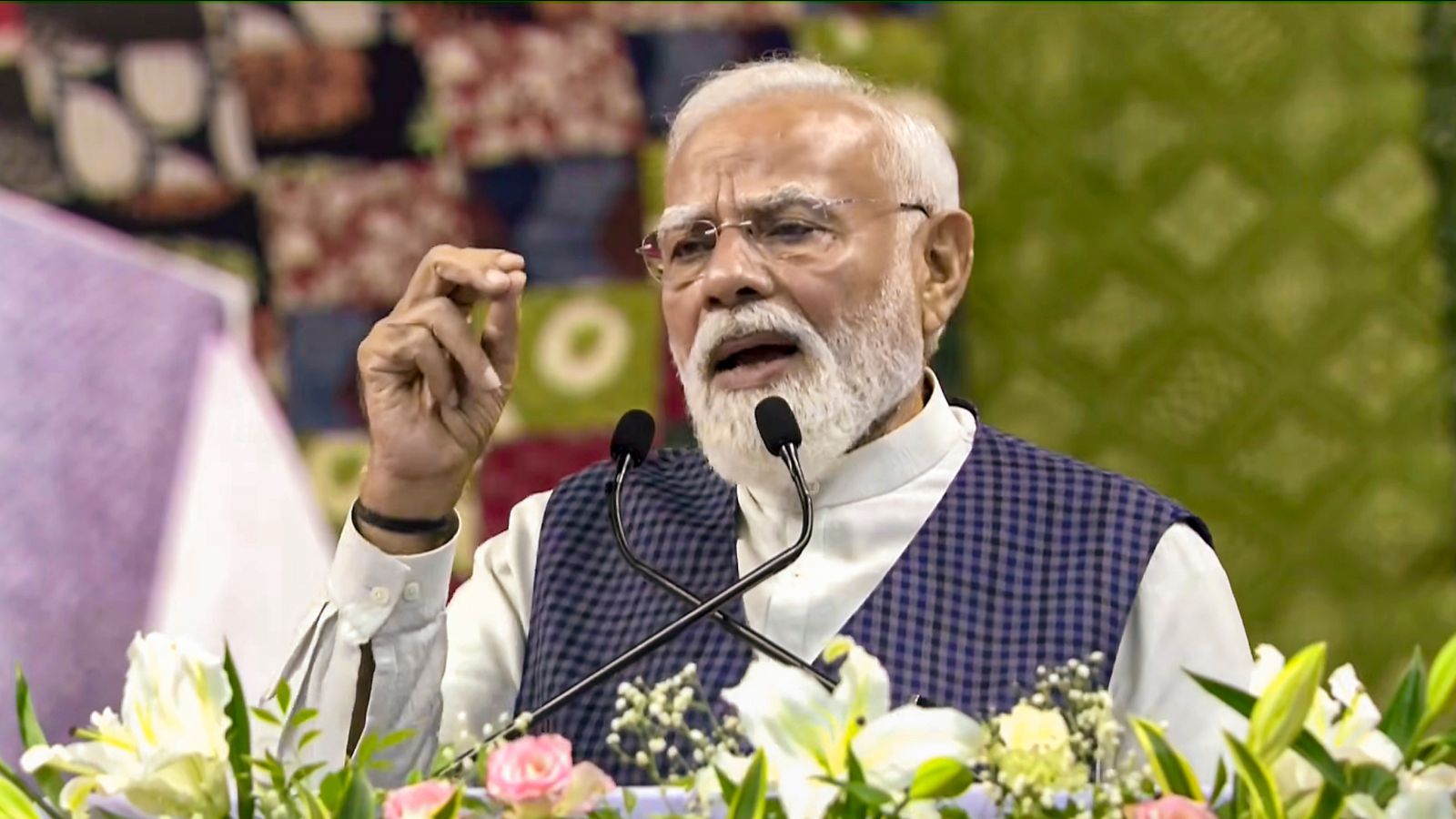
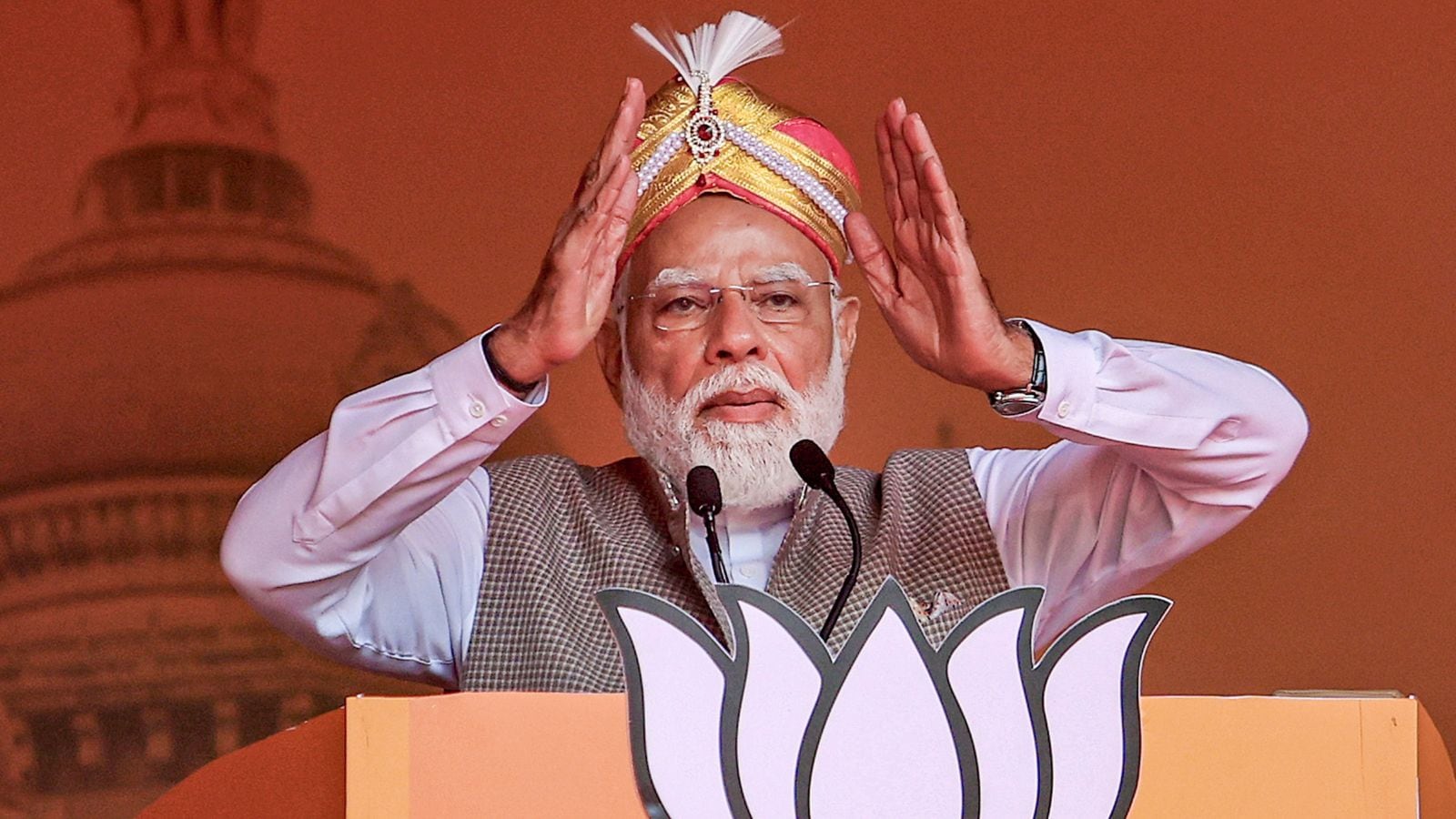
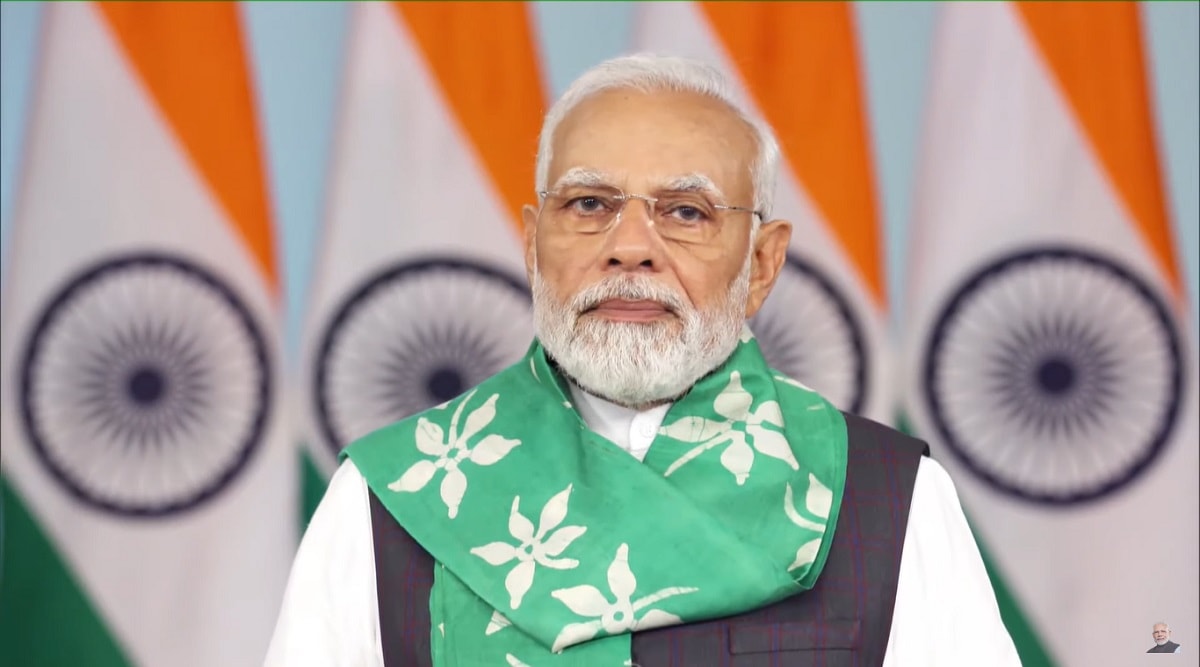
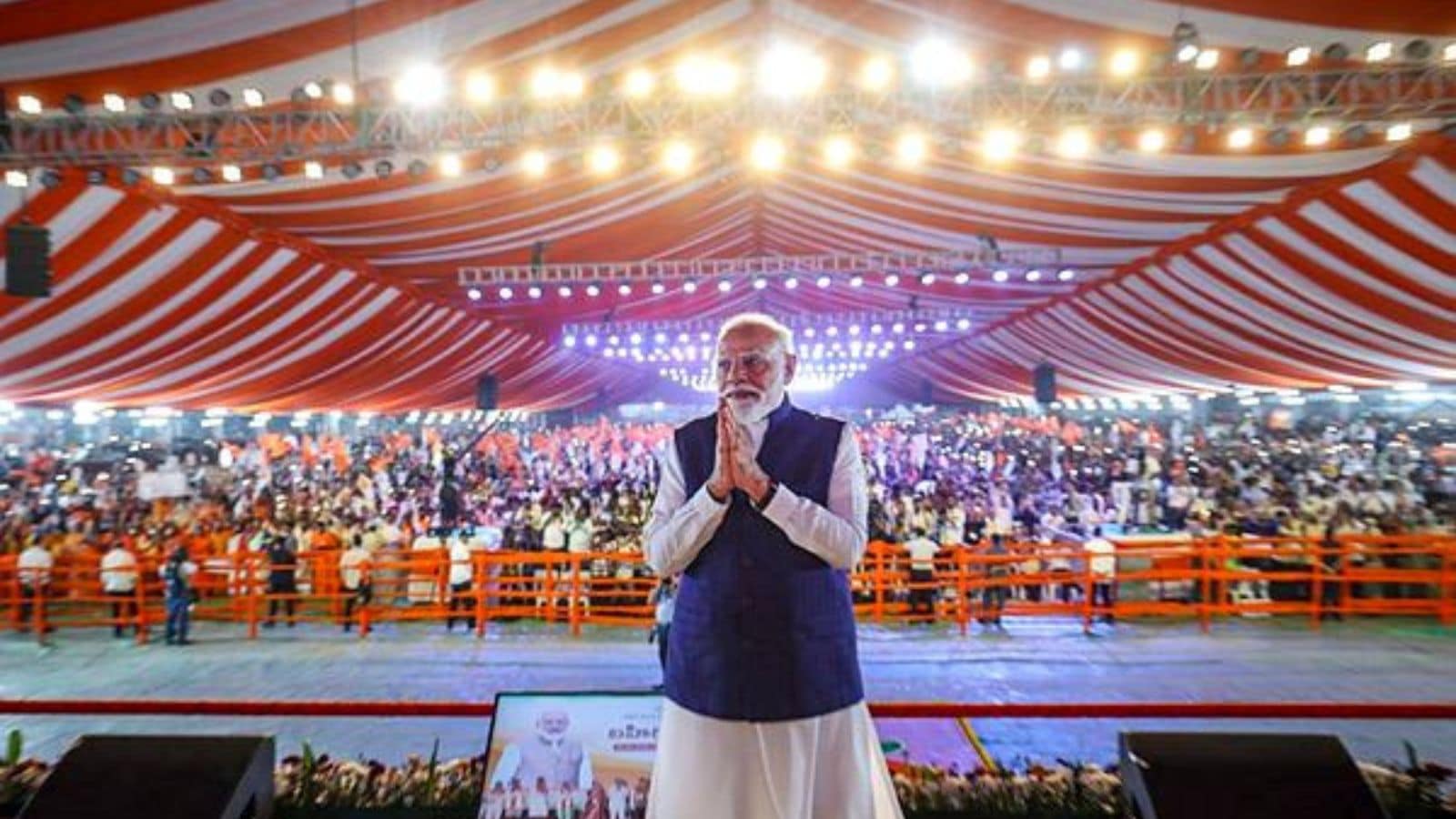
As Narendra Modi emerges as the longest-serving continuously elected Prime Minister of India, it is natural that his contribution over all these years is reviewed. While there is much to be said about his distinct imprint on national governance, from internal security to foreign relations, this article aims to do justice to his thought leadership.
The most distinctive aspect of PM Modi’s thought process has been his emphasis on drawing inspiration from our civilisational past to face contemporary challenges and to shape our aspirations for a great future. A case in point is the mantra of “Vikas bhi, Virasat bhi” — a departure from the established thinking of ignoring our heritage. Take the renaming of public places and new buildings. Kartavyapath, Lok Kalyan Marg, Kartavya Bhavan, and Lok Bhavan underline his emphasis on de-Macaulising our national ethos. It was under his regime that we could rename Aurangzeb Road as Dr Abdul Kalam Road. PM Modi has promoted not just Bharatiya sports and toys but also indigenous talent in consulting. His emphasis on education in the mother tongue not only serves the cause of Indian languages but also provides sound pedagogical advice. At the same time, he has made it clear that his efforts do not advocate a blanket anti-foreign/anti-English language mentality.
PM Modi institutionalised historically important occasions in the form of Vibhajan Vibhishika Divas (August 14), Janjati Gaurav Divas (November 15), Veer Bal Divas (December 26), Lok Tantra Hatya Divas (June 26), etc. Supremely important is the International Yoga Day (June 21). The IYD has proved instrumental in creating a deeper understanding of India’s uniquely rich yoga traditions globally and has added to our soft power. His ideas always have a practical, operational dimension. His Panch-Pran include the idea of Viksit Bharat, freedom from colonial mindset, taking pride in our heritage, unity and integrity, and also an emphasis on our duties as citizens.
Conceptions like Ek Bharat, Shreshtha Bharat, remind countrymen that a united and integrated India is the precondition for restoring our greatness. He has also tried to blend our cultural moorings with developmental needs with concepts like Atmanirbhar Bharat and Vocal for Local. Unlike Jawaharlal Nehru’s “aaram haram hain” or Rajiv Gandhi’s “mera bharat mahan”, Modi has inspired people to think big and aspire to make India “viksit”, shaping a collective national aspiration.
His thought leadership is reflected in governance. While in Gujarat, he underscored the centrality of people’s participation in development. To that end, he advocated a P2G2 approach — people’s participation for good governance. He is perhaps the first PM who minced no words in telling people that they cannot just outsource development to the government, sit pretty, and do nothing. Placing empowerment over entitlement has always been at the core of PM Modi’s thinking.
Without necessarily using the phrase, PM Modi has been a reflective public voice on gender justice. His idea of women-led development is not just innovative, but more meaningful as it would automatically put gender justice at the centre of any new developmental project.
PM Modi has also articulated his thoughts, with clarity, on environmental challenges. He advocated the idea of Lifestyle for the Environment. Through this, he tried to hold a mirror to the harm caused by the affluent nations. At the same time, he made the global community realise that manifesting our concern for environmental challenges through our conduct is much more difficult, but equally essential. He linked the environment to our emotions and ethos and mooted the idea of a campaign called Ek Ped, Ma Ke Naam. His emphasis on solar energy, organic farming, and using less fertilisers while promoting the idea of Per Drop, More Crop is another example of his sincere attempts to educate people in an unobtrusive manner. The G20 motto, “One Earth, One Family, One Future”, reminded global leaders of our inescapable inter-dependence.
Prime ministers in democracies have to educate them without tutoring, moot ideas without sounding revolutionary, and share new approaches without sermonising. Whether academia and the intelligentsia recognise this or not, PM Modi stands head and shoulders above his predecessors on this front.
The writer is a national executive committee member of the BJP