

A ‘golden’ fix for India’s forex stress?
With forex reserves plummeting to just $1.1 billion in June, barely enough to pay for 2-3 weeks of essential imports, the RBI proposed pledging 50 tonnes of gold to raise foreign exchange
THERE IS a tricky proposal engaging the government at the highest levels over the past 3-4 weeks. An empowered group of ministers has met twice to discuss it. Officials in the Prime Minister’s Office are seized of the issues connected with this idea. And the Cabinet Secretariat, the office responsible for government administration, has held meetings with those in the business to better understand the concerns, and ways to address them.
The thought behind the proposal probably has its origins in an austerity measure proposed by the PM at a public meeting in Hyderabad on May 10. In the backdrop of the West Asian crisis that led to a surge in oil prices, Modi had urged people to refrain from buying gold during festivals for a year, besides conserving fuel, restricting foreign travels, etc. The proposal, which has generated some interest among the few who are privy to it, is to launch a voluntary gold disclosure scheme. The idea seems to be to collect gold lying idle in private hands — that is, what people accumulated over the years for ‘investment’ (bars, coins), not what they bought for ‘consumption’ (jewellery) — and put it to use to reduce imports, and preserve foreign exchange.
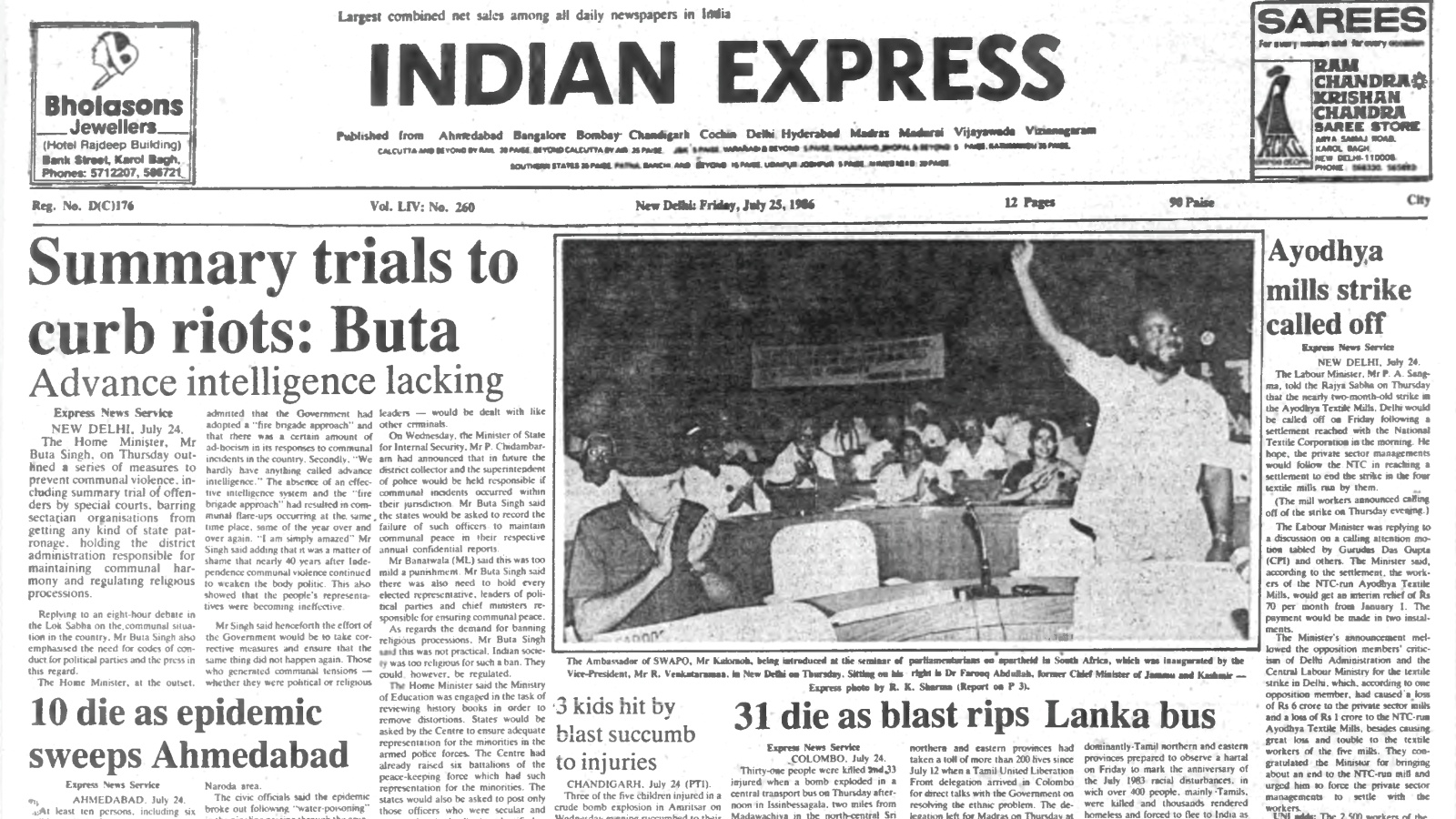
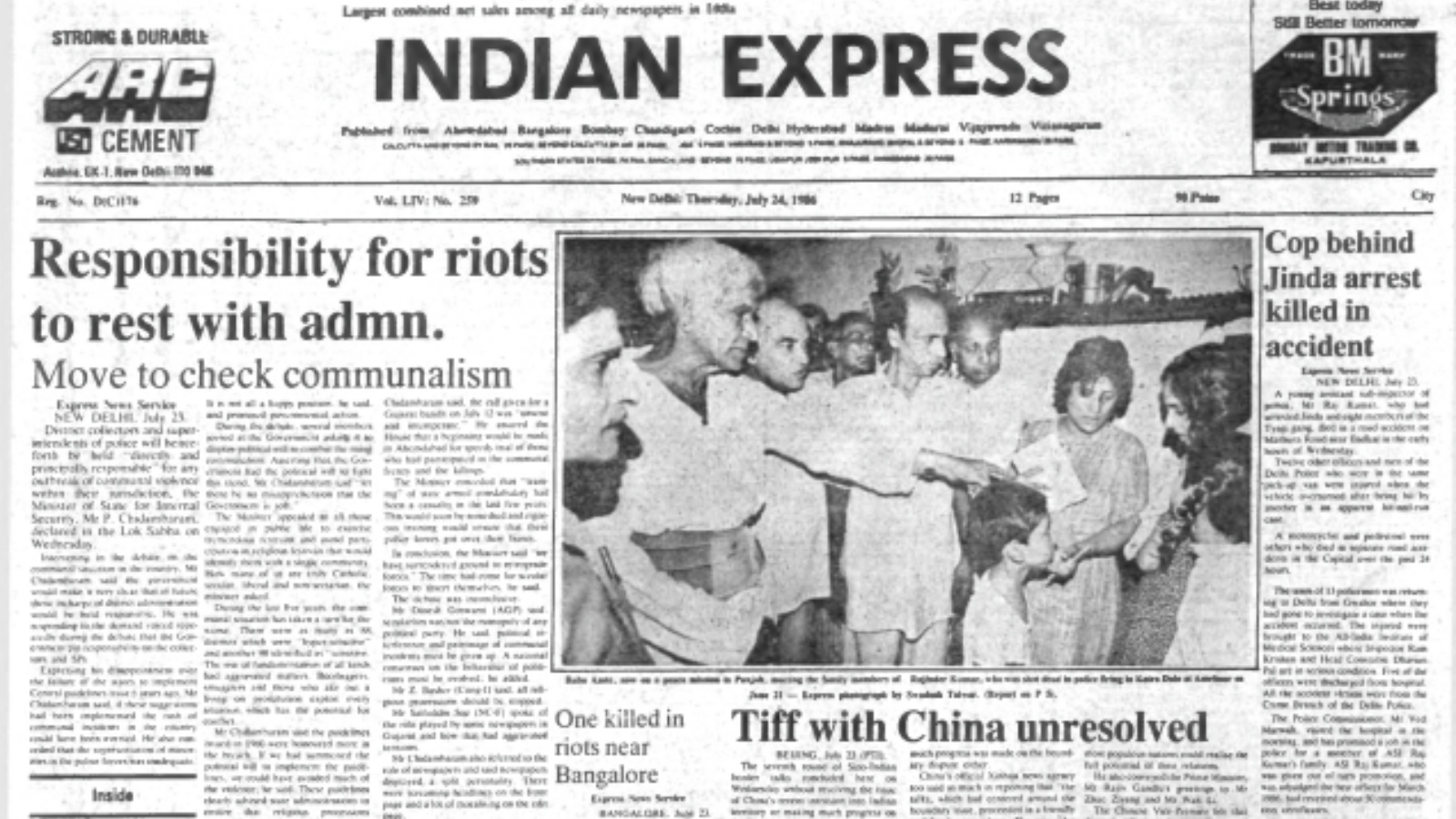
In India, gold has huge sentimental value, has cultural and religious connections; but it has also been leveraged by governments during emergencies, be it during wars or economic crises. Most recently, in the early 1990s, when India faced an economic crisis, the government and the Reserve Bank of India saw a ‘golden’ opportunity. To bolster the country’s forex, the RBI was fully on board when the State Bank of India pledged 20 tonnes of gold confiscated from smugglers with the Union Bank of Switzerland in May 1991 to raise about $200 million. But this wasn’t enough.
With forex reserves plummeting to just $1.1 billion in June, barely enough to pay for 2-3 weeks of essential imports, the RBI proposed pledging 50 tonnes of gold to raise foreign exchange. This was approved by the caretaker government led by Chandra Shekhar, but executed post general elections by the new government under Prime Minister PV Narasimha Rao and his Finance Minister, Manmohan Singh. As much as 46.91 tonnes was pledged to raise $405 million; this too was paid back in less than four months.
These may look small today, given that India imports more than 700 tonnes of gold a year, and its forex reserves are robust at over $675 billion. But the crisis was acute then, and this one drastic measure kickstarted the process of economic reforms that continues till date with some jerks, but has overall bipartisan political support.
Two years later, in 1993, as India became a bit comfortable on the forex front, it sought to bolster its gold reserves. The government experimented with an idea to bring private and unaccounted gold into the formal economy. It issued the Gold Bonds (Immunities and Exemptions) Ordinance, 1993, and, drawing from it, announced the Gold Bonds Scheme. The bonds had a five-year tenure, and after five years, subscribers were paid Rs 40 per gram lump-sum interest, along with the gold deposited. A subscriber was required to deposit a minimum of 500 grams under the scheme, which was open for two months. The biggest draw was it asked no questions from the subscribers about the nature and source of gold, or the money used to buy the gold. It also promised the government would not start any inquiry or investigation against the subscribers. In all, the total gold received under the scheme was 41.12 metric tonnes, valued at Rs 1,534.40 crore.
Thirty-three years later, in May 2026, India faces a different gold problem. The West Asia crisis is not of the government’s making, but is exerting pressure on the Indian economy, and magnifying its vulnerabilities. India imports bulk of its crude oil needs; crude oil prices have once again topped $100 a barrel, which means India’s import bill will soar. This can’t be avoided. But what can be is the massive gold imports, which only worsens the current account deficit (when the money spent on imports is more than the money earned from exports, it leads to a deficit).
Sajjid Chinoy, a part-time member of the Prime Minister’s Economic Advisory Council, points out that gold demand has remained largely intact (over 720 tonnes) despite a more than doubling of prices in the last three years. A research by him and his colleagues for JP Morgan says 50% of this demand in January-March 2026 was for investment (in gold bars and coins). In January-March 2023, it was just 30%.
The biggest factor that made the Gold Bond Scheme of 1993 a success was the government immunity to subscribers. But that required taxpayers, individuals and corporations to have trust in the system. Here, many in the government agree, there is considerable work to be done. But there are other options to explore too on increasing the attractiveness of a financial product linked to gold.
It’s a ‘golden’ problem to solve.
The writer is Managing Editor, The Indian Express