

The musical journey of Neela Bhagwat who passed away in Mumbai
Classical vocalist and teacher Neela Bhagwat’s life in music remained about attempting to make classical traditions more open
At the end of Anand Patwardhan’s Ram Ke Naam, the searing 1992 documentary that examines how faith can be mobilised into a powerful political force, one is left with a haunting Kabir bhajan sung by Gwalior gharana exponent Neela Bhagwat.
She sings, Sadh dekho jag baurana… Hindu kehet hai Ram hamara, Musalman Rehmana/ Apas mein dou lare martu hain, maram koi nahi jana (O Saints, I see the world is going insane… The Hindus claim Ram as theirs, the Muslims claim Rahim/ They fight and kill in their names, but their knowledge is hollow). Post the frenzy that the film documents, Bhagwat’s voice, which plays along the credits, stays long after the disturbing images have faded.
“I wanted a voice that was musically in tune, yes, but also not one that sounded extremely polished; a voice that sounded like folk,” says Patwardhan about Mumbai-based Bhagwat, whom he is likely to have met in progressive cultural and political circles or during some protests, he cannot recall. Her political insight, not usual among classical musicians, was also one of the reasons he asked her to sing.
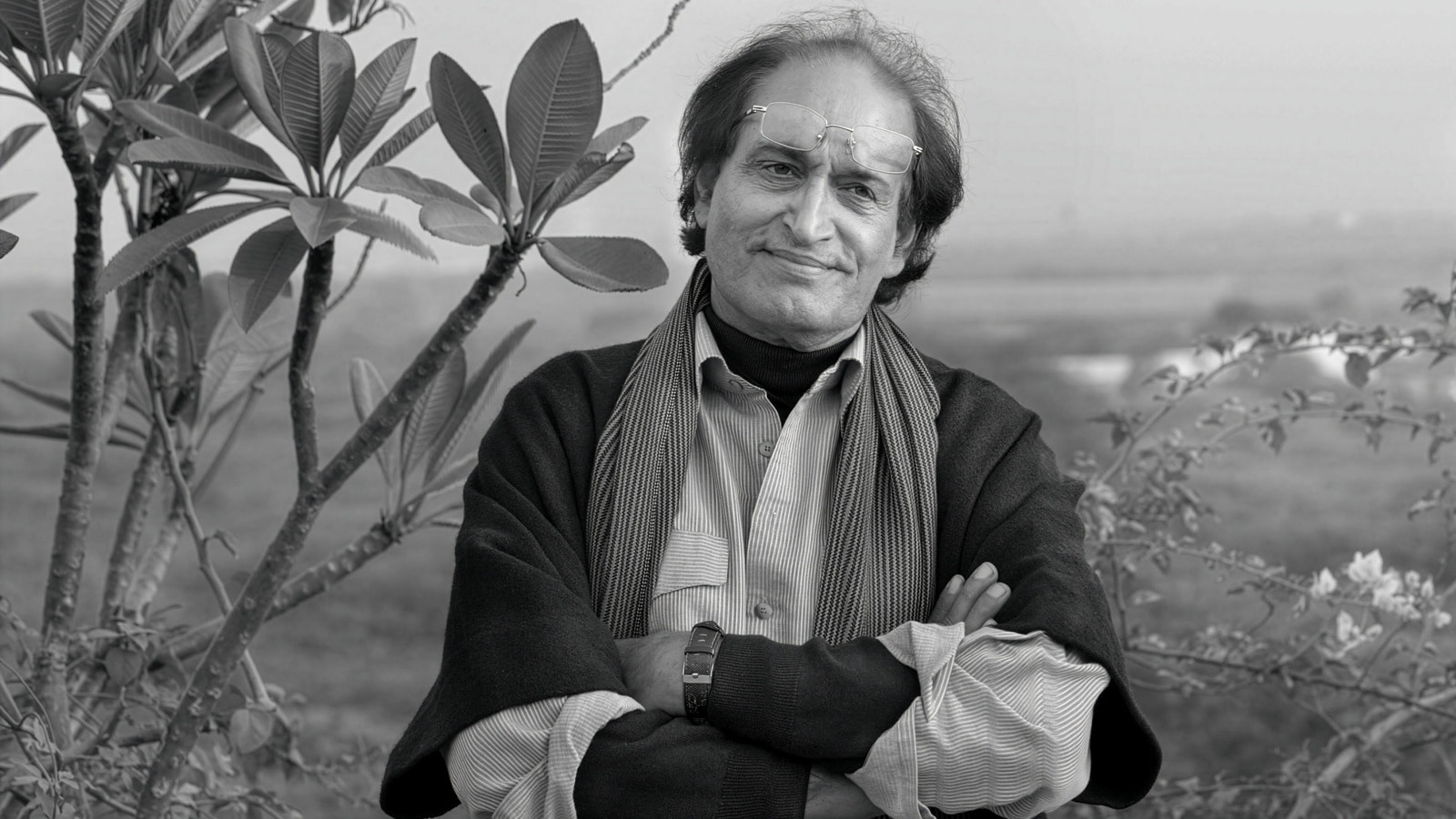
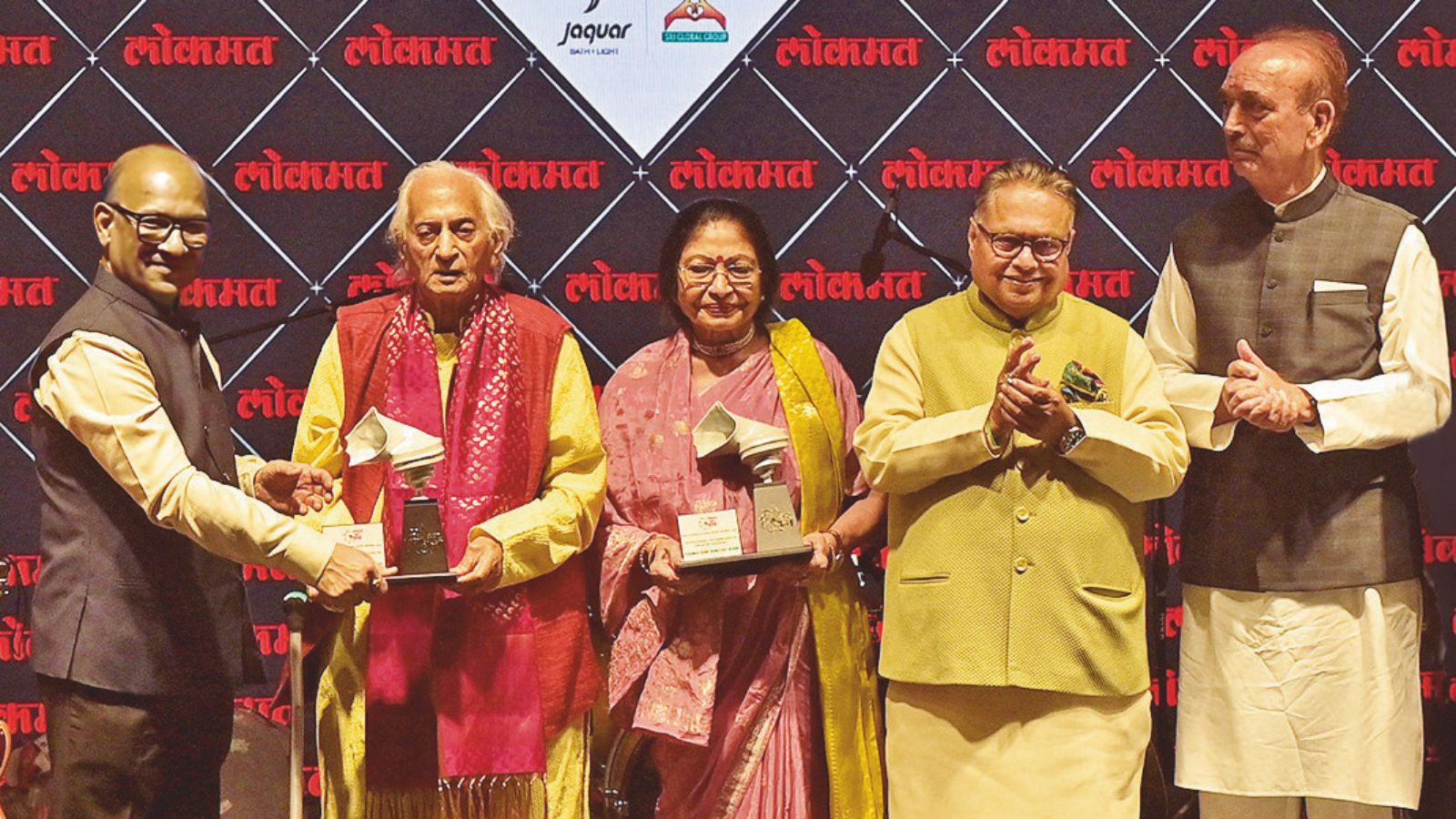
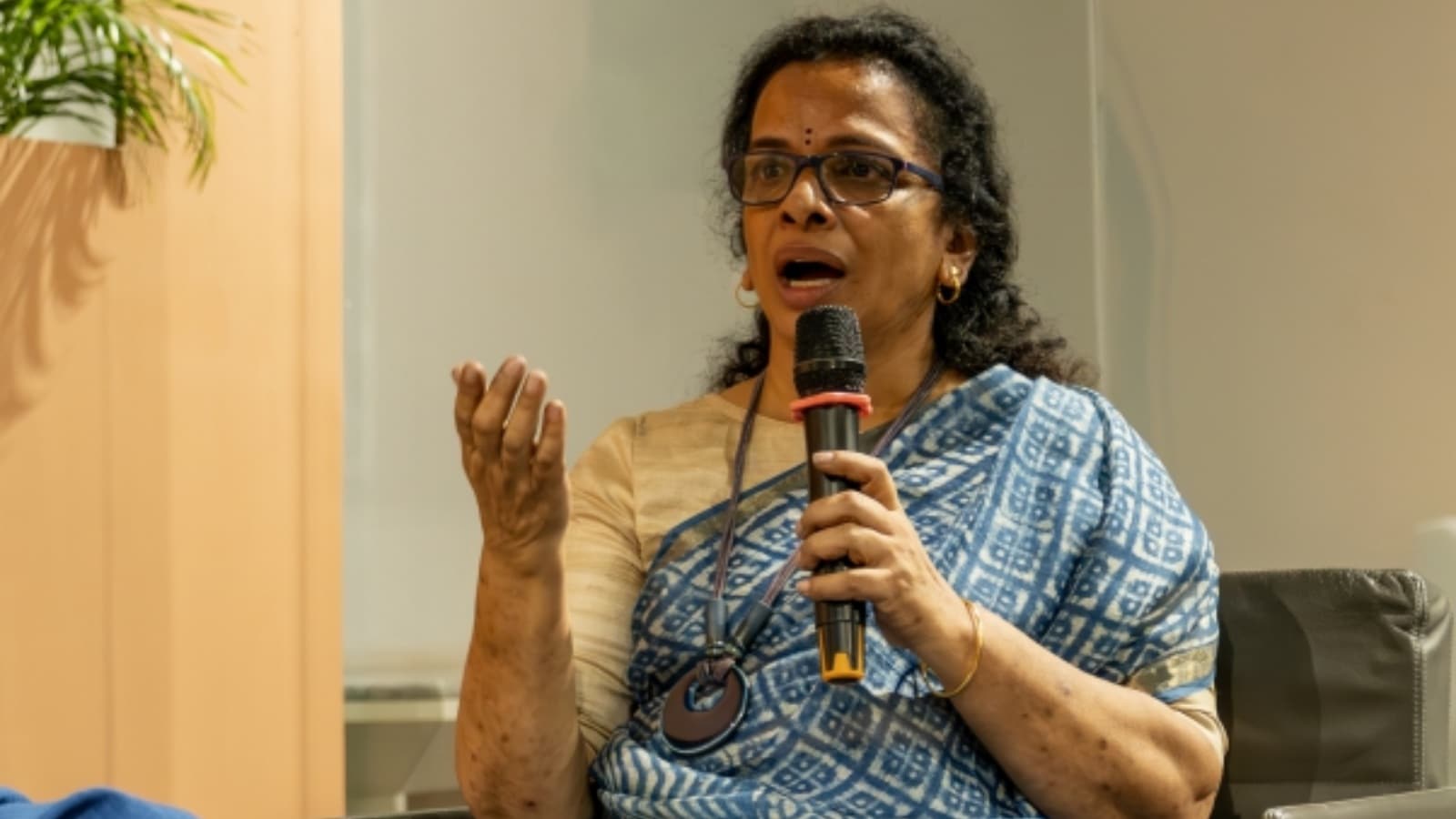
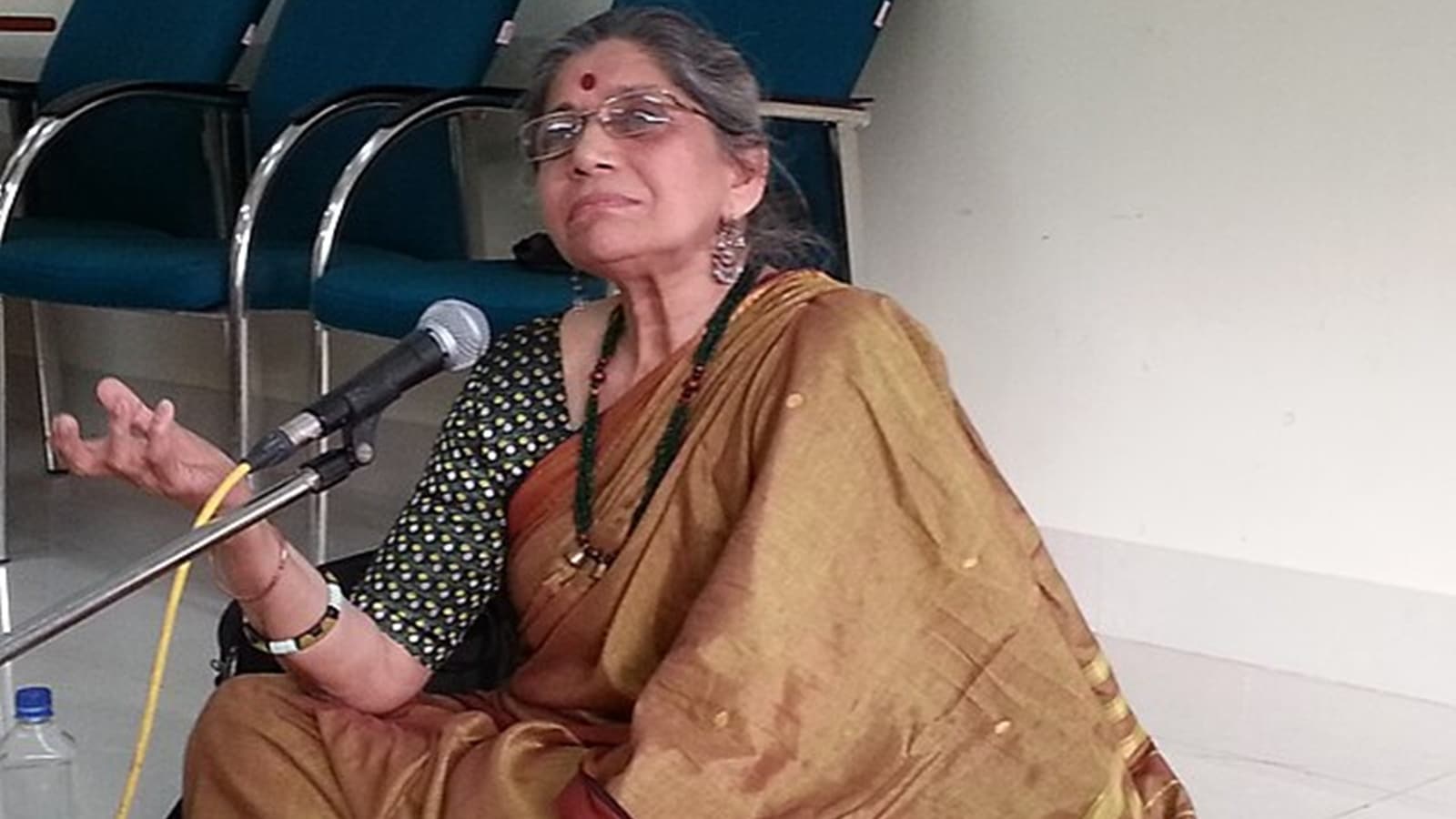
Bhagwat, a musician of the Gwalior gharana, social activist and a scholarly artiste shaped by a time when art and politics were inherently linked, passed away in her Matunga home last week after suffering from idiopathic pulmonary fibrosis. She was 83 and survived by musician, husband and student Amarendra Dhaneshwar.
Growing up in Mumbai, Bhagwat was born to freedom fighter parents in a home where curiosity was encouraged. While studying sociology in college, she did theatre under noted playwright and screenwriter Satyadev Dubey, followed by Kathak training under Lachhu Maharaj. She began learning vocal classical under Pt Ganpartao Tilak of Jaipur gharana in her 20s, a relatively late start for training in classical music. This is also when she was deeply into Marxism, besides being involved with the feminist movement. She then learned under the aegis of Sharatchandra Arolkar, a student of Krishnarao Shankar Pandit, one of the leading exponents of Gwalior gharana in the 20th century. Later, she also trained under noted Gwalior vocalist Jal Balaporia.
While Bhagwat made an impact in teaching a few musicians and writing several essays and books, her performance career was comparatively not as prominent. Many of her contemporaries at the time felt that her voice, its slightly restricted movement and lack of refinement, wasn’t going to be able to attract many serious concertgoers. In the ’80s, when women singers like Kishori Amonkar, Parveen Sultana and Girija Devi had very fluid voices and became known for their concerts, Bhagwat was not popular in the circuit.
As Bhagwat expanded her understanding of classical music and its contours, she wasn’t the most comfortable with the older style saas-nanad bandishes and went on to creating new khayal compositions. She wrote of khayal in one essay, “If ‘the original khayal is the most evolved, it (also) has the potential to absorb a new word, connoting a new idea, thus to communicate the cultural ethos of any period in history, to transcend the boundaries and limitations of the period in which it is born”.
Gwalior gharana classical vocalist Meeta Pandit, granddaughter of Krishnarao Pandit, says, “She was really passionate about whatever she put herself into.”
The world of Indian classical music and its gharanas, until a few years ago, was very closely guarded. It portrayed the tradition as closed off and mysterious to newcomers. Bhagwat decided to democratise the process. She generously shared four volumes of compositions she had mastered by uploading them to Wikimedia Commons under the title Treasure of Gwalior Gharana. It was the riots in Mumbai in the ’90s that turned her more towards spiritual poets like Kabir, Meera and other Marathi saints poets. She also translated the writings of Marathi women-saints from the Warkari tradition with writer and journalist Jerry Pinto in the book The Ant Who Swallowed the Sun (The Speaking Tiger, 2020). For the last 25 years, Bhagwat had been focused on teaching students. She also set up the Khayal Trust, where she presented younger musicians, besides interactive sessions exploring the evolution of classical music.
At the end of Anand Patwardhan’s Ram Ke Naam, the searing 1992 documentary that examines how faith can be mobilised into a powerful political force, one is left with a haunting Kabir bhajan sung by Gwalior gharana exponent Neela Bhagwat.
She sings, Sadh dekho jag baurana… Hindu kehet hai Ram hamara, Musalman Rehmana/ Apas mein dou lare martu hain, maram koi nahi jana (O Saints, I see the world is going insane… The Hindus claim Ram as theirs, the Muslims claim Rahim/ They fight and kill in their names, but their knowledge is hollow). Post the frenzy that the film documents, Bhagwat’s voice, which plays along the credits, stays long after the disturbing images have faded.
“I wanted a voice that was musically in tune, yes, but also not one that sounded extremely polished; a voice that sounded like folk,” says Patwardhan about Mumbai-based Bhagwat, whom he is likely to have met in progressive cultural and political circles or during some protests, he cannot recall. Her political insight, not usual among classical musicians, was also one of the reasons he asked her to sing.
Bhagwat, a musician of the Gwalior gharana, social activist and a scholarly artiste shaped by a time when art and politics were inherently linked, passed away in her Matunga home last week after suffering from idiopathic pulmonary fibrosis. She was 83 and survived by musician, husband and student Amarendra Dhaneshwar.
Growing up in Mumbai, Bhagwat was born to freedom fighter parents in a home where curiosity was encouraged. While studying sociology in college, she did theatre under noted playwright and screenwriter Satyadev Dubey, followed by Kathak training under Lachhu Maharaj. She began learning vocal classical under Pt Ganpartao Tilak of Jaipur gharana in her 20s, a relatively late start for training in classical music. This is also when she was deeply into Marxism, besides being involved with the feminist movement. She then learned under the aegis of Sharatchandra Arolkar, a student of Krishnarao Shankar Pandit, one of the leading exponents of Gwalior gharana in the 20th century. Later, she also trained under noted Gwalior vocalist Jal Balaporia.
While Bhagwat made an impact in teaching a few musicians and writing several essays and books, her performance career was comparatively not as prominent. Many of her contemporaries at the time felt that her voice, its slightly restricted movement and lack of refinement, wasn’t going to be able to attract many serious concertgoers. In the ’80s, when women singers like Kishori Amonkar, Parveen Sultana and Girija Devi had very fluid voices and became known for their concerts, Bhagwat was not popular in the circuit.
As Bhagwat expanded her understanding of classical music and its contours, she wasn’t the most comfortable with the older style saas-nanad bandishes and went on to creating new khayal compositions. She wrote of khayal in one essay, “If ‘the original khayal is the most evolved, it (also) has the potential to absorb a new word, connoting a new idea, thus to communicate the cultural ethos of any period in history, to transcend the boundaries and limitations of the period in which it is born”.
Gwalior gharana classical vocalist Meeta Pandit, granddaughter of Krishnarao Pandit, says, “She was really passionate about whatever she put herself into.”
The world of Indian classical music and its gharanas, until a few years ago, was very closely guarded. It portrayed the tradition as closed off and mysterious to newcomers. Bhagwat decided to democratise the process. She generously shared four volumes of compositions she had mastered by uploading them to Wikimedia Commons under the title Treasure of Gwalior Gharana. It was the riots in Mumbai in the ’90s that turned her more towards spiritual poets like Kabir, Meera and other Marathi saints poets. She also translated the writings of Marathi women-saints from the Warkari tradition with writer and journalist Jerry Pinto in the book The Ant Who Swallowed the Sun (The Speaking Tiger, 2020). For the last 25 years, Bhagwat had been focused on teaching students. She also set up the Khayal Trust, where she presented younger musicians, besides interactive sessions exploring the evolution of classical music.