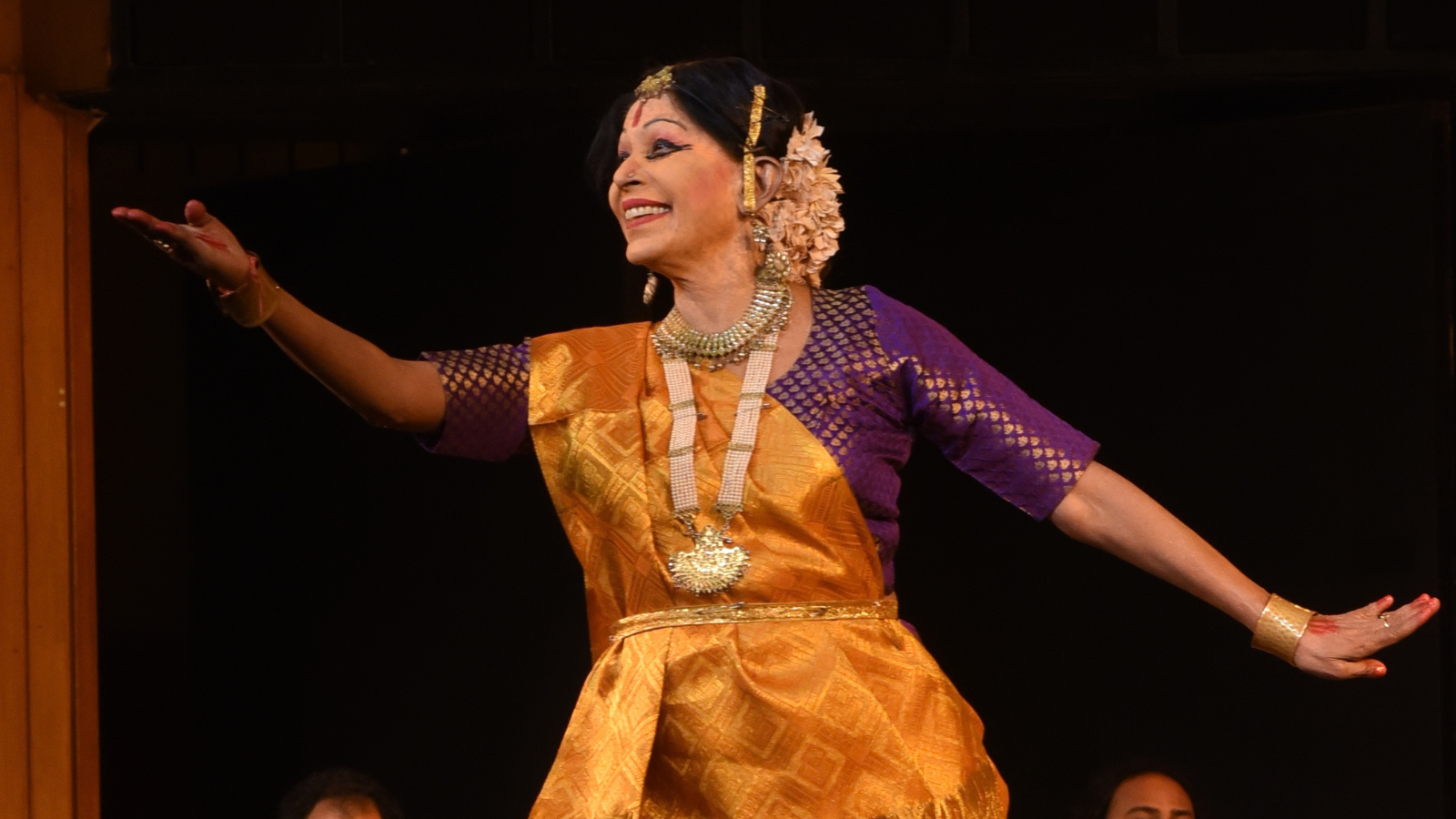


Kathak exponent Shovana Narayan’s LalitArpan Festival turns 25
On the festival’s silver jubilee, founder Shovana Narayan reflects on the evolving journey of tradition, the power of transmission and the future of Indian classical dance
When the LalitArpan Festival raises its curtain on October 8 at Delhi’s Stein Auditorium at India Habitat Centre, it will mark a quarter-century of the Indian classical dance festival founded in 2002 by Kathak exponent Shovana Narayan, tabla maestro late Ustad Shafaat Ahmed Khan and Jyotsna Suri, Chairperson & Managing Director, The Lalit Suri Hospitality Group. The festival has presented more than 100 torchbearers of the classical performing arts.
The 25th Silver Jubilee of the festival, spread across two days (October 8 and 9), centres on the theme, ‘Tradition, Transition & Transmission’. “For me, these three words describe not only the journey of LalitArpan over 25 years, but also the natural lifecycle of any living classical tradition,” says Narayan, who adds that one inherits wisdom, discipline, aesthetics and values from our gurus, but tradition cannot mean simply repeating the past. “A tradition survives precisely because it has the inner strength to respond to changing times,” she adds.
Each generation is finding its own artistic language within an inherited grammar. And, transmission, she says, is “perhaps the most crucial of all.” Knowledge has to travel, from guru to shishya, from one generation to another, and from the stage to the audience. “It is passing on a way of seeing, questioning, feeling and creating,” she says.
The festival will open with a homage to 25 veteran dancer-gurus of Delhi, including Vidushi Smt. Manjushree Chatterjee, Dr Sonal Mansingh, Vidushi Swapnasundari, Pt. Shashdhar Acharya, among others.
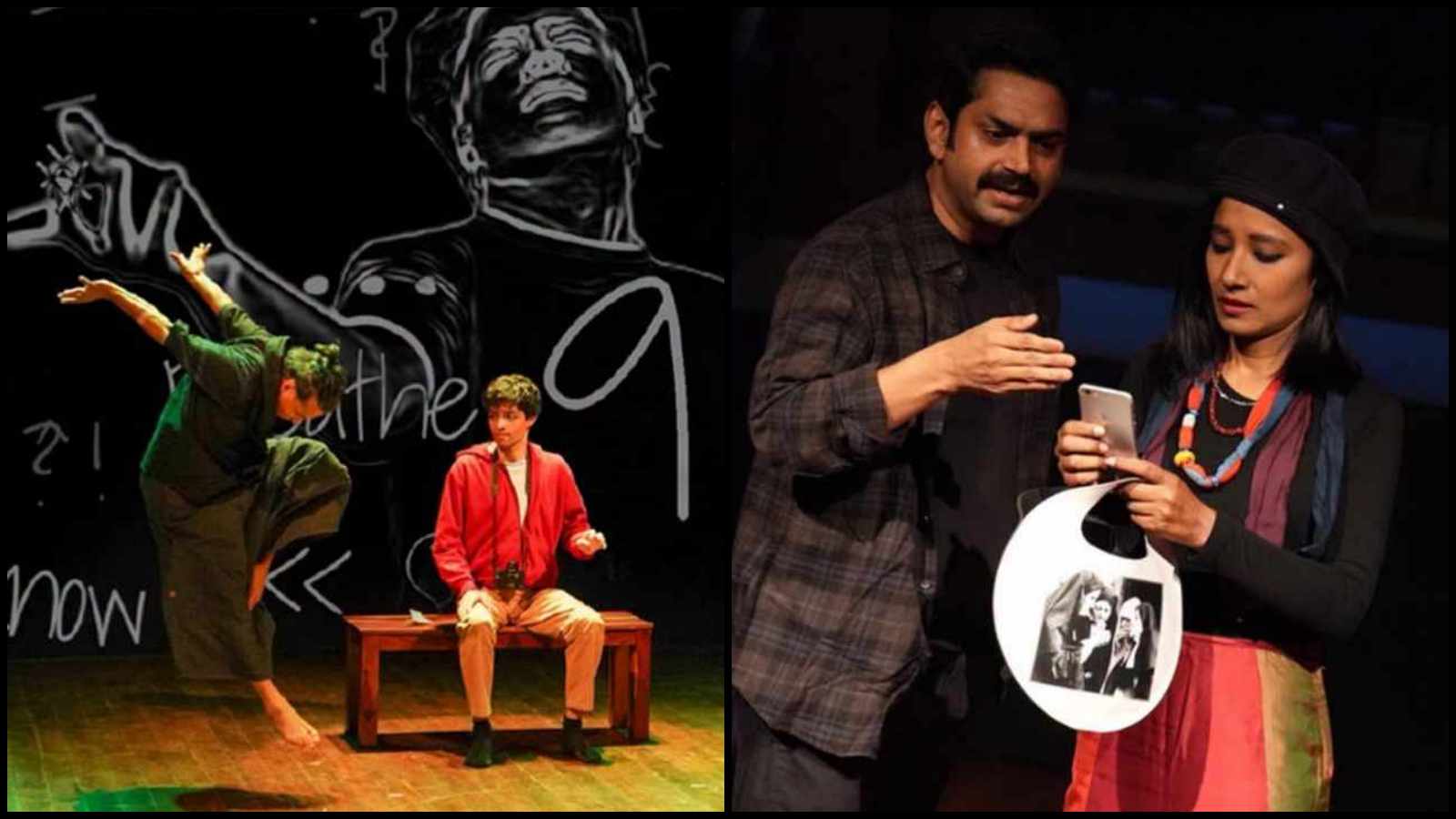
The evening will then turn to ‘Yudhishthir & Draupadi’, a dance rendition of Pavan K Varma’s poem, which will be presented by Narayan and Sunit Tandon. What drew her to the text was its interiority: “It does not merely retell an episode from the Mahabharata. It enters the emotional and psychological space between Yudhishthir and Draupadi.” What happens when adherence to dharma inflicts pain upon someone you love? Can righteousness become an excuse for silence? And what happens when the person who has suffered finally demands an answer? These questions find natural expression in Kathak’s sophisticated vocabulary of abhinaya, where “a glance, a stillness, a turn of the body, a moment of withheld movement can communicate more powerfully than elaborate action,” adds Narayan, who adds that sometimes the most difficult choreographic decision is not what to add, but what to remove.
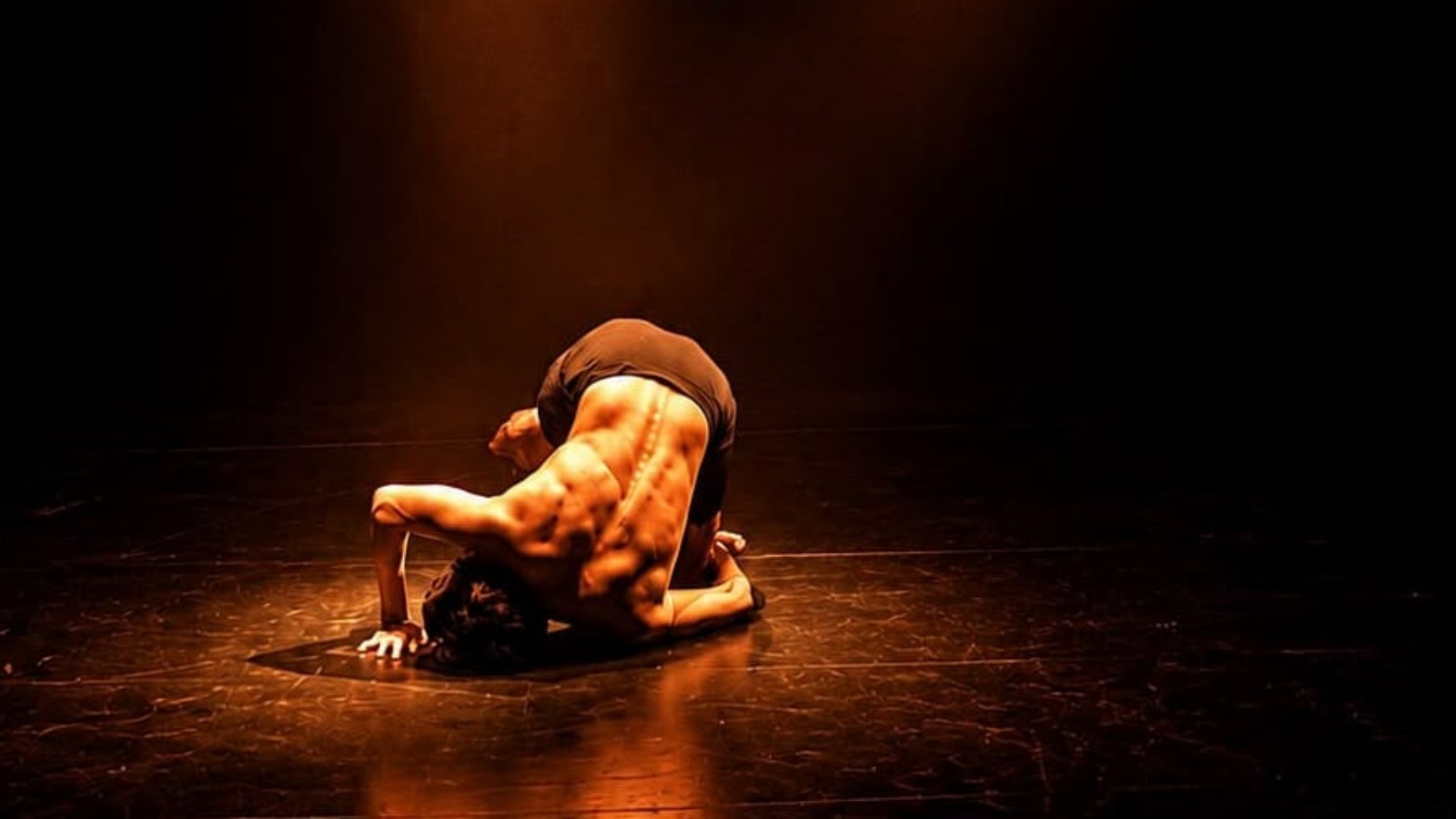
The evening will close with‘Sumang: The Silent Pillars’, by Suparna Singh and Mahima Satsangi, who will bring Urmila and Mandodari — two distinct, often overlooked women from mythology — into conversation, exploring companionship, self-respect and human values through Kathak. Sanjukta Sinha’s production, Noor, traces the duality of existence and the tension between shadow and light. “They demonstrate beautifully that transmission does not mean creating replicas of ourselves,” says Narayan.