

‘Relentless pressure, repeated letters’: Stalin hits out at Centre as ASI approves excavation at 8 sites in Tamil Nadu
The approvals, including for the 11th phase of excavations at Keeladi, come at a time when archaeological findings in Tamil Nadu have acquired political overtones.
After months of back-and-forth between the Tamil Nadu government and the Centre, the Archaeological Survey of India (ASI) has granted approval for excavations at eight sites across the state, including the next phase of work at Keeladi, a development that has quickly acquired both administrative and political overtones.
The approval, issued on March 13 under provisions of the Ancient Monuments and Archaeological Sites and Remains Rules, follows a proposal submitted by the Tamil Nadu State Department of Archaeology (TNSDA) in July 2025. With the excavation window in the state typically limited to January through mid-year before monsoon conditions set in, state officials had pressed for an early clearance in recent weeks.
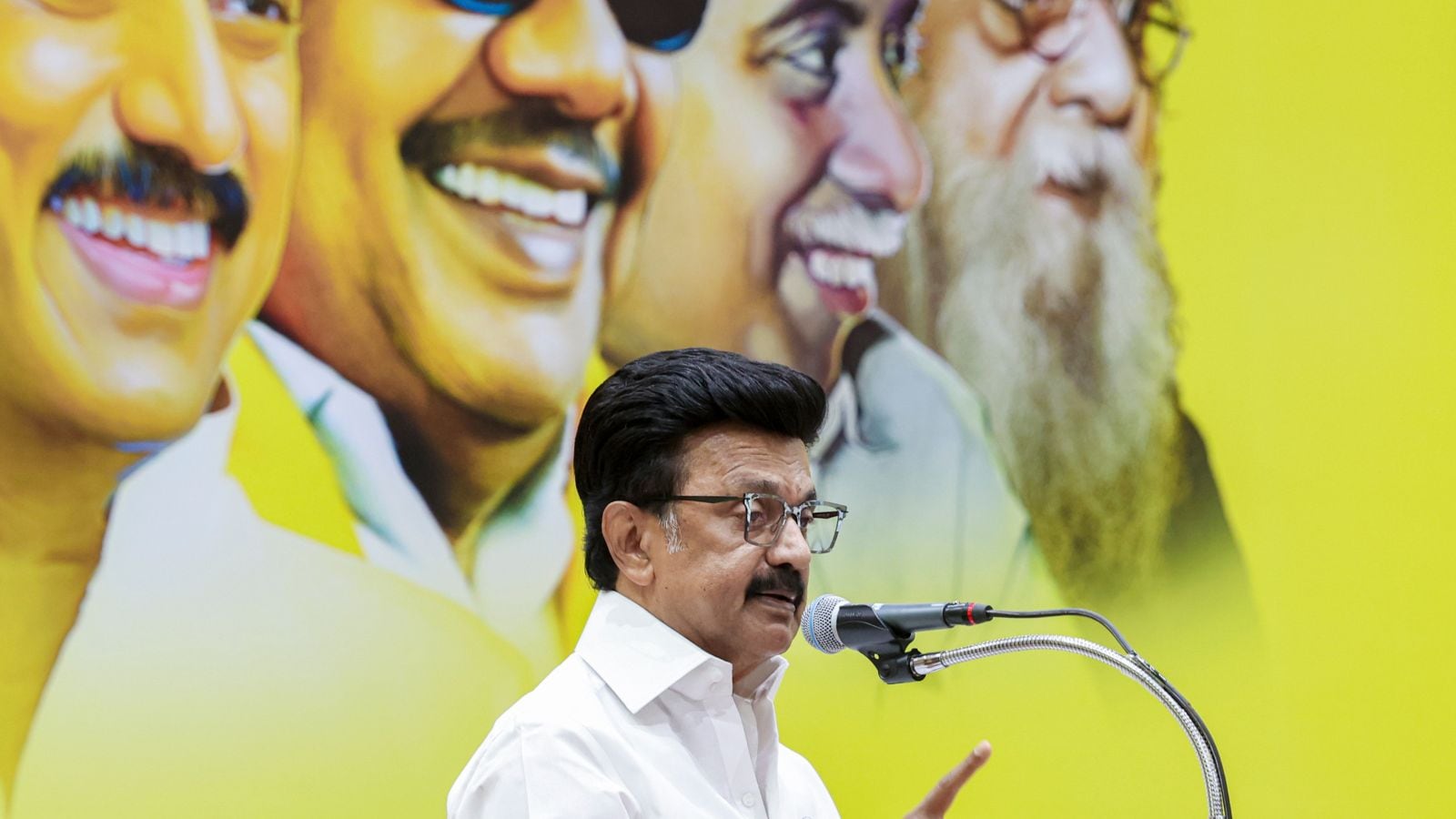
Chief Minister M K Stalin, who had written to the Centre and publicly urged swift approval, framed the development as the outcome of sustained pressure. “Relentless pressure. Repeated letters. And finally, approval,” he said in a social media post on Tuesday. “After months of delay, the Union Government has cleared archaeological excavations at eight sites, including Keeladi. This is a win earned through DMK’s persistent efforts.”
At the same time, Stalin renewed his criticism of the Centre, adding that the BJP government was “still sitting on the Keeladi excavation report” and that his government would continue to press for its release. Officials at the ASI, however, said that the process followed established procedures. The agency said it had received 45 proposals from Tamil Nadu over the past six years, approving 37 of them earlier, and that the remaining eight, including the current set, had also been cleared by expert committees, with permission letters now being issued. The proposals were first taken up in November 2025 before clearance was granted this month.
The delay, roughly eight months from submission to approval, has been interpreted in sharply different ways. For the state government, it fits into a broader pattern of friction with the Centre over cultural and historical narratives. For the ASI, it reflects the layered nature of approvals involving expert scrutiny, scheduling, and compliance with national regulations.
A veteran archaeologist familiar with such processes said timelines can vary widely. Multi-site excavation proposals often undergo sequential review by technical committees, and delays of several months are not uncommon, particularly when multiple agencies are involved. At the same time, they noted that in cases tied to seasonal excavation windows, prolonged approvals can compress fieldwork timelines and affect the depth of exploration in a given year.
The newly cleared sites span a wide geographic and historical range, offering what archaeologists describe as a rare opportunity to stitch together multiple strands of Tamil Nadu’s past in a single excavation season.
At the centre of this effort remains Keeladi, near Madurai, where excavations will enter their 11th phase. Located along the Vaigai river basin, the site has already yielded evidence of an urban settlement dating back to at least the early historic period, with Tamil-Brahmi inscriptions, brick structures and drainage systems suggesting a literate and organised society. Scientific dating of artefacts has pushed the timeline of such habitation to around the 6th century BCE, challenging earlier assumptions about the chronology of the Sangam era.
Further west, Vellalore in Coimbatore points to a different layer of history, one shaped by trade. Previous findings, including Roman coins and bead-making evidence, suggest the region was part of a wider commercial network linking Tamilakam (the ancient Tamil-speaking region of southern India) with the Mediterranean world.
Along the coast, Nagapattinam and Pattinamarudur offer clues to maritime activity. Nagapattinam, historically associated with a Chola-era port and Buddhist influences, reflects a period of religious and commercial exchange. Pattinamarudur, where a shell-based ornament industry is believed to have existed, could deepen understanding of coastal economies and craft production.
In the northern and central regions, sites like Manikollai and Thelunganur speak to industrial and technological histories. Manikollai has yielded Indo-Pacific glass beads tied to long-distance trade networks extending to Southeast Asia, while Thelunganur, an Iron Age site, is significant for evidence of early metallurgy — a field that has seen renewed attention after recent studies suggested iron usage in Tamil Nadu dates back several millennia.
Further south, Adichanur (also Adichanallur), an Iron Age burial site, and Karivalamvanthanallur in Tenkasi district add to the picture of early settlement patterns, mortuary practices and regional variations in material culture.
Taken together, archaeologists say, the sites form a continuum — from burial landscapes and early metallurgy to urban settlements and maritime trade — offering a narrative, with multiple layers, of Tamil civilisation that is both regionally rooted and globally connected.
For the Tamil Nadu government, that narrative has become inseparable from contemporary politics. The state has allocated a record Rs 7 crore in its 2025-26 budget for archaeological work, including advanced scientific analyses such as DNA testing, metallurgical studies and optically stimulated luminescence dating.
Stay updated with the latest - Click here to follow us on Instagram
After months of back-and-forth between the Tamil Nadu government and the Centre, the Archaeological Survey of India (ASI) has granted approval for excavations at eight sites across the state, including the next phase of work at Keeladi, a development that has quickly acquired both administrative and political overtones.
The approval, issued on March 13 under provisions of the Ancient Monuments and Archaeological Sites and Remains Rules, follows a proposal submitted by the Tamil Nadu State Department of Archaeology (TNSDA) in July 2025. With the excavation window in the state typically limited to January through mid-year before monsoon conditions set in, state officials had pressed for an early clearance in recent weeks.
Chief Minister M K Stalin, who had written to the Centre and publicly urged swift approval, framed the development as the outcome of sustained pressure. “Relentless pressure. Repeated letters. And finally, approval,” he said in a social media post on Tuesday. “After months of delay, the Union Government has cleared archaeological excavations at eight sites, including Keeladi. This is a win earned through DMK’s persistent efforts.”
At the same time, Stalin renewed his criticism of the Centre, adding that the BJP government was “still sitting on the Keeladi excavation report” and that his government would continue to press for its release. Officials at the ASI, however, said that the process followed established procedures. The agency said it had received 45 proposals from Tamil Nadu over the past six years, approving 37 of them earlier, and that the remaining eight, including the current set, had also been cleared by expert committees, with permission letters now being issued. The proposals were first taken up in November 2025 before clearance was granted this month.
The delay, roughly eight months from submission to approval, has been interpreted in sharply different ways. For the state government, it fits into a broader pattern of friction with the Centre over cultural and historical narratives. For the ASI, it reflects the layered nature of approvals involving expert scrutiny, scheduling, and compliance with national regulations.
A veteran archaeologist familiar with such processes said timelines can vary widely. Multi-site excavation proposals often undergo sequential review by technical committees, and delays of several months are not uncommon, particularly when multiple agencies are involved. At the same time, they noted that in cases tied to seasonal excavation windows, prolonged approvals can compress fieldwork timelines and affect the depth of exploration in a given year.
The newly cleared sites span a wide geographic and historical range, offering what archaeologists describe as a rare opportunity to stitch together multiple strands of Tamil Nadu’s past in a single excavation season.
At the centre of this effort remains Keeladi, near Madurai, where excavations will enter their 11th phase. Located along the Vaigai river basin, the site has already yielded evidence of an urban settlement dating back to at least the early historic period, with Tamil-Brahmi inscriptions, brick structures and drainage systems suggesting a literate and organised society. Scientific dating of artefacts has pushed the timeline of such habitation to around the 6th century BCE, challenging earlier assumptions about the chronology of the Sangam era.
Further west, Vellalore in Coimbatore points to a different layer of history, one shaped by trade. Previous findings, including Roman coins and bead-making evidence, suggest the region was part of a wider commercial network linking Tamilakam (the ancient Tamil-speaking region of southern India) with the Mediterranean world.
Along the coast, Nagapattinam and Pattinamarudur offer clues to maritime activity. Nagapattinam, historically associated with a Chola-era port and Buddhist influences, reflects a period of religious and commercial exchange. Pattinamarudur, where a shell-based ornament industry is believed to have existed, could deepen understanding of coastal economies and craft production.
In the northern and central regions, sites like Manikollai and Thelunganur speak to industrial and technological histories. Manikollai has yielded Indo-Pacific glass beads tied to long-distance trade networks extending to Southeast Asia, while Thelunganur, an Iron Age site, is significant for evidence of early metallurgy — a field that has seen renewed attention after recent studies suggested iron usage in Tamil Nadu dates back several millennia.
Further south, Adichanur (also Adichanallur), an Iron Age burial site, and Karivalamvanthanallur in Tenkasi district add to the picture of early settlement patterns, mortuary practices and regional variations in material culture.
Taken together, archaeologists say, the sites form a continuum — from burial landscapes and early metallurgy to urban settlements and maritime trade — offering a narrative, with multiple layers, of Tamil civilisation that is both regionally rooted and globally connected.
For the Tamil Nadu government, that narrative has become inseparable from contemporary politics. The state has allocated a record Rs 7 crore in its 2025-26 budget for archaeological work, including advanced scientific analyses such as DNA testing, metallurgical studies and optically stimulated luminescence dating.