

C-section complications compound in Rajasthan, now Jodhpur hospital under scrutiny
Health Minister says cases from Jodhpur, Kota and Bikaner not linked
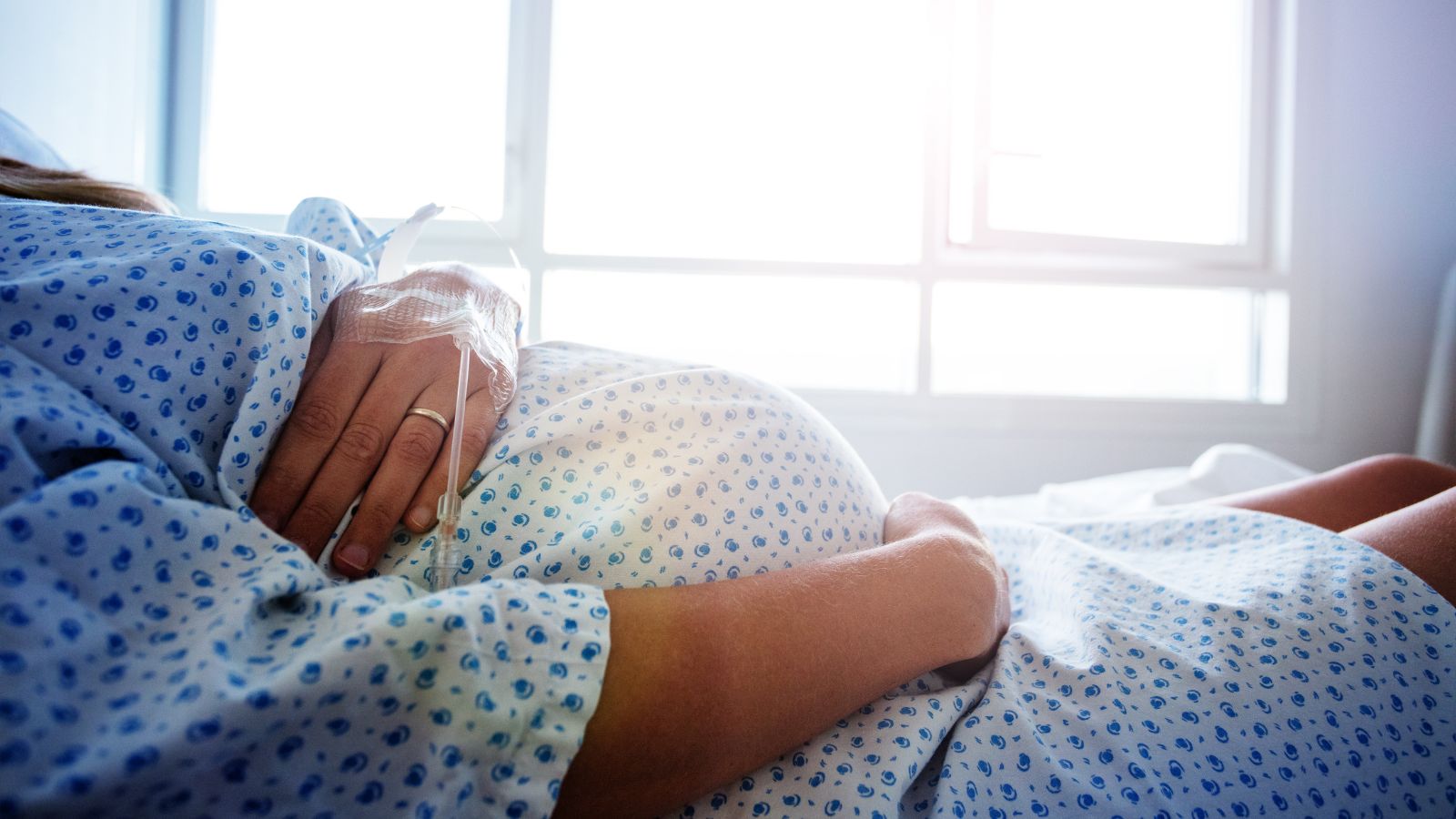
Eight women who underwent caesarean deliveries at the District Government Hospital in Paota, Jodhpur, on June 20 fell ill after surgery, prompting a fresh investigation into maternal health complications linked to C-sections in Rajasthan.
The women reported symptoms such as excessive bleeding and low blood pressure, while two developed serious complications and were shifted to higher medical facilities.
One of them, Lalita, a resident of Mathania, was admitted to the Intensive Care Unit (ICU) at AIIMS Jodhpur after her condition deteriorated. Doctors said she is diabetic and has been suffering from persistently low blood pressure. Another patient, Sonu from Daijar, is undergoing treatment in the ICU at Mathura Das Mathur (MDM) Hospital.
Authorities have shut down the operation theatre (OT) at the District Hospital and suspended surgeries pending an inquiry. Samples from the OT have been collected and sent for testing.
District Hospital Principal Dr B S Jodha said eight caesarean sections were performed on June 20. “Two women became seriously ill and were referred by the medical team, while the remaining six are admitted to the hospital and recovering well. Samples have been collected from the operation theatre and sent for examination,” he said.
The state government has constituted an inquiry committee comprising doctors, drug inspectors and other officials. According to Dr Jodha, all drugs used during the surgeries have been withdrawn and barred from use until the investigation is completed.
The incident comes amid heightened concern over complications following caesarean deliveries in Rajasthan.
Earlier this month, a woman died following complications after a caesarean delivery at PBM Hospital in Bikaner. Twenty-six-year-old Sharda Nayak, who underwent a C-section on June 5, died after spending nearly two weeks on a ventilator. Another woman, 20-year-old Preeti Nayak of Suratgarh, died on June 19. Six women had developed kidney failure after caesarean deliveries at the hospital; two remain in the ICU while two others have been discharged.
The Bikaner cases followed a similar and more severe episode in Kota, where five women died in May after undergoing caesarean deliveries at the New Medical Government Hospital. More than 40 days later, five other women remain admitted and continue to require dialysis after suffering kidney failure.
Doctors say the women are unable to pass urine normally and remain under treatment, though their condition has improved. Investigations by teams from SMS Hospital Jaipur, AIIMS Delhi and Kota Medical College have been completed, but their findings have not yet been made public.
Dhanni Bai (32), who gave birth to a son on May 4, has been on dialysis ever since. Her husband, Mohan Lal Suman, said her condition has taken a heavy toll on the family.
“After giving birth, her urine stopped, and her stitches opened twice. There were blood clots that doctors had to remove. I am fed up looking at her in this miserable condition,” he said.
Another patient’s husband, Chanku Chobdar, said his wife has remained hospitalised since May 8. “The treatment is free, but I have had to stop working as a waiter. I have borrowed money to support my family,” he said.
Mahesh Airwal, whose wife Pinky remains admitted, said he sold her jewellery to meet household expenses after the family lost their newborn child following a premature delivery.
The prolonged uncertainty has fuelled criticism of the government’s handling of the cases. Former chief minister Ashok Gehlot, after visiting the hospital on June 17, termed the deaths and complications an “institutional failure” and “institutional murders”, citing allegations of poor hygiene, negligence and substandard medicines.
Hospital authorities have rejected those allegations. Nilesh Jain, Principal of Kota New Medical College, said investigations had ruled out problems with medicines and found no evidence of hospital-acquired infections.
“All of them were patients of multiple-organ failure, which has now come down to single-organ failure. Kidney issues persist, and we are providing dialysis. We are sure they will improve soon,” Jain said.
With the cause of the Kota and Bikaner complications still unclear, the latest cluster of cases in Jodhpur is likely to intensify scrutiny of maternal healthcare and surgical safety protocols across Rajasthan’s government hospitals.
Rajasthan Health Minister Gajendra Singh Khimsar told the media that the cases in Jodhpur, Kota and Bikaner are not linked.
“Six patients are fine, one woman is highly diabetic, so she has been shifted to AIIMS, and one has jaundice and is under observation. We have been dealing with a high volume of cases; there is trust the public has in government hospitals. Many private hospitals also send difficult patients to government hospitals. The cases from Kota, Bikaner and Jodhpur hospitals are unrelated. We are taking care of the women, and more information will be given soon,” said Khimsar.
The central Health Ministry has stayed away from the investigation into the maternal deaths in Rajasthan, stating that it is a state issue and any investigations being carried out are by the state government. According to officials, on condition of anonymity, “As per the information from the state, the maternal deaths have been linked to the use of substandard oxytocin that did not contain the active ingredient. We are yet to receive any word on the deaths in Jodhpur.” Oxytocin is a critical medicine in obstetrics, administered to mothers after birth to help the uterus contract and thereby prevent severe bleeding after a delivery or c-section.
Eight women who underwent caesarean deliveries at the District Government Hospital in Paota, Jodhpur, on June 20 fell ill after surgery, prompting a fresh investigation into maternal health complications linked to C-sections in Rajasthan.
The women reported symptoms such as excessive bleeding and low blood pressure, while two developed serious complications and were shifted to higher medical facilities.
One of them, Lalita, a resident of Mathania, was admitted to the Intensive Care Unit (ICU) at AIIMS Jodhpur after her condition deteriorated. Doctors said she is diabetic and has been suffering from persistently low blood pressure. Another patient, Sonu from Daijar, is undergoing treatment in the ICU at Mathura Das Mathur (MDM) Hospital.
Authorities have shut down the operation theatre (OT) at the District Hospital and suspended surgeries pending an inquiry. Samples from the OT have been collected and sent for testing.
District Hospital Principal Dr B S Jodha said eight caesarean sections were performed on June 20. “Two women became seriously ill and were referred by the medical team, while the remaining six are admitted to the hospital and recovering well. Samples have been collected from the operation theatre and sent for examination,” he said.
The state government has constituted an inquiry committee comprising doctors, drug inspectors and other officials. According to Dr Jodha, all drugs used during the surgeries have been withdrawn and barred from use until the investigation is completed.
The incident comes amid heightened concern over complications following caesarean deliveries in Rajasthan.
Earlier this month, a woman died following complications after a caesarean delivery at PBM Hospital in Bikaner. Twenty-six-year-old Sharda Nayak, who underwent a C-section on June 5, died after spending nearly two weeks on a ventilator. Another woman, 20-year-old Preeti Nayak of Suratgarh, died on June 19. Six women had developed kidney failure after caesarean deliveries at the hospital; two remain in the ICU while two others have been discharged.
The Bikaner cases followed a similar and more severe episode in Kota, where five women died in May after undergoing caesarean deliveries at the New Medical Government Hospital. More than 40 days later, five other women remain admitted and continue to require dialysis after suffering kidney failure.
Doctors say the women are unable to pass urine normally and remain under treatment, though their condition has improved. Investigations by teams from SMS Hospital Jaipur, AIIMS Delhi and Kota Medical College have been completed, but their findings have not yet been made public.
Dhanni Bai (32), who gave birth to a son on May 4, has been on dialysis ever since. Her husband, Mohan Lal Suman, said her condition has taken a heavy toll on the family.
“After giving birth, her urine stopped, and her stitches opened twice. There were blood clots that doctors had to remove. I am fed up looking at her in this miserable condition,” he said.
Another patient’s husband, Chanku Chobdar, said his wife has remained hospitalised since May 8. “The treatment is free, but I have had to stop working as a waiter. I have borrowed money to support my family,” he said.
Mahesh Airwal, whose wife Pinky remains admitted, said he sold her jewellery to meet household expenses after the family lost their newborn child following a premature delivery.
The prolonged uncertainty has fuelled criticism of the government’s handling of the cases. Former chief minister Ashok Gehlot, after visiting the hospital on June 17, termed the deaths and complications an “institutional failure” and “institutional murders”, citing allegations of poor hygiene, negligence and substandard medicines.
Hospital authorities have rejected those allegations. Nilesh Jain, Principal of Kota New Medical College, said investigations had ruled out problems with medicines and found no evidence of hospital-acquired infections.
“All of them were patients of multiple-organ failure, which has now come down to single-organ failure. Kidney issues persist, and we are providing dialysis. We are sure they will improve soon,” Jain said.
With the cause of the Kota and Bikaner complications still unclear, the latest cluster of cases in Jodhpur is likely to intensify scrutiny of maternal healthcare and surgical safety protocols across Rajasthan’s government hospitals.
Rajasthan Health Minister Gajendra Singh Khimsar told the media that the cases in Jodhpur, Kota and Bikaner are not linked.
“Six patients are fine, one woman is highly diabetic, so she has been shifted to AIIMS, and one has jaundice and is under observation. We have been dealing with a high volume of cases; there is trust the public has in government hospitals. Many private hospitals also send difficult patients to government hospitals. The cases from Kota, Bikaner and Jodhpur hospitals are unrelated. We are taking care of the women, and more information will be given soon,” said Khimsar.
The central Health Ministry has stayed away from the investigation into the maternal deaths in Rajasthan, stating that it is a state issue and any investigations being carried out are by the state government. According to officials, on condition of anonymity, “As per the information from the state, the maternal deaths have been linked to the use of substandard oxytocin that did not contain the active ingredient. We are yet to receive any word on the deaths in Jodhpur.” Oxytocin is a critical medicine in obstetrics, administered to mothers after birth to help the uterus contract and thereby prevent severe bleeding after a delivery or c-section.