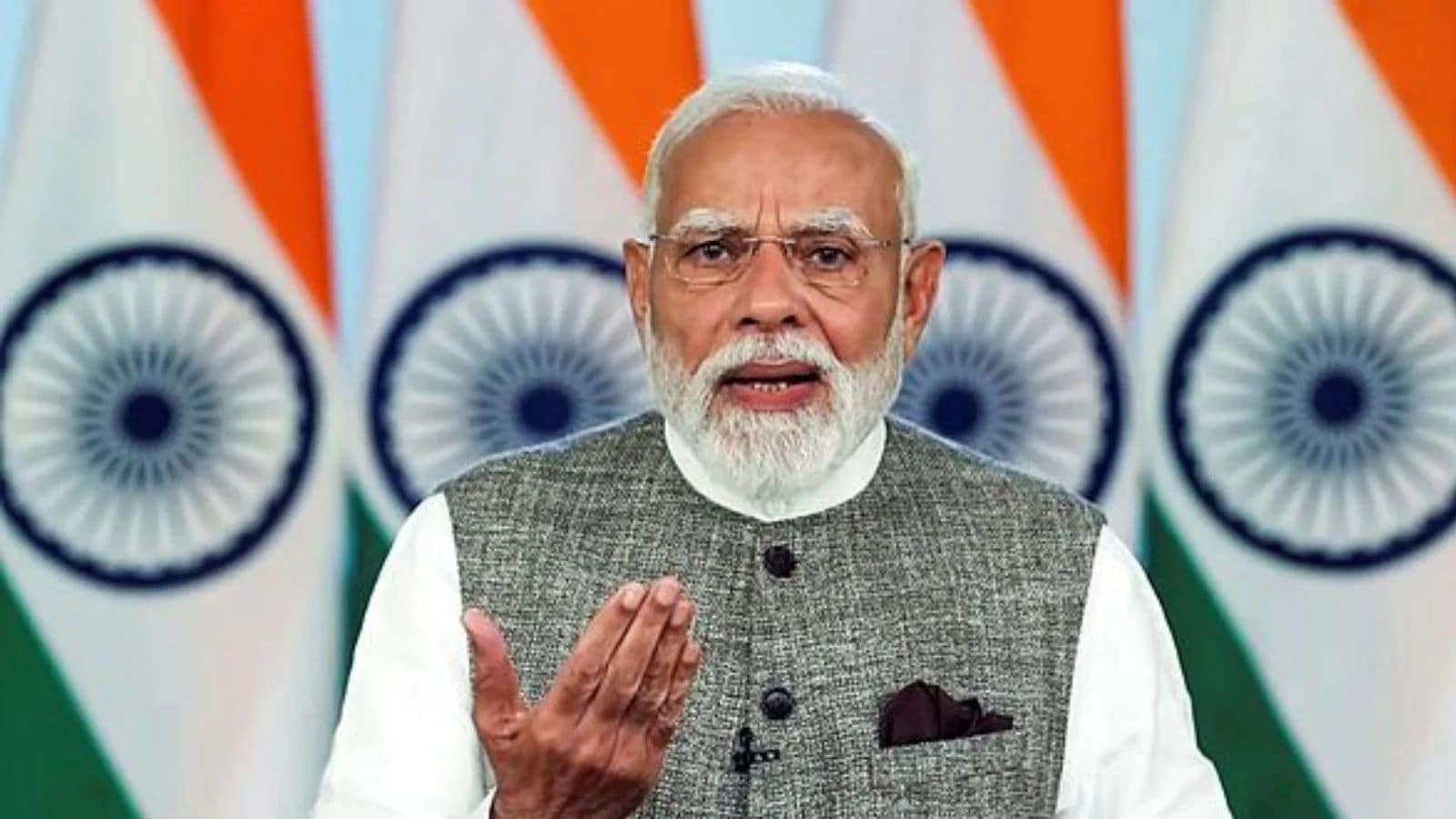


‘Blatant abuse of power’: Congress moves privilege notice against PM Modi over address to nation
Prime Minister Modi had launched a scathing attack on the opposition in his address to the nation Saturday, using the analogy of female foeticide.
The Congress on Tuesday moved a privilege notice against Prime Minister Narendra Modi for allegedly “having cast aspersions” on the “independence and integrity” of elected MPs during his address to the nation on Saturday night.
In a notice for privilege proceedings against the Prime Minister to Lok Sabha Speaker Om Birla, Congress MP KC Venugopal said that on Saturday (April 18), the Prime Minister of India addressed the nation on national television, following the defeat of the Constitution (131st Amendment) Bill, 2026 in the Lok Sabha on April 17, 2026, which failed to secure the required two-thirds majority as required under the provisions of Article 368 of the Constitution.
“In the 29-minute speech termed as ‘address to the Nation, the Prime Minister criticized opposition parties for blocking the bill and made direct reflections on the voting pattern of Members of the Opposition and attributed motives to them,” said Venugopal.
A day after the Constitution (131st Amendment) Bill, 2026, fell in the Lok Sabha, Prime Minister Modi launched a scathing attack on the opposition in his address to the nation Saturday night, using the analogy of female foeticide. He used the word ‘Bhroon Hatya’ to attack the opposition for blocking the passage of the Bill, and two other Bills related to it that lapsed with the core Bill being defeated in a division of votes in the House.
He said that the PM’s address to the nation on the government not able to muster requisite majority in Parliament, and using it “for criticizing the Opposition parties is unprecedented which is unethical and blatant abuse of power”. “Such statements by the highest executive functionary of the country constitute a serious breach of privilege and contempt of the House,” said Venugopal.
He said that “it is well established that casting reflections, aspersions, imputing motives to members of Parliament in regard to speeches made by them in Parliament tantamount to gross breach of privilege and contempt of the House”.
“It is appalling that the Prime Minister who wanted this Constitution Amendment Bill to pass was so annoyed that he chose to address the Nation casting aspersions on Members of Parliament who were honestly performing their duties, in this case protecting the Constitution,” said the Congress MP.
“Hence these observations by the Prime Minister, cast aspersions on the independence and integrity of elected Members of Parliament, question the manner in which Members of the Opposition exercised their parliamentary duties; and attribute motives to their voting behaviour.
He said that it was a time honoured parliamentary convention and a fundamental privilege of every Member (protected under Article 105 of the Constitution of India) that no person, including the Prime Minister, shall reflect upon the conduct or voting of any Member in the House or attribute motives to such conduct.
“Any such reflection or imputation directly undermines the dignity and authority of the House and interferes with the free and independent discharge of parliamentary duties by its Members,” said Venugopal.
Stay updated with the latest - Click here to follow us on Instagram
The Congress on Tuesday moved a privilege notice against Prime Minister Narendra Modi for allegedly “having cast aspersions” on the “independence and integrity” of elected MPs during his address to the nation on Saturday night.
In a notice for privilege proceedings against the Prime Minister to Lok Sabha Speaker Om Birla, Congress MP KC Venugopal said that on Saturday (April 18), the Prime Minister of India addressed the nation on national television, following the defeat of the Constitution (131st Amendment) Bill, 2026 in the Lok Sabha on April 17, 2026, which failed to secure the required two-thirds majority as required under the provisions of Article 368 of the Constitution.
“In the 29-minute speech termed as ‘address to the Nation, the Prime Minister criticized opposition parties for blocking the bill and made direct reflections on the voting pattern of Members of the Opposition and attributed motives to them,” said Venugopal.
A day after the Constitution (131st Amendment) Bill, 2026, fell in the Lok Sabha, Prime Minister Modi launched a scathing attack on the opposition in his address to the nation Saturday night, using the analogy of female foeticide. He used the word ‘Bhroon Hatya’ to attack the opposition for blocking the passage of the Bill, and two other Bills related to it that lapsed with the core Bill being defeated in a division of votes in the House.
He said that the PM’s address to the nation on the government not able to muster requisite majority in Parliament, and using it “for criticizing the Opposition parties is unprecedented which is unethical and blatant abuse of power”. “Such statements by the highest executive functionary of the country constitute a serious breach of privilege and contempt of the House,” said Venugopal.
He said that “it is well established that casting reflections, aspersions, imputing motives to members of Parliament in regard to speeches made by them in Parliament tantamount to gross breach of privilege and contempt of the House”.
“It is appalling that the Prime Minister who wanted this Constitution Amendment Bill to pass was so annoyed that he chose to address the Nation casting aspersions on Members of Parliament who were honestly performing their duties, in this case protecting the Constitution,” said the Congress MP.
“Hence these observations by the Prime Minister, cast aspersions on the independence and integrity of elected Members of Parliament, question the manner in which Members of the Opposition exercised their parliamentary duties; and attribute motives to their voting behaviour.
He said that it was a time honoured parliamentary convention and a fundamental privilege of every Member (protected under Article 105 of the Constitution of India) that no person, including the Prime Minister, shall reflect upon the conduct or voting of any Member in the House or attribute motives to such conduct.
“Any such reflection or imputation directly undermines the dignity and authority of the House and interferes with the free and independent discharge of parliamentary duties by its Members,” said Venugopal.