

A ‘lifeline’ restored in Rayalaseema: Andhra minister hails FCRA nod for Rural Development Trust
RDT has run hospitals and clinics, supported education, helped people with disabilities, built better homes for the poor, promoted women’s development, encouraged sports, and assisted farmers, said minister S Savitha
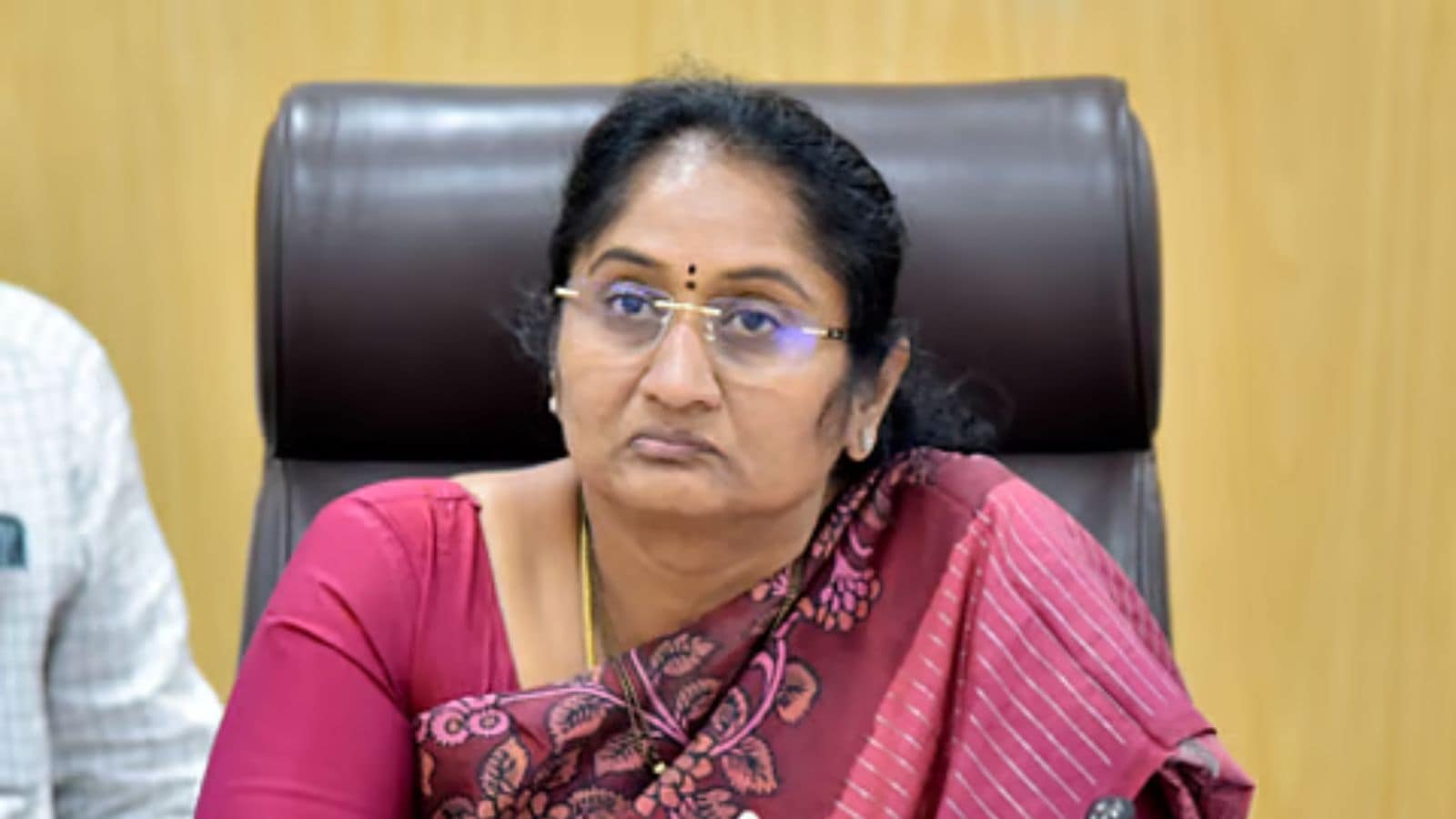
Andhra Pradesh minister S Savitha on Tuesday said the Rural Development Trust (RDT), an NGO that works in the Rayalaseema region, has finally got its Foreign Contribution (Regulation) Act (FCRA) clearance restored, allowing it to resume full operations.
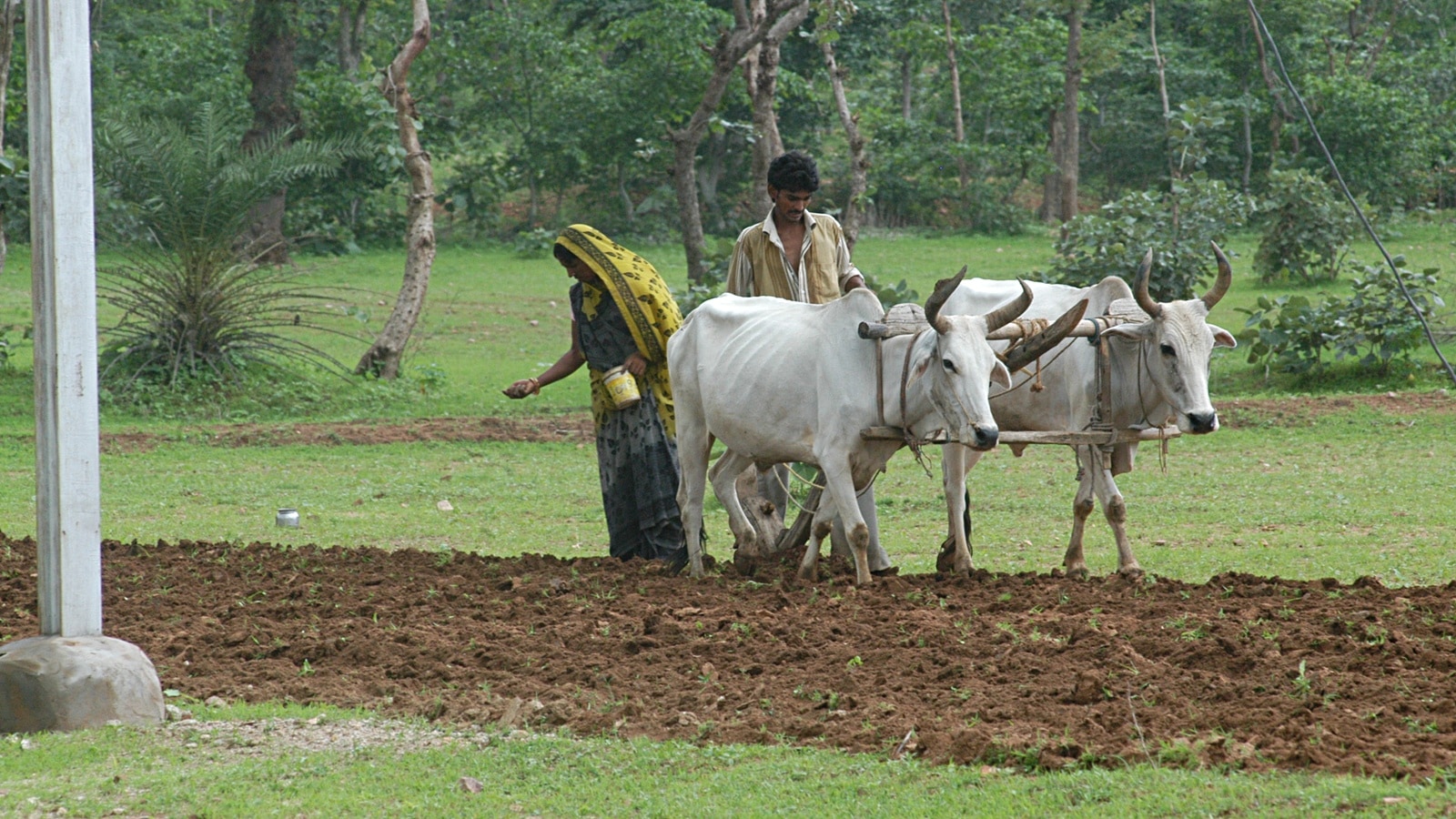
She described RDT as a well-known organisation that has served the people of Rayalaseema for nearly 50 years. Founded by humanitarians Vicente Ferrer and Anne Ferrer, RDT has run hospitals and clinics, supported education, helped people with disabilities, built better homes for the poor, promoted women’s development, encouraged sports, and assisted farmers — all in some of the driest and most challenging parts of Andhra Pradesh, Savitha said.
The minister, who holds several portfolios including Backward Classes Welfare, claimed that during the previous YSRCP government in the state, the NGO had faced serious difficulties with the renewal of its FCRA clearance, and that there had been attempts, which she said were strongly opposed by her TDP, to take over land that belonged to the RDT.
Savitha said the issue was brought to the attention of Chief Minister N Chandrababu Naidu and Human Resources Development Minister Nara Lokesh eight months ago by public representatives from the region. Both leaders immediately took the matter seriously and assured that they would raise it at the highest level with Prime Minister Narendra Modi and Union Home Minister Amit Shah, she said, adding, “The people of Rayalaseema have seen the good work of RDT for decades.”
The restoration of FCRA clearance means RDT can once again receive the support it needs to serve the downtrodden and weaker sections without interruption, Savitha said.
Meanwhile, the Centre has recently approved the FCRA Amendment Bill 2026, which tightens regulations on foreign-funded NGOs. The amendment empowers the government to seize the assets of NGOs whose licences are revoked or not renewed. It also makes trustees, partners, and governing body members directly liable for any violations under the Act.
Stay updated with the latest - Click here to follow us on Instagram
Andhra Pradesh minister S Savitha on Tuesday said the Rural Development Trust (RDT), an NGO that works in the Rayalaseema region, has finally got its Foreign Contribution (Regulation) Act (FCRA) clearance restored, allowing it to resume full operations.
She described RDT as a well-known organisation that has served the people of Rayalaseema for nearly 50 years. Founded by humanitarians Vicente Ferrer and Anne Ferrer, RDT has run hospitals and clinics, supported education, helped people with disabilities, built better homes for the poor, promoted women’s development, encouraged sports, and assisted farmers — all in some of the driest and most challenging parts of Andhra Pradesh, Savitha said.
The minister, who holds several portfolios including Backward Classes Welfare, claimed that during the previous YSRCP government in the state, the NGO had faced serious difficulties with the renewal of its FCRA clearance, and that there had been attempts, which she said were strongly opposed by her TDP, to take over land that belonged to the RDT.
Savitha said the issue was brought to the attention of Chief Minister N Chandrababu Naidu and Human Resources Development Minister Nara Lokesh eight months ago by public representatives from the region. Both leaders immediately took the matter seriously and assured that they would raise it at the highest level with Prime Minister Narendra Modi and Union Home Minister Amit Shah, she said, adding, “The people of Rayalaseema have seen the good work of RDT for decades.”
The restoration of FCRA clearance means RDT can once again receive the support it needs to serve the downtrodden and weaker sections without interruption, Savitha said.
Meanwhile, the Centre has recently approved the FCRA Amendment Bill 2026, which tightens regulations on foreign-funded NGOs. The amendment empowers the government to seize the assets of NGOs whose licences are revoked or not renewed. It also makes trustees, partners, and governing body members directly liable for any violations under the Act.