

Free bus travel for women to roll out in Kerala from Monday amid concerns over funds, reach
Scheme to be reviewed every month, 2nd phase to be rolled out after assessing KSRTC’s financial position: CM Satheesan
The Congress government’s free bus travel scheme for women in the Kerala State Road Transport Corporation (KSRTC) is set to roll out from Monday, with the benefit restricted to ordinary services — as opposed to faster and more premium services — operated by the financially struggling state-run transport corporation.
Free bus travel for women was among the five “Indira Guarantees” promised by the Congress-led UDF during the Assembly election campaign. The scheme, named Priyadarshini, will be available to all women and transgender persons without any age restriction.
Announcing the decision on Wednesday, Chief Minister V D Satheesan said the scheme would be implemented in phases. “This is the first time such a scheme is being introduced in Kerala. It is expected to result in a revenue loss of Rs 65-70 crore a month, or Rs 750-800 crore annually, for KSRTC. The government will compensate the corporation for the loss,” he said.
Satheesan said the second phase of the scheme would be considered after assessing KSRTC’s financial position. “The scheme will be reviewed every month. There is a shortage of ordinary KSRTC buses in north Kerala, and steps will be taken to address it. District-wise data on women passengers using ordinary services will also be reviewed and factored into future decisions,” he said.
The scheme comes at a time when KSRTC continues to depend heavily on government support. According to official figures, the state spends around Rs 1,500 crore annually towards the salaries of about 22,000 employees and pensions of nearly 40,000 retirees. Government assistance remains crucial as the corporation is unable to meet its operational expenses through service revenue alone.
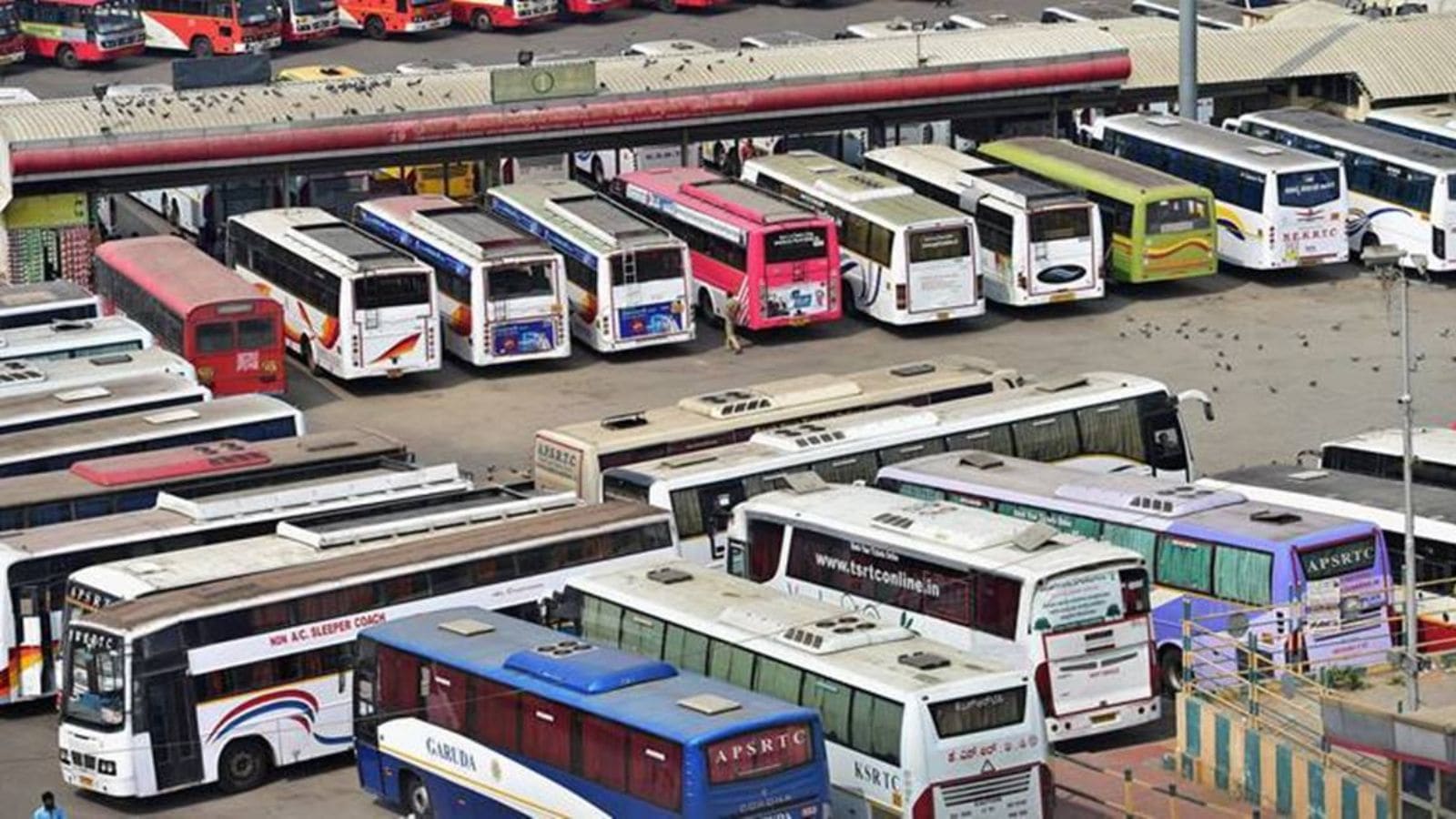
Of KSRTC’s fleet of around 4,250 buses, only about 3,000 are ordinary services, many of them over a decade old. The concentration of the fleet in south Kerala, particularly in Thiruvananthapuram and Kollam districts, is expected to limit the scheme’s reach in the northern districts. Official data show that nearly 1,400 of KSRTC’s 4,000-plus buses are deployed in Thiruvananthapuram and Kollam.
The State Economic Review 2025, tabled in the Assembly in January, noted that KSRTC had 4,252 buses in service, operating 4,195 daily schedules. In contrast, the corporation had a fleet strength of 5,953 buses in 2016-17. The review points to a steady decline in bus services over the past decade, with nearly 60% of the fleet older than 10 years. The average fleet operated during 2024-25 stood at 4,609 buses, with an average age of 12.5 years. Frequent breakdowns and service cancellations have become common, particularly in ordinary services that rely on older buses.
Private bus operators have also expressed concern over the scheme. Of Kerala’s 16,500 bus routes, around 11,000 are operated by private players, many of whom compete directly with KSRTC. They fear that free travel for women in state-run buses could erode their passenger base and revenue.
The rollout comes amid a broader decline in the state’s reliance on public road transport. Data on vehicle registrations show that the number of registered vehicles nearly doubled from 94.2 lakh in 2015 to 174.1 lakh in 2024. As of March 2025, Kerala had 182 lakh registered vehicles, up 4.55% from the previous year. Two-wheelers accounted for 118.67 lakh of the total vehicle population.
The Congress government’s free bus travel scheme for women in the Kerala State Road Transport Corporation (KSRTC) is set to roll out from Monday, with the benefit restricted to ordinary services — as opposed to faster and more premium services — operated by the financially struggling state-run transport corporation.
Free bus travel for women was among the five “Indira Guarantees” promised by the Congress-led UDF during the Assembly election campaign. The scheme, named Priyadarshini, will be available to all women and transgender persons without any age restriction.
Announcing the decision on Wednesday, Chief Minister V D Satheesan said the scheme would be implemented in phases. “This is the first time such a scheme is being introduced in Kerala. It is expected to result in a revenue loss of Rs 65-70 crore a month, or Rs 750-800 crore annually, for KSRTC. The government will compensate the corporation for the loss,” he said.
Satheesan said the second phase of the scheme would be considered after assessing KSRTC’s financial position. “The scheme will be reviewed every month. There is a shortage of ordinary KSRTC buses in north Kerala, and steps will be taken to address it. District-wise data on women passengers using ordinary services will also be reviewed and factored into future decisions,” he said.
The scheme comes at a time when KSRTC continues to depend heavily on government support. According to official figures, the state spends around Rs 1,500 crore annually towards the salaries of about 22,000 employees and pensions of nearly 40,000 retirees. Government assistance remains crucial as the corporation is unable to meet its operational expenses through service revenue alone.
Of KSRTC’s fleet of around 4,250 buses, only about 3,000 are ordinary services, many of them over a decade old. The concentration of the fleet in south Kerala, particularly in Thiruvananthapuram and Kollam districts, is expected to limit the scheme’s reach in the northern districts. Official data show that nearly 1,400 of KSRTC’s 4,000-plus buses are deployed in Thiruvananthapuram and Kollam.
The State Economic Review 2025, tabled in the Assembly in January, noted that KSRTC had 4,252 buses in service, operating 4,195 daily schedules. In contrast, the corporation had a fleet strength of 5,953 buses in 2016-17. The review points to a steady decline in bus services over the past decade, with nearly 60% of the fleet older than 10 years. The average fleet operated during 2024-25 stood at 4,609 buses, with an average age of 12.5 years. Frequent breakdowns and service cancellations have become common, particularly in ordinary services that rely on older buses.
Private bus operators have also expressed concern over the scheme. Of Kerala’s 16,500 bus routes, around 11,000 are operated by private players, many of whom compete directly with KSRTC. They fear that free travel for women in state-run buses could erode their passenger base and revenue.
The rollout comes amid a broader decline in the state’s reliance on public road transport. Data on vehicle registrations show that the number of registered vehicles nearly doubled from 94.2 lakh in 2015 to 174.1 lakh in 2024. As of March 2025, Kerala had 182 lakh registered vehicles, up 4.55% from the previous year. Two-wheelers accounted for 118.67 lakh of the total vehicle population.