

Exclusive: Over 100 passports to be cancelled as J&K anti-drug drive intensifies
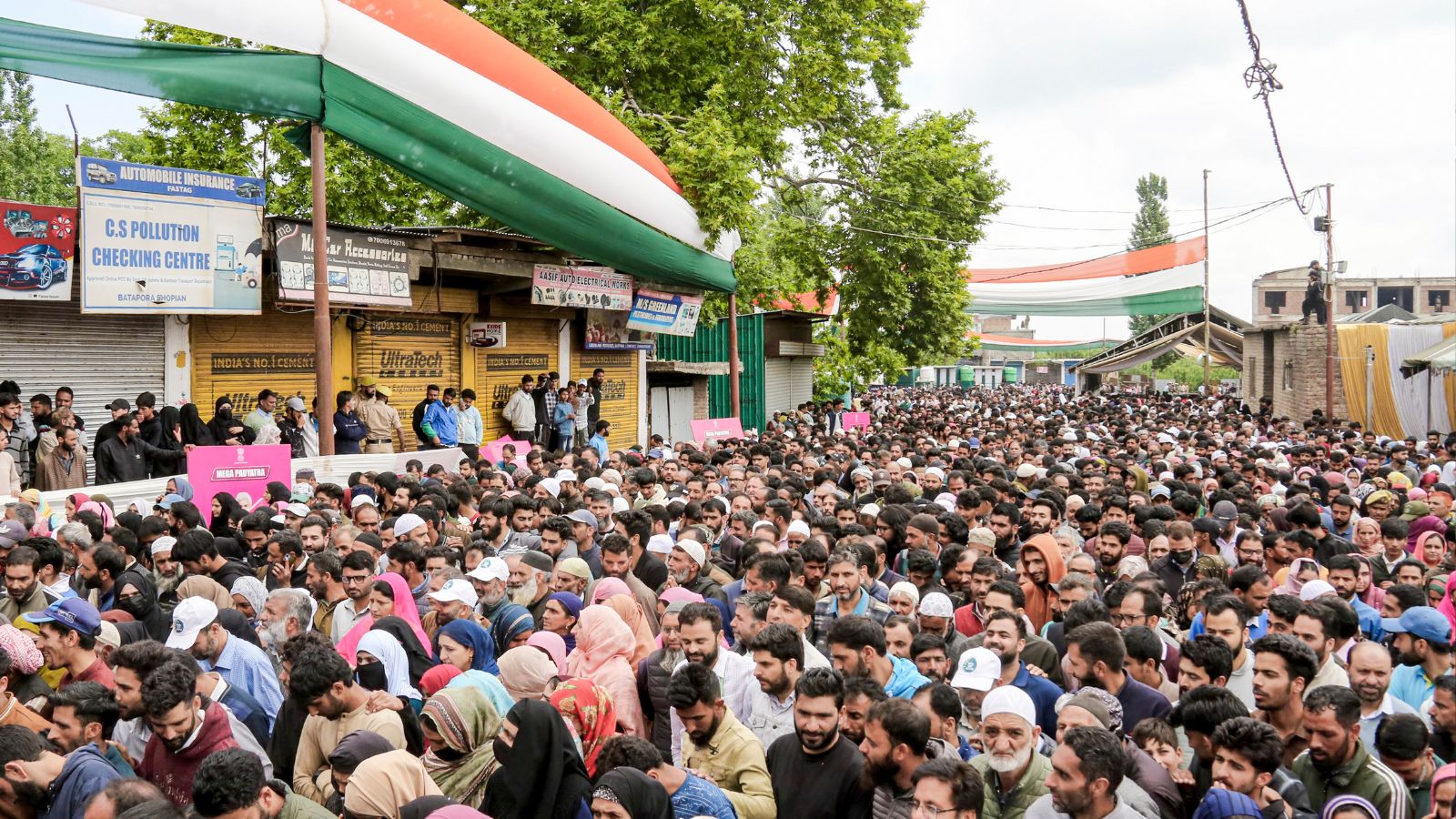
Over 50,000 local residents participate in Lt Governor’s padyatra as part of the anti-drug campaign in J-K’s Shopian.
The Jammu and Kashmir administration has recommended cancelling of at least 116 passports of alleged drug smugglers who have been arrested in a crackdown against “narco-terror” in the union territory.
Lieutenant Governor Manoj Sinha, who heads law and order in J&K, has intensified the crackdown on the smuggling and distribution of drugs and has been leading an awareness campaign going district by district across the union territory.
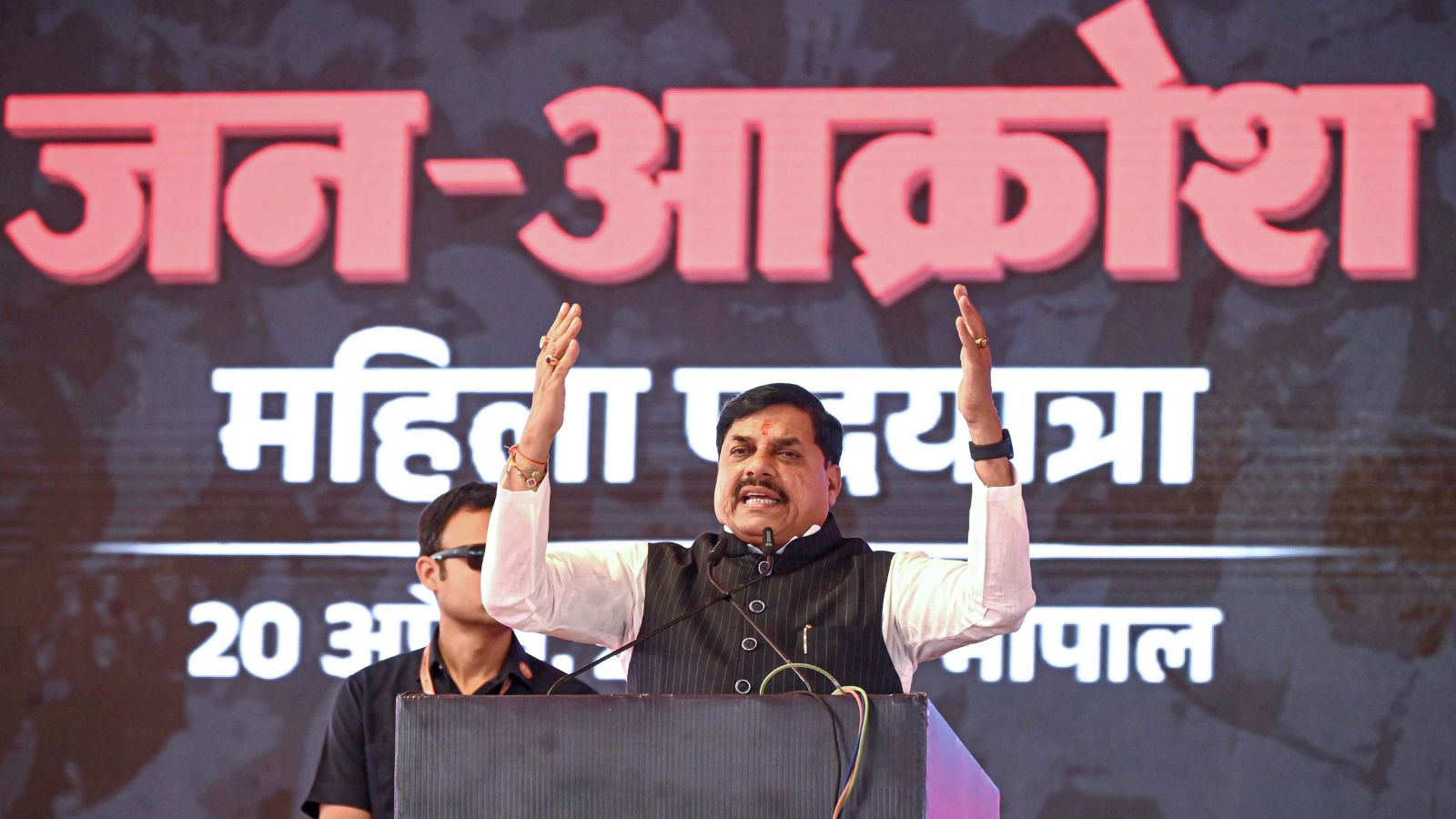
On Saturday, Sinha led a padyatra in Shopian (south Kashmir), where official figures placed local residents’ participation at 50,000. The LG noted that “terrorist groups use proceeds from drugs to buy weapons and with those weapons the blood of ordinary Kashmiris is being spilled. Today I want to state unequivocally, whether an official or anyone in public life, if they are in any way connected to the drug network or lend it support, they will face strict legal consequences. I assure the people that if even the slightest trace of this infection has seeped into our system, it will be mercilessly cut out without hesitation.”
The nasha-mukt J&K abhiyaan kicked off on May 11 and over the past few weeks, 797 FIRs have been registered while over 890 alleged drug smugglers have been arrested. Some 81 properties associated to be constructed by way of “proceeds of drug smuggling” have been demolished.
Of the 116 passports recommended for cancellation, 94 are in Jammu and 22 in Kashmir.
Sinha asserted that it is now firmly etched in the minds of the people that “this is not a distant issue but a challenge confronting us at our very doorstep, one we must face head‑on with courage and resolve.”
He added that a comprehensive rehabilitation policy is also being prepared. Sinha said that the administration’s aim is not only to free addicted youth through de‑addiction programs but also to reintegrate them into the mainstream by providing employment and jobs. He has previously underscored rehabilitation as a major challenge in addressing concerns around drug addiction.
Sinha also highlighted that more than 7,000 women’s committees have been formed in J&K and “it is now the administration’s duty to empower these committees and ensure they can work effectively.”
Stay updated with the latest - Click here to follow us on Instagram
The Jammu and Kashmir administration has recommended cancelling of at least 116 passports of alleged drug smugglers who have been arrested in a crackdown against “narco-terror” in the union territory.
Lieutenant Governor Manoj Sinha, who heads law and order in J&K, has intensified the crackdown on the smuggling and distribution of drugs and has been leading an awareness campaign going district by district across the union territory.
On Saturday, Sinha led a padyatra in Shopian (south Kashmir), where official figures placed local residents’ participation at 50,000. The LG noted that “terrorist groups use proceeds from drugs to buy weapons and with those weapons the blood of ordinary Kashmiris is being spilled. Today I want to state unequivocally, whether an official or anyone in public life, if they are in any way connected to the drug network or lend it support, they will face strict legal consequences. I assure the people that if even the slightest trace of this infection has seeped into our system, it will be mercilessly cut out without hesitation.”
The nasha-mukt J&K abhiyaan kicked off on May 11 and over the past few weeks, 797 FIRs have been registered while over 890 alleged drug smugglers have been arrested. Some 81 properties associated to be constructed by way of “proceeds of drug smuggling” have been demolished.
Of the 116 passports recommended for cancellation, 94 are in Jammu and 22 in Kashmir.
Sinha asserted that it is now firmly etched in the minds of the people that “this is not a distant issue but a challenge confronting us at our very doorstep, one we must face head‑on with courage and resolve.”
He added that a comprehensive rehabilitation policy is also being prepared. Sinha said that the administration’s aim is not only to free addicted youth through de‑addiction programs but also to reintegrate them into the mainstream by providing employment and jobs. He has previously underscored rehabilitation as a major challenge in addressing concerns around drug addiction.
Sinha also highlighted that more than 7,000 women’s committees have been formed in J&K and “it is now the administration’s duty to empower these committees and ensure they can work effectively.”