

Did a ‘missing’ 18-yr-old lay undiscovered for 10 months,10 km from home? Jharkhand family wants answers
Police say skeletal remains discovered this month are of the teenager not seen since July last year. With suspension of 28 officials preceding police action, family wants more evidence to believe that.
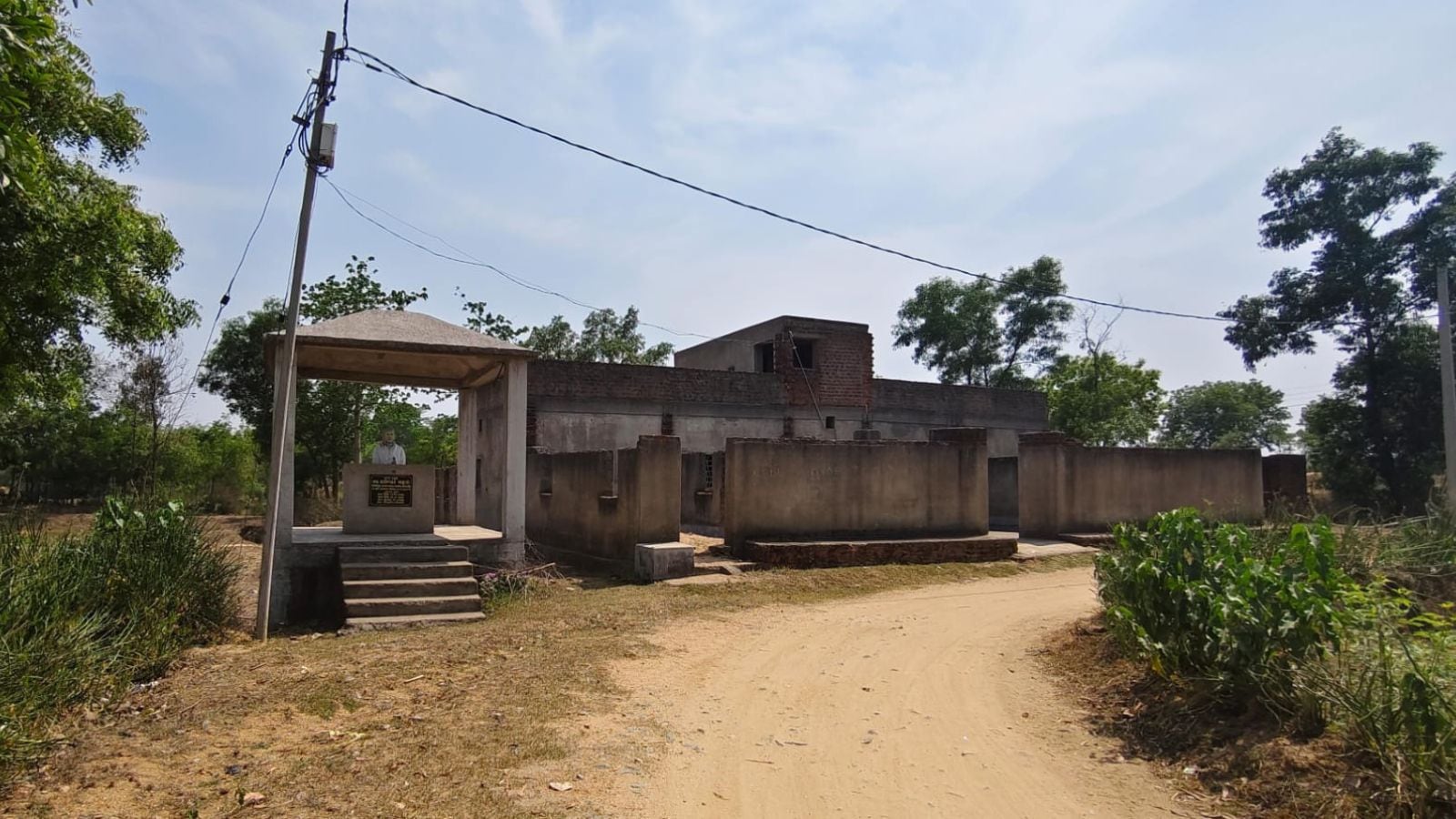
Off a narrow kuchcha road, at the end of a village in Bokaro located along the Jharkhand-West Bengal border, stands a mahua tree in an otherwise barren courtyard. For almost a year, that tree and that desolation has marked the house, and a family’s lonely search for their daughter.
“With each passing day, our hope diminishes. Now we know where we stand in this system,” the mother says.
It was on July 21 last year that her 18-year-old daughter went missing. After nine months of trying to find her and getting police to act, the family finally moved the Jharkhand High Court with a habeas corpus petition. Following a rap by the court, skeletal remains suspected to be of the teenager were found, just 10 km from her home and in her last-known location, and an arrest was made.
An embarrassed police force went on to suspend all the 28 officers of the local police station, including the in-charge, for “negligence” of duty.
For the family, which makes do with earnings as marginal farmers and field hands, the fight hasn’t ended.
The youth in his 20s arrested for the teenager’s suspected murder used to be in a relationship with her, says her family. Their houses are located barely 100 metres apart in the village.
But his influential family did not want a marriage between the two, says the girl’s father. They thought the matter had ended there, he says.
“My daughter made it clear she didn’t want the marriage any more either, and he stopped coming home. We had begun looking at other marriage prospects,” the father says.
Then, on July 21, 2025, days after she had cleared Class 12, the 18-year-old went to a local college for admission to a B.A. course, taking her friend’s bicycle.
That was the last time the family saw her. After she didn’t come back home, they approached the local police station, which allegedly refused to lodge a missing person’s report. “They warned us that if our daughter isn’t actually missing and found with someone, we could be sent to jail,” the mother claims.
When the girl remained missing, the family approached the police again, and was allegedly again turned down. They say that by then, they suspected the youth’s role in her disappearance. They have claimed his “political links” were one reason the police did not take action against him.
On August 4 – a fortnight after the teenager went missing — police registered an FIR under charges of kidnapping. It was only then that they traced the bicycle she rode the day she was last seen, and it was found from near the college, 10 km from her home, where she had gone to apply for admission.
The youth, who is enrolled in postgraduation, was detained for questioning, but the case saw little progress. A friend of the 18-year-old says she was also questioned about her relationship with the youth.
On December 11 – nearly six months after the 18-year-old’s disappearance – the family says it received a call from an unidentified number, with the caller who identified himself as Loknath Mahto claiming the 18-year-old was in Pune. The family believes it was a prank call, with the whereabouts of this “caller” remaining unknown.
The family kept writing to the authorities, including to the Jharkhand Chief Minister’s Office, before finally moving the High Court on February 16. In their petition, the family alleged that they were being forced to give statements, and that a relative had been “detained and assaulted”.
On April 9, the High Court ordered the removal of the officer in-charge of the local police station and raised concerns over the family’s allegations.
The youth was arrested soon after this, and subsequently, skeletal remains were found on a stretch behind the college where she had gone on July 21.
The 18-year-old’s mother is not convinced the remains are hers. “Police have not taken any sample from us for DNA or forensic analysis. How did they conclude that the skeleton is my daughter’s?”
On April 15, a Bench of Justices Sujit Narayan Prasad and Sanjay Prasad too asked how the police had arrived at the conclusion, and enquired whether DNA profiling was being done.
The High Court is scheduled to hear the case next on May 7.
The youth’s mother denies the allegations against her son, claiming in her broken Hindi that the police had “assaulted him to pressure him into confessing”. “Some 20–25 vehicles came to the village from Ranchi and took my son away,” she says.
The existing FIR is against unknown persons in a missing case. If the DNA matches, a fresh FIR may be filed against the youth under murder charges.
The 18-year-old’s mother says it has been a lonely battle. “After she went missing, we took our son out of school and sent him to Rajasthan, where my husband worked, so that my husband could come home and help me look for her,” the mother says, adding that their hope now is that the DNA test will prove the remains are not hers.
The Jharkhand Police Association has slammed the move to suspend 28 police officers as “unfair”.
Jharkhand DGP Tadasha Mishra told The Indian Express she was “unaware” of the case. On April 9, she testified before the High Court that an inquiry committee had been set up to look into the allegations against the police. The suspensions followed two days later.
Stay updated with the latest - Click here to follow us on Instagram
Off a narrow kuchcha road, at the end of a village in Bokaro located along the Jharkhand-West Bengal border, stands a mahua tree in an otherwise barren courtyard. For almost a year, that tree and that desolation has marked the house, and a family’s lonely search for their daughter.
“With each passing day, our hope diminishes. Now we know where we stand in this system,” the mother says.
It was on July 21 last year that her 18-year-old daughter went missing. After nine months of trying to find her and getting police to act, the family finally moved the Jharkhand High Court with a habeas corpus petition. Following a rap by the court, skeletal remains suspected to be of the teenager were found, just 10 km from her home and in her last-known location, and an arrest was made.
An embarrassed police force went on to suspend all the 28 officers of the local police station, including the in-charge, for “negligence” of duty.
For the family, which makes do with earnings as marginal farmers and field hands, the fight hasn’t ended.
The youth in his 20s arrested for the teenager’s suspected murder used to be in a relationship with her, says her family. Their houses are located barely 100 metres apart in the village.
But his influential family did not want a marriage between the two, says the girl’s father. They thought the matter had ended there, he says.
“My daughter made it clear she didn’t want the marriage any more either, and he stopped coming home. We had begun looking at other marriage prospects,” the father says.
Then, on July 21, 2025, days after she had cleared Class 12, the 18-year-old went to a local college for admission to a B.A. course, taking her friend’s bicycle.
That was the last time the family saw her. After she didn’t come back home, they approached the local police station, which allegedly refused to lodge a missing person’s report. “They warned us that if our daughter isn’t actually missing and found with someone, we could be sent to jail,” the mother claims.
When the girl remained missing, the family approached the police again, and was allegedly again turned down. They say that by then, they suspected the youth’s role in her disappearance. They have claimed his “political links” were one reason the police did not take action against him.
On August 4 – a fortnight after the teenager went missing — police registered an FIR under charges of kidnapping. It was only then that they traced the bicycle she rode the day she was last seen, and it was found from near the college, 10 km from her home, where she had gone to apply for admission.
The youth, who is enrolled in postgraduation, was detained for questioning, but the case saw little progress. A friend of the 18-year-old says she was also questioned about her relationship with the youth.
On December 11 – nearly six months after the 18-year-old’s disappearance – the family says it received a call from an unidentified number, with the caller who identified himself as Loknath Mahto claiming the 18-year-old was in Pune. The family believes it was a prank call, with the whereabouts of this “caller” remaining unknown.
The family kept writing to the authorities, including to the Jharkhand Chief Minister’s Office, before finally moving the High Court on February 16. In their petition, the family alleged that they were being forced to give statements, and that a relative had been “detained and assaulted”.
On April 9, the High Court ordered the removal of the officer in-charge of the local police station and raised concerns over the family’s allegations.
The youth was arrested soon after this, and subsequently, skeletal remains were found on a stretch behind the college where she had gone on July 21.
The 18-year-old’s mother is not convinced the remains are hers. “Police have not taken any sample from us for DNA or forensic analysis. How did they conclude that the skeleton is my daughter’s?”
On April 15, a Bench of Justices Sujit Narayan Prasad and Sanjay Prasad too asked how the police had arrived at the conclusion, and enquired whether DNA profiling was being done.
The High Court is scheduled to hear the case next on May 7.
The youth’s mother denies the allegations against her son, claiming in her broken Hindi that the police had “assaulted him to pressure him into confessing”. “Some 20–25 vehicles came to the village from Ranchi and took my son away,” she says.
The existing FIR is against unknown persons in a missing case. If the DNA matches, a fresh FIR may be filed against the youth under murder charges.
The 18-year-old’s mother says it has been a lonely battle. “After she went missing, we took our son out of school and sent him to Rajasthan, where my husband worked, so that my husband could come home and help me look for her,” the mother says, adding that their hope now is that the DNA test will prove the remains are not hers.
The Jharkhand Police Association has slammed the move to suspend 28 police officers as “unfair”.
Jharkhand DGP Tadasha Mishra told The Indian Express she was “unaware” of the case. On April 9, she testified before the High Court that an inquiry committee had been set up to look into the allegations against the police. The suspensions followed two days later.