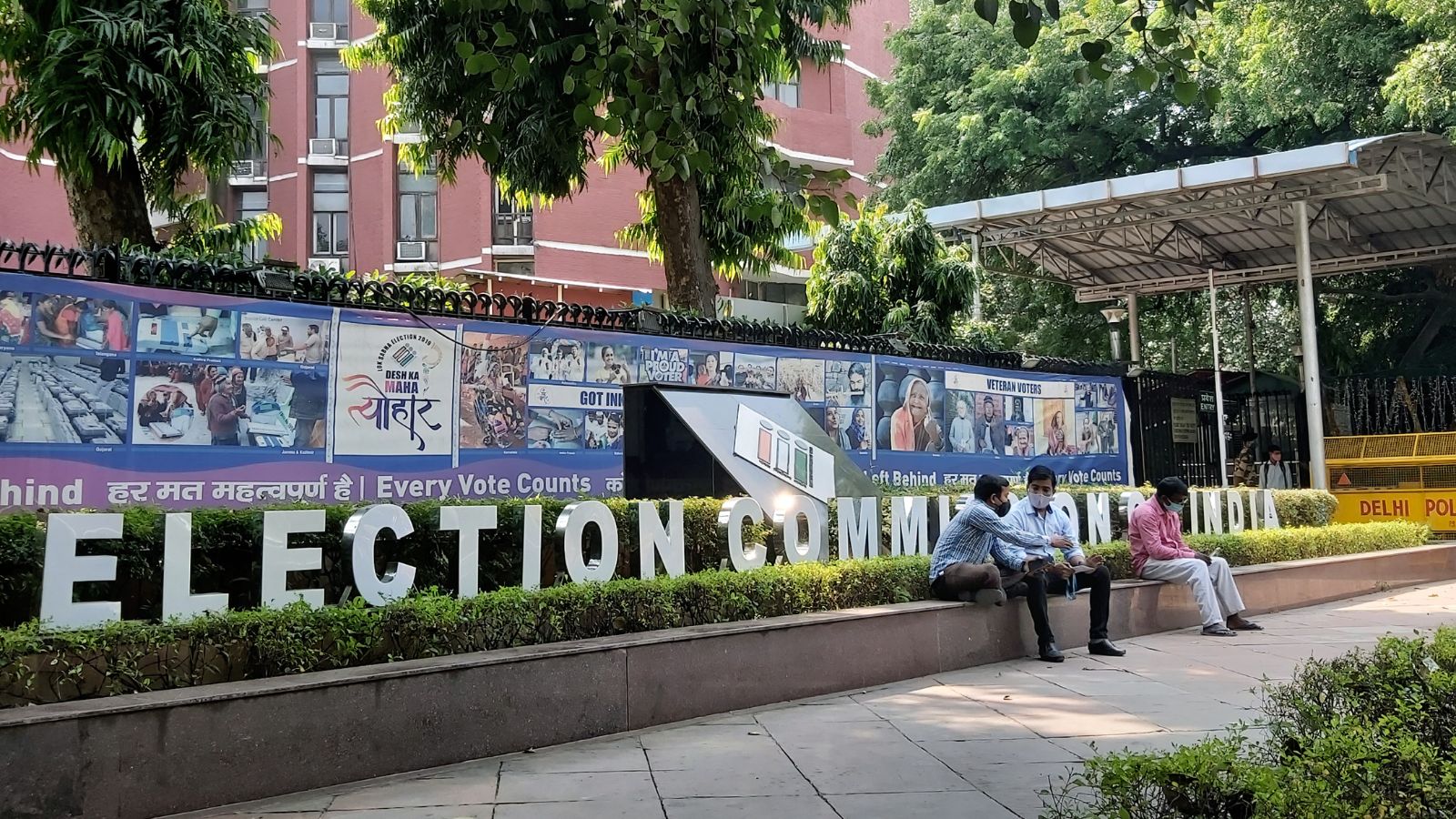


Election Commission likely to announce next phase of SIR within days
The latest SIR exercise will be held in all remaining states and UTs, except Assam, where EC decided to conduct a regular revision.
After completing the exercise in 10 states and three Union Territories over the last year, the Election Commission is now getting ready to roll out the Special Intensive Revision (SIR) in the remaining states and UTs, The Indian Express has learnt.
The announcement of the next phase of the SIR could be within days, according to EC sources.
The latest exercise will be held in all remaining states and UTs, except Assam, where EC decided to conduct a regular revision, citing the pending publication of the National Register of Citizens.
The enumeration form to be filled by electors is likely to be similar to the one used for the second phase of the SIR, which was conducted in nine states and three UTs from November 2025 to April. The form was changed after the first phase of SIR in Bihar last year. The enumeration of electors could be held in phases, it is learnt.
EC had written to the Chief Electoral Officers of 22 states and UTs in February, asking them to complete preparations for the SIR, as the exercise was “expected to start from April 2026”. EC is now learnt to have decided to roll out the next phase after the Assembly elections in Assam, Kerala, Puducherry, Tamil Nadu and West Bengal, which ended with the counting of votes on May 4.
On June 24, 2025, the poll body ordered the SIR of electoral rolls of the country, breaking with the practice of the past two decades, in which the rolls have been revised annually and pre-elections through Special Summary Revisions (SSRs). As per the Registration of Electors Rules, 1960, the EC can revise electoral rolls either intensively, summarily, or partly intensively and partly summarily.
In an intensive revision, the rolls are prepared afresh, whereas in a summary revision, the rolls are updated by removing the names of those who have passed away or shifted and adding the newly eligible electors.
The last intensive revision was held across states in the early 2000s. Since then, with the digitisation of electoral rolls, the rolls have been revised summarily till EC’s decision to conduct the SIR last year.
EC had cited the rapid urbanisation and migration as reasons for conducting the intensive revision. As part of the SIR process, all registered electors are required to submit enumeration forms and provide documents to either prove that they or their parents were on the rolls of the last intensive revision or to provide eligibility documents, including citizenship documents.
So far, the SIR has led to the deletion of 5.58 crore electors, or 9.555% of the electoral rolls, in Bihar, Rajasthan, Goa, Lakshadweep, Puducherry, Gujarat, Chhattisgarh, the Andaman and Nicobar Islands, Kerala, Madhya Pradesh, Tamil Nadu, West Bengal and Uttar Pradesh.
EC’s June 24 order has been challenged in the Supreme Court, with petitioners arguing that the poll body lacks the power to conduct a citizenship check. The court has reserved its judgment in the matter.
Stay updated with the latest - Click here to follow us on Instagram
After completing the exercise in 10 states and three Union Territories over the last year, the Election Commission is now getting ready to roll out the Special Intensive Revision (SIR) in the remaining states and UTs, The Indian Express has learnt.
The announcement of the next phase of the SIR could be within days, according to EC sources.
The latest exercise will be held in all remaining states and UTs, except Assam, where EC decided to conduct a regular revision, citing the pending publication of the National Register of Citizens.
The enumeration form to be filled by electors is likely to be similar to the one used for the second phase of the SIR, which was conducted in nine states and three UTs from November 2025 to April. The form was changed after the first phase of SIR in Bihar last year. The enumeration of electors could be held in phases, it is learnt.
EC had written to the Chief Electoral Officers of 22 states and UTs in February, asking them to complete preparations for the SIR, as the exercise was “expected to start from April 2026”. EC is now learnt to have decided to roll out the next phase after the Assembly elections in Assam, Kerala, Puducherry, Tamil Nadu and West Bengal, which ended with the counting of votes on May 4.
On June 24, 2025, the poll body ordered the SIR of electoral rolls of the country, breaking with the practice of the past two decades, in which the rolls have been revised annually and pre-elections through Special Summary Revisions (SSRs). As per the Registration of Electors Rules, 1960, the EC can revise electoral rolls either intensively, summarily, or partly intensively and partly summarily.
In an intensive revision, the rolls are prepared afresh, whereas in a summary revision, the rolls are updated by removing the names of those who have passed away or shifted and adding the newly eligible electors.
The last intensive revision was held across states in the early 2000s. Since then, with the digitisation of electoral rolls, the rolls have been revised summarily till EC’s decision to conduct the SIR last year.
EC had cited the rapid urbanisation and migration as reasons for conducting the intensive revision. As part of the SIR process, all registered electors are required to submit enumeration forms and provide documents to either prove that they or their parents were on the rolls of the last intensive revision or to provide eligibility documents, including citizenship documents.
So far, the SIR has led to the deletion of 5.58 crore electors, or 9.555% of the electoral rolls, in Bihar, Rajasthan, Goa, Lakshadweep, Puducherry, Gujarat, Chhattisgarh, the Andaman and Nicobar Islands, Kerala, Madhya Pradesh, Tamil Nadu, West Bengal and Uttar Pradesh.
EC’s June 24 order has been challenged in the Supreme Court, with petitioners arguing that the poll body lacks the power to conduct a citizenship check. The court has reserved its judgment in the matter.