

DRDO flight test of ‘Kusha’ takes off
Rajnath Singh hails test, says it will eliminate import dependency for such SAM systems.
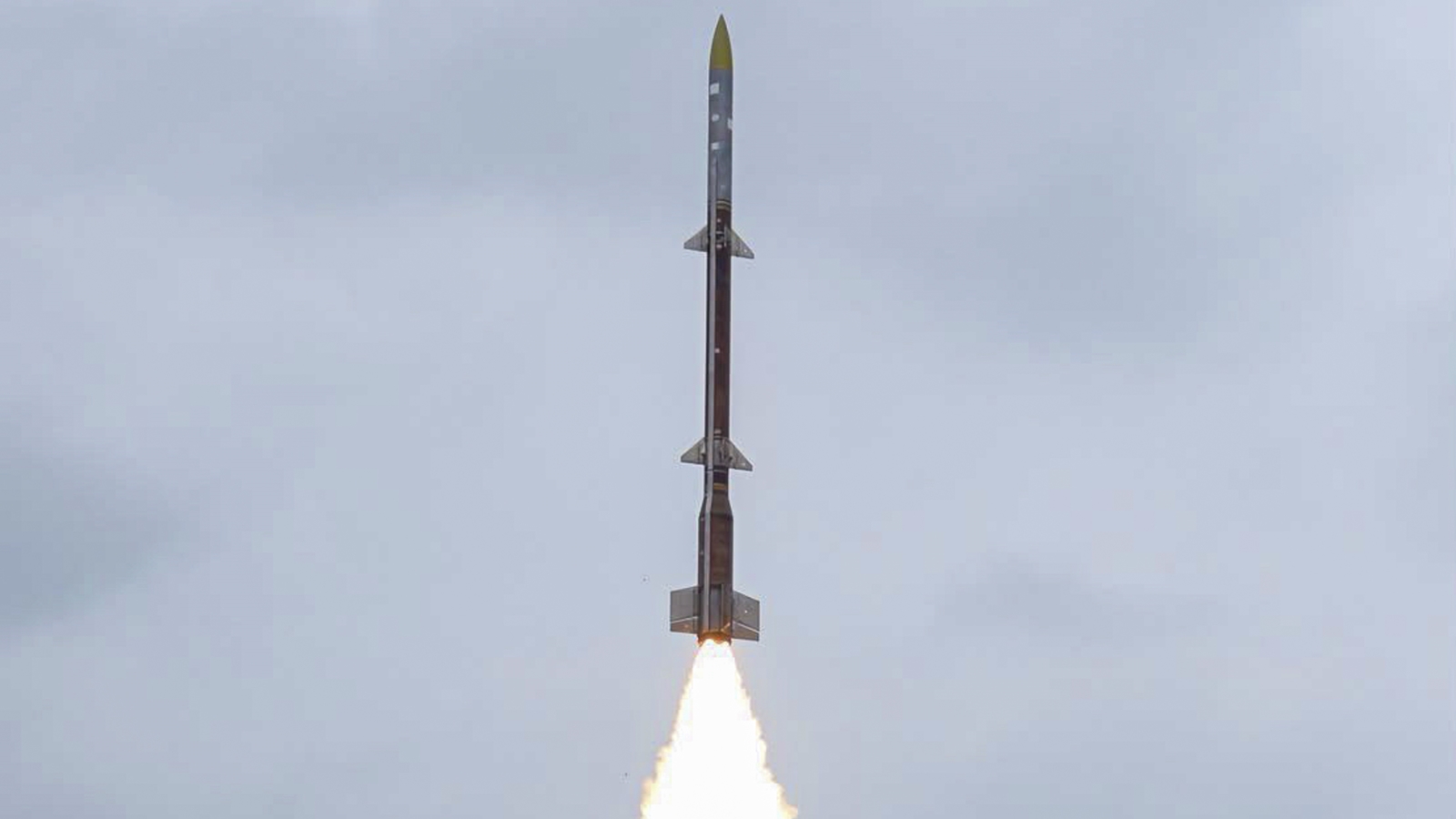
In a major step towards the development of indigenous long-range air defence capabilities, the Defence Research & Development Organisation (DRDO) Thursday successfully conducted the first flight test of the ‘Kusha’ Long-Range Surface-to-Air Missile (SAM), at the APJ Abdul Kalam Island off the coast of Odisha.
A long-range SAM typically has a range of over 200 km. India operates Russian S-400 Triumf, which is understood to be capable of hitting targets up to 400 km away.
In a statement, the Ministry of Defence said that this maiden test was conducted against an electronic target simulating a high-speed, high-altitude aerial threat, which the missile system successfully intercepted.
The DRDO has been developing Project Kusha — an indigenous long-range SAM system — to protect strategic military and civilian assets and infrastructure from a range of aerial threats, including fighter jets, missiles, unmanned aerial vehicles and large enemy aircraft within a wide range and altitude envelope.
All weapon system elements, including the missiles, radars, command and control centre, have been developed by various DRDO laboratories and industry partners.
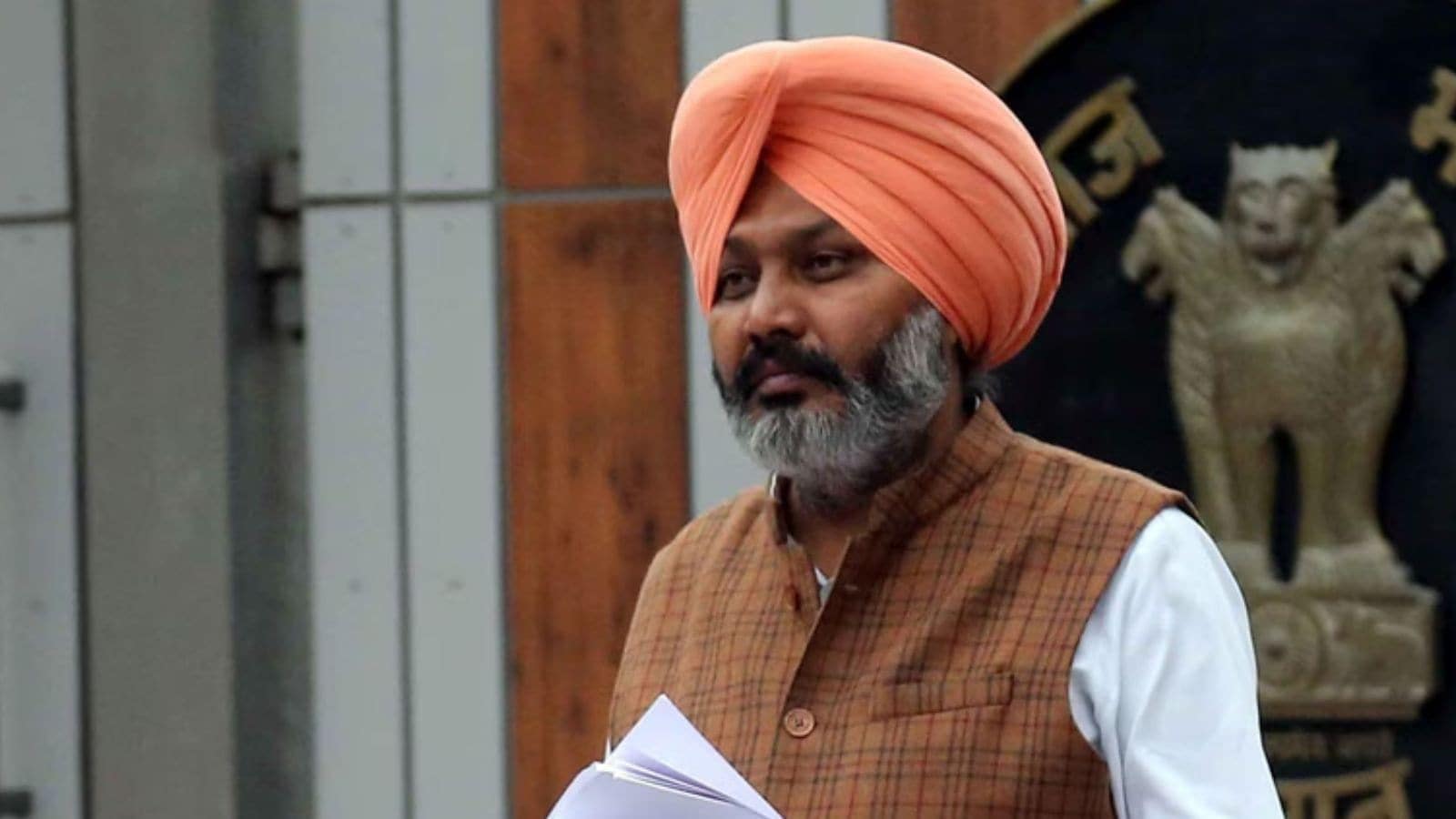
Calling the test’s success an important milestone in Indian defence R&D, Defence Minister Rajnath Singh said that it will also eliminate India’s import dependency for such systems.
Last year, the DRDO successfully conducted maiden flight tests of the Integrated Air Defence Weapon System (IADWS) — a multi-layered air defence system comprising all indigenous Quick Reaction Surface to Air Missiles (QRSAM), Advanced Very Short Range Air Defence System (VSHORADS) missiles, and a high-power laser-based Directed Energy Weapon (DEW).
Together, Kusha and the IADWS are understood to be major steps towards bringing India closer towards developing a home-grown nationwide security shield from multi-domain enemy attacks under Mission Sudarshan Chakra in the next 10 years.
Defence Secretary and Secretary, Department of Defence R&D, and Chairman, DRDO, Rajesh Kumar Singh, monitored the launch and congratulated the team members, the statement noted.
In a major step towards the development of indigenous long-range air defence capabilities, the Defence Research & Development Organisation (DRDO) Thursday successfully conducted the first flight test of the ‘Kusha’ Long-Range Surface-to-Air Missile (SAM), at the APJ Abdul Kalam Island off the coast of Odisha.
A long-range SAM typically has a range of over 200 km. India operates Russian S-400 Triumf, which is understood to be capable of hitting targets up to 400 km away.
In a statement, the Ministry of Defence said that this maiden test was conducted against an electronic target simulating a high-speed, high-altitude aerial threat, which the missile system successfully intercepted.
The DRDO has been developing Project Kusha — an indigenous long-range SAM system — to protect strategic military and civilian assets and infrastructure from a range of aerial threats, including fighter jets, missiles, unmanned aerial vehicles and large enemy aircraft within a wide range and altitude envelope.
All weapon system elements, including the missiles, radars, command and control centre, have been developed by various DRDO laboratories and industry partners.
Calling the test’s success an important milestone in Indian defence R&D, Defence Minister Rajnath Singh said that it will also eliminate India’s import dependency for such systems.
Last year, the DRDO successfully conducted maiden flight tests of the Integrated Air Defence Weapon System (IADWS) — a multi-layered air defence system comprising all indigenous Quick Reaction Surface to Air Missiles (QRSAM), Advanced Very Short Range Air Defence System (VSHORADS) missiles, and a high-power laser-based Directed Energy Weapon (DEW).
Together, Kusha and the IADWS are understood to be major steps towards bringing India closer towards developing a home-grown nationwide security shield from multi-domain enemy attacks under Mission Sudarshan Chakra in the next 10 years.
Defence Secretary and Secretary, Department of Defence R&D, and Chairman, DRDO, Rajesh Kumar Singh, monitored the launch and congratulated the team members, the statement noted.