

BRICS Foreign Ministers’ meet likely in May; Wang Yi, Lavrov may attend
India has pitched BRICS as a “non-west” platform, and will face a challenge of diplomatically balancing between the US and rest of the West on one side, and China-Russia on the other. The West Asia war has now deepened the divide — with Iran and the UAE on opposing sides.
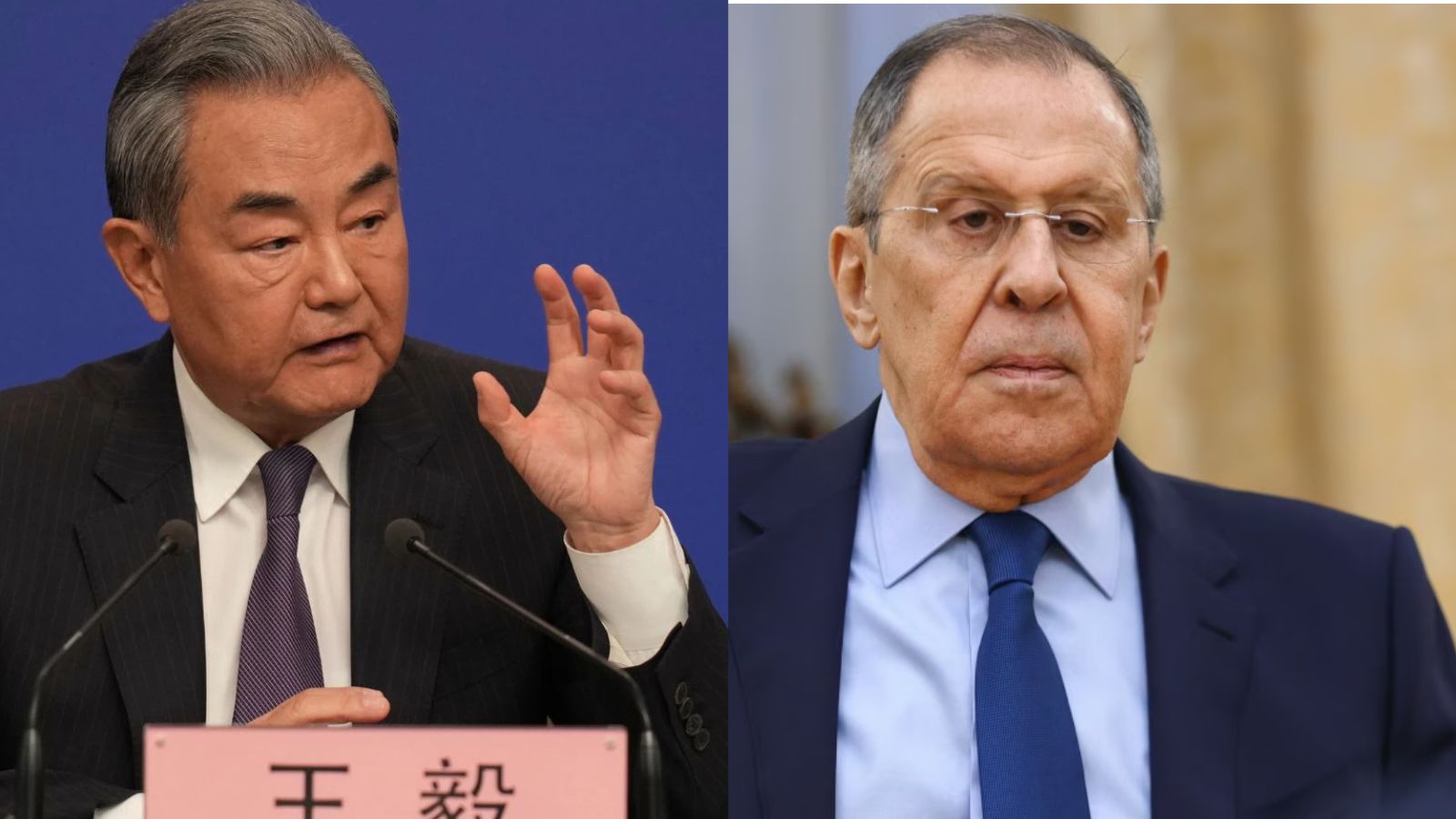
Amid the shaky ceasefire between Iran and the US and negotiations in Islamabad to reach a deal to end the war entered a deadlock, India is likely to host the BRICS Foreign Ministers’ meeting in May, sources said on Wednesday, which is expected to be attended by Chinese Foreign Minister Wang Yi and Russian Foreign Minister Sergey Lavrov.
Depending on the conflict’s situation, Iran Foreign Minister Seyed Abbas Araghchi might join the meeting in May — either in person or virtually.
Senior officials of the BRICS countries are in touch with each other for the Foreign ministers’ meeting, which will ultimately lead to the BRICS leaders’ summit in India, which holds the rotational presidency of the grouping for 2026, later this year.
Apart from the war, the BRICS Foreign Ministers are set to discuss the value and importance of multilateral and multipolarity in the international order — something which has been threatened by US President Donald Trump. Trump has not been well-disposed towards the BRICS, and had last year threatened an additional 10% tariff on “any country aligning themselves with the Anti-American policies of BRICS”. During a meeting with Argentine Prime Minister Javier Milei at the White House last year, Trump had said “BRICS was an attack on the dollar”.
In the coming weeks, how New Delhi treads the diplomatic minefield as it prepares to host the BRICS meeting will be something to watch out for.
The BRICS grouping has Brazil, Russia, India, China and South Africa (the original five), along with Egypt, Ethiopia, Iran, Saudi Arabia, the UAE and Indonesia. Saudi Arabia and the UAE, which host American bases and personnel, have been targeted by Iranian missiles and drones. The fact that all three countries entangled in the West Asia war are members of the bloc has made diplomatic navigation difficult for India.
In March, Iran had reached out to Delhi to take the lead in issuing a statement on behalf of the BRICS, condemning the US and Israeli strikes against Iran in the last two weeks. This has put Delhi in a diplomatic pickle since it has stayed away from taking sides during the ongoing conflict.
On Tuesday, President Donald Trump called up Prime Minister Narendra Modi who said they “discussed the situation in West Asia and stressed the importance of keeping the Strait of Hormuz open and secure” during the 40-minute conversation.
As the war escalated and with Indian vessels unable to transit the key shipping channel, through which 20% of the global energy supply passes in large carriers, due to the blockade imposed by Tehran, PM Modi had spoken to leaders of the countries in the region targeted by Iran, condemned the attacks and thanked them for looking after the Indian community “in these difficult times”.
Without naming any country, the Ministry of External Affairs’ official spokesperson Randhir Jaiswal had said in mid-March, “Some members of the BRICS are directly involved in the current situation in the West Asia region, which has impacted forging a consensus on a common BRICS position on the ongoing conflict. As Chair of BRICS, India has been facilitating discussions among members through the Sherpa channel.”
He said that the last virtual BRICS Sherpa meeting was held on March 12. In addition, “Indian leadership has been engaging with leaders of BRICS members in the region. India will continue to engage,” the MEA spokesperson said.
Stay updated with the latest - Click here to follow us on Instagram
Amid the shaky ceasefire between Iran and the US and negotiations in Islamabad to reach a deal to end the war entered a deadlock, India is likely to host the BRICS Foreign Ministers’ meeting in May, sources said on Wednesday, which is expected to be attended by Chinese Foreign Minister Wang Yi and Russian Foreign Minister Sergey Lavrov.
Depending on the conflict’s situation, Iran Foreign Minister Seyed Abbas Araghchi might join the meeting in May — either in person or virtually.
Senior officials of the BRICS countries are in touch with each other for the Foreign ministers’ meeting, which will ultimately lead to the BRICS leaders’ summit in India, which holds the rotational presidency of the grouping for 2026, later this year.
Apart from the war, the BRICS Foreign Ministers are set to discuss the value and importance of multilateral and multipolarity in the international order — something which has been threatened by US President Donald Trump. Trump has not been well-disposed towards the BRICS, and had last year threatened an additional 10% tariff on “any country aligning themselves with the Anti-American policies of BRICS”. During a meeting with Argentine Prime Minister Javier Milei at the White House last year, Trump had said “BRICS was an attack on the dollar”.
In the coming weeks, how New Delhi treads the diplomatic minefield as it prepares to host the BRICS meeting will be something to watch out for.
The BRICS grouping has Brazil, Russia, India, China and South Africa (the original five), along with Egypt, Ethiopia, Iran, Saudi Arabia, the UAE and Indonesia. Saudi Arabia and the UAE, which host American bases and personnel, have been targeted by Iranian missiles and drones. The fact that all three countries entangled in the West Asia war are members of the bloc has made diplomatic navigation difficult for India.
In March, Iran had reached out to Delhi to take the lead in issuing a statement on behalf of the BRICS, condemning the US and Israeli strikes against Iran in the last two weeks. This has put Delhi in a diplomatic pickle since it has stayed away from taking sides during the ongoing conflict.
On Tuesday, President Donald Trump called up Prime Minister Narendra Modi who said they “discussed the situation in West Asia and stressed the importance of keeping the Strait of Hormuz open and secure” during the 40-minute conversation.
As the war escalated and with Indian vessels unable to transit the key shipping channel, through which 20% of the global energy supply passes in large carriers, due to the blockade imposed by Tehran, PM Modi had spoken to leaders of the countries in the region targeted by Iran, condemned the attacks and thanked them for looking after the Indian community “in these difficult times”.
Without naming any country, the Ministry of External Affairs’ official spokesperson Randhir Jaiswal had said in mid-March, “Some members of the BRICS are directly involved in the current situation in the West Asia region, which has impacted forging a consensus on a common BRICS position on the ongoing conflict. As Chair of BRICS, India has been facilitating discussions among members through the Sherpa channel.”
He said that the last virtual BRICS Sherpa meeting was held on March 12. In addition, “Indian leadership has been engaging with leaders of BRICS members in the region. India will continue to engage,” the MEA spokesperson said.