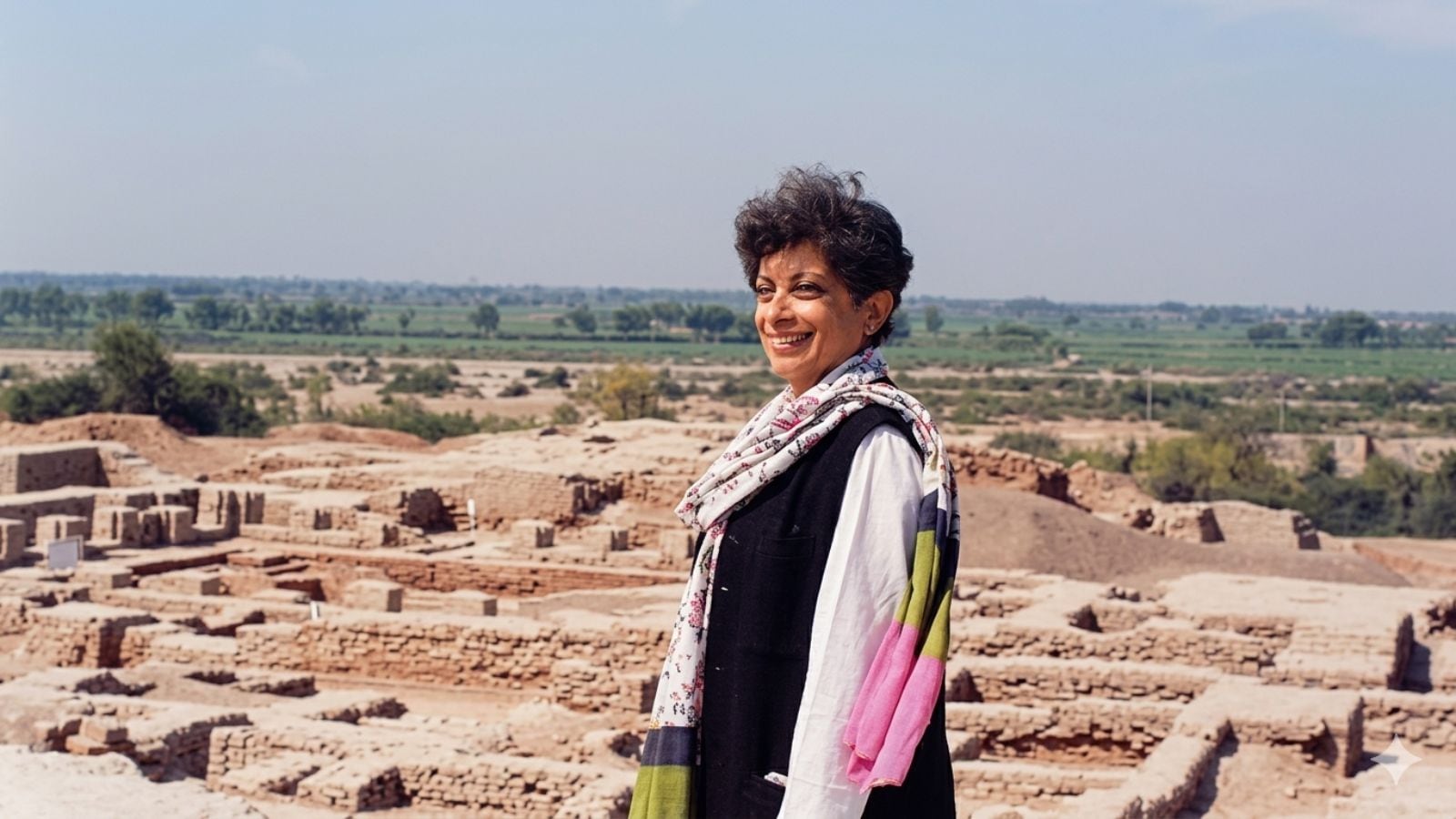


Archaeologist Shereen Ratnagar, considered an influential voice on Harappan civilisation, dies at 82
The former JNU professor was among those who reviewed the 2003 ASI report on Ram Janmabhoomi, pointing out what she thought were methodological problems with the findings of the Central agency
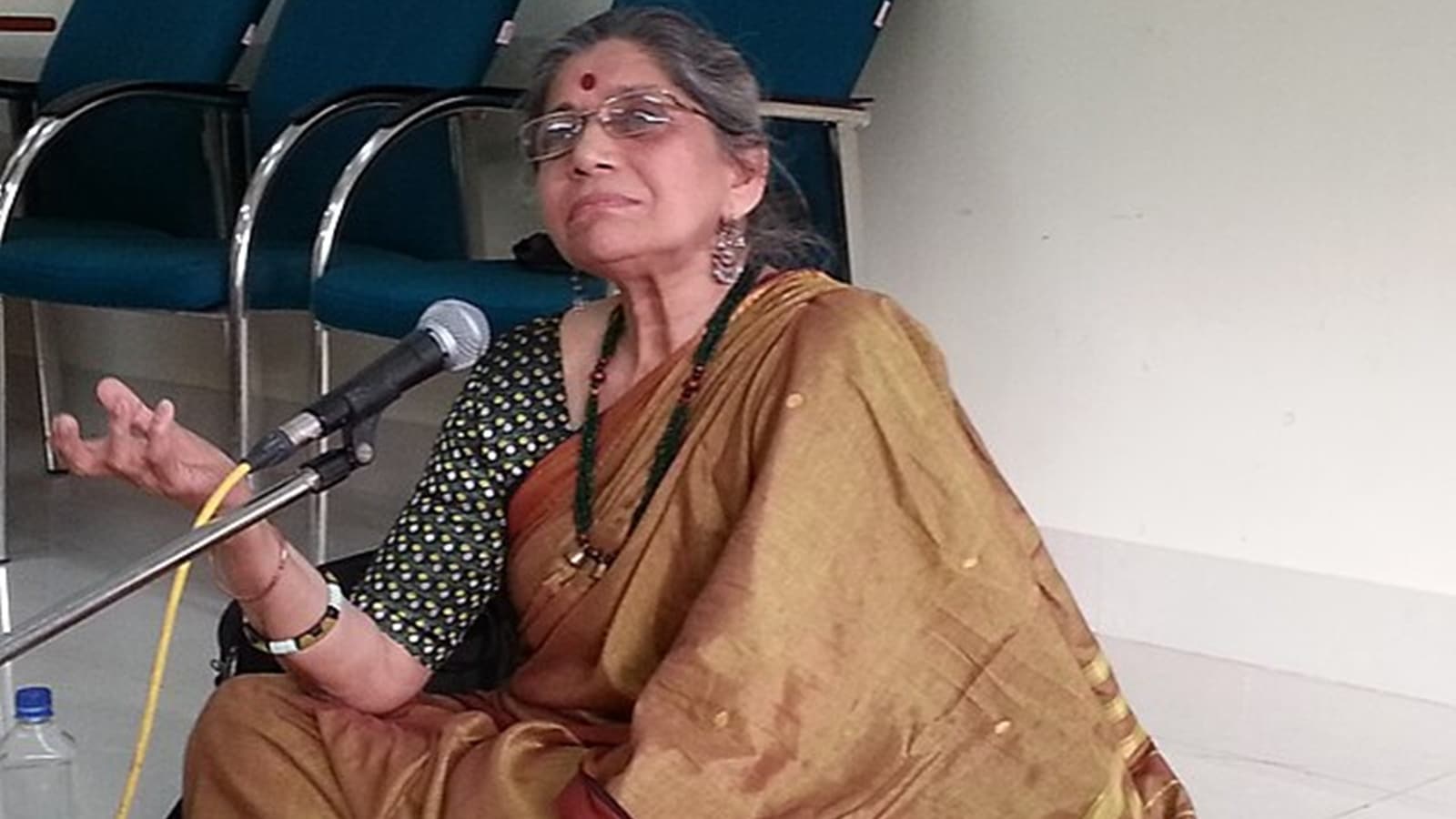
Noted archaeologist, historian and scholar of the Harappan civilisation Shereen Ratnagar died at the age of 82 in Mumbai late Monday night. She had been suffering from severe Parkinson’s disease for the last few years, historian Aditya Mukherjee, her former colleague at JNU, said.
She authored influential works on the Harappan civilisation such as Encounters: The Westerly Trade Of The Harappan Civilisation, Harappan Archaeology: Early State Perspectives, and The End Of The Great Harappan Tradition. The first of these was a modified version of her PhD thesis submitted at Jawaharlal Nehru University (JNU) under the supervision of eminent historian Romila Thapar.
Ratnagar was born in Mumbai in 1944, and studied at the Parsee Girls’ High School in the city. She did her BA in history and then joined the Deccan College in Pune to study archaeology under HD Sankalia.
In 1975, she made a trip to Bahrain, Kuwait and Iraq, receiving assistance from the British Committee for Arabian and Gulf Studies and the British Archaeological Expedition to Iraq.
Ratnagar was associated with the Centre for Historical Studies at JNU for a long time, teaching ancient history and also taking a common course, Ancient Societies, for students across different streams of the subject.
She was particularly known for her warmth; students recall her open offer to first-semester students coming from different parts of India to celebrate Diwali at her home if they were feeling homesick. She retired from JNU around 2000 and became an independent researcher.
She is considered an influential voice on the Harappan civilisation, mapping its early state systems and also drawing comparisons with the Mesopotamian cultural zone. She also questioned the belief that the Harappans were an absolutely peace-loving people who knew no war.
Along with archaeologist D Mandal, Ratnagar reviewed the 2003 ASI report on Ram Janmabhoomi that had concluded the presence of pillars of a pre-existing structure underneath the Babri Masjid, pointing out what she thought were methodological problems with the finding of the ASI.
Stay updated with the latest - Click here to follow us on Instagram
Noted archaeologist, historian and scholar of the Harappan civilisation Shereen Ratnagar died at the age of 82 in Mumbai late Monday night. She had been suffering from severe Parkinson’s disease for the last few years, historian Aditya Mukherjee, her former colleague at JNU, said.
She authored influential works on the Harappan civilisation such as Encounters: The Westerly Trade Of The Harappan Civilisation, Harappan Archaeology: Early State Perspectives, and The End Of The Great Harappan Tradition. The first of these was a modified version of her PhD thesis submitted at Jawaharlal Nehru University (JNU) under the supervision of eminent historian Romila Thapar.
Ratnagar was born in Mumbai in 1944, and studied at the Parsee Girls’ High School in the city. She did her BA in history and then joined the Deccan College in Pune to study archaeology under HD Sankalia.
In 1975, she made a trip to Bahrain, Kuwait and Iraq, receiving assistance from the British Committee for Arabian and Gulf Studies and the British Archaeological Expedition to Iraq.
Ratnagar was associated with the Centre for Historical Studies at JNU for a long time, teaching ancient history and also taking a common course, Ancient Societies, for students across different streams of the subject.
She was particularly known for her warmth; students recall her open offer to first-semester students coming from different parts of India to celebrate Diwali at her home if they were feeling homesick. She retired from JNU around 2000 and became an independent researcher.
She is considered an influential voice on the Harappan civilisation, mapping its early state systems and also drawing comparisons with the Mesopotamian cultural zone. She also questioned the belief that the Harappans were an absolutely peace-loving people who knew no war.
Along with archaeologist D Mandal, Ratnagar reviewed the 2003 ASI report on Ram Janmabhoomi that had concluded the presence of pillars of a pre-existing structure underneath the Babri Masjid, pointing out what she thought were methodological problems with the finding of the ASI.