

Protect jobs, invest strategically amid global volatility: Shaktikanta Das to Indian companies
The West Asia crisis, according to Das, highlights the importance of energy security and self-reliance
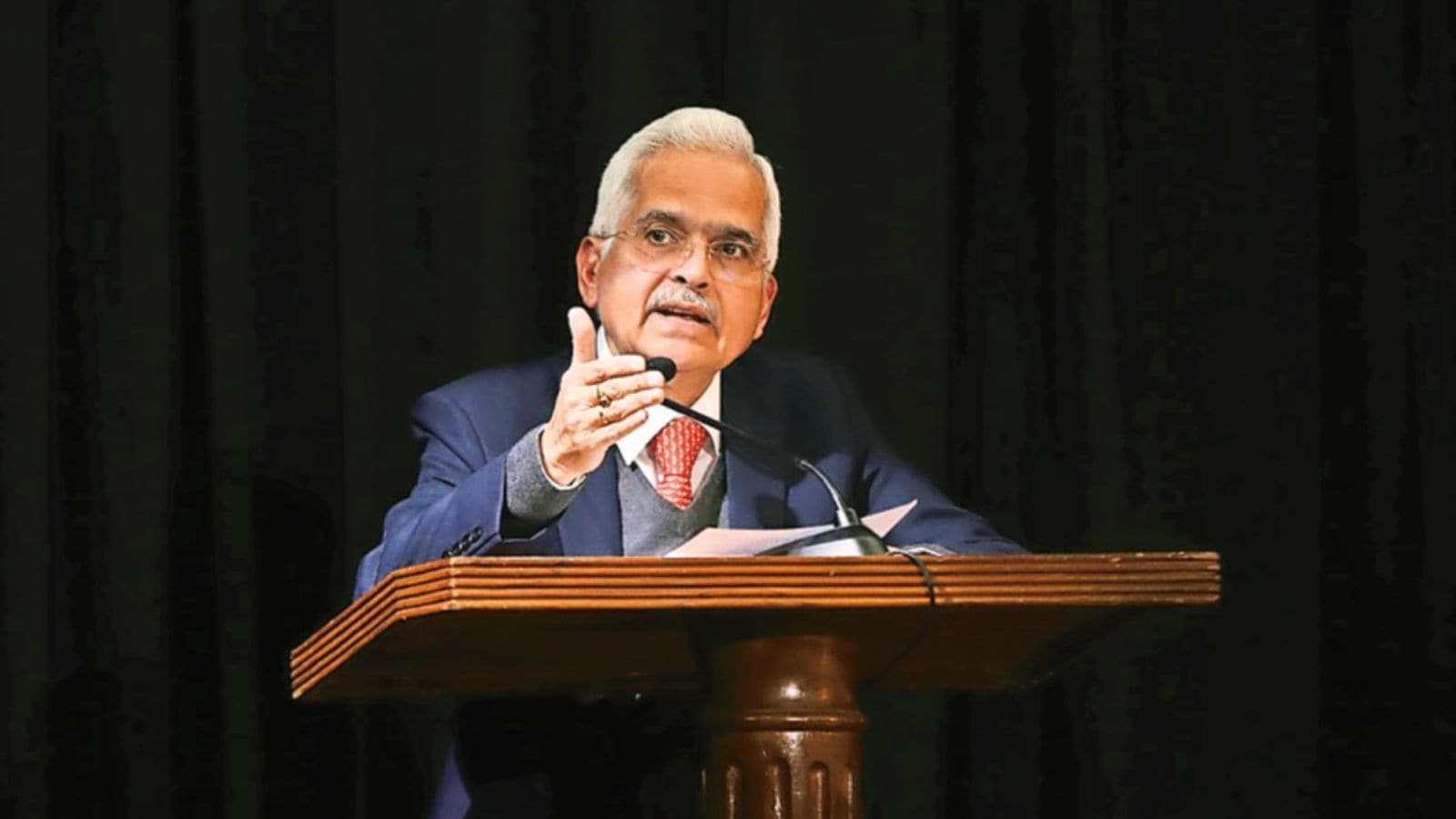
At a time of “unprecedented volatility” in the world, it would be “appropriate” for Indian industry and businesses to protect jobs, strengthen balance sheets, and invest strategically for “future readiness and for capitalising on new opportunities”, Shaktikanta Das, Principal Secretary to the Prime Minister, said on Thursday.
In his address, titled ‘Turning Turbulence into Triumph: India’s Journey Through Crises’, at the All-India Management Association National Leadership Conclave in New Delhi – where he was given the Public Service Excellence Award – Das also asked Indian companies to build organisational resilience and new supply chains, reskill the available manpower, and diversify into new markets, especially exporters.
“These measures, I feel, will go a long way in building sustainability and future growth of Indian business and industry,” Das said.
Das’ comments come at a time when the war in West Asia is increasingly taking a toll on various sectors of the Indian economy due to raw material shortages and higher fuel prices, with the price of India’s crude oil basket having surged 64% in March from February. According to S&P Global’s Purchasing Managers’ Index (PMI) survey, costs for manufacturers rose the most in 43 months in March, with new orders also rising at the slowest pace since mid-2022. The West Asia crisis, Das said on Thursday, highlights the importance of energy security and self-reliance.
While the world has encountered a series of supply-side shocks – Russia’s invasion of Ukraine, the US’ trade war, and now the West Asia conflict – following the Covid pandemic, India has emerged “remarkably and measurably stronger”, Das said, adding that the country also transformed through these periods of turbulence, witnessing deep digitalisation across sectors, efficiency gains in government systems, and unprecedented infrastructure expansion.
“What was unique about India throughout this period of multiple crises was that fiscal and monetary expansion were followed by timely roll back of such expansion. Thus, froth was not allowed to accumulate or overrun the system.”
Observing that geoeconomic fragmentation and supply‑chain disruptions had resulted in reliance on one dominant partner creating vulnerabilities, Das said ‘resilience maximisation’ is replacing ‘cost minimisation’ as the priority. In this context, the PM’s Principal Secretary said India’s self-reliance approach was shaped by realism, not isolation, with initiatives started under it beginning to yield results across several strategic sectors: electronics manufacturing, semiconductors, pharmaceuticals, global capability centres, and digital technologies, among others. These, he said, are “fast emerging as powerful engines of job creation, investment and innovation”.
Das, the former governor of the Reserve Bank of India, also defended his time at the helm of the central bank, listing monetary policy credibility as one of the key factors behind India’s growth story.
“The GDP growth of 7.1% in 2024-25 bears testimony to this and, in fact, completely demolishes the narrative in certain quarters at that time that RBI’s monetary policy had resulted in growth slowdown. Continuity in this flexible monetary policy framework for the next 5 years till 2031 reaffirms the commitment to price stability while keeping in mind the objective of growth,” Das, who exited the RBI in December 2024 after six years at the central bank, said.
Some of the other factors that Das listed to explain India’s growth story include macroeconomic and policy stability, infrastructure-led development, strong domestic demand, the digital public infrastructure, a resilient financial system, a young and enterprising demography, the country’s geopolitical positioning, and fiscal discipline.
At a time of “unprecedented volatility” in the world, it would be “appropriate” for Indian industry and businesses to protect jobs, strengthen balance sheets, and invest strategically for “future readiness and for capitalising on new opportunities”, Shaktikanta Das, Principal Secretary to the Prime Minister, said on Thursday.
In his address, titled ‘Turning Turbulence into Triumph: India’s Journey Through Crises’, at the All-India Management Association National Leadership Conclave in New Delhi – where he was given the Public Service Excellence Award – Das also asked Indian companies to build organisational resilience and new supply chains, reskill the available manpower, and diversify into new markets, especially exporters.
“These measures, I feel, will go a long way in building sustainability and future growth of Indian business and industry,” Das said.
Das’ comments come at a time when the war in West Asia is increasingly taking a toll on various sectors of the Indian economy due to raw material shortages and higher fuel prices, with the price of India’s crude oil basket having surged 64% in March from February. According to S&P Global’s Purchasing Managers’ Index (PMI) survey, costs for manufacturers rose the most in 43 months in March, with new orders also rising at the slowest pace since mid-2022. The West Asia crisis, Das said on Thursday, highlights the importance of energy security and self-reliance.
While the world has encountered a series of supply-side shocks – Russia’s invasion of Ukraine, the US’ trade war, and now the West Asia conflict – following the Covid pandemic, India has emerged “remarkably and measurably stronger”, Das said, adding that the country also transformed through these periods of turbulence, witnessing deep digitalisation across sectors, efficiency gains in government systems, and unprecedented infrastructure expansion.
“What was unique about India throughout this period of multiple crises was that fiscal and monetary expansion were followed by timely roll back of such expansion. Thus, froth was not allowed to accumulate or overrun the system.”
Observing that geoeconomic fragmentation and supply‑chain disruptions had resulted in reliance on one dominant partner creating vulnerabilities, Das said ‘resilience maximisation’ is replacing ‘cost minimisation’ as the priority. In this context, the PM’s Principal Secretary said India’s self-reliance approach was shaped by realism, not isolation, with initiatives started under it beginning to yield results across several strategic sectors: electronics manufacturing, semiconductors, pharmaceuticals, global capability centres, and digital technologies, among others. These, he said, are “fast emerging as powerful engines of job creation, investment and innovation”.
Das, the former governor of the Reserve Bank of India, also defended his time at the helm of the central bank, listing monetary policy credibility as one of the key factors behind India’s growth story.
“The GDP growth of 7.1% in 2024-25 bears testimony to this and, in fact, completely demolishes the narrative in certain quarters at that time that RBI’s monetary policy had resulted in growth slowdown. Continuity in this flexible monetary policy framework for the next 5 years till 2031 reaffirms the commitment to price stability while keeping in mind the objective of growth,” Das, who exited the RBI in December 2024 after six years at the central bank, said.
Some of the other factors that Das listed to explain India’s growth story include macroeconomic and policy stability, infrastructure-led development, strong domestic demand, the digital public infrastructure, a resilient financial system, a young and enterprising demography, the country’s geopolitical positioning, and fiscal discipline.