

Reserve Bank of India cut its risk buffer citing macro factors, dividend to Centre rose by Rs 92,000 crore
Had the RBI had not reduced its Contingent Risk Buffer to 6.5% from 7.5%, the dividend to the government for FY26 would have been under Rs 2 lakh crore.
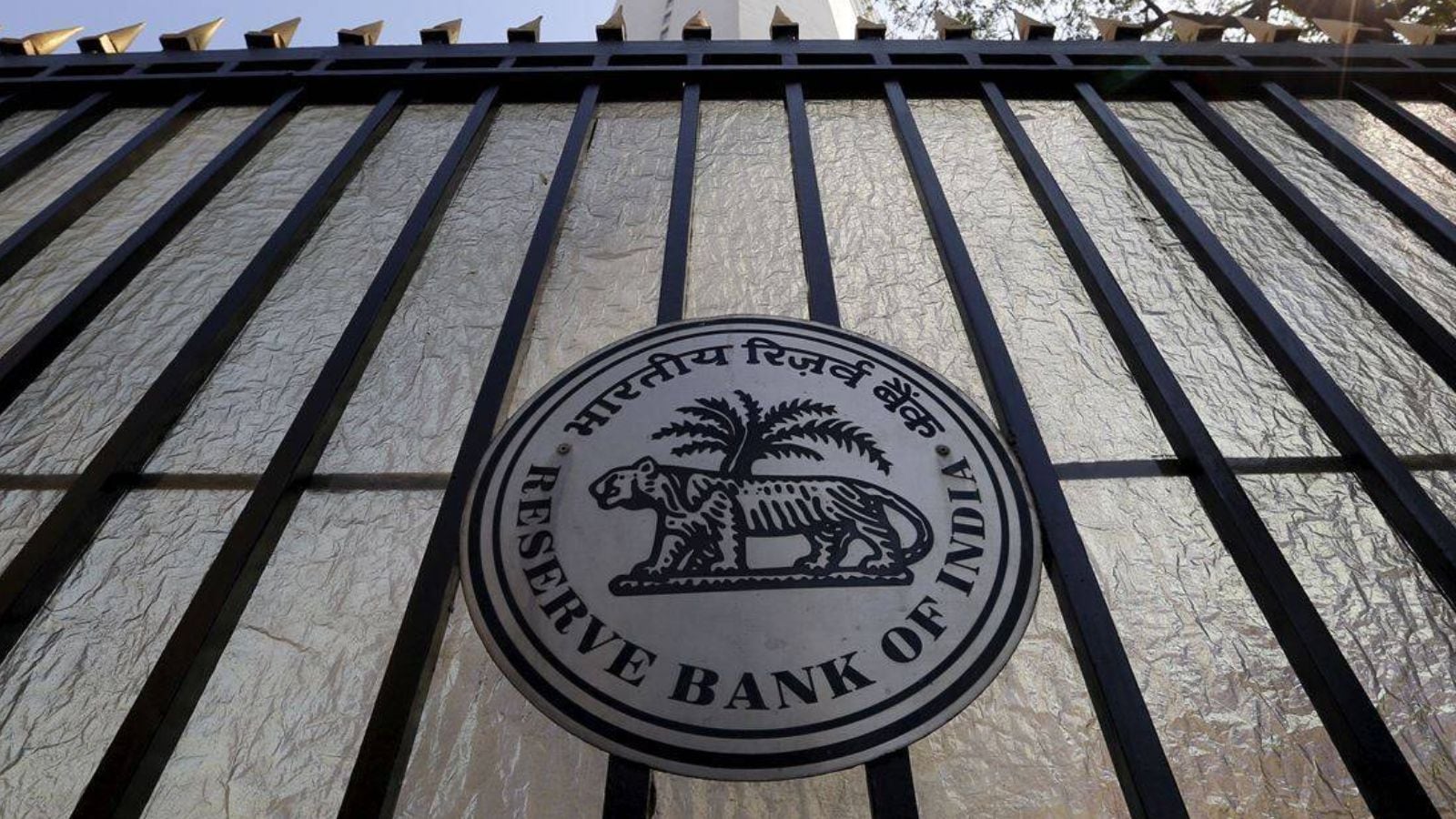
The central board of the Reserve Bank of India (RBI) on Friday approved the transfer of a record Rs 2.87 lakh crore to the Centre as surplus — or dividend — for 2025-26. But it would have been much lower had the board not reduced a key risk buffer to 6.5% from 7.5%.
The RBI said its board decided to keep the Contingent Risk Buffer (CRB) at 6.5% of the central bank’s balance sheet – which expanded 20.6% in 2025-26 to Rs 91.97 lakh crore — “taking into consideration the current macroeconomic factors, financial performance of the Bank and maintenance of appropriate risk buffers”. According to calculations by The Indian Express, had the CRB been maintained at the 2024-25 level of 7.5%, the dividend to the Centre would have been around Rs 92,000 crore lower at Rs 1.95 lakh crore.
When the CRB is lowered, the amount the RBI must transfer to its Contingency Fund – a rainy-day fund meant to meet unexpected and unforeseen contingencies, including depreciation in the value of securities the central bank holds, risks arising out of monetary and exchange rate policy operations, and systemic risks – decreases. This raises the dividend payable to the Centre.
Last year, the RBI had internally reviewed its Economic Capital Framework and the board approved widening the CRB range to 4.5-7.5% of the balance sheet from the 5.5-6.5% recommended in 2019 by an expert committee led by former governor Bimal Jalan.
The Economic Capital Framework provides a rule-based system for the provisions the RBI must make against the risks it faces. These provisions are to be made from the revenue it generates in the normal course of its operations and after it has met its expenses. The Contingent Risk Buffer, or CRB, comprises the RBI’s provisions to cover any potential risks — be it credit, operational, financial, or related to monetary stability — and is the proportion of the balance sheet that must be set aside as a buffer.
Over the years, the RBI’s dividend has become an increasingly important source of income for the government and now makes up around 8% of its revenue receipts, up from around 5% a decade ago. And the increase in the dividend due to the lowering of the CRB to 6.5% will be an enormous source of relief to the government whose finances have been stretched by the West Asia war: a rise in the fertiliser subsidy bill, a hit to tax collections because of cuts to the reduction in excise duty on petrol and diesel, and likely lower dividends from public sector oil marketing companies who are incurring heavy losses.
According to Gaura Sengupta, IDFC First Bank’s Chief Economist, the West Asia war poses a fiscal slippage risk to the Centre of around Rs 1.6 lakh crore — or 0.4% of GDP — assuming the Rs 10 per litre cut in petrol and diesel excise duty is only for six months. The Centre is targeting a fiscal deficit of 4.3% of GDP for the current fiscal.

This is the first time the RBI’s board has ever reduced the CRB and comes after it was raised three years in a row.
When the CRB is raised – as it was in 2022-23, 2023-24, and 2024-25 — the amount the RBI must transfer to the Contingency Fund increases. This reduces the dividend the Centre gets.

In 2024-25, the RBI’s balance sheet grew to Rs 76.25 lakh crore; 7.5% of this is equal to Rs 5.72 lakh crore, which was maintained across the various funds of the central bank: the Contingency Fund, Asset Development Fund, capital, and Reserve Fund. These four together make up the RBI’s Available Realised Equity (ARE). The ARE divided by the size of the balance sheet is equal to the CRB.
Had the RBI retained the CRB for 2024-25 at 6.5% instead of raising it to 7.5%, the dividend to the government would have been higher by Rs 76,000 crore or so at Rs 3.45 lakh crore, calculations show. But with the Centre’s finances in a good position last year, there was no need for an outsized dividend. As it is, even after the CRB hike, the dividend was a then record Rs 2.69 lakh crore.
Meanwhile, the CRB was raised by 50 basis points each in 2022-23 and 2023-24. This reduced the dividend to the government by Rs 31,724 crore in 2022-23 and Rs 35,239 crore in 2023-24, calculations by The Indian Express show. “With the revival in economic growth in 2022-23, the CRB was increased to 6.00%. As the economy remains robust and resilient, the Board has decided to increase the CRB to 6.50% for 2023-24,” the RBI had said in May 2024.
The central board of the Reserve Bank of India (RBI) on Friday approved the transfer of a record Rs 2.87 lakh crore to the Centre as surplus — or dividend — for 2025-26. But it would have been much lower had the board not reduced a key risk buffer to 6.5% from 7.5%.
The RBI said its board decided to keep the Contingent Risk Buffer (CRB) at 6.5% of the central bank’s balance sheet – which expanded 20.6% in 2025-26 to Rs 91.97 lakh crore — “taking into consideration the current macroeconomic factors, financial performance of the Bank and maintenance of appropriate risk buffers”. According to calculations by The Indian Express, had the CRB been maintained at the 2024-25 level of 7.5%, the dividend to the Centre would have been around Rs 92,000 crore lower at Rs 1.95 lakh crore.
When the CRB is lowered, the amount the RBI must transfer to its Contingency Fund – a rainy-day fund meant to meet unexpected and unforeseen contingencies, including depreciation in the value of securities the central bank holds, risks arising out of monetary and exchange rate policy operations, and systemic risks – decreases. This raises the dividend payable to the Centre.
Last year, the RBI had internally reviewed its Economic Capital Framework and the board approved widening the CRB range to 4.5-7.5% of the balance sheet from the 5.5-6.5% recommended in 2019 by an expert committee led by former governor Bimal Jalan.
The Economic Capital Framework provides a rule-based system for the provisions the RBI must make against the risks it faces. These provisions are to be made from the revenue it generates in the normal course of its operations and after it has met its expenses. The Contingent Risk Buffer, or CRB, comprises the RBI’s provisions to cover any potential risks — be it credit, operational, financial, or related to monetary stability — and is the proportion of the balance sheet that must be set aside as a buffer.
Over the years, the RBI’s dividend has become an increasingly important source of income for the government and now makes up around 8% of its revenue receipts, up from around 5% a decade ago. And the increase in the dividend due to the lowering of the CRB to 6.5% will be an enormous source of relief to the government whose finances have been stretched by the West Asia war: a rise in the fertiliser subsidy bill, a hit to tax collections because of cuts to the reduction in excise duty on petrol and diesel, and likely lower dividends from public sector oil marketing companies who are incurring heavy losses.
According to Gaura Sengupta, IDFC First Bank’s Chief Economist, the West Asia war poses a fiscal slippage risk to the Centre of around Rs 1.6 lakh crore — or 0.4% of GDP — assuming the Rs 10 per litre cut in petrol and diesel excise duty is only for six months. The Centre is targeting a fiscal deficit of 4.3% of GDP for the current fiscal.
This is the first time the RBI’s board has ever reduced the CRB and comes after it was raised three years in a row.
When the CRB is raised – as it was in 2022-23, 2023-24, and 2024-25 — the amount the RBI must transfer to the Contingency Fund increases. This reduces the dividend the Centre gets.
In 2024-25, the RBI’s balance sheet grew to Rs 76.25 lakh crore; 7.5% of this is equal to Rs 5.72 lakh crore, which was maintained across the various funds of the central bank: the Contingency Fund, Asset Development Fund, capital, and Reserve Fund. These four together make up the RBI’s Available Realised Equity (ARE). The ARE divided by the size of the balance sheet is equal to the CRB.
Had the RBI retained the CRB for 2024-25 at 6.5% instead of raising it to 7.5%, the dividend to the government would have been higher by Rs 76,000 crore or so at Rs 3.45 lakh crore, calculations show. But with the Centre’s finances in a good position last year, there was no need for an outsized dividend. As it is, even after the CRB hike, the dividend was a then record Rs 2.69 lakh crore.
Meanwhile, the CRB was raised by 50 basis points each in 2022-23 and 2023-24. This reduced the dividend to the government by Rs 31,724 crore in 2022-23 and Rs 35,239 crore in 2023-24, calculations by The Indian Express show. “With the revival in economic growth in 2022-23, the CRB was increased to 6.00%. As the economy remains robust and resilient, the Board has decided to increase the CRB to 6.50% for 2023-24,” the RBI had said in May 2024.