

MPC meeting minutes: RBI governor flags inflation risks from energy prices, West Asia conflict & a potential El Niño
If the conflict remains unresolved for a long duration, it can make the task of central banks arduous in their endeavour to rein in inflation expectations while minimising growth sacrifice, Malhotra said.
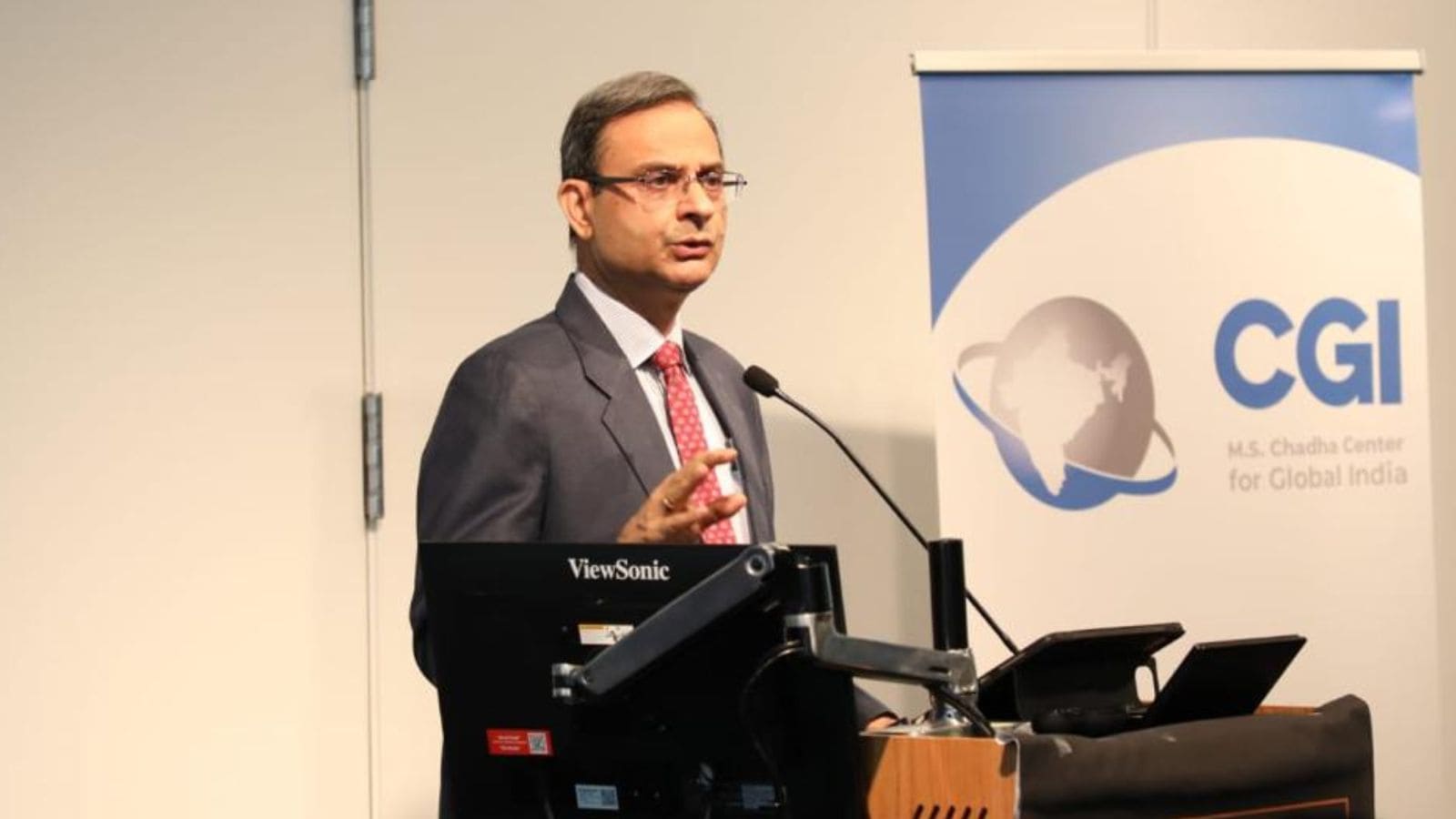
Reserve Bank of India (RBI) Governor Sanjay Malhotra has cautioned that rising global energy prices, higher input costs, potential El Niño conditions, and escalating geopolitical conflicts in West Asia expanding over the past month pose increasing risks to inflation.
According to Malhotra, as a result, supply chain disruptions, that may take longer to subside fully and restore the logistics network, pose downside risks to growth and upside risks to inflation.
“Nevertheless, the Indian economy is on a much stronger footing at the current juncture than at any time before to withstand these shocks,” he said as per the minutes of the Monetary Policy Committee (MPC) meeting held on April 8.
“As for monetary policy, this represents a supply shock,” Malhotra said, adding that the underlying inflation pressures, minus the shock, are contained.
If the conflict remains unresolved for a long duration, it can make the task of central banks arduous in their endeavour to rein in inflation expectations while minimising growth sacrifice, Malhotra said.
The MPC meeting on April 8 kept the policy repo rate unchanged at 5.25%. However, the central bank projected that India’s GDP growth will decline to 6.9% in 2026-27 from 7.6% in 2025-26. On the other hand, headline retail inflation is set to average 4.6% in the current fiscal.
Malhotra said the West Asia conflict poses challenges to the Indian economy through a number of channels. They are exports, supply of critical commodities, elevated energy and other commodity prices, remittances, uncertainty, subdued global demand, etc.
“Despite these challenges, the outlook for 2026-27 remains cautiously positive with services, agriculture, and healthy balance sheets continuing to support growth,” he said, as per the minutes.
Private consumption and investment are expected to remain resilient, aided by improving rural demand, sustained public spending, and a pickup in private capex, he said.
The MPC minutes say that elevated energy and other commodity prices coupled with supply shock due to disruptions in the Strait of Hormuz would act as a drag on domestic production in 2026-27.
Heightened volatility in global financial markets with its spillover on domestic financial conditions would weigh on growth prospects, it said.
The ongoing conflict has led to large volatility in international energy and other commodity prices imparting considerable uncertainty to the near-term inflation outlook.
The pass-through of higher global energy prices has resulted in price increases in select fuels such as premium petrol and LPG and diesel for industrial use, it said.
According to MPC member Ram Singh, it is true that a dovish pause is not going to help on the external front, especially when the rupee has been depreciating, and the current account deficit (CAD) data has been generating mixed signals.
In the coming months, CAD is likely to be under added pressure due to high crude and precious metal prices.
While the West Asia conflict has increased immediate volatility in both, the persistence of these issues reflects structural challenges facing the economy, such as asymmetric reliance on foreign energy sources and other critical supplies, he said, according to the minutes.
“The capital account remains potentially vulnerable to global geo-economic developments. With rising global inflationary pressures, the space for major global central banks to further ease rates seems to have shrunk, likely inducing spill-over effects on capital flows into India,” said Saugata Bhattacharya.
According to Nagesh Kumar, MPC Member, with the weak global economy affecting the growth of exports and crude prices pushing the import bill, the CAD, which has stayed in the comfortable range of 1.5% of GDP in the past, is likely to worsen.
The natural gas shortages have affected many MSMEs that use it as a fuel.
MPC statement said the outbreak of the conflict in West Asia has led to severe disruption of global supply chains. This poses an unprecedented challenge for the global economy — higher prices and lower global growth.
In this environment, monetary policy faces a difficult trade-off — anchoring inflation expectations through policy tightening while minimizing its impact on growth forgone. Sovereign bond yields, already high from long-run fiscal sustainability concerns across major economies, have further hardened, driven by inflation fears, it said.
Reserve Bank of India (RBI) Governor Sanjay Malhotra has cautioned that rising global energy prices, higher input costs, potential El Niño conditions, and escalating geopolitical conflicts in West Asia expanding over the past month pose increasing risks to inflation.
According to Malhotra, as a result, supply chain disruptions, that may take longer to subside fully and restore the logistics network, pose downside risks to growth and upside risks to inflation.
“Nevertheless, the Indian economy is on a much stronger footing at the current juncture than at any time before to withstand these shocks,” he said as per the minutes of the Monetary Policy Committee (MPC) meeting held on April 8.
“As for monetary policy, this represents a supply shock,” Malhotra said, adding that the underlying inflation pressures, minus the shock, are contained.
If the conflict remains unresolved for a long duration, it can make the task of central banks arduous in their endeavour to rein in inflation expectations while minimising growth sacrifice, Malhotra said.
The MPC meeting on April 8 kept the policy repo rate unchanged at 5.25%. However, the central bank projected that India’s GDP growth will decline to 6.9% in 2026-27 from 7.6% in 2025-26. On the other hand, headline retail inflation is set to average 4.6% in the current fiscal.
Malhotra said the West Asia conflict poses challenges to the Indian economy through a number of channels. They are exports, supply of critical commodities, elevated energy and other commodity prices, remittances, uncertainty, subdued global demand, etc.
“Despite these challenges, the outlook for 2026-27 remains cautiously positive with services, agriculture, and healthy balance sheets continuing to support growth,” he said, as per the minutes.
Private consumption and investment are expected to remain resilient, aided by improving rural demand, sustained public spending, and a pickup in private capex, he said.
The MPC minutes say that elevated energy and other commodity prices coupled with supply shock due to disruptions in the Strait of Hormuz would act as a drag on domestic production in 2026-27.
Heightened volatility in global financial markets with its spillover on domestic financial conditions would weigh on growth prospects, it said.
The ongoing conflict has led to large volatility in international energy and other commodity prices imparting considerable uncertainty to the near-term inflation outlook.
The pass-through of higher global energy prices has resulted in price increases in select fuels such as premium petrol and LPG and diesel for industrial use, it said.
According to MPC member Ram Singh, it is true that a dovish pause is not going to help on the external front, especially when the rupee has been depreciating, and the current account deficit (CAD) data has been generating mixed signals.
In the coming months, CAD is likely to be under added pressure due to high crude and precious metal prices.
While the West Asia conflict has increased immediate volatility in both, the persistence of these issues reflects structural challenges facing the economy, such as asymmetric reliance on foreign energy sources and other critical supplies, he said, according to the minutes.
“The capital account remains potentially vulnerable to global geo-economic developments. With rising global inflationary pressures, the space for major global central banks to further ease rates seems to have shrunk, likely inducing spill-over effects on capital flows into India,” said Saugata Bhattacharya.
According to Nagesh Kumar, MPC Member, with the weak global economy affecting the growth of exports and crude prices pushing the import bill, the CAD, which has stayed in the comfortable range of 1.5% of GDP in the past, is likely to worsen.
The natural gas shortages have affected many MSMEs that use it as a fuel.
MPC statement said the outbreak of the conflict in West Asia has led to severe disruption of global supply chains. This poses an unprecedented challenge for the global economy — higher prices and lower global growth.
In this environment, monetary policy faces a difficult trade-off — anchoring inflation expectations through policy tightening while minimizing its impact on growth forgone. Sovereign bond yields, already high from long-run fiscal sustainability concerns across major economies, have further hardened, driven by inflation fears, it said.