

Third hike in 9 days: Staggered fuel price hikes continue as petrol gets dearer by 87 paise, diesel by 91 paise
Petrol and diesel prices have been hiked again, marking the third increase in eight days as oil companies respond to soaring global crude prices.
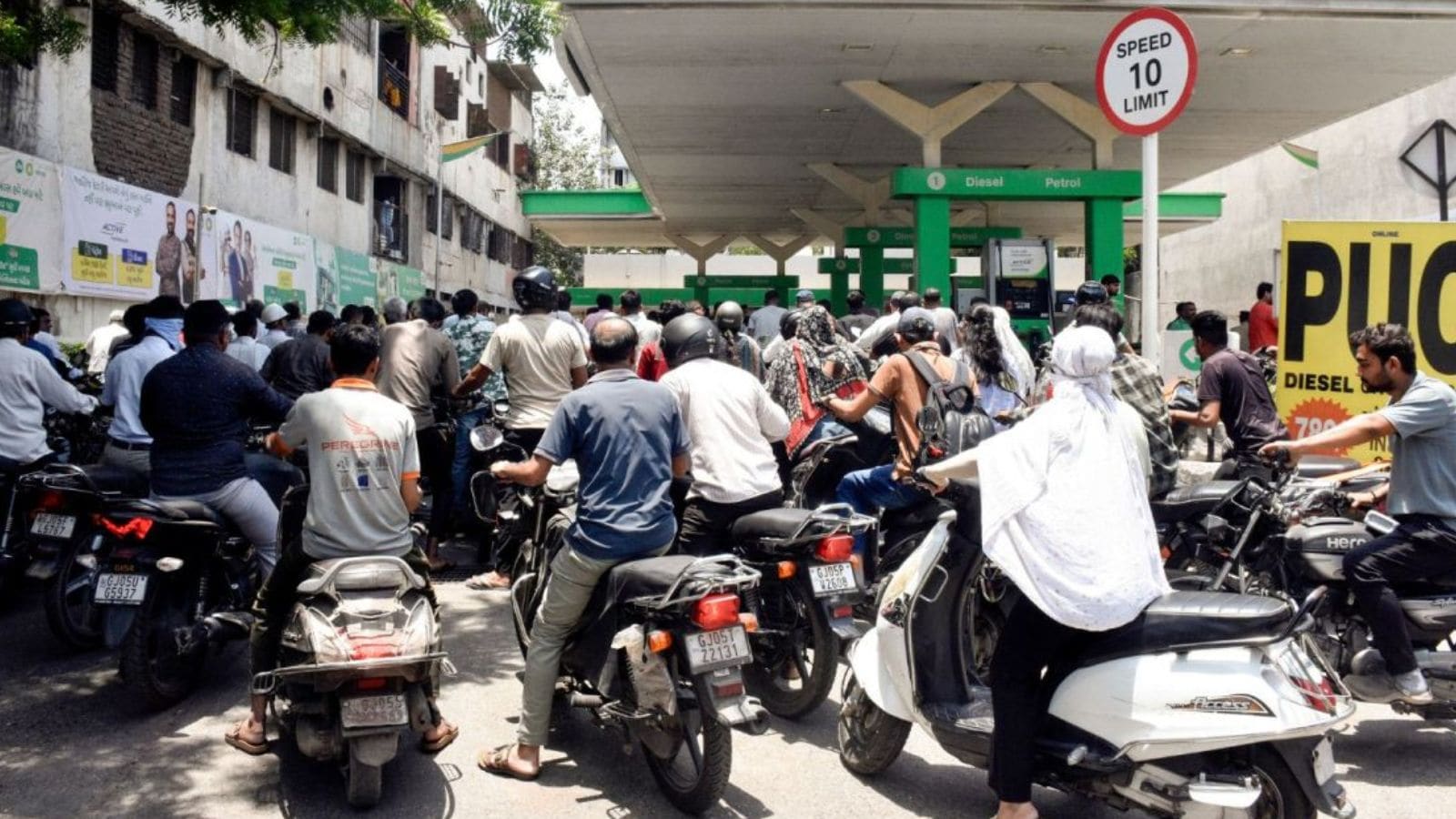
Public sector oil marketing companies (OMCs) hiked retail petrol and diesel prices on Saturday, marking the third price increase in nine days as they look to offset losses from high international prices amid an unprecedented global energy crisis. The price of petrol rose by 87 paise per litre, while that of diesel was up 91 paise per litre in Delhi, with corresponding changes in other parts of the country.
With Saturday’s price hike, petrol prices in Delhi have gone up by Rs 4.77 per litre and diesel by Rs 4.81 since May 15, when the first price increase in over four years was announced. As of Saturday morning, a litre of petrol was priced at Rs 99.51, while that of diesel was at Rs 92.49 in the capital. Fuel prices vary across the country due to differences in state-level taxes. The latest hike follows a 90-paise-per-litre increase on Tuesday, and a Rs 3-per-litre increase on May 15.
The Rs 3-per-litre hike in petrol and diesel prices implemented on May 15 had provided some relief to OMCs, reducing their combined daily losses on sales of the two automobile fuels and liquefied petroleum gas (LPG) by a fourth, or about Rs 250 crore, to about Rs 750 crore a day, the Petroleum Ministry had said Monday. The two subsequent price hikes this week are likely to offer some more relief to them, although they continue bleeding by selling the fuels at a loss.
According to industry sources and analysts, the quantum price hikes effected so far will only partially ease the pressure on the OMCs–Indian Oil, Bharat Petroleum, and Hindustan Petroleum–as the gap between the retail fuel prices and the market price is significant. More calibrated and staggered price hikes are being anticipated.
Global crude oil prices have surged by over 50% due to the West Asia war and the consequent closure of the Strait of Hormuz, but in a bid to insulate domestic consumers, the government-owned OMCs hadn’t passed on the higher rates for retail petrol and diesel till last week. In fact, prices of the two auto fuels hadn’t been hiked for four years, although cut once—before the 2024 Lok Sabha polls.
Discussions on a hike in petrol and diesel prices had gathered pace within the government, with a consensus that an increase was necessary. The key considerations were the timing and the quantum: whether to announce a steep hike in one go or adopt a staggered approach, according to a top government official. Evidently, a staggered approach was chosen.
“The Rs 3 hike, alongside a marginal softening in crude prices, brings estimated residual under-recoveries down to Rs 10 and Rs 13 per litre, offering OMCs a degree of operational breathing room.The overhang is far from gone, though…The latest price increase is, therefore, aimed at containing incremental balance sheet stress rather than restoring marketing margins, and is better read as a policy acknowledgement that absorbed costs must eventually reflect in prices,” Sehul Bhatt, director, Crisil Intelligence had said on May 15.
The timing of the global surge in energy prices, which clashed with assembly elections in some states, made it politically fraught for fuel prices to be hiked. With the elections over, a hike in prices was in the offing. Early May, a top government official had told The Indian Express that a hike was “inevitable” and “only a matter of time”. Retail prices of petrol and diesel are deregulated, but in practice, the government-owned OMCs — with 90% market share in fuel retail — kept prices stable in consultation with the government. They incurred losses when international oil prices surged, and earned profits when the prices slumped.
A one-shot steep price hike wouldn’t have been politically palatable, and would have had a shock factor to it, industry sources said. Calibrated price hikes give the government the opportunity to pass on the higher prices to consumers gradually, while keeping a tab on the public reaction and the inflationary impact on an ongoing basis, instead of the inflationary shock and backlash that a steep hike might lead to.
Besides directly having a bearing on the Consumer Price Index (CPI), fuel prices have an indirect impact on inflation as they affect the cost of freight and logistics, as well as energy and input costs for various sectors.
“Given the weightage of petrol and diesel in the CPI basket, a 3-5% increase (in fuel prices) likely adds about 15-25 bp (basis points) to the headline inflation, besides second round impact,” Radhika Rao, senior economist and executive director, DBS Bank had said on May 15. She also recounted that back in 2022, amid the global oil and fuel price surge in the wake of Russia’s invasion of Ukraine, retail fuel prices were hiked by about 9-10% in two steps. Other analysts also expect staggered price hikes going forward.
The crisis has put the OMCs under severe financial stress. On May 12, Petroleum Minister Hardeep Singh Puri had said that the combined losses of the three refiners-cum-fuel retailers were projected at Rs 1 lakh crore in the April-June quarter if prices stayed where they were, enough to wipe out their collective profits for the entire 2025-26 (FY26).
Before hiking retail fuel prices, the government had slashed excise duty by Rs 10 per litre on petrol and diesel late March to blunt the impact of high international prices on the OMCs, but the retailers continue to bleed. The excise duty cut has resulted in the government foregoing revenue of about Rs 14,000 crore a month.
While the country has managed to secure adequate crude oil volumes from non-Gulf suppliers and has not faced a shortage of crude, refiners have been paying for the oil through their nose, spending valuable foreign exchange. With uncertainty over how long the crisis might last, Prime Minister Narendra Modi recently appealed for conservation of petroleum fuels, among other measures, aimed at moderating imports and foreign exchange outgo.
The Indian crude oil basket, which averaged $70 per barrel last year, averaged over $114 in April; so far in May, it has averaged at about $108 per barrel. Refiners are incurring high additional costs due to emergency sourcing from the spot market and surging shipping and insurance rates. Oil imports in 2025-26 stood at about $135 billion. If oil prices sustain at $100 in the current fiscal and import volumes don’t fall, the oil import bill could be upwards of $200 billion for the year.
Public sector oil marketing companies (OMCs) hiked retail petrol and diesel prices on Saturday, marking the third price increase in nine days as they look to offset losses from high international prices amid an unprecedented global energy crisis. The price of petrol rose by 87 paise per litre, while that of diesel was up 91 paise per litre in Delhi, with corresponding changes in other parts of the country.
With Saturday’s price hike, petrol prices in Delhi have gone up by Rs 4.77 per litre and diesel by Rs 4.81 since May 15, when the first price increase in over four years was announced. As of Saturday morning, a litre of petrol was priced at Rs 99.51, while that of diesel was at Rs 92.49 in the capital. Fuel prices vary across the country due to differences in state-level taxes. The latest hike follows a 90-paise-per-litre increase on Tuesday, and a Rs 3-per-litre increase on May 15.
The Rs 3-per-litre hike in petrol and diesel prices implemented on May 15 had provided some relief to OMCs, reducing their combined daily losses on sales of the two automobile fuels and liquefied petroleum gas (LPG) by a fourth, or about Rs 250 crore, to about Rs 750 crore a day, the Petroleum Ministry had said Monday. The two subsequent price hikes this week are likely to offer some more relief to them, although they continue bleeding by selling the fuels at a loss.
According to industry sources and analysts, the quantum price hikes effected so far will only partially ease the pressure on the OMCs–Indian Oil, Bharat Petroleum, and Hindustan Petroleum–as the gap between the retail fuel prices and the market price is significant. More calibrated and staggered price hikes are being anticipated.
Global crude oil prices have surged by over 50% due to the West Asia war and the consequent closure of the Strait of Hormuz, but in a bid to insulate domestic consumers, the government-owned OMCs hadn’t passed on the higher rates for retail petrol and diesel till last week. In fact, prices of the two auto fuels hadn’t been hiked for four years, although cut once—before the 2024 Lok Sabha polls.
Discussions on a hike in petrol and diesel prices had gathered pace within the government, with a consensus that an increase was necessary. The key considerations were the timing and the quantum: whether to announce a steep hike in one go or adopt a staggered approach, according to a top government official. Evidently, a staggered approach was chosen.
“The Rs 3 hike, alongside a marginal softening in crude prices, brings estimated residual under-recoveries down to Rs 10 and Rs 13 per litre, offering OMCs a degree of operational breathing room.The overhang is far from gone, though…The latest price increase is, therefore, aimed at containing incremental balance sheet stress rather than restoring marketing margins, and is better read as a policy acknowledgement that absorbed costs must eventually reflect in prices,” Sehul Bhatt, director, Crisil Intelligence had said on May 15.
The timing of the global surge in energy prices, which clashed with assembly elections in some states, made it politically fraught for fuel prices to be hiked. With the elections over, a hike in prices was in the offing. Early May, a top government official had told The Indian Express that a hike was “inevitable” and “only a matter of time”. Retail prices of petrol and diesel are deregulated, but in practice, the government-owned OMCs — with 90% market share in fuel retail — kept prices stable in consultation with the government. They incurred losses when international oil prices surged, and earned profits when the prices slumped.
A one-shot steep price hike wouldn’t have been politically palatable, and would have had a shock factor to it, industry sources said. Calibrated price hikes give the government the opportunity to pass on the higher prices to consumers gradually, while keeping a tab on the public reaction and the inflationary impact on an ongoing basis, instead of the inflationary shock and backlash that a steep hike might lead to.
Besides directly having a bearing on the Consumer Price Index (CPI), fuel prices have an indirect impact on inflation as they affect the cost of freight and logistics, as well as energy and input costs for various sectors.
“Given the weightage of petrol and diesel in the CPI basket, a 3-5% increase (in fuel prices) likely adds about 15-25 bp (basis points) to the headline inflation, besides second round impact,” Radhika Rao, senior economist and executive director, DBS Bank had said on May 15. She also recounted that back in 2022, amid the global oil and fuel price surge in the wake of Russia’s invasion of Ukraine, retail fuel prices were hiked by about 9-10% in two steps. Other analysts also expect staggered price hikes going forward.
The crisis has put the OMCs under severe financial stress. On May 12, Petroleum Minister Hardeep Singh Puri had said that the combined losses of the three refiners-cum-fuel retailers were projected at Rs 1 lakh crore in the April-June quarter if prices stayed where they were, enough to wipe out their collective profits for the entire 2025-26 (FY26).
Before hiking retail fuel prices, the government had slashed excise duty by Rs 10 per litre on petrol and diesel late March to blunt the impact of high international prices on the OMCs, but the retailers continue to bleed. The excise duty cut has resulted in the government foregoing revenue of about Rs 14,000 crore a month.
While the country has managed to secure adequate crude oil volumes from non-Gulf suppliers and has not faced a shortage of crude, refiners have been paying for the oil through their nose, spending valuable foreign exchange. With uncertainty over how long the crisis might last, Prime Minister Narendra Modi recently appealed for conservation of petroleum fuels, among other measures, aimed at moderating imports and foreign exchange outgo.
The Indian crude oil basket, which averaged $70 per barrel last year, averaged over $114 in April; so far in May, it has averaged at about $108 per barrel. Refiners are incurring high additional costs due to emergency sourcing from the spot market and surging shipping and insurance rates. Oil imports in 2025-26 stood at about $135 billion. If oil prices sustain at $100 in the current fiscal and import volumes don’t fall, the oil import bill could be upwards of $200 billion for the year.