

Maruti Suzuki launches WagonR that can run on pure ethanol; India to have 5,000 flex-fuel pumps by 2027-end
Cars that run on higher-fuel blends are generally less polluting than those that run on pure petrol or fuel with lower levels of blending.
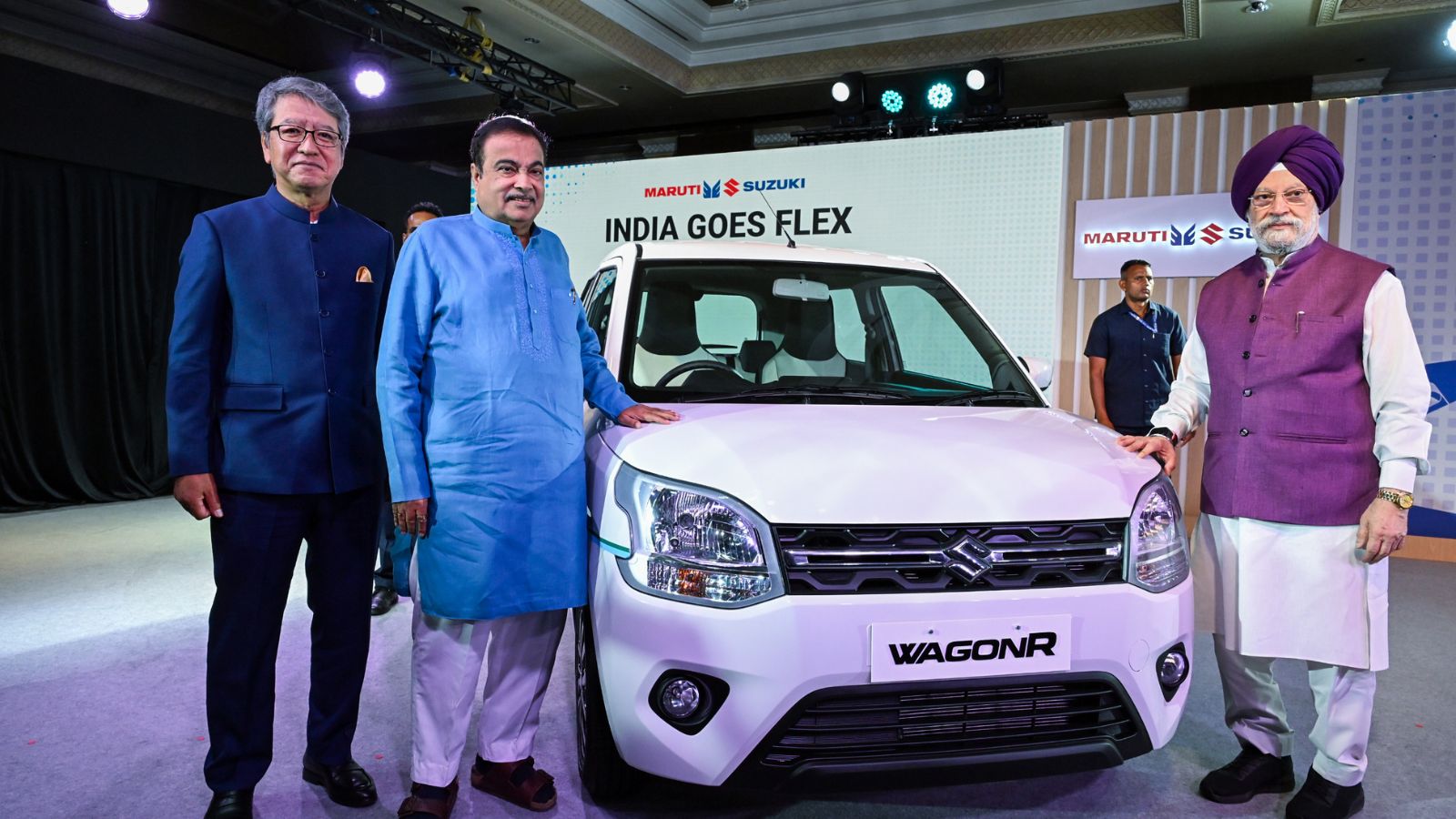
India’s largest carmaker, Maruti Suzuki India on Thursday launched the WagonR Flex Fuel, billed as the country’s first mass-market flex-fuel passenger car, marking a significant step in India’s push towards alternative fuels. The vehicle can even run on pure ethanol, and will allow consumers to use a wider range of ethanol and petrol mixes without engine modifications. The launch comes as the government intensifies efforts to promote ethanol-based mobility and reduce dependence on imported crude oil amid the West Asia crisis. In a bid to develop a fuel supply and delivery ecosystem as flex-fuel vehicles hit the Indian roads, plans are also afoot to make the flex-fuels available at 5,000 fuel pumps by the end of 2027.
The carmaker has previously showcased prototype versions of the car. The production-spec variant of the car launched by the company on Thursday is capable of running on pure ethanol (E100), although it has been homologated to run on E85 fuel—85% ethanol and 15% petrol. Technically, it means the car can run on various fuel blends, from E20 to E100, but given that approved standards in India are up to E85, the car has been certified to use ethanol blend of up to 85%. Minister of Road Transport and Highways Nitin Gadkari, and Petroleum Minister Hardeeep Singh Puri were present at the car’s launch.
Flex-fuel vehicles are equipped with modified internal combustion engines that can run on petrol, ethanol, or any combination of the two without requiring manual adjustments by the driver. Sensors in the vehicle detect the fuel blend and automatically alter engine settings such as fuel injection and ignition timing to ensure optimal performance.
“The company is introducing BEVs (battery electric vehicles), Hybrids, CNG/CBG (compressed biogas) and ethanol flex-fuel vehicles to meet India’s twin goals of reducing oil import and carbon emissions… The ecosystem for ethanol as a fuel in India is in its early stages… Once it reaches mainstream adoption, flex-fuel vehicles have the potential to cut oil imports, carbon emissions, and local air pollution while enhancing domestic value addition and farmer incomes,” said Hisashi Takeuchi, MD and CEO, Maruti Suzuki India.
Cars that run on higher-fuel blends are generally less polluting than those that run on pure petrol or fuel with lower levels of blending. But more importantly, such fuel is also a crucial cog in the energy security for a country like India, which is dependent on importing crude oil and gas from abroad—and is therefore susceptible to supply and price shocks, like the ongoing crisis due to the West Asia war. The government has also said that since ethanol for blending is typically derived from sugarcane or maze, it also boosts farmer incomes.
“India imports a large quantity of crude oil every year, and biofuels like ethanol are an important pathway towards reducing this dependence while strengthening our rural economy. Flex-fuel vehicles can create a strong and sustainable demand for ethanol, benefiting our farmers, industry, and the environment together,” Gadkari said.
As of now, India does not have many fuel pumps that can dispense multiple fuel blends to customers. India mandated E20 fuel compatibility for all new petrol-powered vehicles starting in 2023, and that is the most commonly available fuel blend available across petrol pumps in the country. The unanimous move towards E20 had caused backlash among car buyers in the country, who reported a drop in fuel efficiency in vehicles older than 2023 due to the fuel.
The government is working on establishing flex fuel retail pumps, and plans to have around 5,000 such facilities in major cities by the end of next year, Puri said. “In the beginning, we will have over 50 to 100 dispensing stations in Delhi-NCR, Mumbai, Pune and Ahmedabad. These will expand to 500 by December this year and approximately 5,000 outlets across major cities by the end of next year,” Puri said.
According to the government, ethanol blending in petrol has increased from less than 1.5% in 2013-14 to 20% in 2025-26, achieving the 20% blending aim five years ahead of schedule. Ethanol procurement has risen from about 38 crore litres in ESY 2013-14 to more than 1,040 crore litres today, while ethanol production capacity expanded nearly five fold from 421 crore litres in 2014 to about 2,000 crore litres in 2026. Higher ethanol blending has reduced crude oil imports, saved valuable foreign exchange, lowered emissions, and increased farmer’s income, according to Puri.
The petroleum minister said that if half of the new two- and four-wheelers sales eventually shift to flex fuel-compliant vehicles, it will create additional demand for 311.8 crore litres of ethanol and provide Rs 12,403 crore in additional income to farmers.
“NITI Aayog officially classifies ethanol-based Flex-Fuel Vehicles (FFVs), including vehicles running on high ethanol blends such as E85, as Zero-Emission Vehicles. E85 fuel also produces near-zero particulate matter (PM) emissions, making flex-fuel vehicles a promising solution for addressing the country’s growing air pollution challenge,” the Petroleum Ministry said.
“The Government is also working on supportive measures such as pricing support, road tax concessions, availability of E85 testing fuel, special identifiers for FFVs and retail outlets, consumer awareness initiatives, and development of storage and dispensing infrastructure to increase adoption,” the ministry said.
India’s largest carmaker, Maruti Suzuki India on Thursday launched the WagonR Flex Fuel, billed as the country’s first mass-market flex-fuel passenger car, marking a significant step in India’s push towards alternative fuels. The vehicle can even run on pure ethanol, and will allow consumers to use a wider range of ethanol and petrol mixes without engine modifications. The launch comes as the government intensifies efforts to promote ethanol-based mobility and reduce dependence on imported crude oil amid the West Asia crisis. In a bid to develop a fuel supply and delivery ecosystem as flex-fuel vehicles hit the Indian roads, plans are also afoot to make the flex-fuels available at 5,000 fuel pumps by the end of 2027.
The carmaker has previously showcased prototype versions of the car. The production-spec variant of the car launched by the company on Thursday is capable of running on pure ethanol (E100), although it has been homologated to run on E85 fuel—85% ethanol and 15% petrol. Technically, it means the car can run on various fuel blends, from E20 to E100, but given that approved standards in India are up to E85, the car has been certified to use ethanol blend of up to 85%. Minister of Road Transport and Highways Nitin Gadkari, and Petroleum Minister Hardeeep Singh Puri were present at the car’s launch.
Flex-fuel vehicles are equipped with modified internal combustion engines that can run on petrol, ethanol, or any combination of the two without requiring manual adjustments by the driver. Sensors in the vehicle detect the fuel blend and automatically alter engine settings such as fuel injection and ignition timing to ensure optimal performance.
“The company is introducing BEVs (battery electric vehicles), Hybrids, CNG/CBG (compressed biogas) and ethanol flex-fuel vehicles to meet India’s twin goals of reducing oil import and carbon emissions… The ecosystem for ethanol as a fuel in India is in its early stages… Once it reaches mainstream adoption, flex-fuel vehicles have the potential to cut oil imports, carbon emissions, and local air pollution while enhancing domestic value addition and farmer incomes,” said Hisashi Takeuchi, MD and CEO, Maruti Suzuki India.
Cars that run on higher-fuel blends are generally less polluting than those that run on pure petrol or fuel with lower levels of blending. But more importantly, such fuel is also a crucial cog in the energy security for a country like India, which is dependent on importing crude oil and gas from abroad—and is therefore susceptible to supply and price shocks, like the ongoing crisis due to the West Asia war. The government has also said that since ethanol for blending is typically derived from sugarcane or maze, it also boosts farmer incomes.
“India imports a large quantity of crude oil every year, and biofuels like ethanol are an important pathway towards reducing this dependence while strengthening our rural economy. Flex-fuel vehicles can create a strong and sustainable demand for ethanol, benefiting our farmers, industry, and the environment together,” Gadkari said.
As of now, India does not have many fuel pumps that can dispense multiple fuel blends to customers. India mandated E20 fuel compatibility for all new petrol-powered vehicles starting in 2023, and that is the most commonly available fuel blend available across petrol pumps in the country. The unanimous move towards E20 had caused backlash among car buyers in the country, who reported a drop in fuel efficiency in vehicles older than 2023 due to the fuel.
The government is working on establishing flex fuel retail pumps, and plans to have around 5,000 such facilities in major cities by the end of next year, Puri said. “In the beginning, we will have over 50 to 100 dispensing stations in Delhi-NCR, Mumbai, Pune and Ahmedabad. These will expand to 500 by December this year and approximately 5,000 outlets across major cities by the end of next year,” Puri said.
According to the government, ethanol blending in petrol has increased from less than 1.5% in 2013-14 to 20% in 2025-26, achieving the 20% blending aim five years ahead of schedule. Ethanol procurement has risen from about 38 crore litres in ESY 2013-14 to more than 1,040 crore litres today, while ethanol production capacity expanded nearly five fold from 421 crore litres in 2014 to about 2,000 crore litres in 2026. Higher ethanol blending has reduced crude oil imports, saved valuable foreign exchange, lowered emissions, and increased farmer’s income, according to Puri.
The petroleum minister said that if half of the new two- and four-wheelers sales eventually shift to flex fuel-compliant vehicles, it will create additional demand for 311.8 crore litres of ethanol and provide Rs 12,403 crore in additional income to farmers.
“NITI Aayog officially classifies ethanol-based Flex-Fuel Vehicles (FFVs), including vehicles running on high ethanol blends such as E85, as Zero-Emission Vehicles. E85 fuel also produces near-zero particulate matter (PM) emissions, making flex-fuel vehicles a promising solution for addressing the country’s growing air pollution challenge,” the Petroleum Ministry said.
“The Government is also working on supportive measures such as pricing support, road tax concessions, availability of E85 testing fuel, special identifiers for FFVs and retail outlets, consumer awareness initiatives, and development of storage and dispensing infrastructure to increase adoption,” the ministry said.